- Position
- North-west Mumbai, along the sea
- Railway
- Western line, Churchgate to Borivali
- Good for
- Beaches, food streets, families
- Sights nearby
- Aksa and Madh beaches
The character of the zone
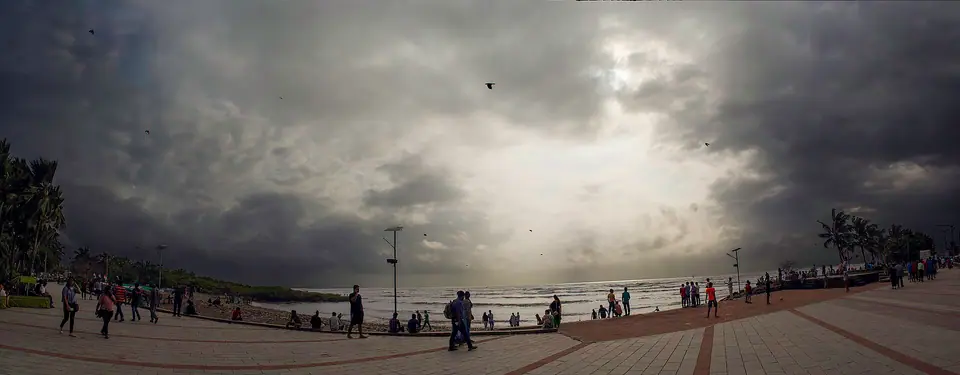
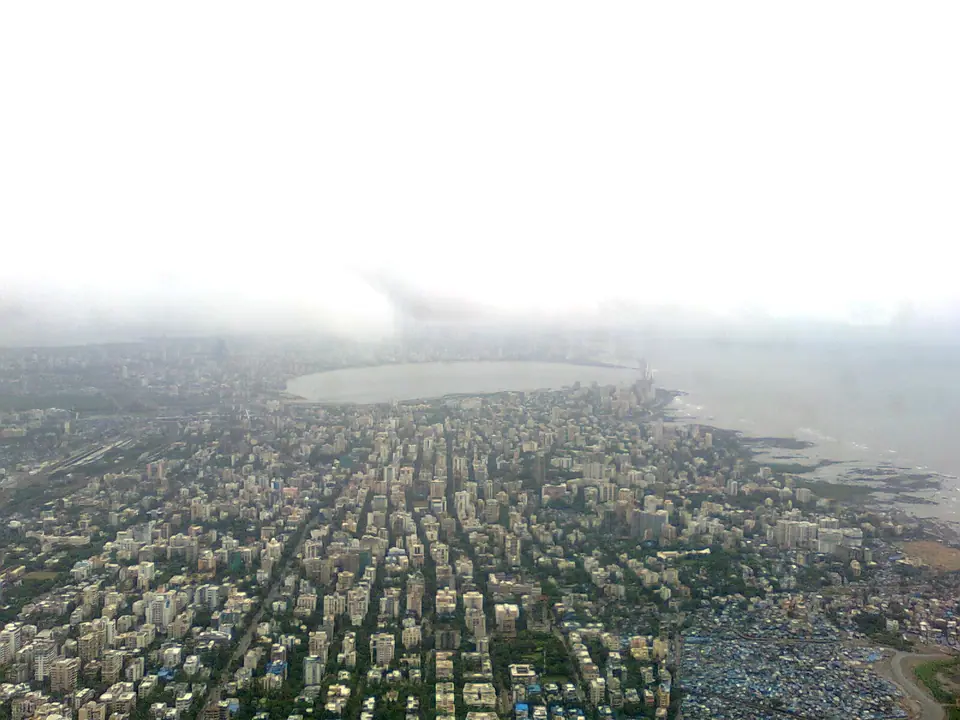
The Western suburbs begin where the island city's mill lands end and stretch north along the Arabian Sea to Borivali. Bandra, the first big stop, mixes old East Indian villages, Catholic churches and a food scene that draws people from across Mumbai. Further north the suburbs become more residential and more Maharashtrian and Gujarati in character, with Juhu's beach, Andheri's film world and Goregaon's studios in between. The sea is rarely far away, and the Western line links the whole stretch.
This is not a zone of single sights but of small differences between one stop and the next. A morning might begin with a walk at Bandstand, move to a snack street in Vile Parle, then end with a sunset at Juhu or Gorai. The architecture changes too: wooden houses with verandas in the old villages of Ranwar and Chimbai, Portuguese-era watchtowers at Bandra Fort, and tower blocks further north. Allow time to wander rather than tick off a list.
How the neighbourhoods differ
Bandra West holds the zone's densest mix: Bandstand's seafront walk, the lanes of Ranwar and Chimbai, Mount Mary Basilica and streets of snack stalls and small kitchens. Khar is quieter, with residential streets and the northern end of Carter Road close by. Santacruz sits between Bandra and the airport, a leafy residential suburb on the Western line. Vile Parle, next, is a Marathi and Gujarati suburb with colleges and old snack streets, a short ride from Juhu's beach.
North of the airport the mood shifts again. Andheri West and Versova bring the Lokhandwala lanes, a working fishing village at Versova and theatre and café streets tied to the film world. Goregaon has Film City and the green edge of Aarey to its east. Malad is a large suburb on the road to the Madh and Marve beaches, and Borivali and Kandivali sit at the gate of Sanjay Gandhi National Park, with the ferry to Gorai from Borivali.
- Bandra West suits food-led walks, with Bandstand and Mount Mary Basilica on the same afternoon.
- Khar rewards a slow morning: quiet streets, a few cafés and Carter Road's northern stretch.
- Vile Parle and Santacruz are residential and useful for the airport, not for sightseeing.
- Juhu is for the beach, evening snack stalls and a long promenade stroll.
- Borivali is the practical base for Sanjay Gandhi National Park and the Gorai ferry.
Getting around the zone
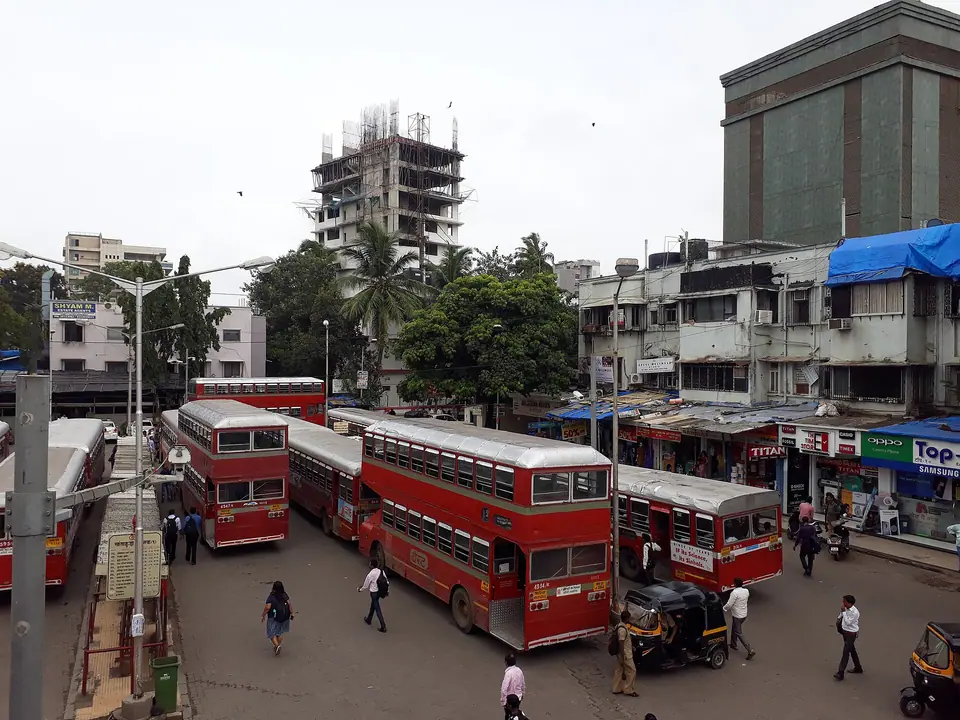
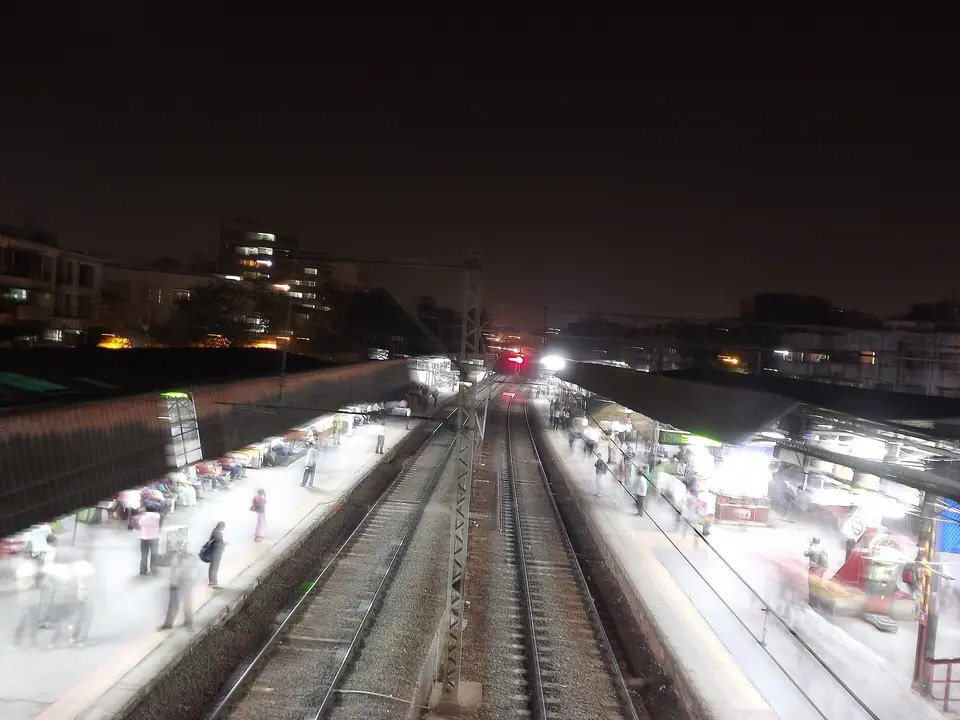
The Western line is the spine of the zone, running from Churchgate through Bandra, Santacruz, Vile Parle, Andheri, Goregaon, Malad, Kandivali and Borivali. Trains are frequent but crowded at peak hours; first-class and ladies' compartments help, and air-conditioned locals run on some routes. Black-and-yellow taxis and app cabs are easy to find, and autorickshaws operate north of Bandra and Sion. Metro lines serve parts of the western suburbs, and new lines and stations keep opening, so check the current network before you plan a day.
Distances look short in kilometres but the traffic decides the day. Bandra to Juhu is a few kilometres by road and can take far longer in the evening than the map suggests, while the train between Bandra and Andheri is often quicker. The run from Bandra to Borivali crosses most of the zone and takes time at peak hours. The airport sits between Santacruz and Andheri East, which makes either side convenient before an early flight. Ferry crossings to Gorai can be suspended in the monsoon, so check before you go.
What to see
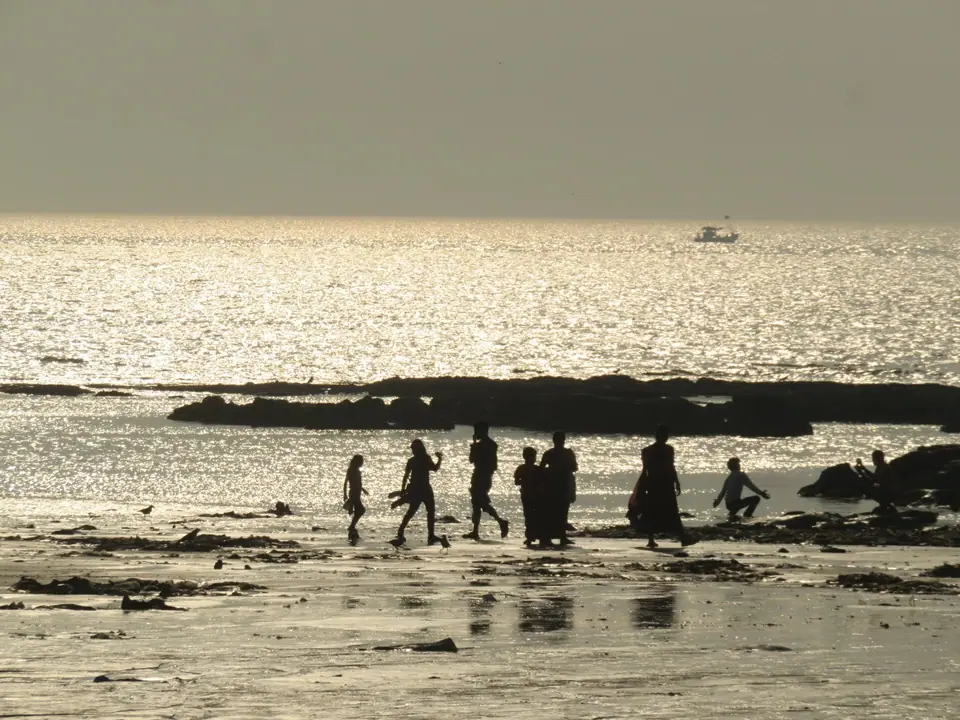
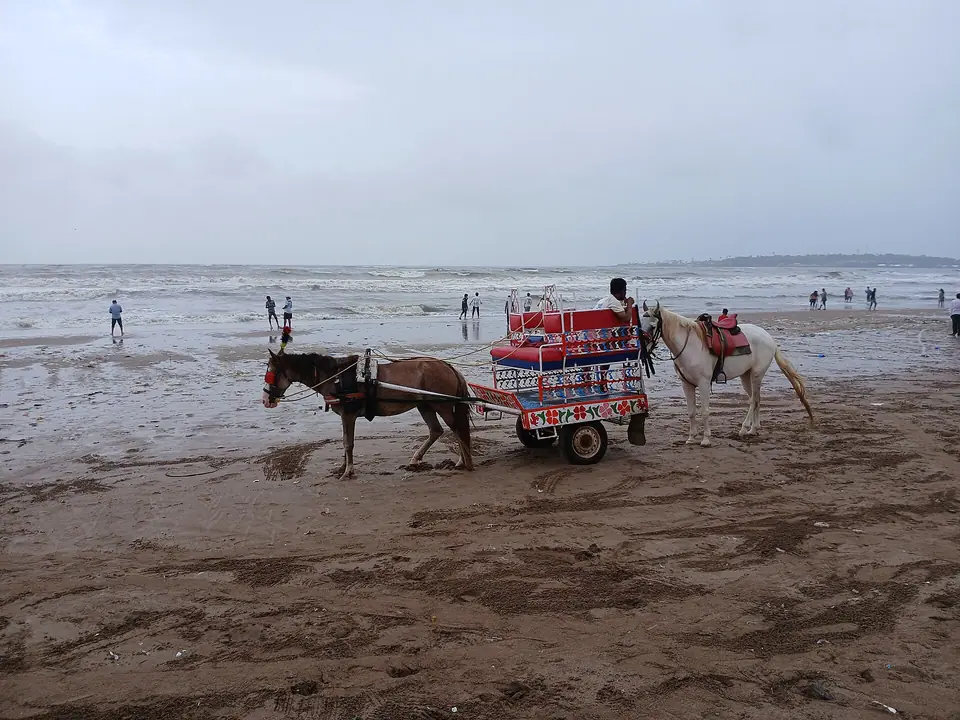
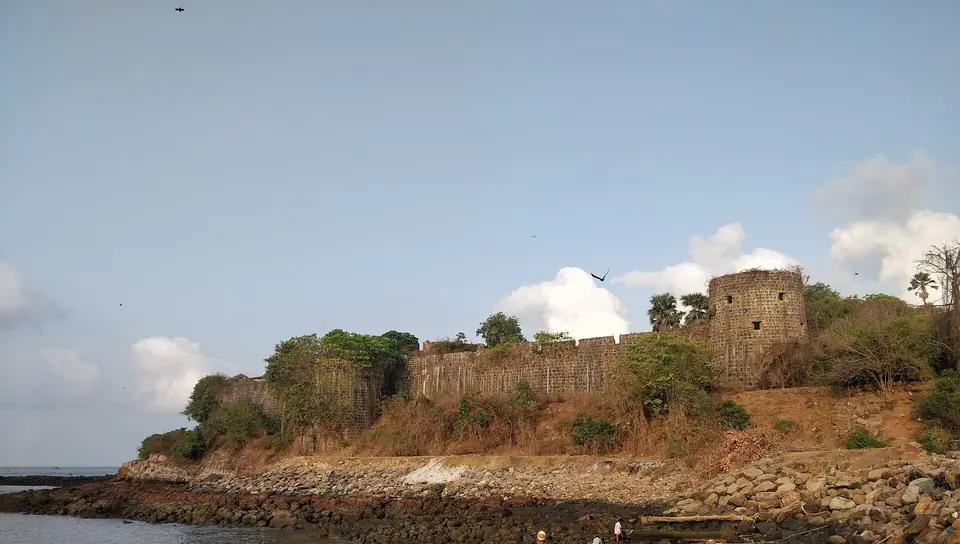
Bandra West holds most of the zone's older sights. Bandra Fort, the Portuguese watchtower of 1640 at Land's End, looks out over the sea near Bandstand, and Mount Mary Basilica sits on the hill above it, busy for the fair held in the week after 8 September. The lanes of Ranwar and Chimbai keep wooden houses with verandas and small shrines. Juhu's long beach draws crowds at sunset, and the beaches at Aksa and Madh lie further north-west, near Malad.
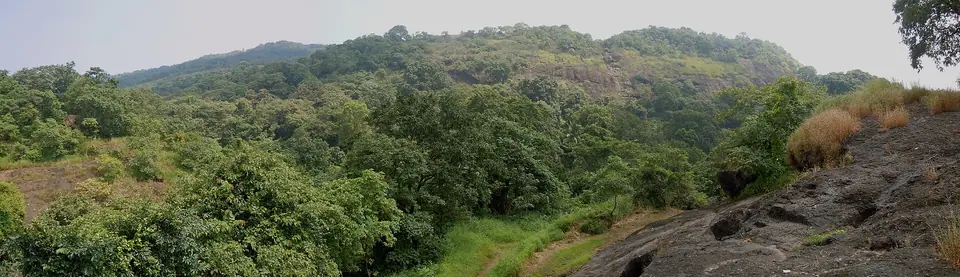
Borivali is the gateway to Sanjay Gandhi National Park, a protected forest of about 100 sq km inside the city, with the Kanheri caves and the Tulsi and Vihar lakes within it. The Global Vipassana Pagoda at Gorai is reached by ferry from Borivali, and the green belt of Aarey edges Goregaon. Film City, at Goregaon, admits visitors on organised tours only, so arrange one in advance. At Versova, the fishing village end of the beach is worth an early look.
Two seafront walks shape a day out here. At Bandra, the walk from Bandstand past Bandra Fort ends near the lanes of Ranwar, with Mount Mary a short climb above. At Juhu, the beach runs long and flat, with snack stalls at the landward edge and the Versova end reachable by road. Gorai, across the water from Borivali, is quieter and has the Vipassana Pagoda nearby. Early mornings are cooler and less crowded on all of them, and the Bandra promenade fills with walkers after sunset.
- Walk the Bandstand promenade at Bandra Fort in the late afternoon, when the light softens.
- See the Kanheri caves inside Sanjay Gandhi National Park; the rock-cut halls date from around the 1st century BCE.
- Visit Aksa and Madh beaches north of Malad, quieter than Juhu on weekdays.
- Time a Bandra walk for the Bandra Fair, held in the week after 8 September.
Who should stay here
These suburbs suit leisure travellers who want the sea within walking distance and a food scene on the doorstep. Families often choose Juhu or Bandra West for the beach, the promenades and shorter trips to the airport. Visitors who prefer the colonial streets and museums of the island city may find the south more convenient, but Bandra is a short train ride from Churchgate. Those staying a week can split the time between Bandra and Borivali.
Practical points matter here. The monsoon, from about June to late September, brings heavy rain that floods low-lying roads and slows the trains, so check before you go. Swimming is unsafe at most city beaches, Juhu included, and especially in the monsoon. Ranwar and Chimbai are lived-in villages, so walk quietly and ask before photographing doorways. Food is the reason many visitors stay: vada pav, pav bhaji and bhel puri on the snack streets, East Indian fugias and sorpotel in Bandra, and kulfi or falooda to finish.
Editorial review: 16 November 2026 · imptmumbai.in, written with AI assistance (see the editorial policy).