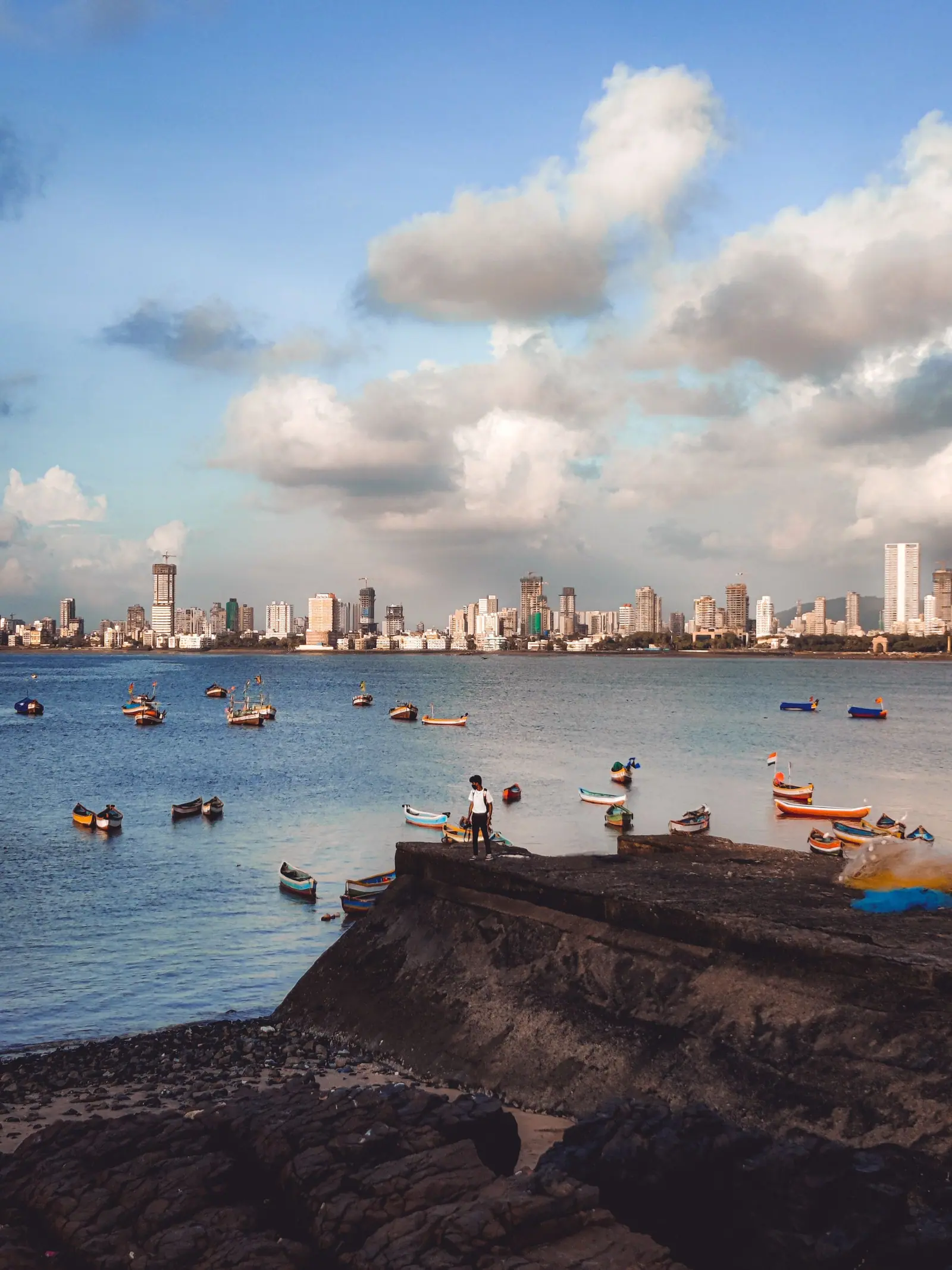
One tonne with every booking.
Every hotel booking made through IMPT, on imptmumbai.in or on any other IMPT site, funds one tonne of verified CO₂ offset. The offset is part of the price you already see, there is nothing extra to pay, and what was offset is reported for each trip.
How the offset works
Four steps, in this order. Nothing in them is optional, nothing is added at checkout, and none of it needs anything from you beyond the booking itself.
The tonne is not an average spread across a year and not a block bought in bulk at the end of one. It is funded booking by booking, and the credit is verified before it counts.
- 01You book a room at the live rateThe price on the page is the live rate for the dates you picked. Nothing is added to it for carbon.
- 02IMPT funds one tonne of verified CO₂ offsetEvery single booking funds one tonne, whichever IMPT site it was made from.
- 03The credit is retired against a registered projectThe tonne is matched to a registered climate project and retired there, so the same tonne cannot be counted twice.
- 04The offset is reported on your tripWhat was offset is attached to that journey rather than to a year-end total.
That is the whole mechanism. One booking, one live price, one tonne, reported back against the trip it belongs to.
Why carbon matters here
Mumbai is a low-lying coastal city, and its carbon story is tied to water, mangroves, creeks and the daily commute. Most journeys here happen on the suburban railway and the Metro. Every hotel booking made through IMPT funds one tonne of verified CO₂ offset, included in the price and reported for each trip. This page sets out where the local climate and conservation questions sit, and how to travel with a lighter footprint.
Why carbon matters here
Mumbai's climate question is not abstract. The city is built on seven former islands joined by land reclamation, and much of the island city sits only a few metres above sea level. Heavy monsoon rain floods low-lying roads and slows the trains that carry most people to work. Cutting emissions is therefore tied to keeping the city working: drainage, transport and the green edges that absorb water all matter together, and a visitor can read the city's carbon story in its streets.
Travel choices carry much of the weight. The suburban railway and the growing Metro network carry most daily journeys, and every extra passenger on a train or a Metro car is a person not adding to road congestion and exhaust. For a visitor, the local layer of any carbon plan is mostly about how you move, where you stay and how long you spend in one place rather than racing between sights in a hired car.
The IMPT arrangement sits alongside those choices. Every hotel booking made through IMPT funds one tonne of verified CO₂ offset, included in the price and reported for each trip. That is a contribution, not a claim that a journey has no impact: flights, taxis and air conditioning still use energy. Read the offset as one part of a trip planned with the city's weather, water and transport in mind, and check the terms of the scheme before you book.
The sea, reclamation and floods
The island city is a built landscape over water. Seven islands were joined by causeways and reclamation from the 18th to the 19th century, and the Hornby Vellard at Worli is the best-known early work. That inheritance explains why so much of the city sits low and why heavy rain turns roads into shallow channels. Sea level and storm water are the same problem here, and the city's defences are as much civic as they are climatic.
The south-west monsoon arrives around early to mid June and lasts to about late September, and the dates vary each year. It brings most of the year's rain in a few intense spells. Tides push back against drainage at Marine Drive and along other shorelines, and some ferry services are suspended. If you visit in these months, expect a slower city: check the forecast with the India Meteorological Department and the local news before planning a day outdoors.
Visitors can help by planning around the weather. Build in a wet-day alternative near your stay, keep to the pavements and subways that drain first, and avoid adding to traffic when roads are already slow. The dry months from roughly November to February are the most popular time to visit and the easiest for walking, ferries and outdoor sights. Choose these weeks if a flexible itinerary matters, and check conditions before you go.
Mangroves, creeks and flamingos
Mangroves line the creeks on both sides of the city, notably at Thane Creek, Mahim Creek, Gorai and Versova. These salt-tolerant trees hold mud in place, break wave energy and shelter fish nurseries, which is why they are treated as coastal infrastructure rather than wasteland. Carbon is stored in the trees and, more durably, in the waterlogged mud beneath them. Protecting a creek edge therefore does climate work and flood work at the same time, and the belt is hard to replace once cleared.
The Thane Creek Flamingo Sanctuary was declared in 2015. Flamingos gather on the creek mudflats roughly from November to May, and numbers vary by year, so check with Maharashtra Tourism or a local conservation group before planning a visit. The birds feed in shallow water and are easily disturbed by boats, drones and noise. Watching from the shore with binoculars is the gentler option, and it keeps the mudflats working as feeding grounds through the season.
Creek country is fragile in small ways too. Plastic and fishing debris collect in mangrove roots, and dumped rubble smothers the mudflats that the birds use. Simple habits help: carry your waste out, skip single-use bottles where refills are available, and keep to paths and jetties rather than cutting across mud. If a boat operator offers a close approach to a flamingo flock, decline it and watch from the bank instead.
The park, the lakes and water
Sanjay Gandhi National Park lies inside the city's northern limits at Borivali, a large protected forest of about 100 square kilometres. It holds the Tulsi and Vihar lakes, which supply part of Mumbai's water, and the Kanheri caves, a group of Buddhist rock-cut sites in use from roughly the 1st century BCE to the 10th century CE. Forest cover here protects the catchment, cools the surrounding suburbs and keeps a remarkable range of life inside an urban boundary.
Water is the quiet link between the park and the rest of the city. A catchment that stays forested releases rainwater slowly and holds soil in place; a catchment that is built over or burnt sends silt into the lakes. That is why the park's boundaries and its quiet zones matter beyond recreation. When you visit, follow the rules on plastic, noise and feeding animals, and stay on marked trails with the forest department's guidance.
The park is easy to reach from Borivali station on the Western line, which makes it one of the least carbon-heavy large sights in the region. Combine it with a morning start, carry water and a bag for your own waste, and leave before dusk. Check current entry arrangements, closed days and any monsoon restrictions with the forest department before you go, since access can change with the season.
Trains, Metro and ferries
The suburban railway carries most of Mumbai's daily journeys on three main lines: Western from Churchgate, Central from CSMT and Harbour from CSMT to Navi Mumbai and Panvel. The Metro network keeps growing, with Line 1 between Versova, Andheri and Ghatkopar, Lines 2A and 7 in the western suburbs and Line 3, the underground Aqua Line, from Aarey to Cuffe Parade via the airport, BKC and Worli. New lines and stations keep opening, so check the current network before you plan.
For a visitor, the practical pattern is simple. Use the train or Metro for the long hop, then walk or take a short auto ride at the far end. Avoid peak hours, when carriages are extremely crowded, and keep bags in front of you. A stored-value card or a phone payment speeds up the gates, so check the current fare and card rules at the station. Ferries from the Gateway of India to Elephanta and Mandwa are a low-carbon way to cross water.
The Mumbai Trans Harbour Link, the Atal Setu from Sewri to Nhava Sheva, opened in January 2024 and is about 22 km long. Roads such as this carry cars, so the lighter option remains rail for most trips. Autorickshaws do not run in the island city south of Bandra and Sion, where black-and-yellow taxis and app cabs serve. Walking is often quickest over short distances in the Fort and Colaba, so plan a route and use the subways.
What to see and support
Several of the city's best-known places are tied to water and land use. The Gateway of India at Apollo Bunder, completed in 1924, faces the harbour; Haji Ali Dargah sits on an islet reached by a causeway at low tide; Bandra Fort at Land's End is a Portuguese watchtower from 1640 looking over the water. Each is a reminder that Mumbai's identity is coastal, and that tides set the rhythm of a visit.
Heritage lanes reward slow movement. Khotachiwadi in Girgaon is a lane of wooden houses with verandas settled by East Indian families in the 19th century, and residents live there, so visit quietly and in small numbers. Markets such as Crawford Market, completed in 1869, and Chor Bazaar, where most shops close on Fridays, are part of the working city rather than exhibits. Buying from local stalls and craftspeople keeps money in the neighbourhood.
The Kala Ghoda area holds museums and galleries within walking distance: the Chhatrapati Shivaji Maharaj Vastu Sangrahalaya, opened in 1922, the Jehangir Art Gallery from 1952, and the Asiatic Society Town Hall of 1833 near Horniman Circle. Pick one or two rather than rushing. Food is part of the local layer too: vada pav, misal pav, bhel puri, Parsi dhansak and Konkan seafood are best eaten where they are made, and a cutting chai is the standard pause.
- Book with offset: Every hotel booking made through IMPT funds one tonne of verified CO₂ offset, included in the price and reported for each trip.
- Ride the locals: The suburban railway and the Metro carry most daily journeys, so use them for longer hops and walk the last stretch.
- Time the monsoon: The south-west monsoon runs roughly June to September, so check the forecast with the India Meteorological Department before planning outdoor days.
- Keep to the creeks: Watch flamingos from the shore between roughly November and May, keep your distance and never ask a boat to approach a flock.
- Carry your waste: Mangrove roots and mudflats collect plastic quickly, so carry a bag and take bottles and wrappers back with you.
- Check what changes: Timetables, metro lines, entry fees and opening days change, so check the operator or government site before you go.
The projects behind the credits
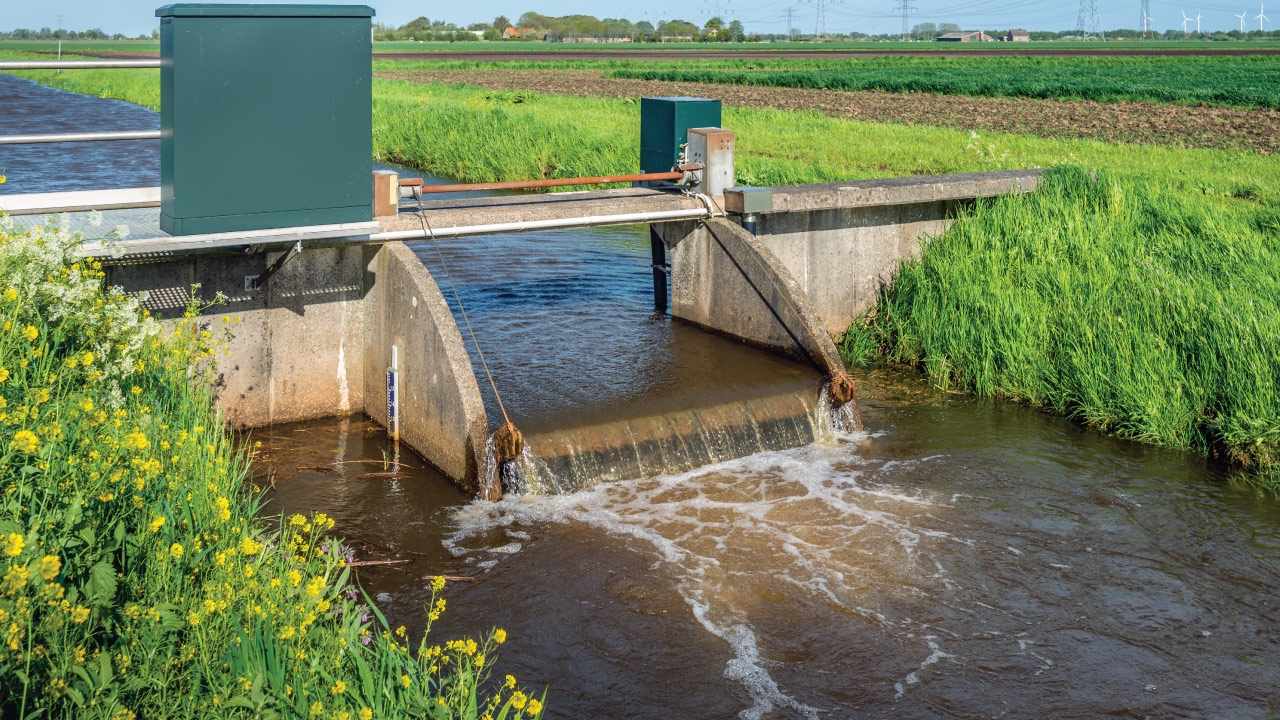
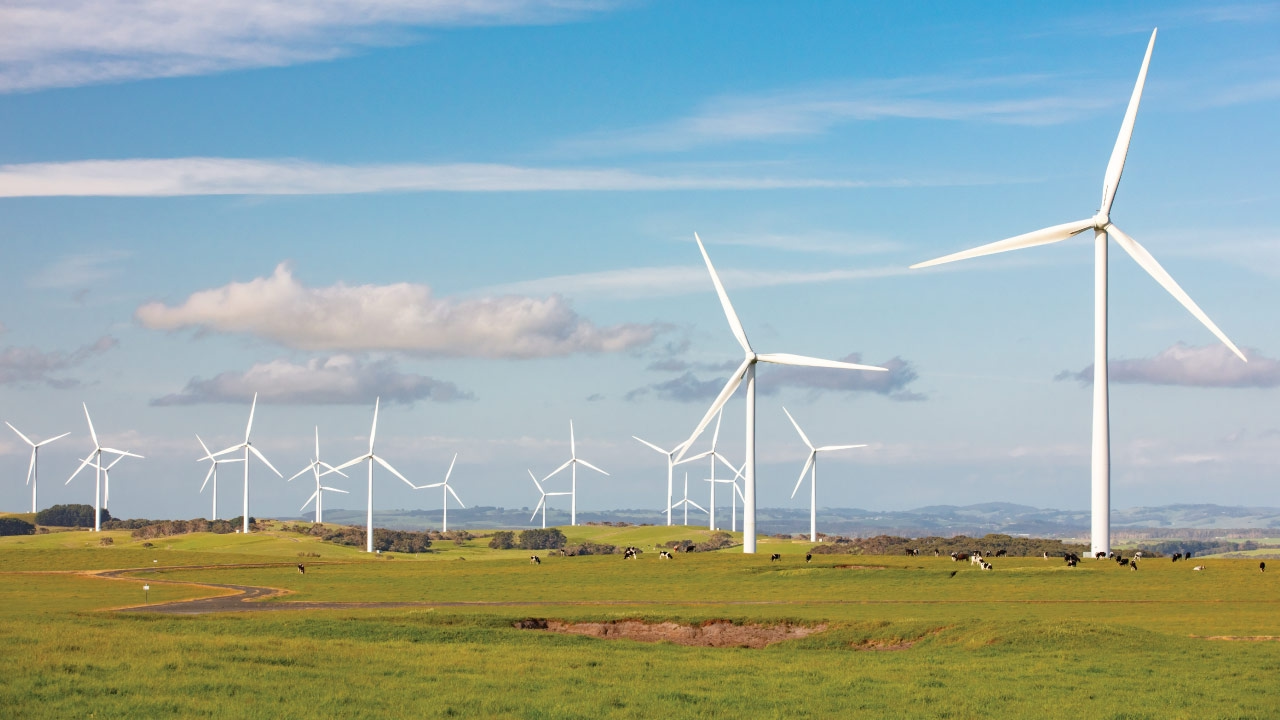
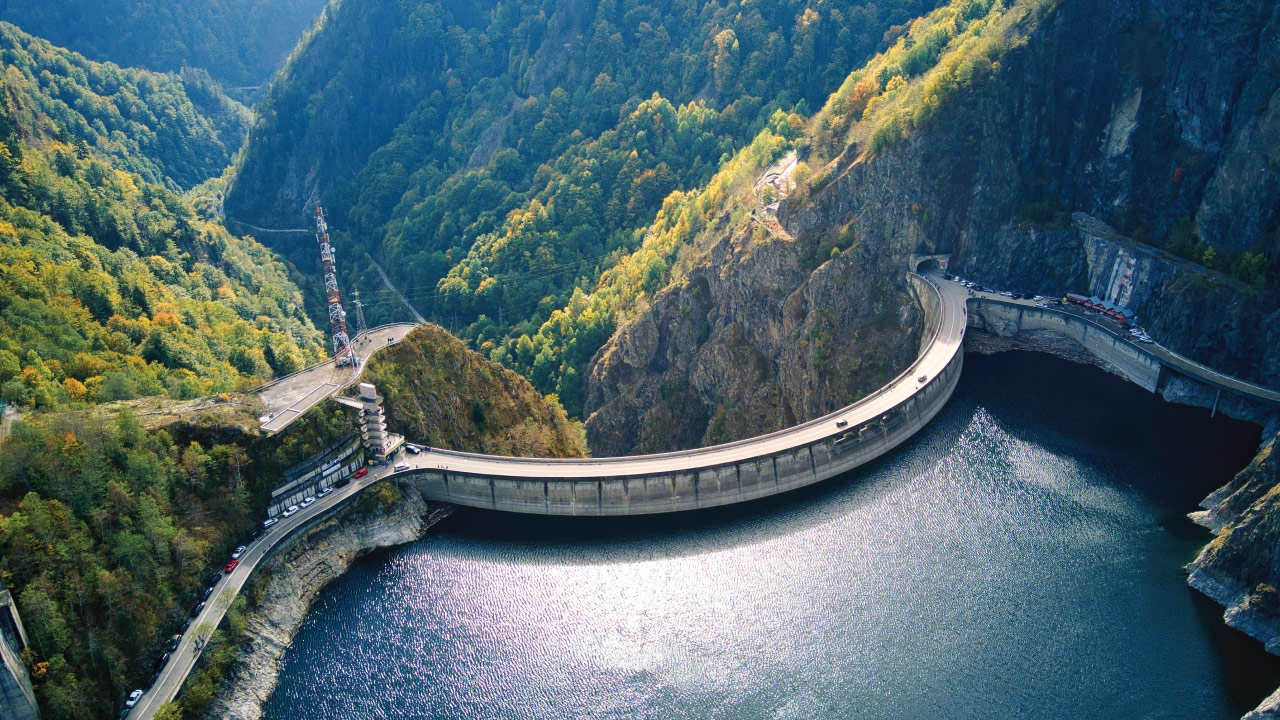
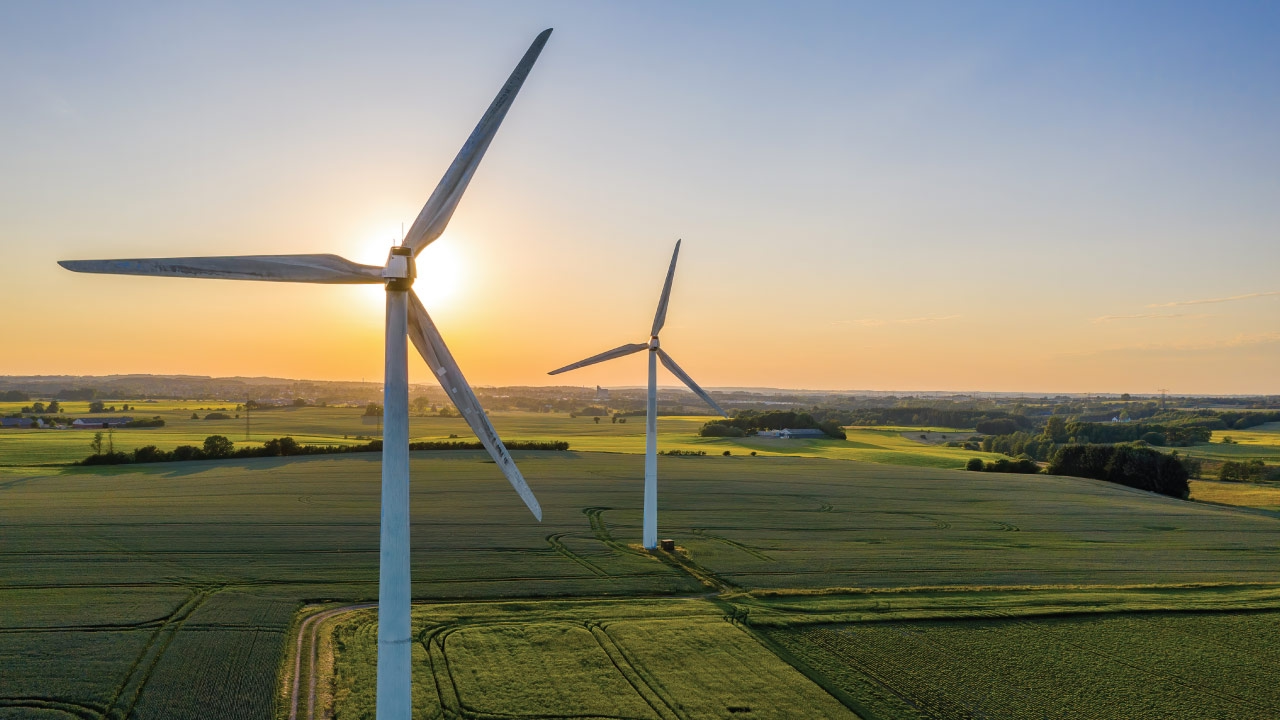
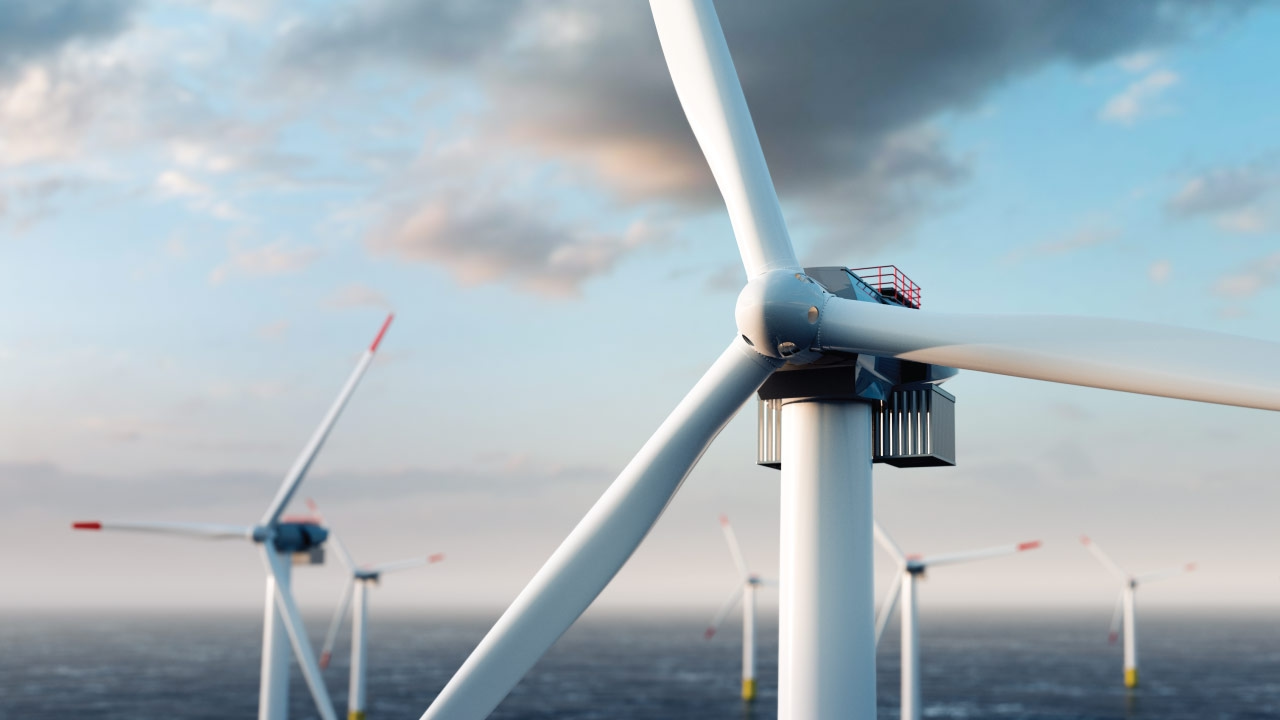
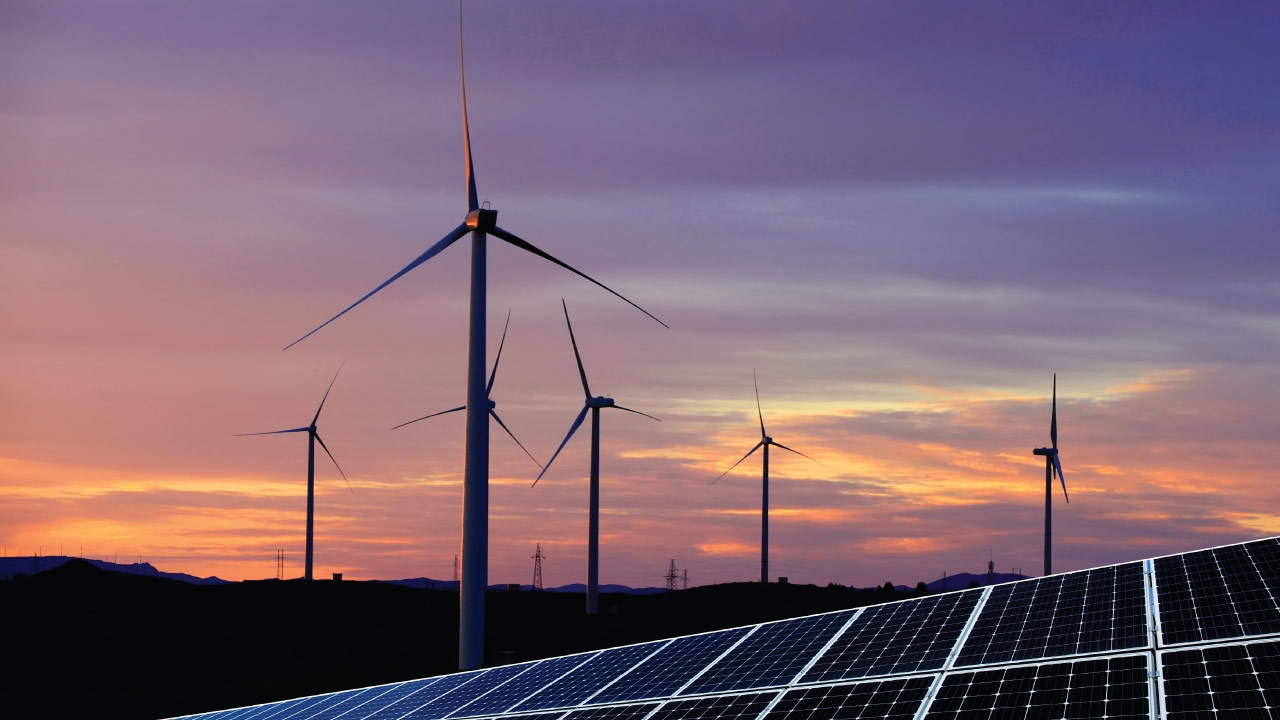
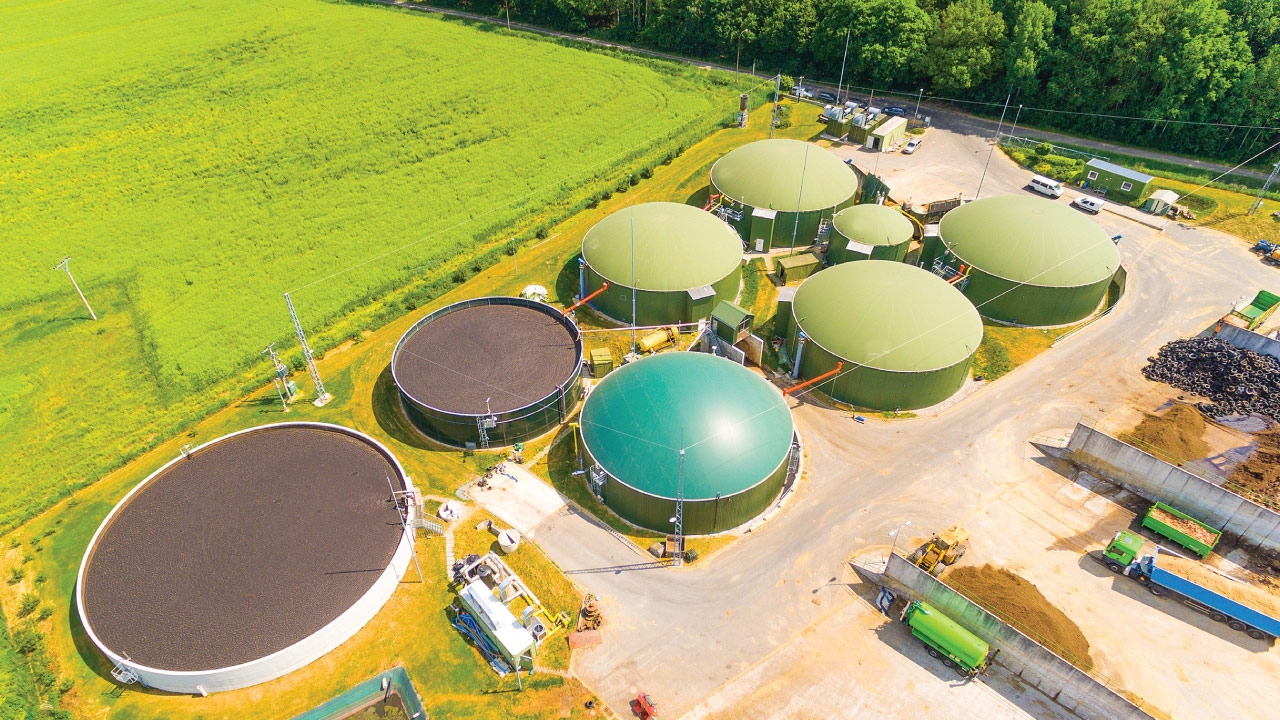
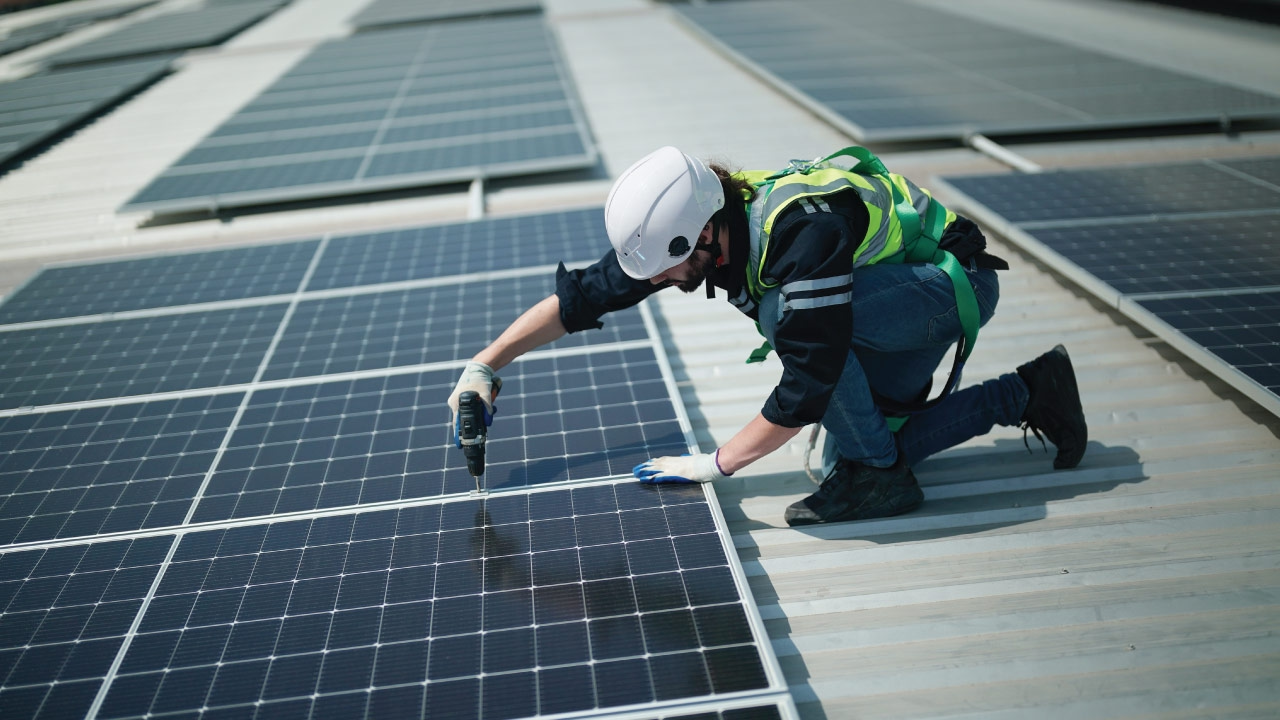
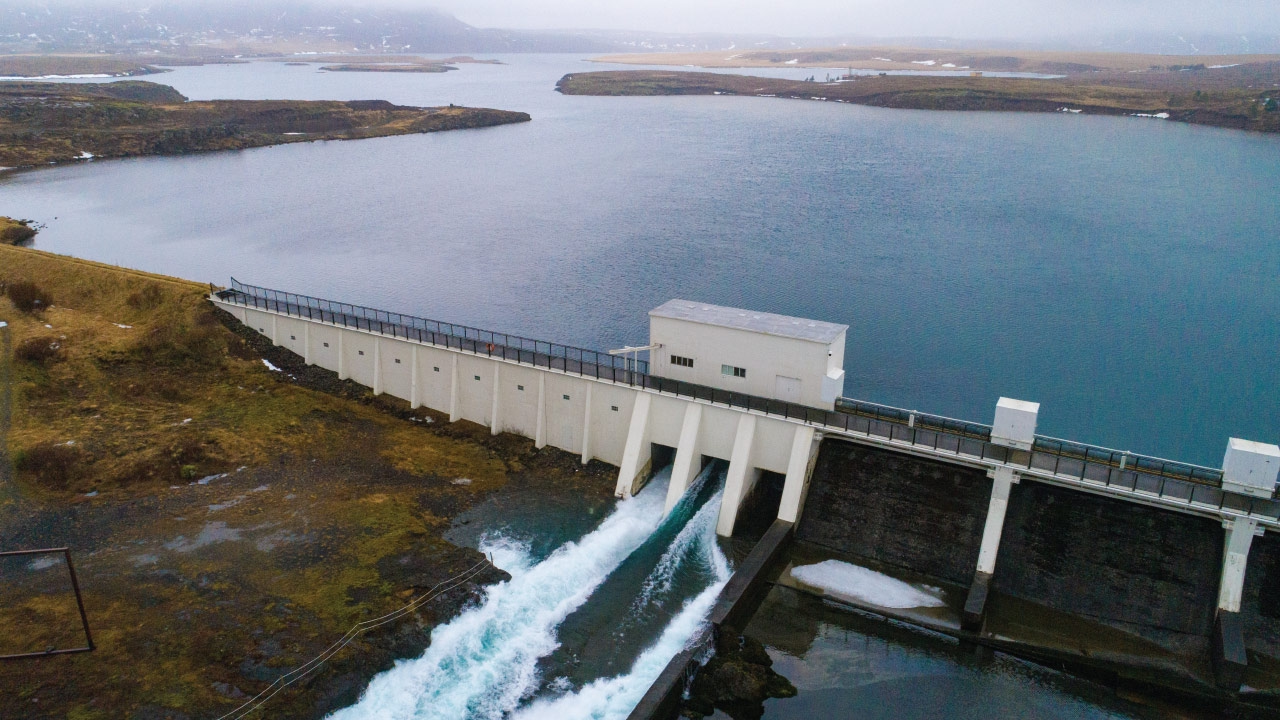
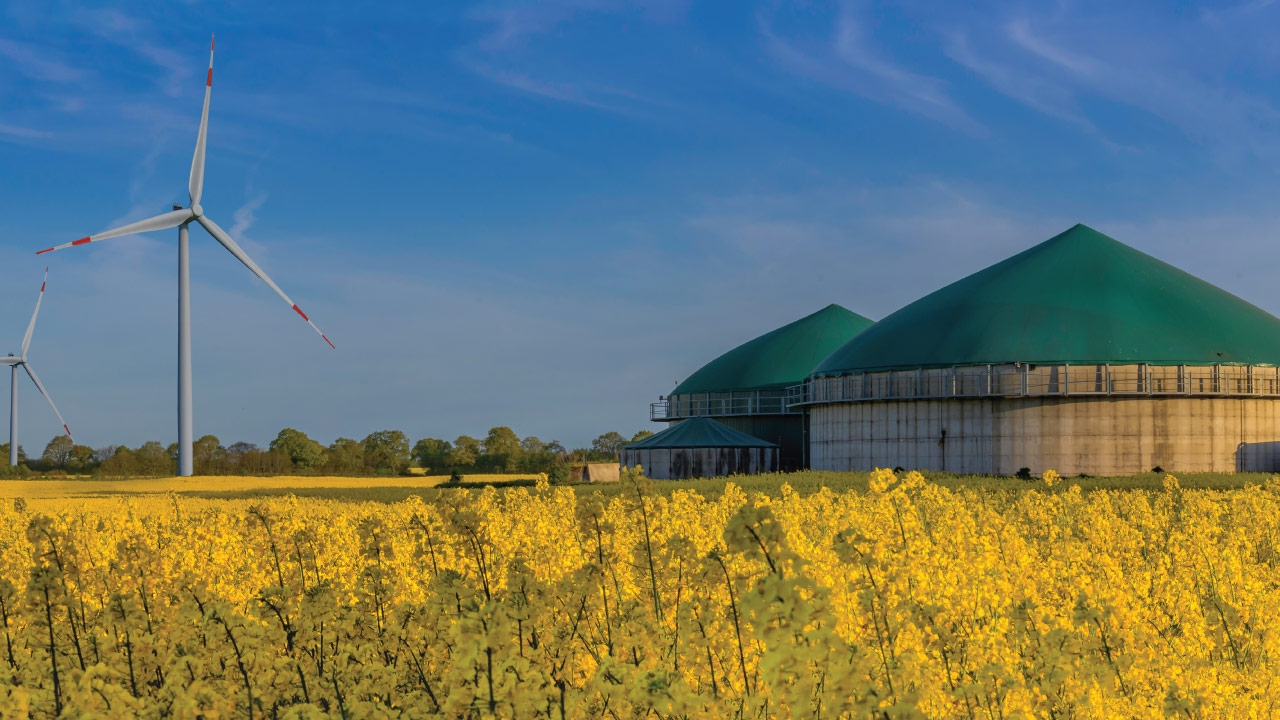
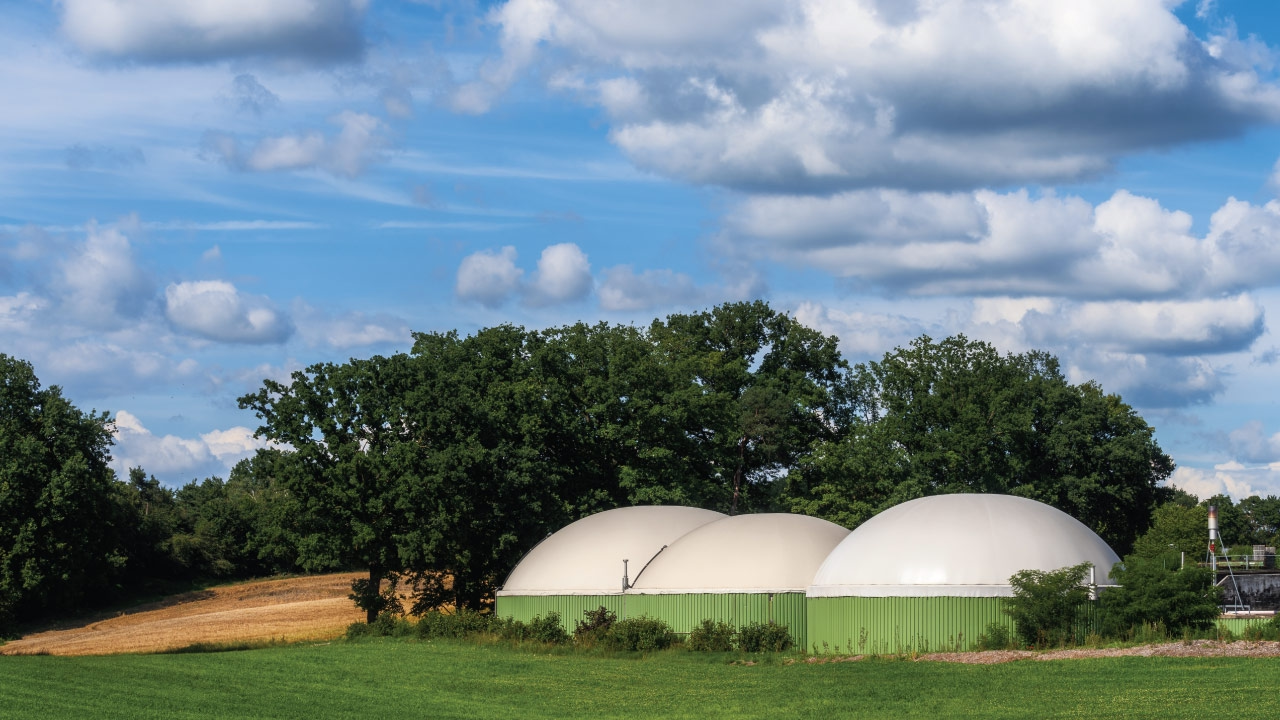
The credits are retired against registered climate projects: biogas and biomass on farms, forest restoration and REDD+, wind, solar, hydro and bio-based construction. The list below is read straight from the IMPT project register.
Descriptions come from the register itself and are published in English. Projects in India are shown first; the rest are in the app.

Buy or gift verified offsets
You do not have to book a room to fund a tonne. Both vouchers live in the IMPT app.
Worth knowing: the offset on a booking is funded by the booking. The vouchers are a separate thing you can buy or give away; a stay does not need one.
Carbon in Mumbai: questions
Does an offset make a trip zero-impact?
No. Air travel, taxis and air conditioning still use energy, and an offset does not change that. Every hotel booking made through IMPT funds one tonne of verified CO₂ offset, included in the price and reported for each trip, which is best read as a contribution to verified projects rather than a substitute for travelling lighter.
Why does carbon matter in a coastal city like Mumbai?
Much of the island city sits only a few metres above sea level, and heavy monsoon rain floods roads and slows trains. Emissions elsewhere feed sea-level rise and hotter, wetter weather here. The city's response joins drainage, transport and its mangroves and forest, so a visitor's travel choices connect to a local story about water and keeping the city moving.
Is the Metro or a taxi the better way across Mumbai?
For most long hops the suburban railway and the Metro are quicker and carry far more people per journey, which is why they handle most daily travel. Use a taxi or an auto for the last stretch, especially south of Bandra and Sion where autos do not run. Check the current network and fare rules before you set out.
When should you visit to avoid heat and rain?
The dry, pleasant season runs roughly November to February, with warm days and cooler evenings, and it is the most popular time to visit. March to May is hot and humid, and the south-west monsoon arrives around early to mid June and lasts to about late September. Dates vary each year, so check the forecast before booking.
Can visitors see flamingos in Mumbai?
Yes, on the Thane Creek mudflats, where flamingos gather roughly from November to May. The Thane Creek Flamingo Sanctuary was declared in 2015. Numbers vary by year, so check with Maharashtra Tourism or a local conservation group before planning a visit, and watch from the shore rather than taking a boat close to the flocks.
How does the national park help the city's water?
Sanjay Gandhi National Park holds the Tulsi and Vihar lakes, which supply part of Mumbai's water, and its forest cover protects the catchment that feeds them. A forested catchment releases rain slowly and holds soil in place. The park also holds the Kanheri caves, and it lies inside the city limits at Borivali, reached easily from the Western line.
Are Mumbai's beaches safe for swimming?
Swimming is unsafe at most of the city's beaches, and especially so during the monsoon, when currents and tides are stronger. Juhu, Versova, Aksa, Madh, Marve, Gorai and Girgaon Chowpatty are best treated as places to walk and watch the water. Check local advice and any notices on the beach before going near the water.
What is the lightest way to reach Elephanta?
Ferries leave the Gateway of India for Elephanta and the crossing takes about an hour, which keeps it off the roads. Monsoon suspensions are common, so check before you go, and note the caves are usually closed on Mondays. The ferry, the walk and island time add up to most of a day.
What can a visitor do for the creeks?
Carry your waste out, refuse single-use bottles where refills are available, and keep to paths and jetties rather than cutting across mud. Decline any boat trip that approaches a flamingo flock closely. Buying from local stalls and staying longer in one neighbourhood also cuts the distance travelled and keeps money in the area.
Sources: IMPT project register (platform.impt.io); UNESCO World Heritage Centre, India Meteorological Department, Maharashtra Forest Department (Thane Creek Flamingo Sanctuary), Mumbai Metropolitan Region Development Authority. Editorial review: 16 November 2026.
Book a room, fund a tonne
Photo credits: Photo on Pexels.