- Zone
- Eastern Mumbai, Central and Harbour lines
- Rail junctions
- Kurla and Ghatkopar
- Neighbourhoods
- Kurla, Chembur, Ghatkopar, Powai, Mulund, Bhandup
- When to come
- November to February
The character of the zone
The eastern suburbs stretch from the Mithi river, between Bandra and Kurla, north-east towards Mulund and Bhandup on the edge of Thane. This is the city's middle: railway junctions, old market streets, lakeside walks and some of the widest planned roads in Mumbai. Leisure visitors often pass through on the way to the airport or to Thane and see none of it. That is worth correcting, because the zone holds a lake, a flamingo creek, temple streets and food traditions that the island city does not.
The zone is easy to reach and easy to leave, which shapes how people use it. The Central line runs through Kurla, Ghatkopar, Bhandup and Mulund; the Harbour line branches south from Kurla towards Chembur and Navi Mumbai. Metro Line 1 ends at Ghatkopar, and the underground Aqua Line links the airport with the south of the city. Navi Mumbai International Airport, across Thane Creek near Panvel, opened in 2025 and is adding routes, so check which airport your flight uses.
How the neighbourhoods differ
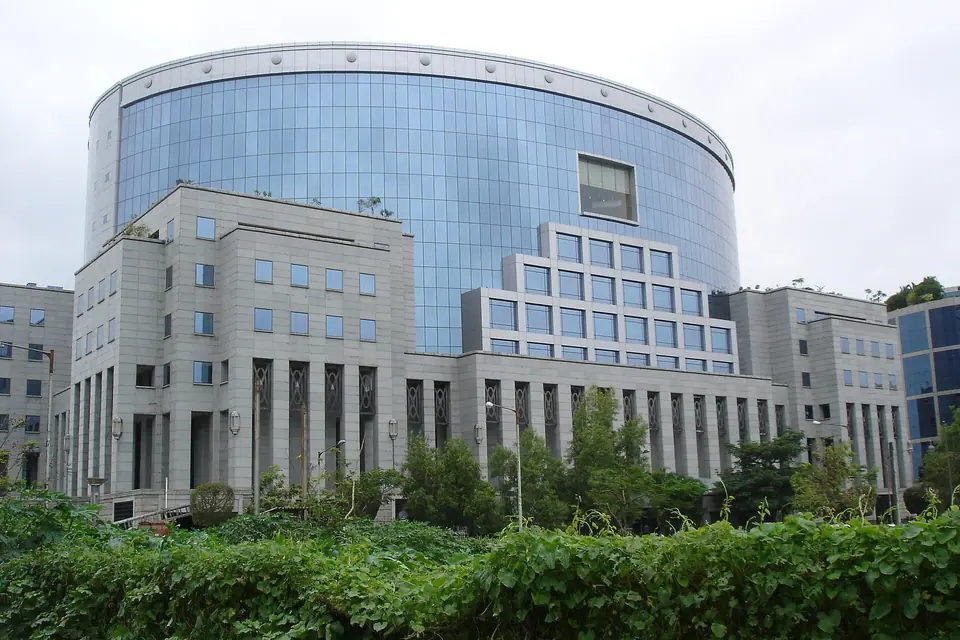
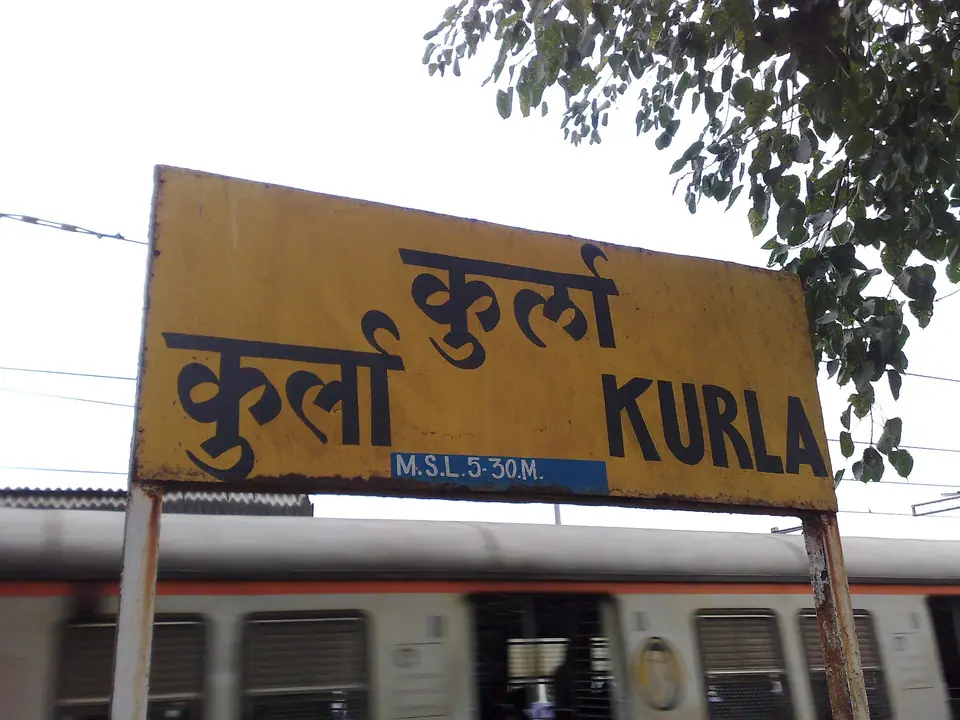
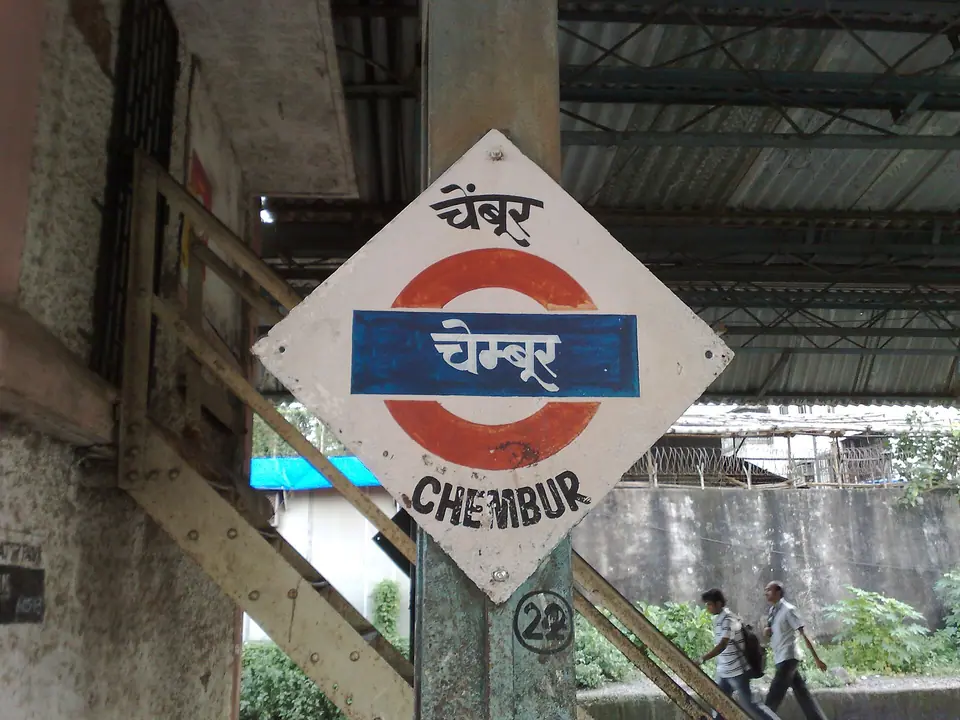
Bandra Kurla Complex is the newest piece of the zone, a planned district of wide roads laid out between Bandra and Kurla beside the Mithi river. Kurla next door is older and more crowded, a Central and Harbour line junction with the long-distance Lokmanya Tilak Terminus, where the city changes trains. Chembur, east of Kurla, keeps a greener, slower feel, with older housing colonies and a long Sindhi and Punjabi food tradition that shows in its sweet shops and its grills.
Ghatkopar is a shopping suburb with a strong Gujarati streak, its streets given over to food stalls and shop windows around the station and the Metro terminus. Powai, north of it, turns around its lake, with quieter roads along the water and a college campus on the far shore. Mulund and Bhandup form the north-eastern edge, residential belts on the Central line, close enough to Thane for an easy half-day out, with long stretches of family housing and a market street or two where the pace drops.
- Bandra Kurla Complex: wide planned roads beside the Mithi river, best walked at a weekend.
- Chembur: older colonies, temple streets and a Sindhi and Punjabi food tradition worth planning a meal around.
- Ghatkopar: the Metro Line 1 terminus and a shopping suburb with a strong Gujarati streak.
- Powai: the lake, its birds and quieter roads, a change of pace from the railway junctions.
- Mulund and Bhandup: residential streets on the Central line, close to Thane.
Getting around and distances
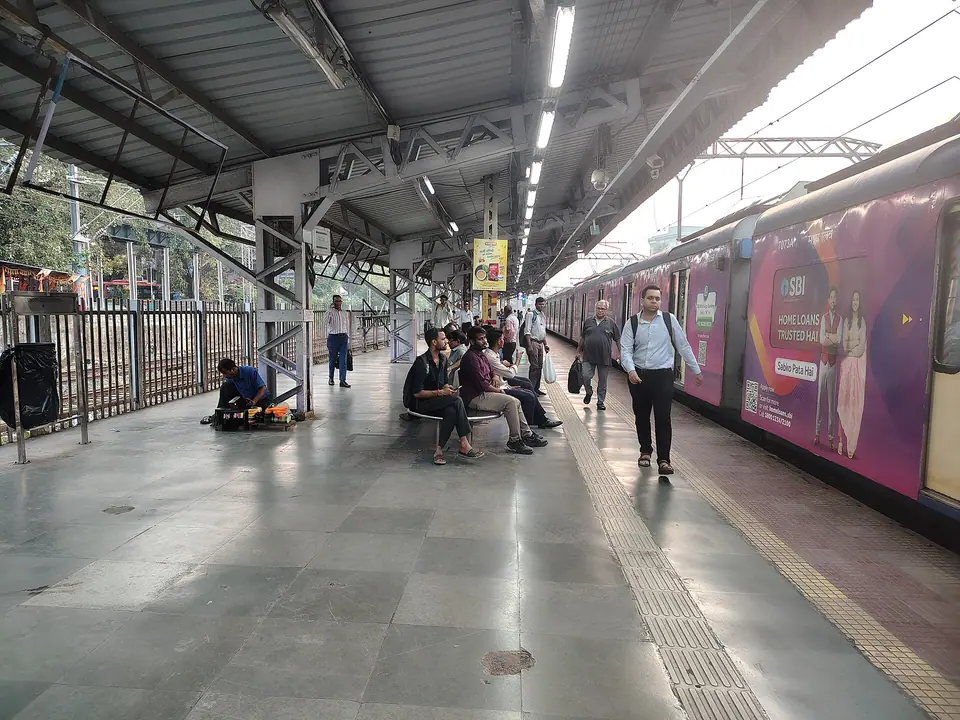
The suburban railway does most of the work here. The Central line from CSMT runs through Byculla and Dadar to Kurla, Ghatkopar, Bhandup and Mulund, while the Harbour line from CSMT reaches Kurla, Chembur and continues to Navi Mumbai and Panvel, with a branch through Bandra, Andheri and Goregaon. Trains are frequent and very crowded at peak hours; ladies' compartments and first class exist, and air-conditioned locals run on some routes. Check the current timetable for the station you need.
Metro Line 1 links Versova, Andheri and Ghatkopar, and new lines and stations keep opening, so check the current network before you plan a day. Autorickshaws are common across the eastern suburbs, unlike the island city south of Bandra and Sion, where black-and-yellow taxis and app cabs do the work. Road journeys between Chembur, Powai and Mulund can take far longer than the map suggests, and monsoon rain slows everything further, so build slack into any day that ends with a flight or a train.
What to see and eat
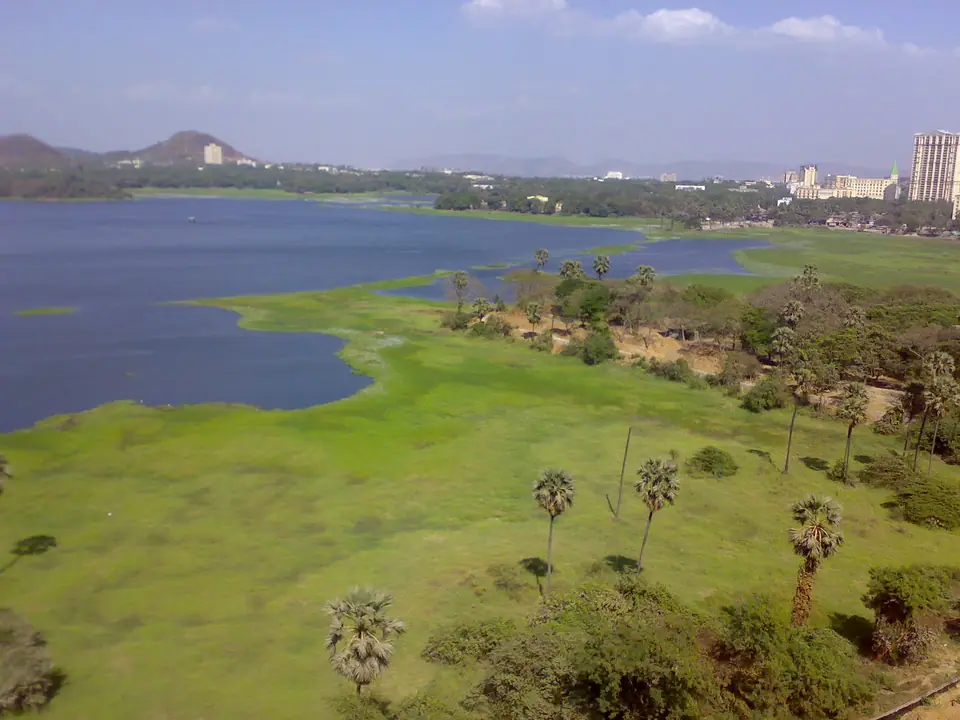
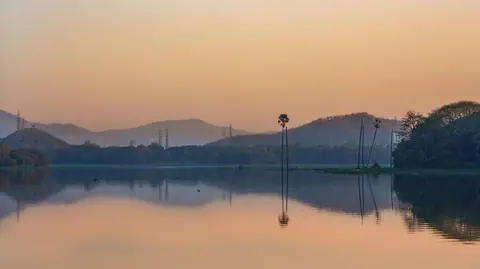
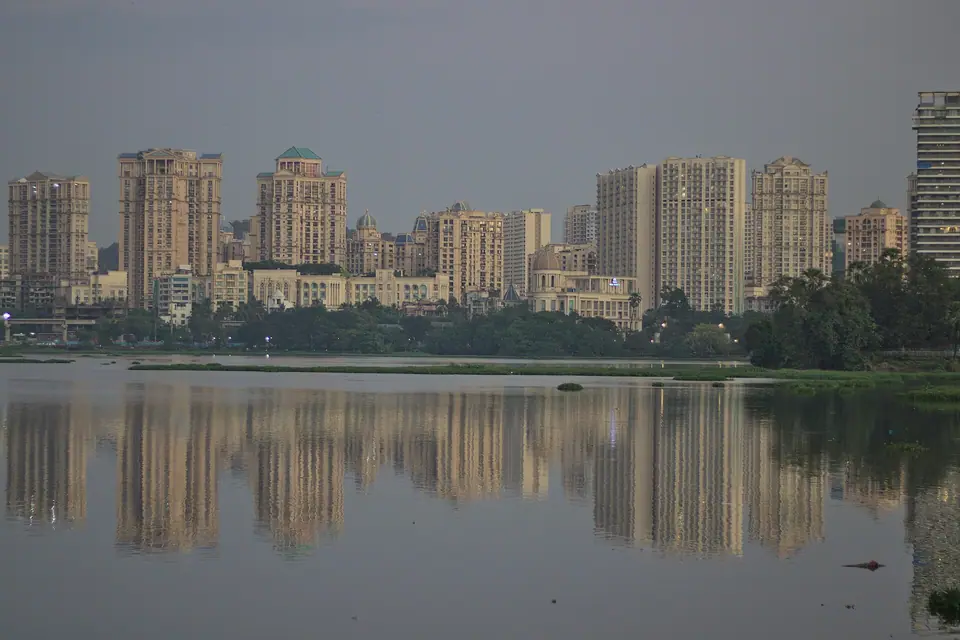
Powai Lake is the zone's quiet centrepiece, a broad sheet of water with birds along the edges and roads running around it. Further east, Thane Creek Flamingo Sanctuary, declared in 2015, draws flamingos roughly from November to May; the season shifts each year, so check before you go. Closer in, the older parts of Chembur and Kurla reward an unhurried walk: temple streets, market lanes and everyday city life that the postcard parts of Mumbai do not show.
Bandra Kurla Complex is best on a Sunday, when the wide roads empty and the banks of the Mithi river become a place to walk. Ghatkopar and Mulund are for shopping and food rather than monuments, and a half-day in Thane is easy by train. For the headline sights, the Central line runs straight to CSMT, from where the Gateway of India, the Victorian Gothic and Art Deco ensemble and the museums around Kala Ghoda are within reach; Sanjay Gandhi National Park is a longer run north.
Food is part of the sightseeing here. Chembur's Sindhi and Punjabi kitchens sit alongside Maharashtrian snack stalls, and Ghatkopar's Gujarati streak shows in its thali houses and farsan shops. The street food of the zone is the street food of the city: vada pav, pav bhaji, misal pav, bhel puri and cutting chai, eaten standing up and usually within sight of a station. Ask what is fresh that day and follow the queue; in these neighbourhoods the busiest counter is rarely the wrong one.
- Walk the roads around Powai Lake early in the morning, when the birds are on the water.
- Time a visit to Thane Creek Flamingo Sanctuary between November and May, and check the season first.
- Ride the Central line to CSMT for the Gateway of India and the Victorian Gothic and Art Deco ensemble.
- Spend a Sunday on the wide roads of Bandra Kurla Complex, beside the Mithi river.
- Eat a Chembur meal of Sindhi and Punjabi cooking, with vegetarian and meat dishes side by side.
Who should stay, and practical tips
Powai suits visitors who want lake air, quieter evenings and a slower start to the day, with the railway a short ride away. Kurla and Ghatkopar suit anyone who wants to be on a fast train line, with food and shopping within walking distance of the station. Chembur suits families and longer stays, with a greener, roomier feel than the junctions. Mulund and Bhandup suit travellers who need to be near Thane or who are heading out of the city to the north-east.
November to February is the comfortable stretch, with warm days and cooler evenings; March to May is hot and humid, and the monsoon arrives around early to mid June, when low-lying roads flood and trains slow. UPI phone payments are everywhere and many places take cards, but carry some cash. The older neighbourhoods are lived in, so visit quietly and dress as you would in any residential area. Festival dates move each year with the Hindu, Islamic and Christian calendars, so check before you plan around one.
Editorial review: 16 November 2026 · imptmumbai.in, written with AI assistance (see the editorial policy).