- District
- Western suburbs of Mumbai
- Nearest airport
- About 5 km to BOM
- Beach
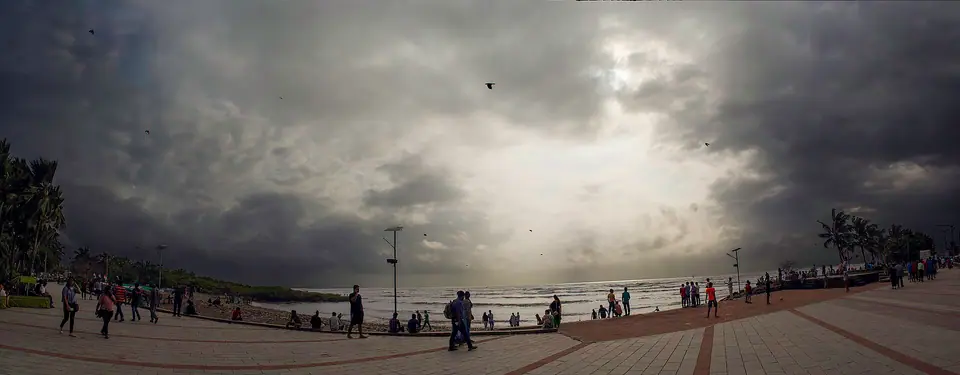
- Long sand on the Arabian Sea
- Places to stay
- 32 listed on this site
A beach suburb with a film streak
Juhu began as a coastal settlement of fishing families, one of several along this stretch of the Arabian Sea, and stayed low and green for a long time. Over the twentieth century it turned into a suburb of bungalows and, later, apartment blocks. Its reputation came from two things: the long beach and the film families who built houses in the lanes behind it and were seen on the sand in the evenings. That mix of ordinary neighbourhood life and screen-world fame still shapes the place.
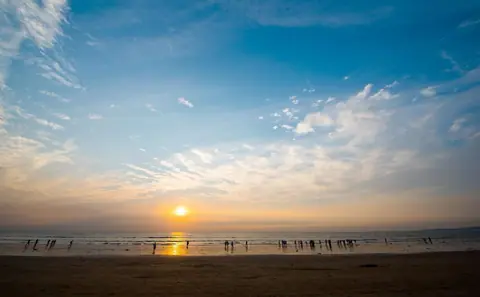
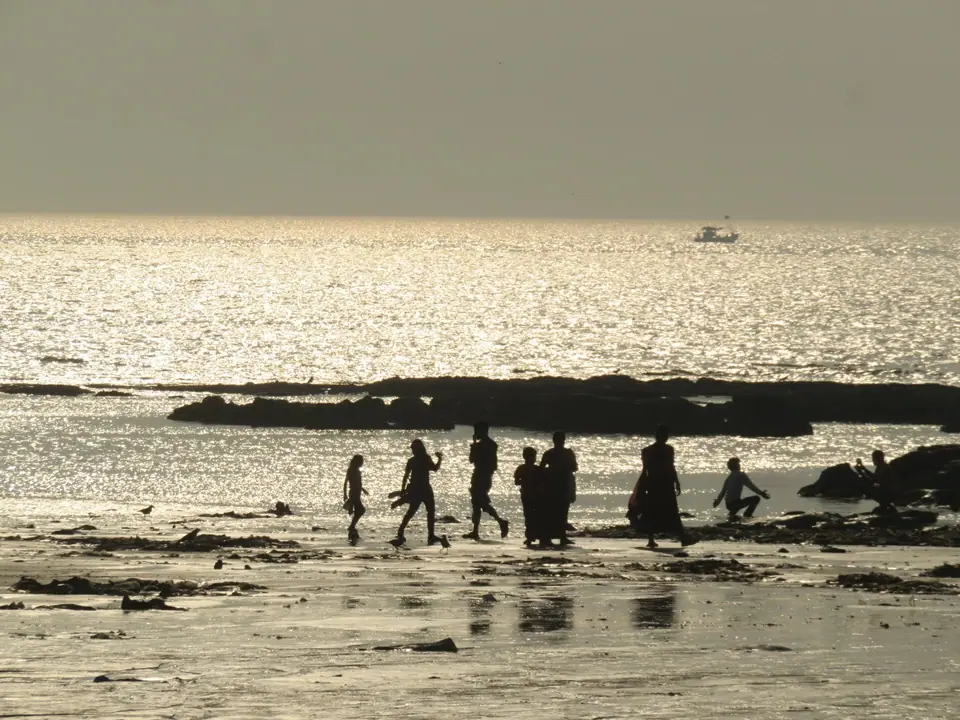
Today Juhu is a working suburb with a resort feel at its edge. The beach draws walkers at first light, families in the late afternoon and a food crowd after dark. Behind the sand, the lanes hold bungalows, small apartment buildings, schools and a historic airfield that was the city's first airport. It is not a polished district; you will find broken pavements, tangled wires and a lot of life. The sea is the reason most visitors come, and the reason to stay.
A first walk through Juhu
Start where the main beach road meets the sand, in the late afternoon when the heat lifts. Walk north with the sea on your left and the food stalls on your right, past families flying kites, groups playing cricket and vendors with carts of corn and ice. Keep going until the crowd thins, then turn inland into the lanes. This is the old Juhu of low gates, leafy compounds and bungalows behind walls. Walk quietly; people live here.
Come back to the beach road as the light goes and the stalls switch on. The evening circuit is simple: a plate of something fried, a cold drink, a walk to the water's edge and back. Turn south towards the busier end for the fullest stalls and the loudest games. Finish with a cutting chai from a roadside counter and watch the last of the daylight go. There is no need to rush any of it.
What to see and do with children
Beyond the sand, Juhu is mostly a place for slow wandering. The beach itself is the main sight: wide at low tide, narrow and rough at high tide, and never empty. Children can dig and run at the water's edge under supervision, but the currents are not for swimming. Inland, the lanes reward a wander on foot, with old bungalows, garden walls and the occasional film-world landmark pointed out by residents. A temple compound off the main beach road is a calm stop.
Plan around the heat. Early mornings and the last hours before sunset are the comfortable times; the middle of the day is for shade, food or a museum trip into the city. The historic airfield on the northern side is a landmark of the suburb's early flying days, though it is a working airfield rather than a visitor attraction. For the wider city, the heritage sights of the south are a half-day trip, and Bandra is close enough for an evening out.
- Walk the sand early, when the beach is at its quietest and the light is soft.
- Let children paddle at the shallow edge at low tide, with an adult close by.
- Look for old bungalows and garden walls in the lanes behind the beach road.
- Spend a hot afternoon at a gallery, a bookshop or a repertory theatre in the lanes.
- Take a half-day trip south for the Victorian and Art Deco buildings around the Oval Maidan.
Eating on and off the sand
Juhu eats well and casually. The beach stalls are the first stop: bhel puri mixed to order, sev puri, pani puri, ragda pattice, dabeli and pav bhaji, with kulfi and falooda for the walk back. Behind the sand, the beach road and the lanes have small counters for kanda poha, misal pav, vada pav and Bombay sandwiches, plus Irani-style cafés for chai, bun maska and brun pav. Expect plastic chairs, quick service and queues at peak times.
Seafood is the other reason to eat here. Bombay duck (bombil), surmai, pomfret, prawns and clams appear fried, curried and grilled in family dining rooms along the beach road and the main junctions. Parsi and East Indian kitchens add dhansak, akuri, berry pulao, fugias and sorpotel, and a few places serve the Konkan and Malvani styles of the coast. Vegetarians are well looked after almost everywhere. For a quieter meal, go at lunch, before the evening beach crowd builds.
- Order bhel puri at a beach stall and eat it standing up, as everyone does.
- Try a cutting chai with bun maska in the middle of the afternoon.
- Ask for the day's seafood and take it fried, with a squeeze of lime.
- Look for thalipeeth or sabudana khichdi at a Maharashtrian counter.
- Carry some cash for the smallest stalls, and expect phone payment at bigger places.
Getting there and around
Juhu sits about 5 km from Chhatrapati Shivaji Maharaj International Airport. Terminal 1, on the Santacruz side, is the nearer of the two terminals, and Terminal 2 at Sahar is a slightly longer run around the airfield; check which one your flight uses before you land. Navi Mumbai International Airport, across the harbour, is roughly 28 km away. Travelling by road is the practical option, with taxis and app cabs from both terminals and a run that is short in the middle of the day and slow in the peaks.
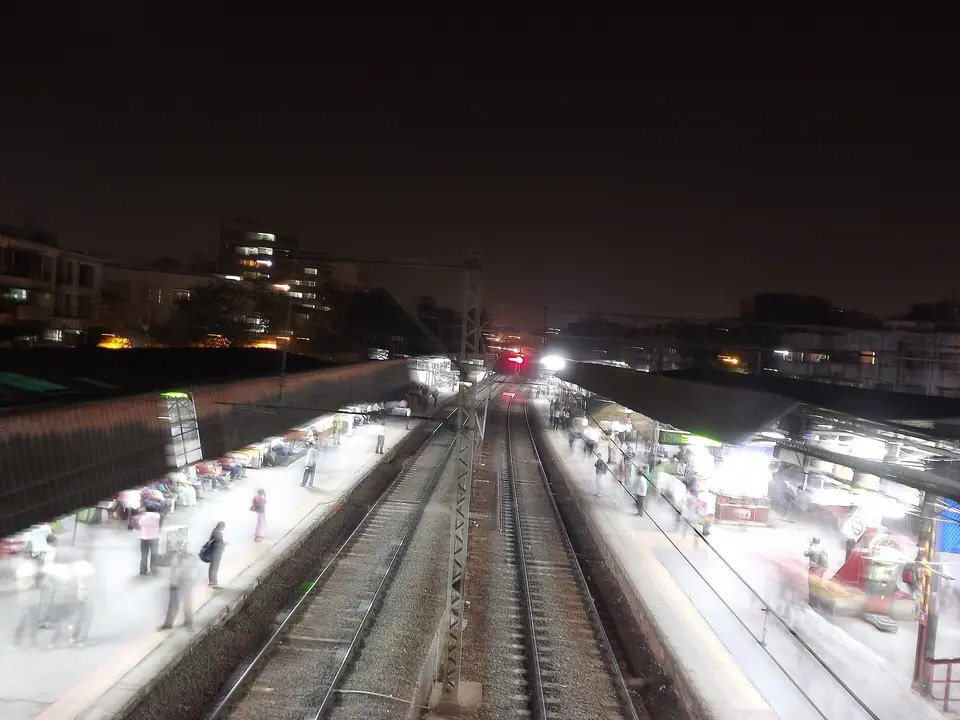
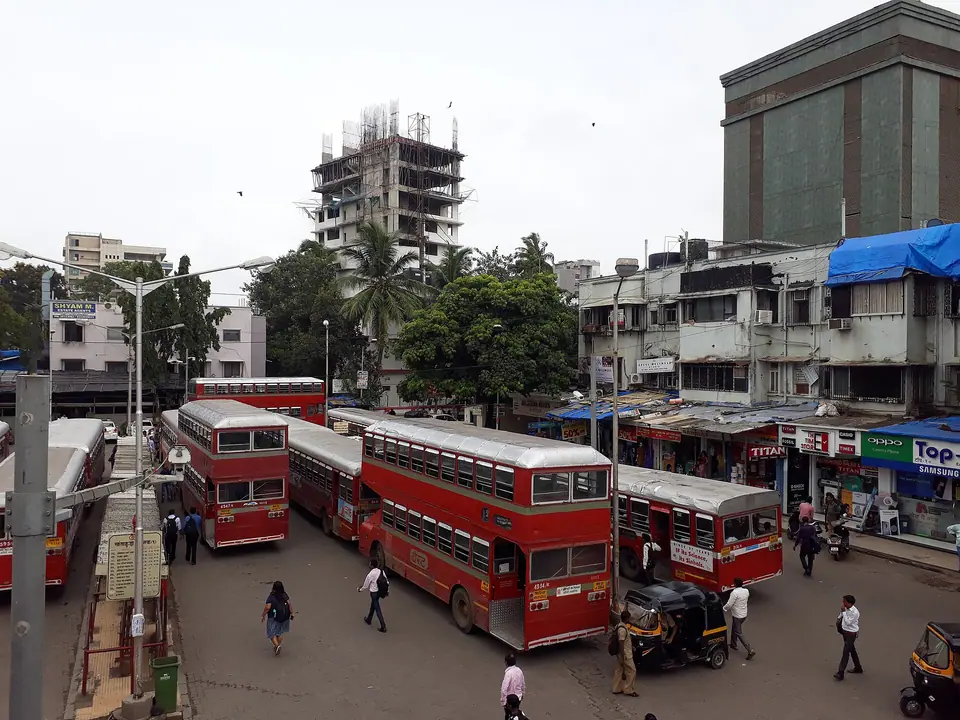
For the rest of the city, the suburban railway does the heavy lifting. The nearest Western line stations are at Andheri and Santacruz, a short ride away, and they connect to Bandra, Dadar and Churchgate. Andheri is also the metro interchange for Ghatkopar and the western suburbs; new lines keep opening, so check the current network before relying on a route. Autorickshaws, black-and-yellow taxis and app cabs all work in Juhu, unlike the island city south of Bandra. CSMT is about 18 km and the Gateway of India about 20 km, best done as a day out.
Choosing where to stay
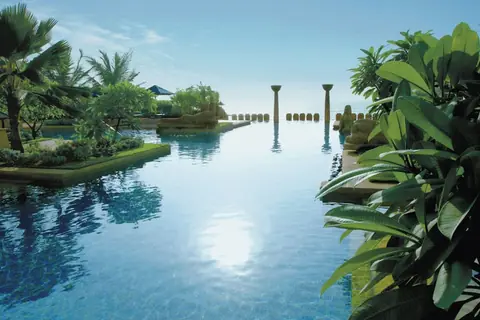
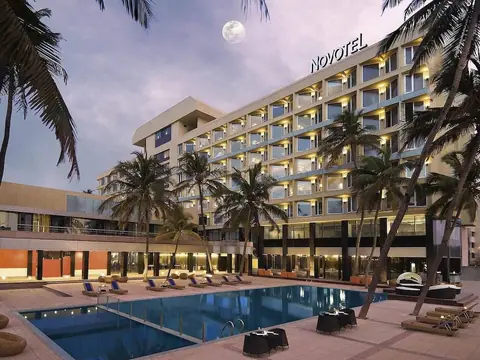
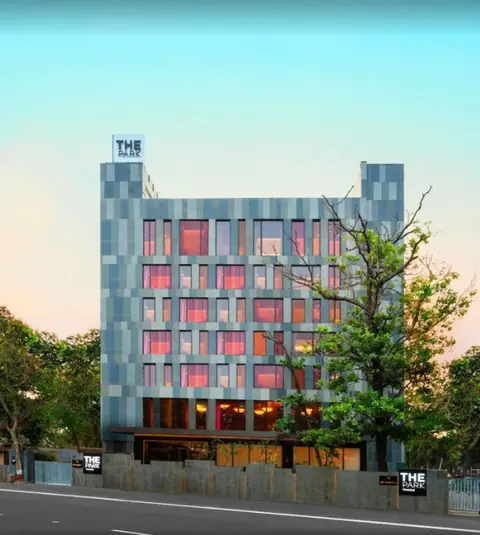
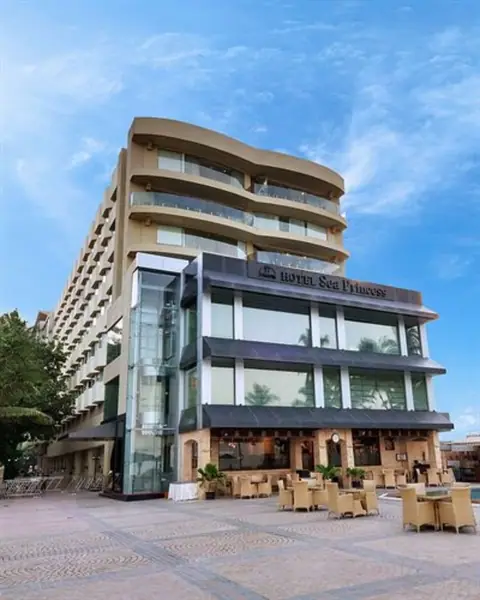
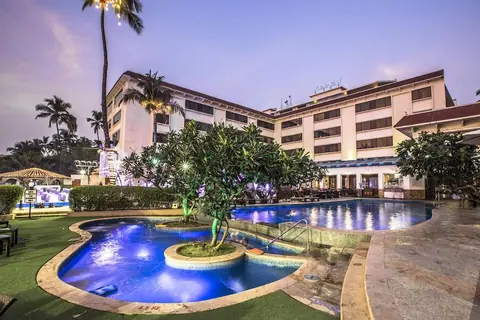
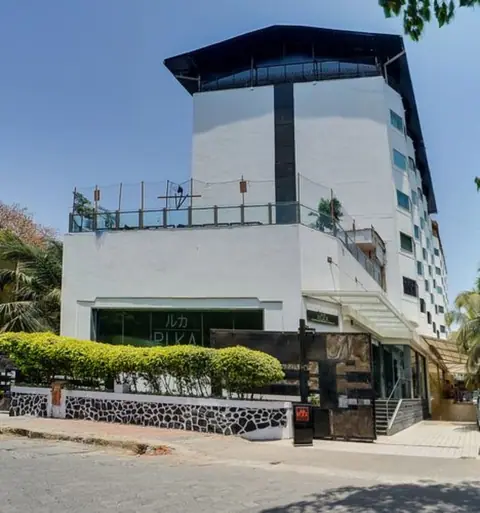
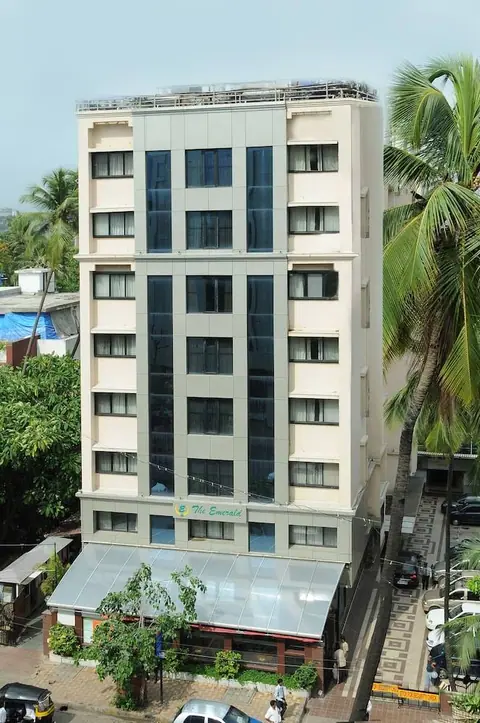
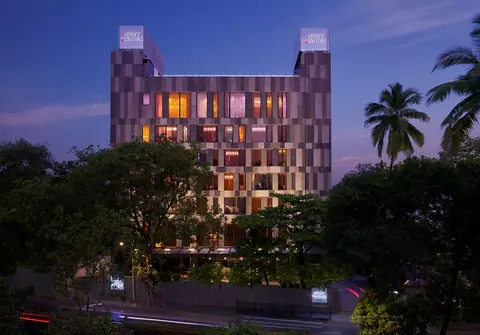
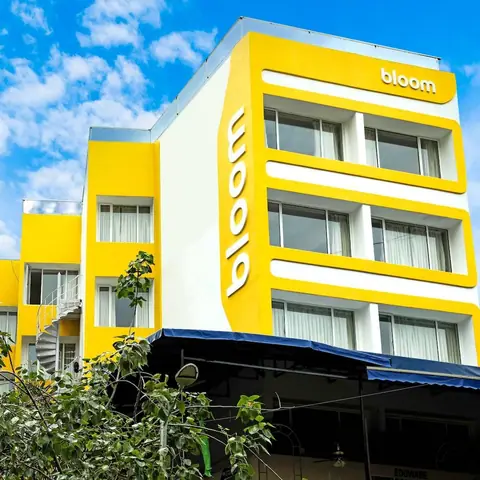
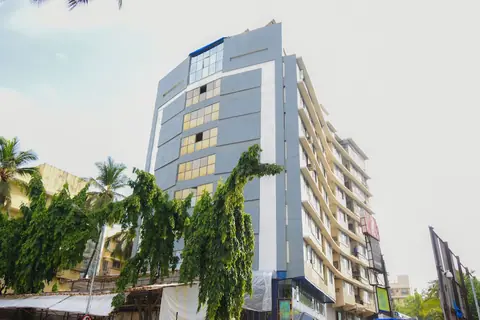
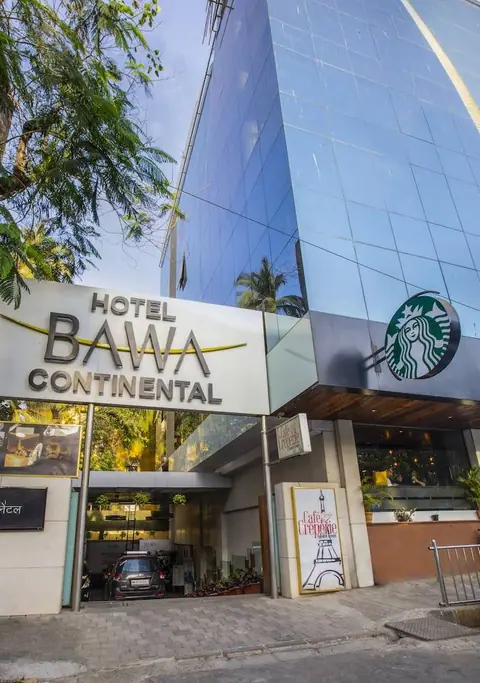
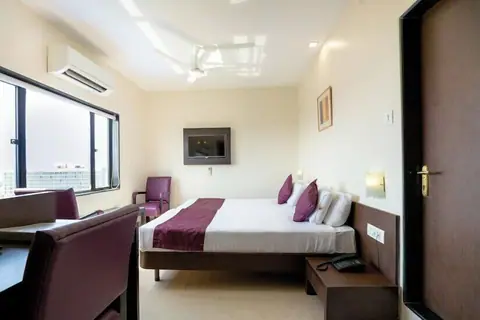
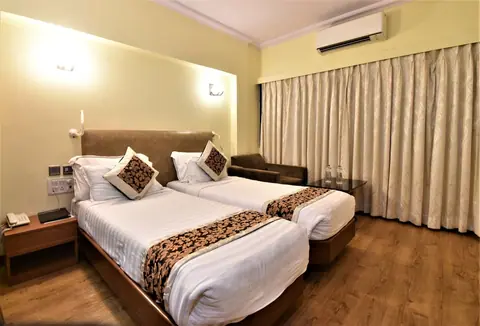
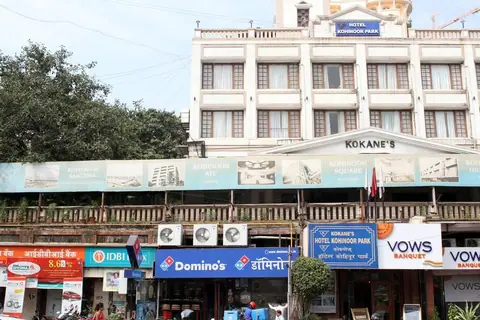
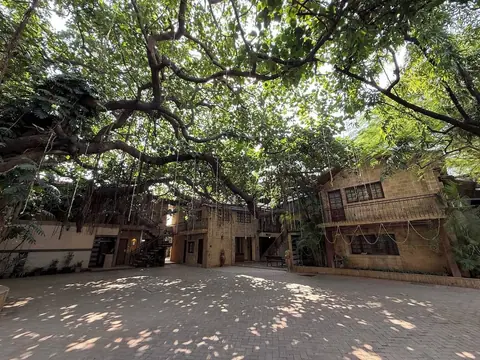
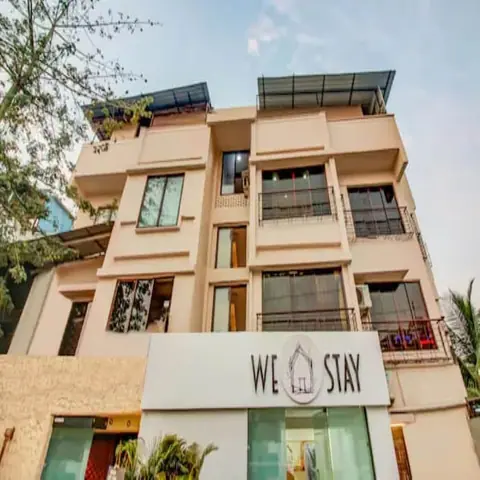
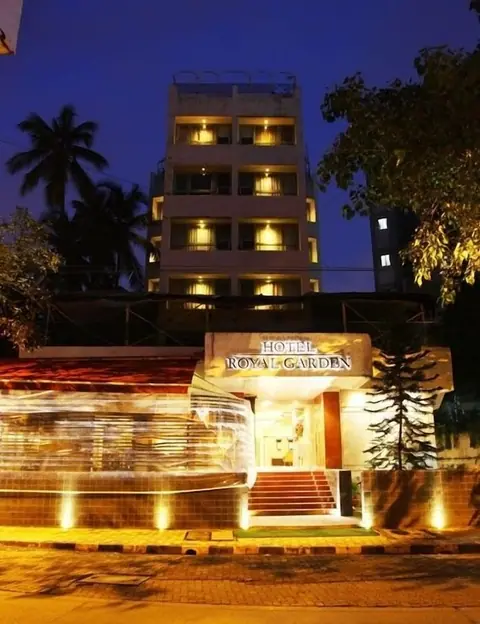
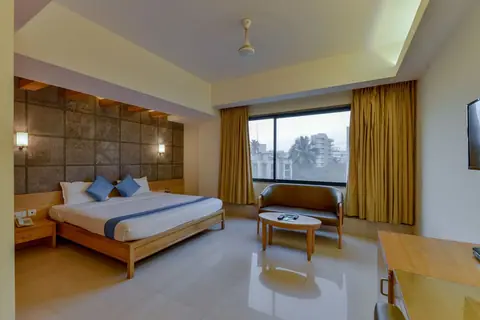
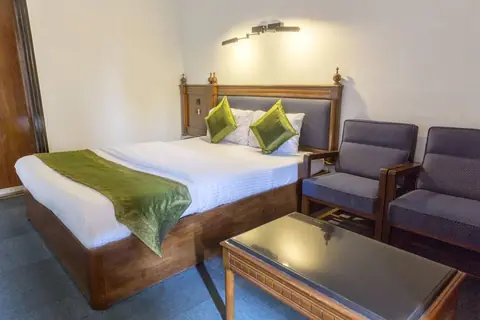
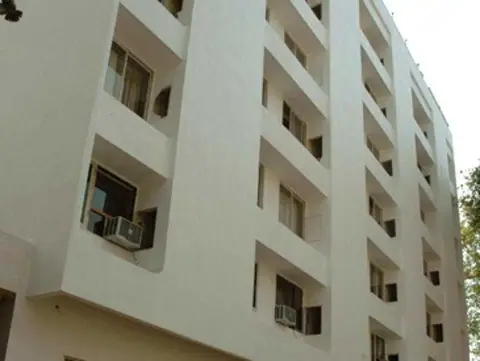
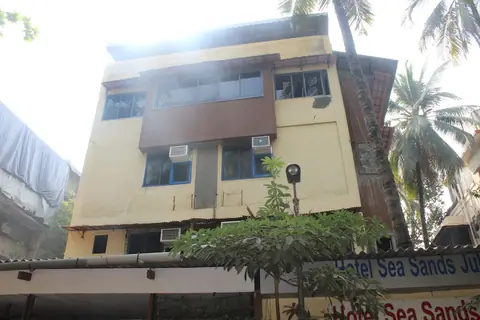
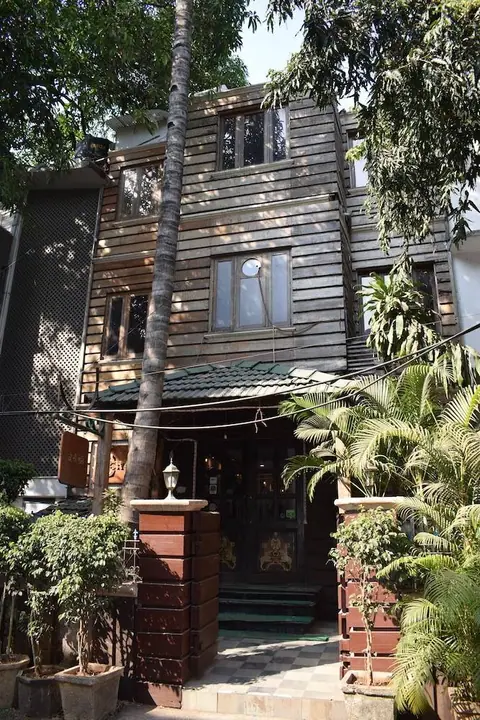
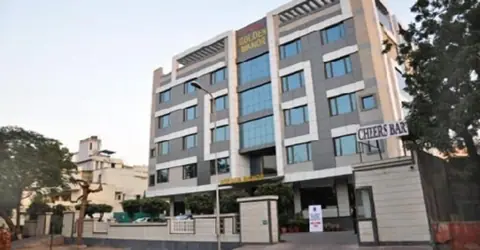
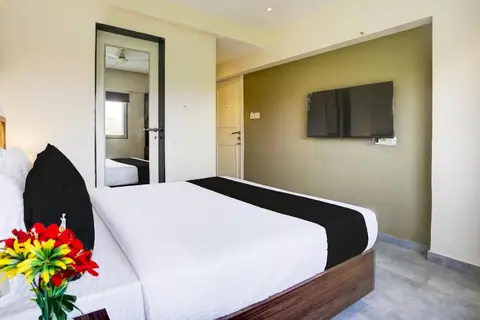
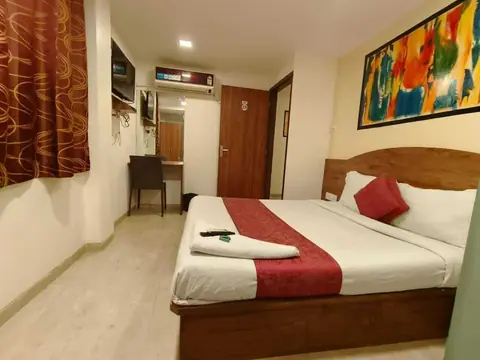
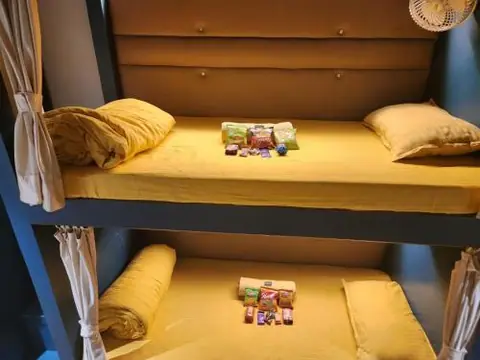
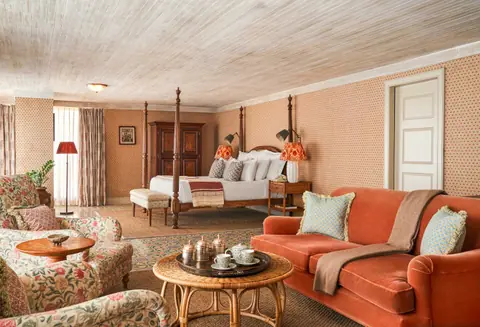
Juhu has 32 places listed on this site, and they fall into a few kinds: large beach-facing hotels with pools and restaurants, smaller guesthouses and serviced apartments in the lanes, and a handful of mid-range places on the beach road. Beach-facing rooms bring the sea view and the evening noise; rooms set back in the lanes are quieter and usually less expensive. Family rooms are common. Check the walk to the sand on a map before booking, because some addresses called Juhu are a fair way inland.
Think about how you want to spend the day. If the beach and early nights matter most, stay within walking distance of the sand and eat locally. If you plan several day trips to the south, being near Andheri station or the metro saves long rides. Families often prefer the quieter lanes; couples and solo travellers do well on the beach road. December and January are usually the busiest weeks, so book ahead, and check each property's own details for check-in times and facilities.
Editorial review: 16 November 2026 · imptmumbai.in, written with AI assistance (see the editorial policy).