- Location
- Western suburbs, north of Bandra
- Airport
- About 3.8 km to BOM
- Railway
- Western line, between Bandra and Vile Parle
- Comfortable season
- November to February
A suburb with an old name
The name Santacruz is Portuguese for Holy Cross, a reminder of the centuries when this coast was held by the Portuguese before the English took over the islands to the south. The suburb sits on Salsette, north of Bandra, and grew along the Western railway line as Bombay's population spread outwards. What was fields and villages became a grid of lanes, shops and mid-rise buildings, close enough to the island city for a daily commute but far enough to keep its own tempo.
Santacruz has long been home to East Indian Catholic families, and their churches and feast days still shape the year in the quieter lanes. Later came Parsi, Gujarati and Marathi households, and the suburb settled into a comfortable mix of long-standing residents and newcomers. The airport's older terminal stands on the Santacruz side, so aircraft pass low over parts of the suburb; some neighbourhoods hear them, others barely notice. That mix of village memory and city convenience is the character of the place.
A first walk through Santacruz
Begin at the west side of Santacruz station, where the day's traffic gathers: commuters, schoolchildren, hawkers with fruit and flowers, and the smell of frying from the tea stalls. Walk west along the main road (S V Road) and turn into any lane that leads towards the sea. The grid is loose and forgiving; you will not get badly lost, and the streets change character quickly from shopping to quiet residential. Allow an hour or two, with stops.
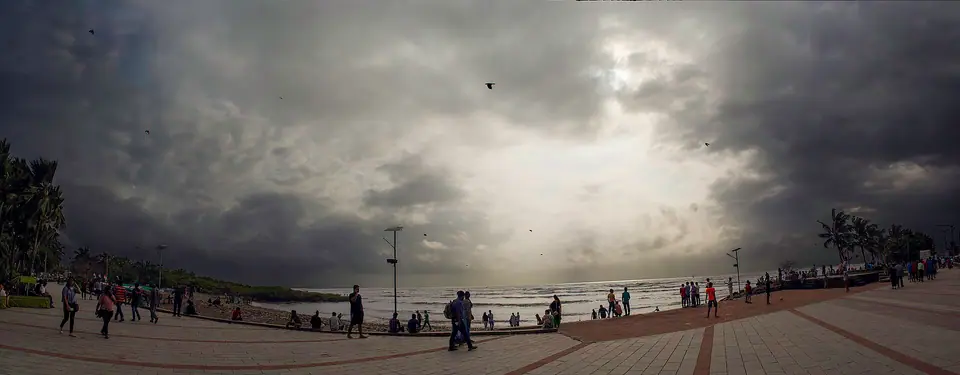
Head on and the buildings shrink: low compounds, verandas, old trees, a church or two, a school ground, a park where walkers circle in the early morning. Morning is the best time, before the heat and the traffic build; late afternoon is good too, when the light softens and the tea stalls fill again. End near the shore, where the air changes and the seafront lanes lead north towards Juhu. Carry water, wear shoes that cope with uneven pavements.
- Start at the station's west exit, where the market lanes are busiest in the morning.
- Look up at the older houses: wooden balconies, tiled roofs, small gardens behind low walls.
- Stop for a glass of cutting chai and let the morning traffic pass.
- Walk as far as the shore lanes, then return by a parallel street for a different view.
What to see and do, with children
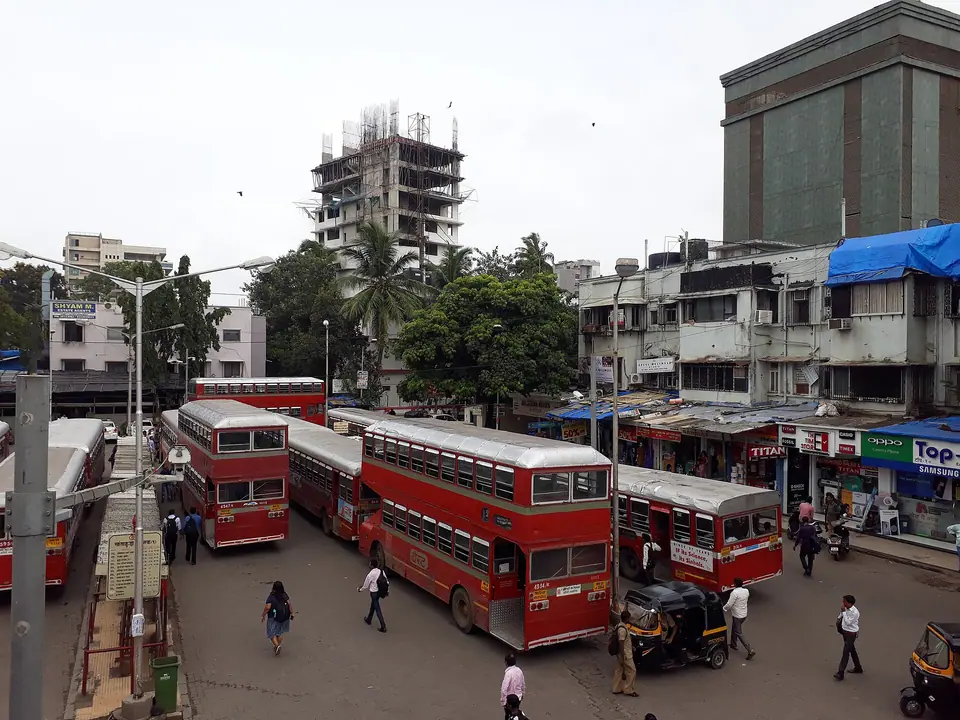
Santacruz is not a sightseeing suburb, and that is the point. What there is to see is ordinary Mumbai going about its day: vegetable markets stacked with greens, tailors and repair shops, temples tucked between buildings, churches with whitewashed walls, and the constant small commerce of a residential quarter. Wander without an agenda and the place rewards you with detail. For monuments and museums, use the train; the island city's heritage is a straightforward ride south, and the wider city has far more than a day can hold.
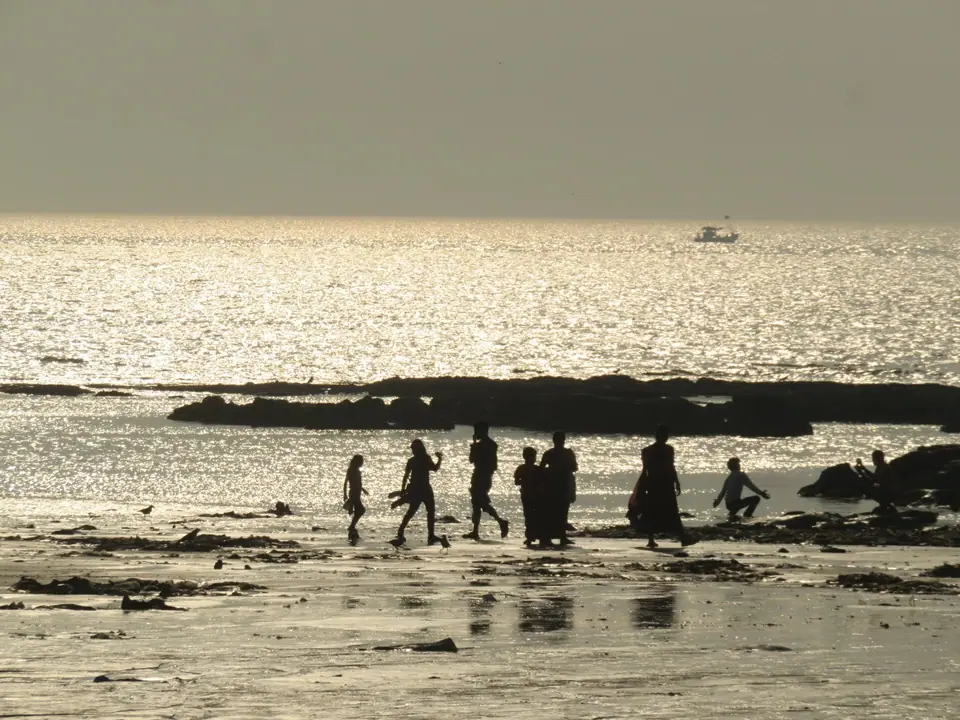
With children, keep the plan simple and local. The beaches at Juhu and Versova are a short ride away, and children enjoy the sand and the open space; swimming is unsafe at most of the city's beaches, especially in the monsoon. Bandra, one stop south, has Bandra Fort at Land's End and the Bandstand seafront, both easy to visit with children. Further afield, the science centre at Worli and the zoo and museum at Byculla suit a longer day out. Check opening days and timings before setting off.
- Bandra Fort, the Bandstand seafront and Mount Mary Basilica make an easy half-day south.
- Juhu's sands are close; keep children out of the water, especially in the monsoon.
- The city's bigger museums and the zoo are a train ride away; check days before going.
- Local markets in the morning are a gentle introduction to the neighbourhood for children.
Eating in Santacruz
Eating in Santacruz means eating what the neighbourhood eats. Street stalls turn out vada pav, bhel puri, sev puri, pav bhaji and ragda pattice; the smell of kanda poha and frying puris marks the morning. Small places serve Maharashtrian plates of misal pav, thalipeeth and sabudana khichdi, and Parsi kitchens offer dhansak, akuri and berry pulao. Seafood is Konkan and Malvani in style: bombil, surmai, pomfret and prawns, with tisrya clams in a sharp curry. Irani café habits survive in chai and bun maska.
Timing matters. Mornings are for poha, chai and breakfast plates; lunch is a quiet, unhurried affair in family places; the evening brings the queues at street stalls and the family crowds at ice cream and kulfi counters. Vegetarians are well served almost everywhere, and Jain preparations can usually be discussed if you ask. Choose busy stalls over empty ones, drink filtered or sealed water, and carry some cash alongside a phone for UPI payments. East Indian families make bottle masala, fugias and sorpotel at festival time.
Getting there and around
Santacruz's great advantage is the airport. The older terminal on the Santacruz side is the closest, roughly 3.8 km in a straight line from the suburb's centre; the larger terminal at Sahar, in Andheri East, is a little further but still a short ride. Confirm which terminal your flight uses before leaving, since the two are some distance apart. App cabs and the black-and-yellow taxis that serve this part of the city both work; allow extra time in the monsoon and at peak hours.
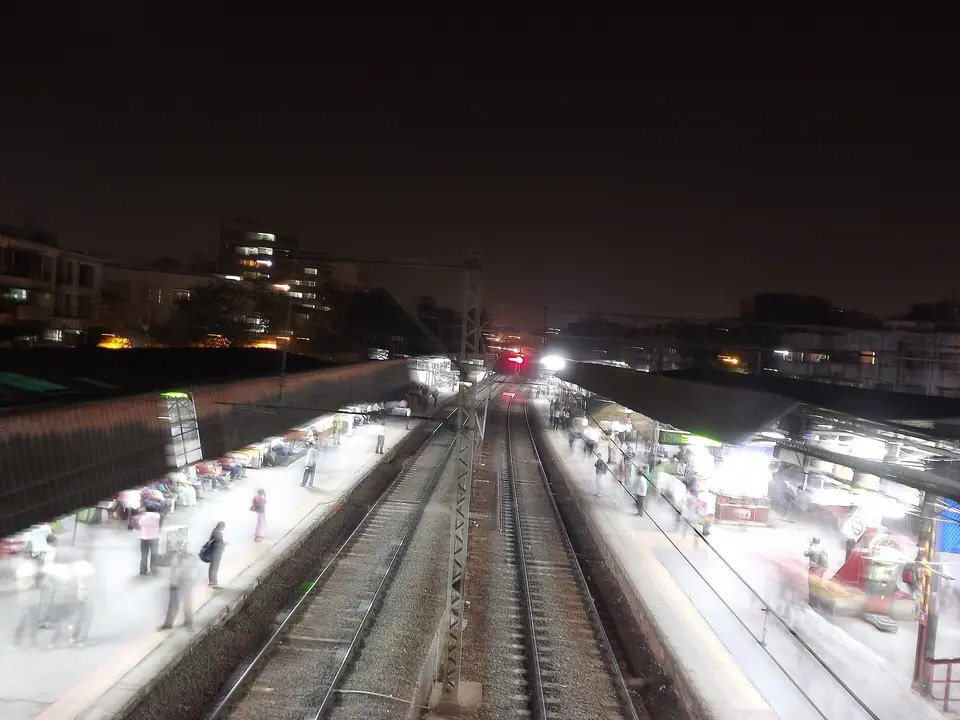
The suburban railway is the backbone: Santacruz sits on the Western line between Bandra and Vile Parle, with fast and slow trains to Churchgate and the northern suburbs. Peak hours are very crowded; ladies' compartments and first class help, and some routes have air-conditioned locals. Autorickshaws are common in the suburbs, unlike the island city south of Bandra and Sion, and app cabs fill the gaps. The metro network keeps growing, with the underground Aqua Line linking the airport area to BKC, Worli and the Churchgate area; check the current network before relying on it.
Practical tips and where to stay
A few practical habits make Santacruz easy. Carry some cash, because UPI phone payments are everywhere but small stalls and roadside sellers may prefer coins and notes. Heavy monsoon rain floods low-lying roads and slows the trains, so keep plans loose from June to September. The suburb is residential: keep voices low in the lanes in the evening, ask before photographing people and shopfronts, and dress modestly when visiting temples and churches. Check opening days, festival dates and timetables before you go, since these change.
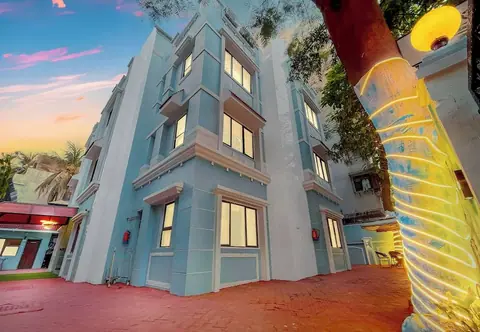
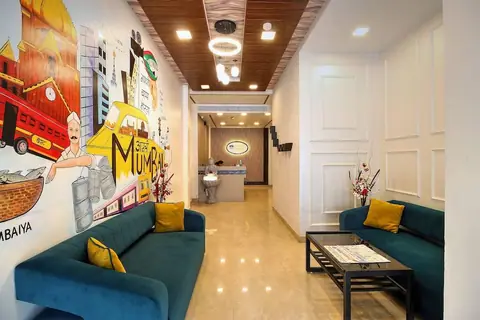
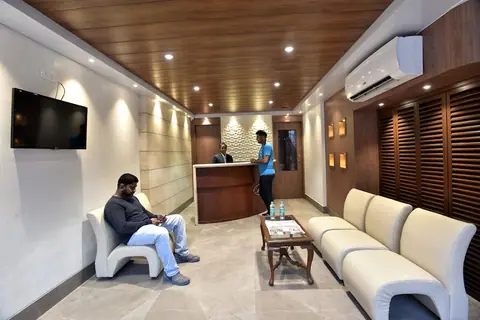
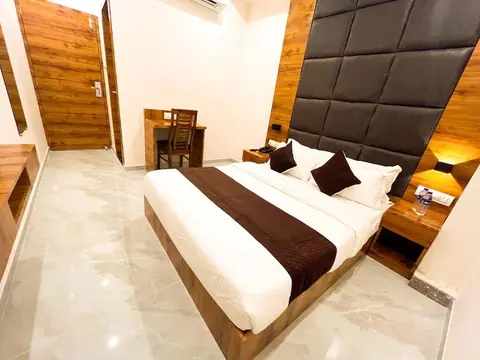
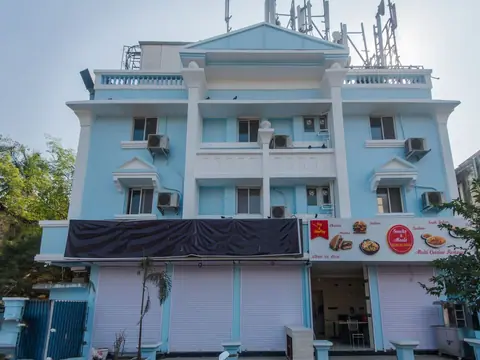
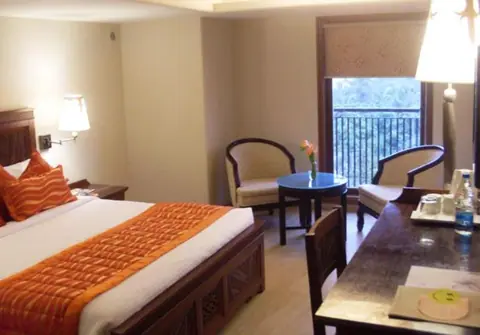
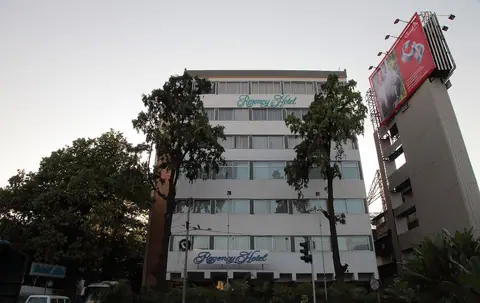
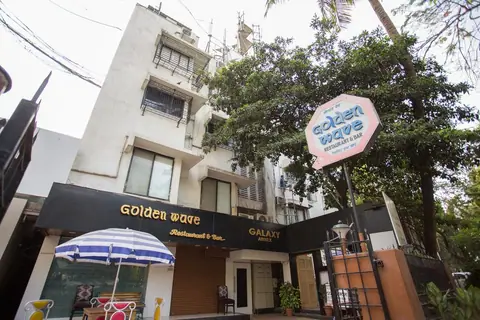
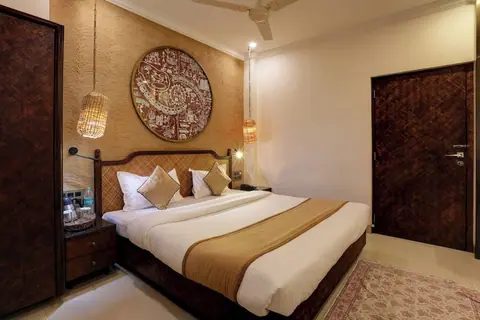
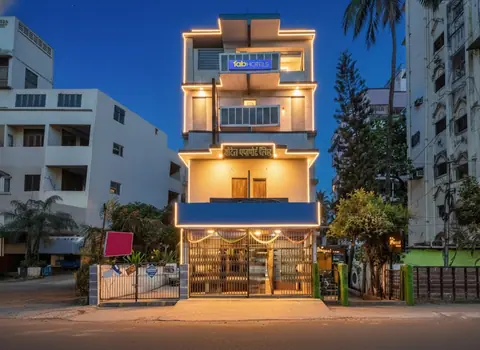
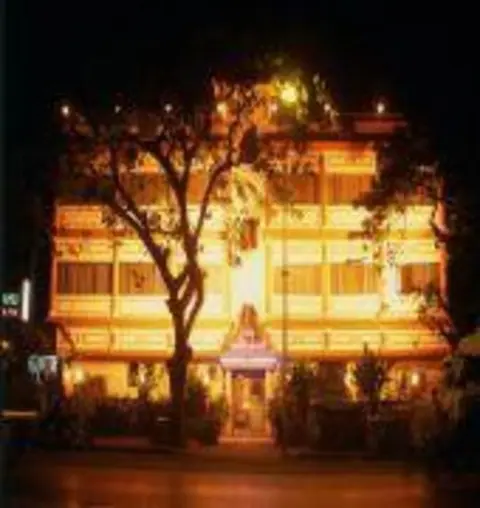
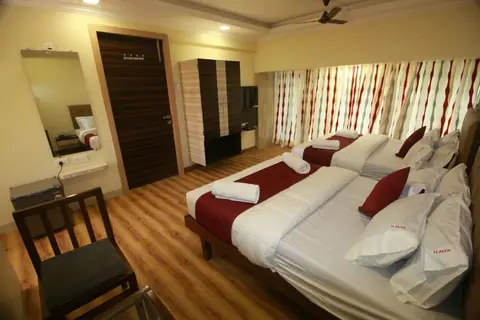
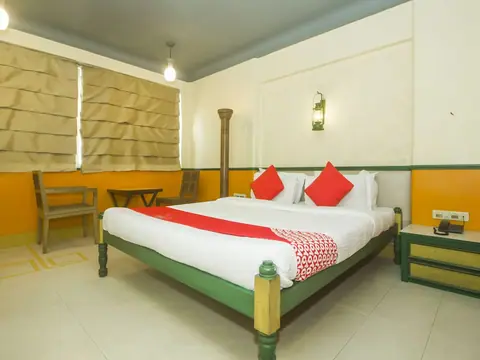
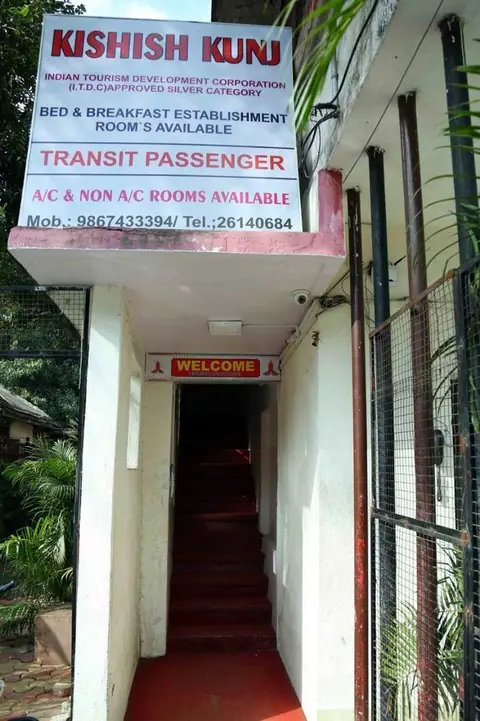
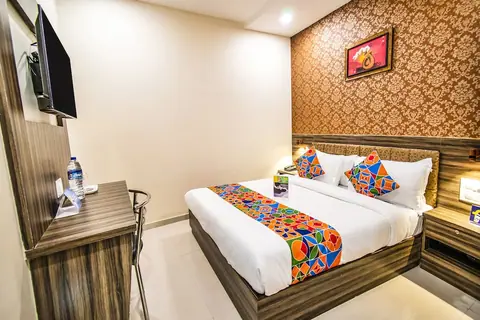
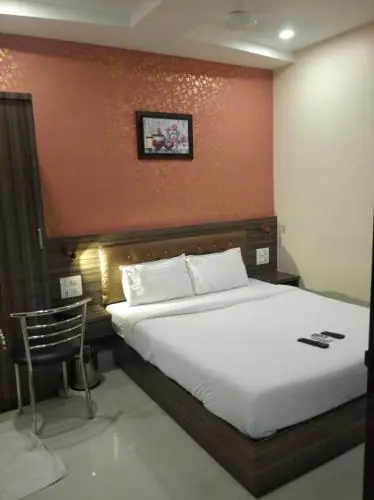
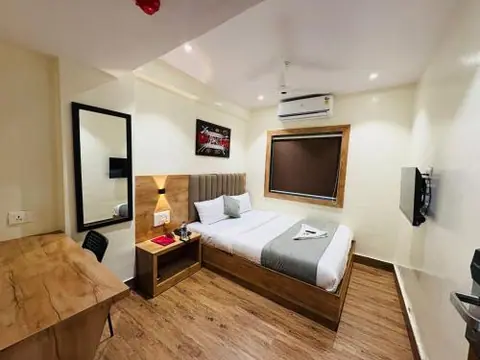
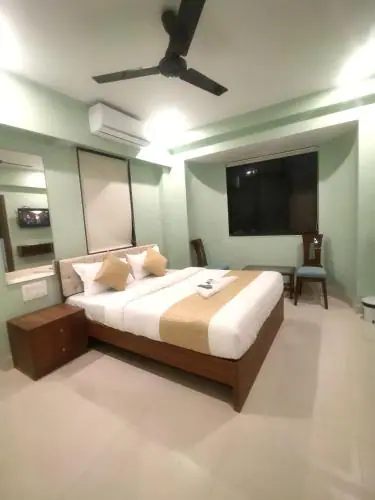
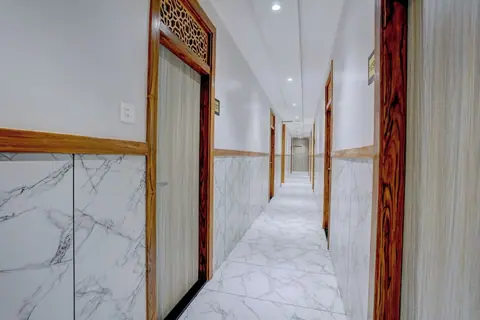
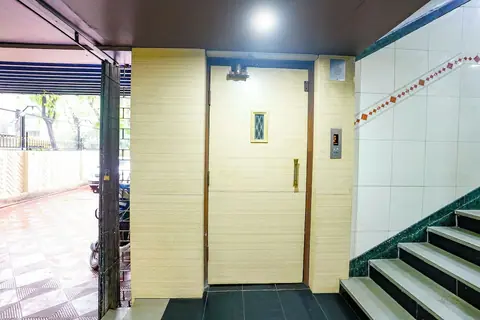
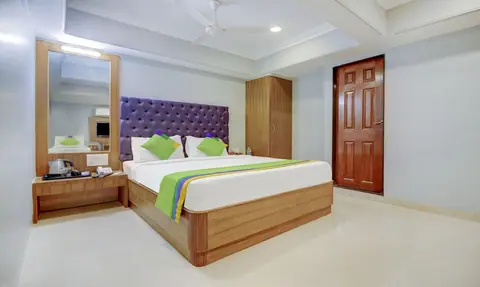
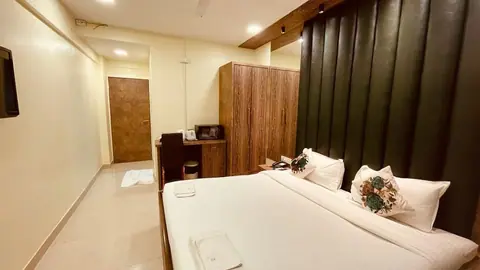
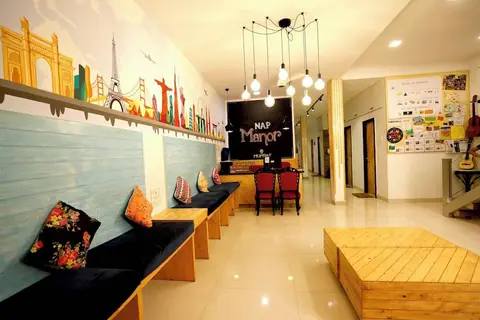
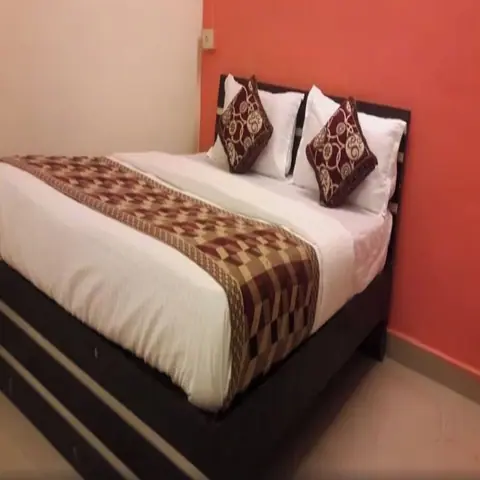
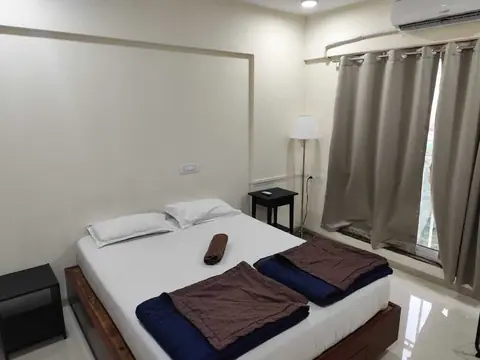
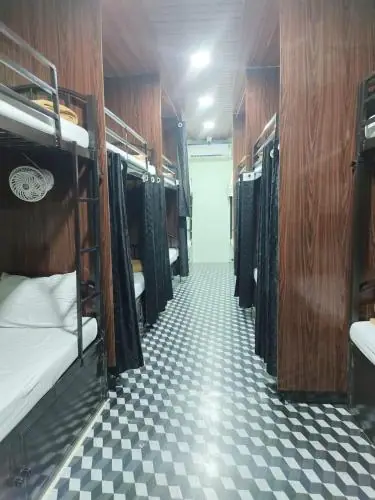
Stays in Santacruz suit different trips. Rooms near the main road and the station are the most convenient for the train and for late arrivals, with shops and food on the doorstep. Guesthouse-style places in the residential lanes are quieter and often have gardens or terraces. Apartment stays work for families and longer visits, when a kitchen and a second bedroom matter more than a lobby. A few larger hotels serve the airport side. Book early for the cooler months from November to February, when the city is busiest.
Choose by what you want from the days around the stay. If the trip is short and the flight is the anchor, stay close to the station or the Santacruz side of the airport and keep the island city for a day out; CSMT is about 16 km away in a straight line. Light sleepers should ask about aircraft noise and about rooms facing the main road. Families do better in the lanes, near a park or a school ground. Confirm the airport transfer and check recent reviews before booking.
Editorial review: 16 November 2026 · imptmumbai.in, written with AI assistance (see the editorial policy).