- Location
- Western suburbs, north of Bandra
- Airport
- About 7 km, straight line
- Known for
- Film streets and Koli seafood
- Getting around
- Metro, autorickshaw, app cab
Film studios and a fishing village
Andheri West holds two worlds at once. Inland, around Lokhandwala Complex and the roads running towards Link Road, the neighbourhood works in film: studios, rehearsal rooms, editing suites and the flats of the people who staff them. Towards the sea, the old village of Versova still lands fish. Between the two sit apartment blocks, markets, gyms and cafés, busy from early morning until late. The result is a quarter that is neither old Bombay nor a dormitory suburb, but a place with its own working rhythm.
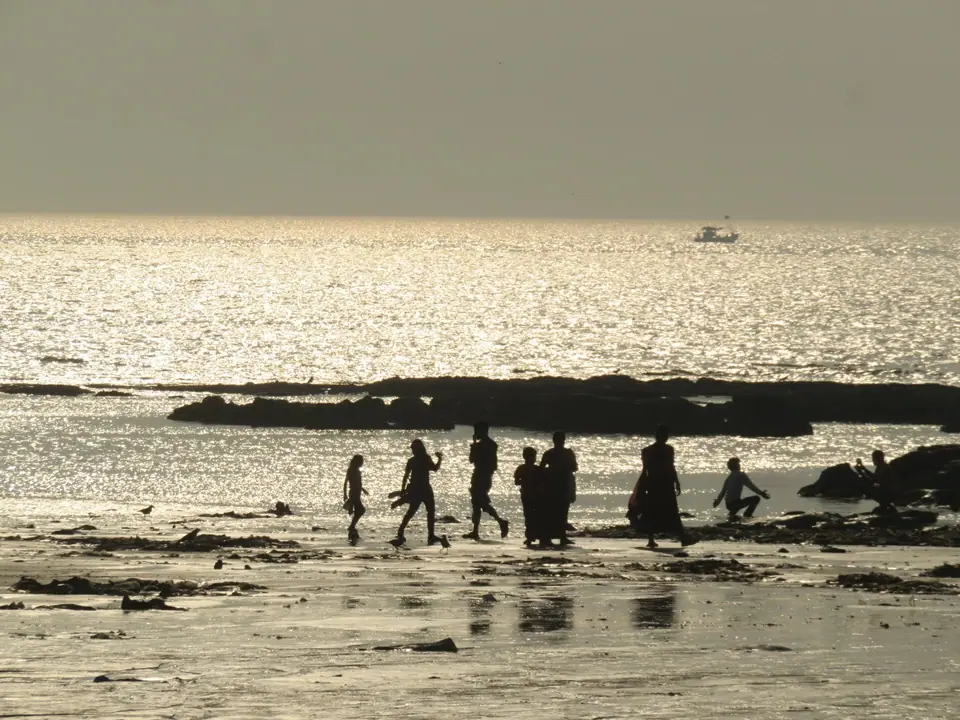
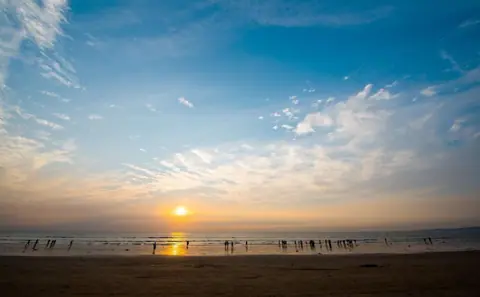
Versova was a Koli fishing village long before the city reached it, and the community still sets the tone of the shoreline. Boats go out and return; nets are repaired on the sand; fish is dried and sold in the lanes behind. The Koli year turns on Narali Purnima, around August, when coconuts are offered to the sea and the fishing season reopens after the monsoon. The film trade spread north into Andheri over the decades, and the area has been a working quarter for the industry ever since.
A first walk
Start early at Versova. The metro station puts you a short walk from the village lanes, where the day already smells of diesel, fish and coconut. Walk towards the sand and watch the boats come in; the catch is sorted, weighed and carried off while cats and crows wait their turn. Behind the beach, narrow lanes hold small temples, drying racks and family houses. This is a living neighbourhood, so keep to the main paths, ask before photographs, and stay quiet near doorways.
From the village, head inland along the roads that lead to Lokhandwala and the market streets. The walk rewards wandering: a temple here, a stall selling one thing only there, a queue outside a snack counter that tells you something is fresh. Late afternoon is the best time for this half, when the light softens and the cafés fill. Finish with a film at one of the screens in the wider area, or with a slow walk back towards the sea.
What to see and do
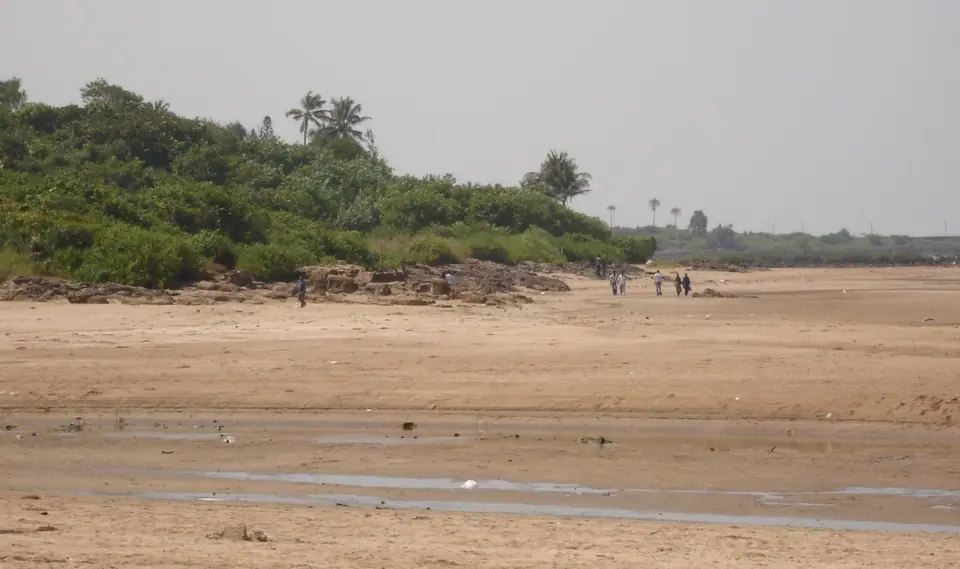
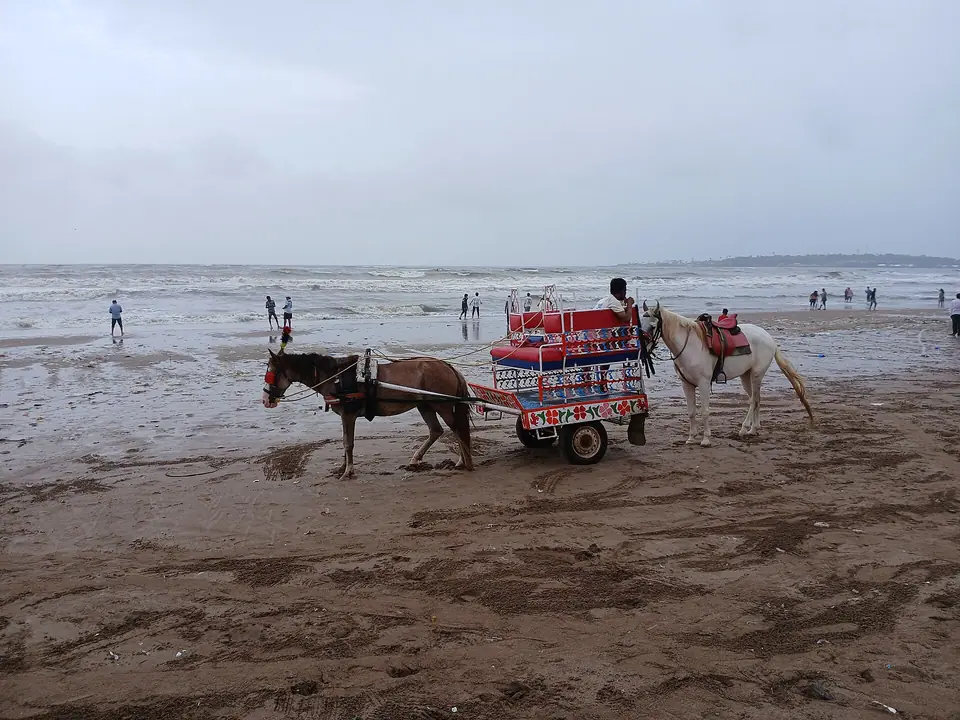
For children, the shoreline is the draw. The boats come close enough to watch without a ticket, the sand is good for digging, and coconut water and roasted corn are sold nearby. Go at low tide and in the morning, when the heat is manageable and the fishing work is under way. Keep children away from the water: currents along this coast are strong and swimming is unsafe at most of the city's beaches, especially in the monsoon.
Inland, the area is more ordinary: markets, parks and long walks. Wet afternoons are the time to use the metro as a ride in itself, and to head south for the museums. The Chhatrapati Shivaji Maharaj Vastu Sangrahalaya at Kala Ghoda and the Dr Bhau Daji Lad Museum at Byculla both suit children, and the Nehru Science Centre at Worli has hands-on exhibits and an outdoor science park. Sanjay Gandhi National Park at Borivali is the other easy day out.
- Watch the catch come in at Versova in the early morning, from a respectful distance.
- Ride Metro Line 1 from Versova inland for an easy look at the western suburbs.
- Spend a wet afternoon at the Nehru Science Centre and planetarium in Worli.
- Take children to Sanjay Gandhi National Park at Borivali for the forest and the Kanheri caves.
What to eat and where
Seafood is the reason to eat here. The Koli kitchens behind Versova beach cook what landed that morning: bombil, or Bombay duck, fried in a light batter; surmai and pomfret rubbed with red masala; prawns and tisrya, the small clams, in a thick coconut curry. Konkan and Malvani cooking is common too, sharp with kokum and hot with dried chilli. Look for small family places with plastic chairs and a board listing the day's fish, and go early, before the best of it is gone.
Away from the fish, the area runs on snacks. Vada pav, pav bhaji, misal pav, bhel puri and dabeli turn up on every second corner, with kulfi and falooda for the heat. Parsi cafés serve chai, bun maska and akuri; East Indian kitchens bring fugias and sorpotel at Christmas. For a proper meal, the thali places and vegetarian canteens are reliable and filling. Cutting chai, half a glass, is the standard order and the right way to end a walk.
- Bombil, or Bombay duck, fried in a light batter and best eaten hot.
- Tisrya, small clams cooked in coconut, a Koli staple.
- Misal pav, a spicy sprouted-bean dish served with soft bread.
- Akuri, Parsi-style scrambled eggs, with bun maska and chai.
- Falooda or kulfi from a street stall in the evening heat.
Getting there and around
The airport is close. Chhatrapati Shivaji Maharaj International Airport sits about seven kilometres away in a straight line, with Terminal 1 on the Santacruz side and Terminal 2 at Sahar. The drive is short in distance and long in time during peak hours, so allow generously. App cabs and the airport taxi counters are the straightforward options with luggage. Some flights now use Navi Mumbai International Airport across the harbour, so check which airport your ticket names before setting out.
Within the area, autorickshaws are the local standby, since they run freely in the suburbs, and app cabs are easy to find. Metro Line 1 connects Versova with Andheri and Ghatkopar, and further lines keep opening across the western suburbs, so check the current network before planning a day. For the south of the city, Andheri station on the Western line is the fast route to Churchgate, Dadar and Mumbai Central; the Harbour line also reaches Andheri. Walking is best in the village and the lanes.
Practical tips and where to stay
Time your days around the heat and the tide. Mornings are for the shore and the fish trade, afternoons for museums, cafés and the metro, evenings for walking. Heavy monsoon rain from about June to late September floods low-lying roads and slows the trains, so keep plans loose in those months and check local advice before a beach walk. Carry some cash alongside phone payment. In the fishing village, dress simply, ask before photographing people or boats, and remember this is a working shoreline.
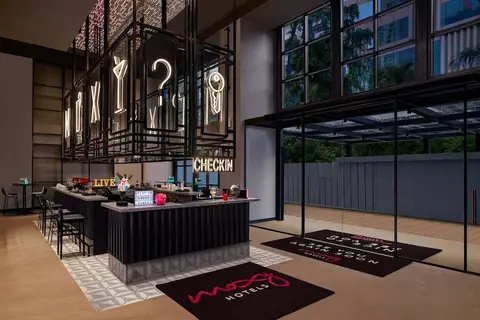
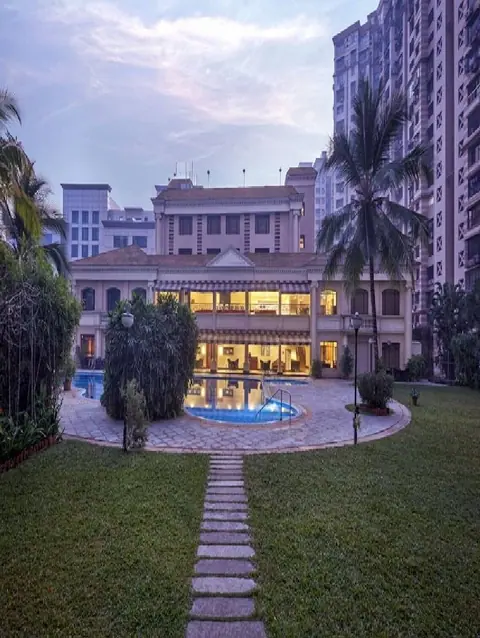
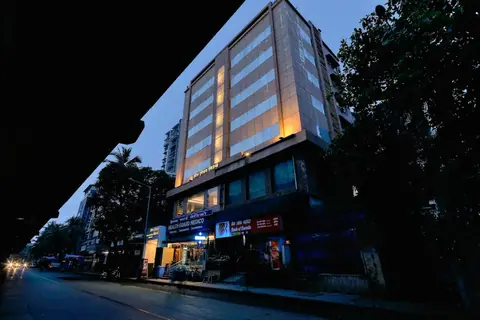
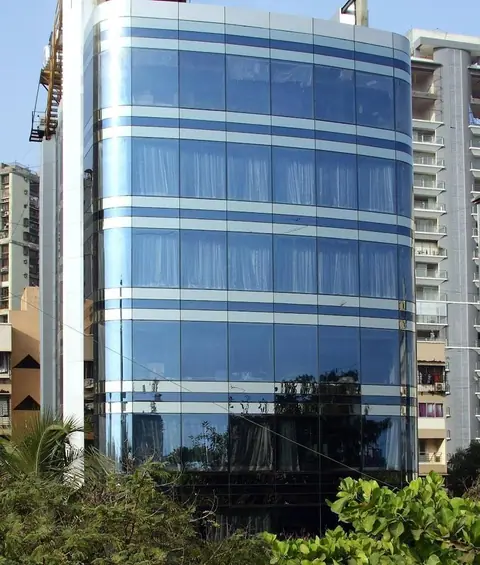
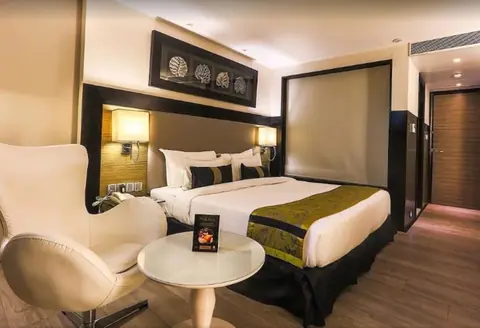
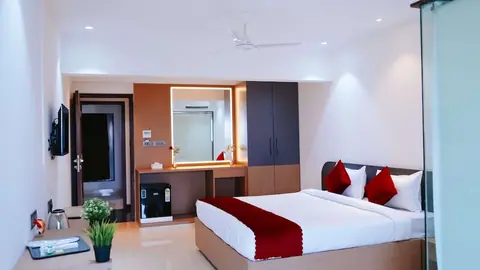
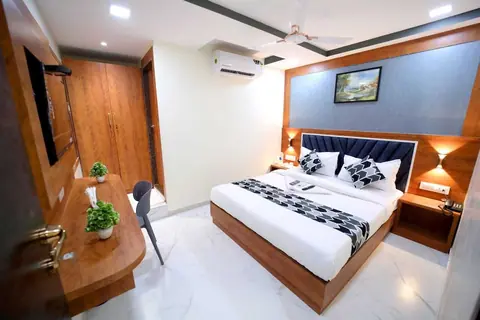
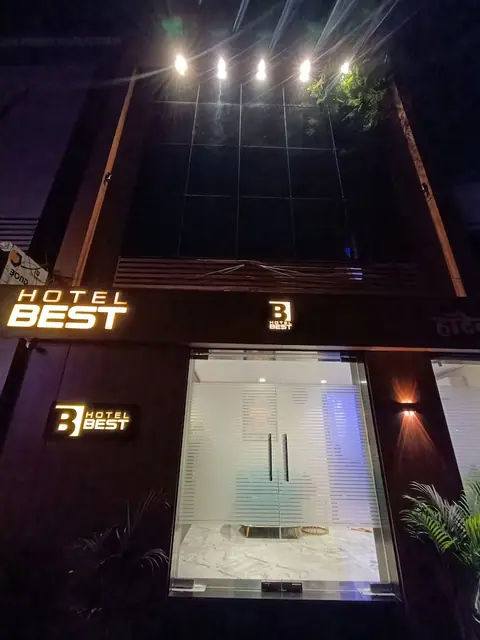
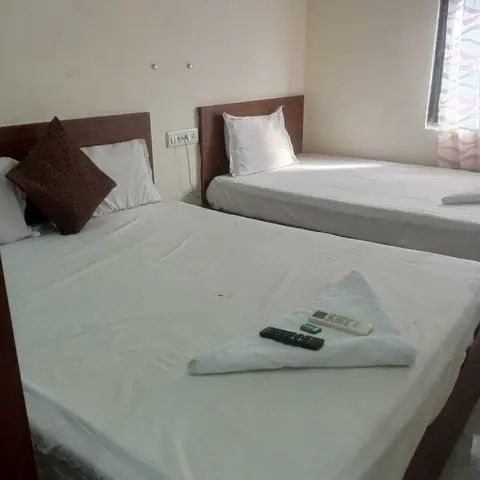
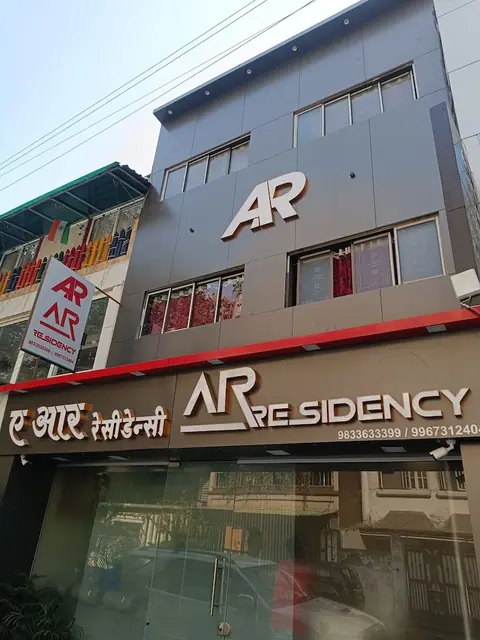
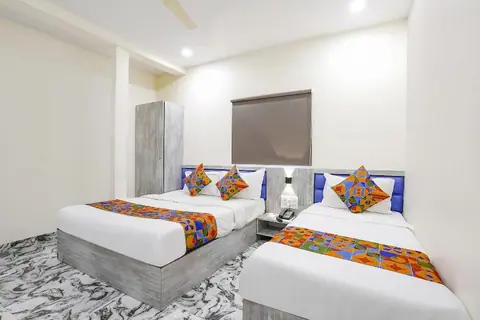
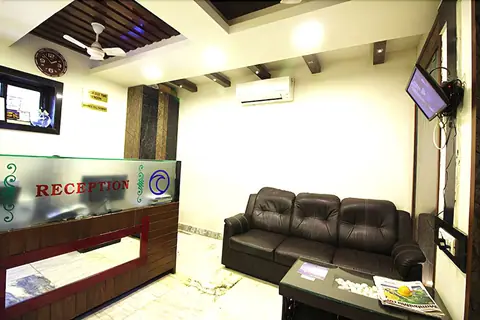
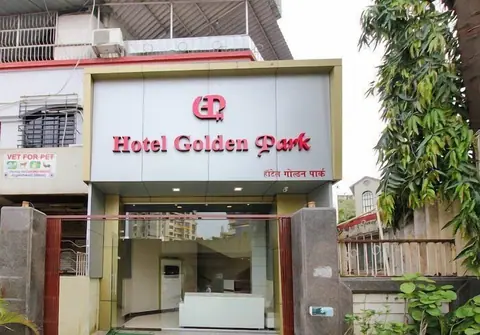
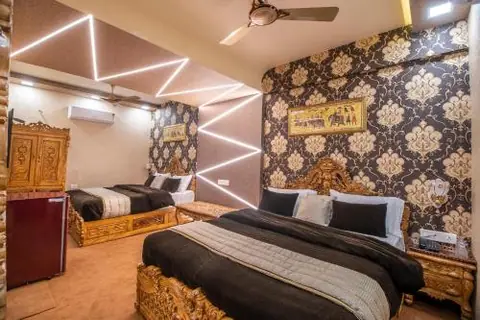
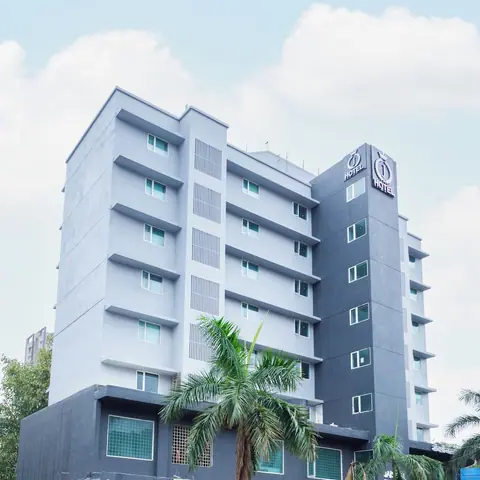
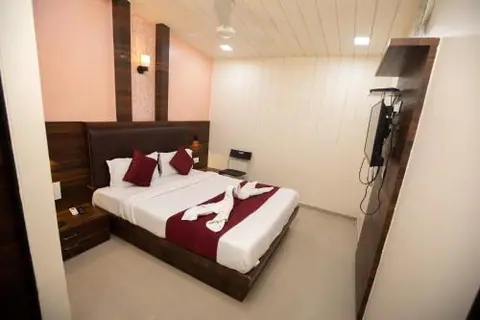
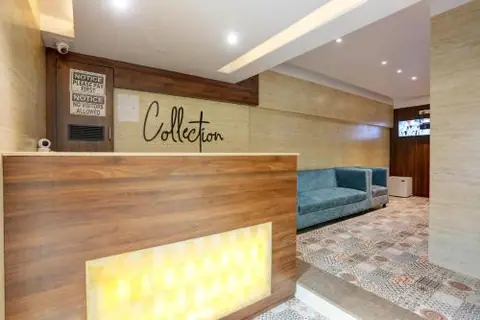
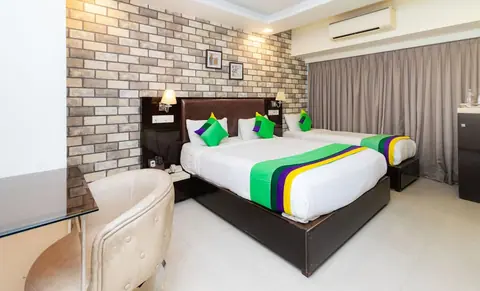
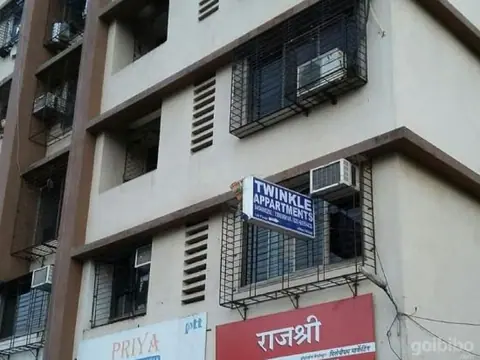
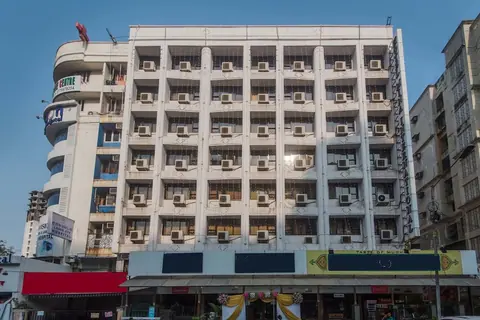
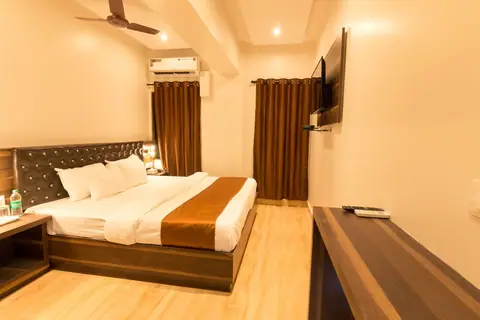
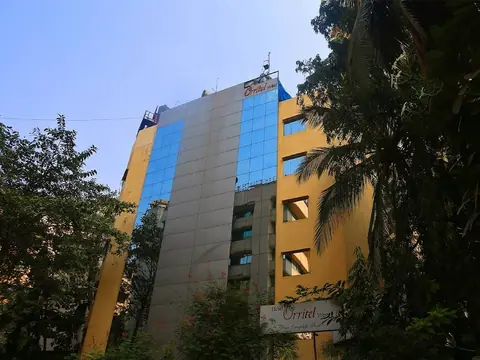
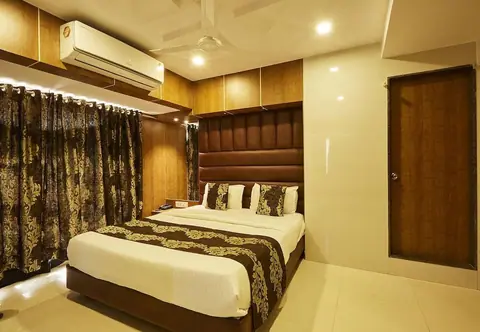
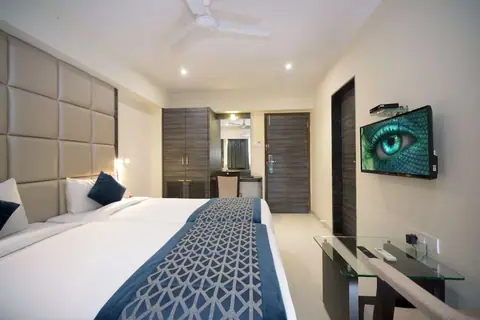
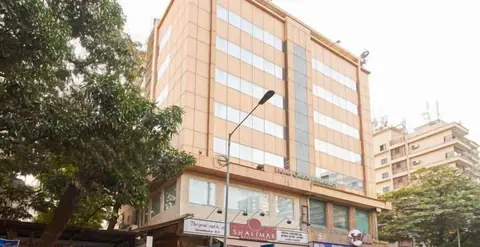
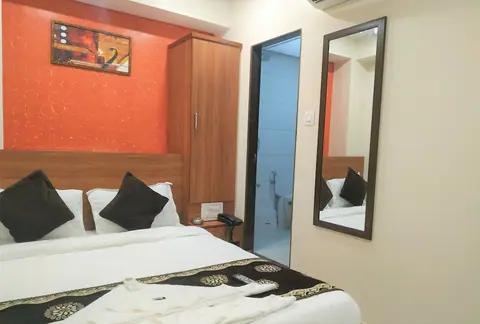
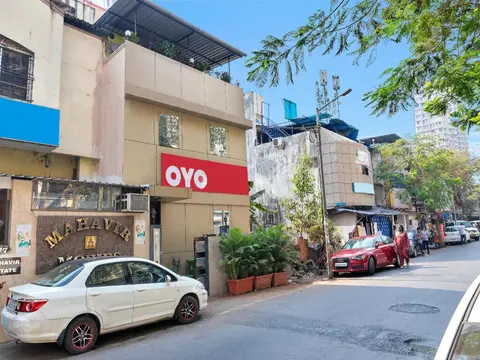
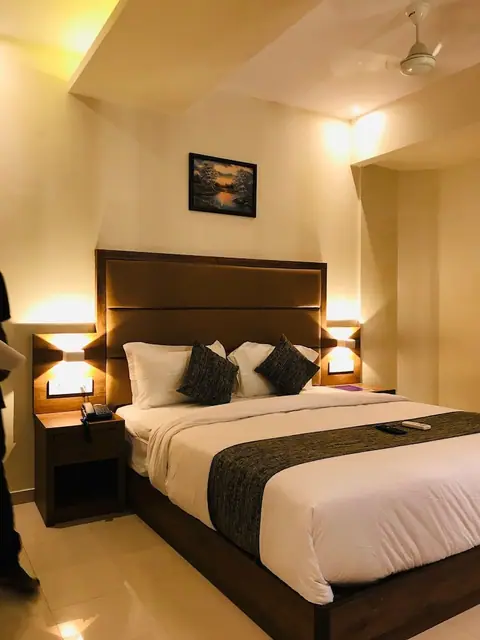
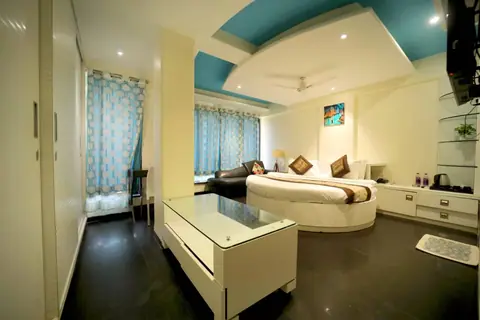
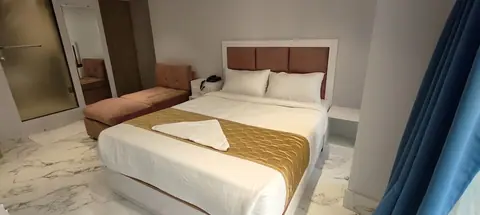
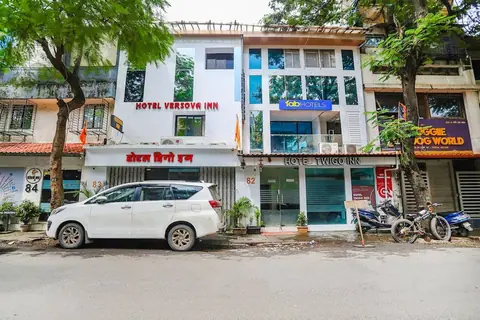
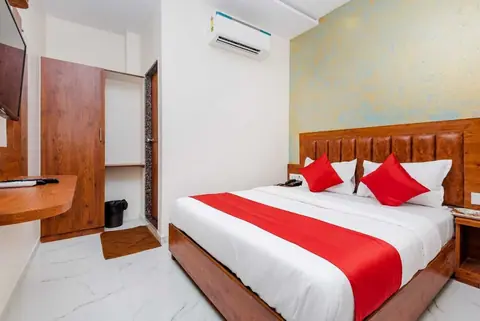
For a stay, the choice comes down to two moods. Near Lokhandwala and the main roads you are close to cafés, shops and transport, with more noise and traffic. Towards Versova the lanes are quieter and the sea is a short walk away, but streets can be narrow and, in the monsoon, wet. Wherever you look, judge a place by its walking distance to the metro and to a good stretch of eating houses, and ask about flooding and hot water before you commit.
Editorial review: 16 November 2026 · imptmumbai.in, written with AI assistance (see the editorial policy).