- Location
- Western suburbs, near Juhu and the airport
- Railway
- Western line, between Santacruz and Andheri
- Airport
- 2.8 km straight line from BOM
- Split
- East and West, divided by the railway
A suburb of two halves
Vile Parle sits between Juhu and the airport, a largely residential suburb of low apartment blocks, college campuses and lanes of family shops. It is Marathi and Gujarati in equal measure, with a long history of schoolteachers, clerks, musicians, doctors and shopkeepers. Compared with Andheri and Bandra, it is quiet at night, and the streets empty soon after the shops shut. The railway line splits it into East and West, and each half has its own station entrance, market and daily rhythm.
The suburb grew with the Western Railway, which carried clerks and teachers out from the island city and made room for the schools and colleges that still define it. Its colleges draw students from across the western suburbs, and the lanes around them hold the tea stalls and snack counters that feed them. Marathi theatre and Hindustani classical music have deep roots here, and the neighbourhood halls that host both remain part of local life.
A first walk through the suburb
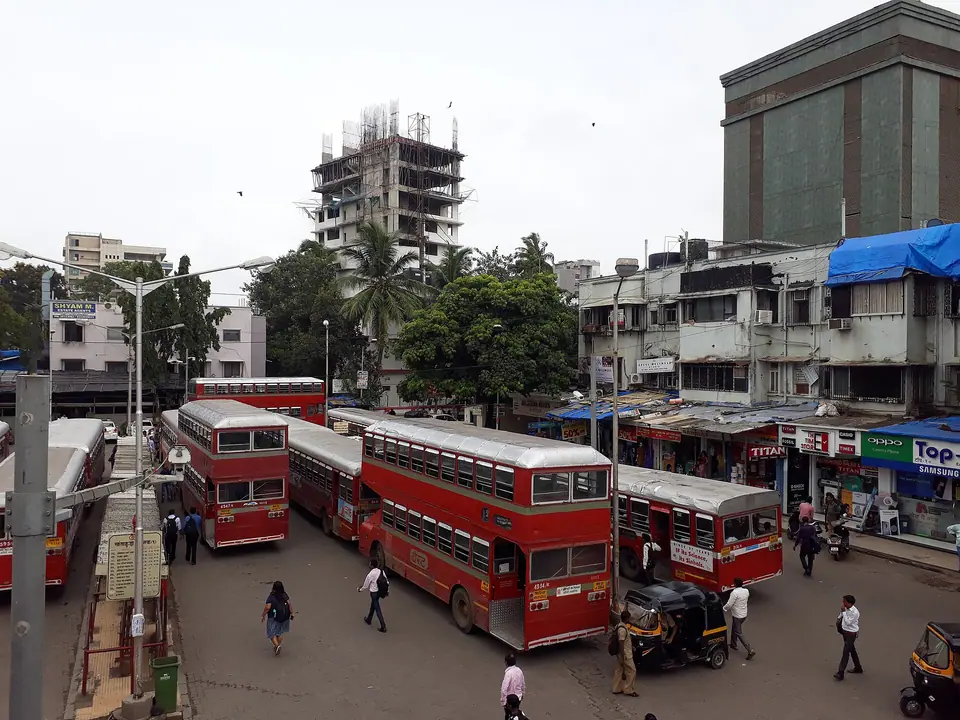
Begin on the west side, at the station road, where the morning starts with chai, poha and newspaper readers outside the tea stalls. The lanes behind run past family shops, provision stores and small temples, and the pace is slow enough to look up at the balconies and the old building names. Walk west towards Juhu and the streets become leafier, with schools, playgrounds and temples sharing the same few blocks. Early morning is the best hour for it.
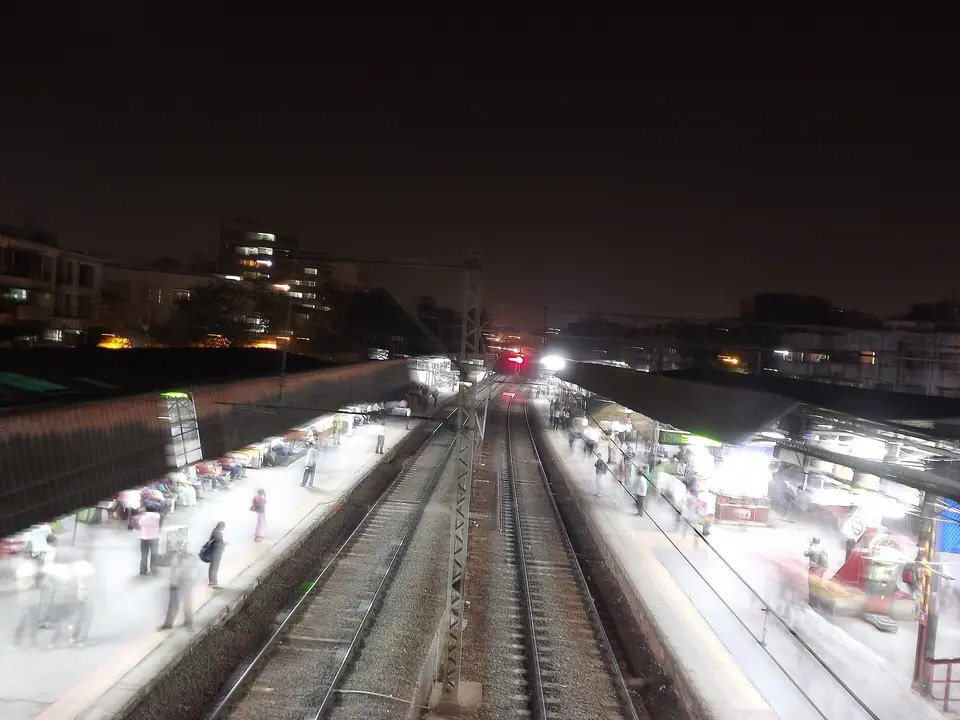
Cross to the east side by the footbridge over the tracks, which gives a view along the rails and over the rooftops. The east half is denser and more commercial, with market lanes selling vegetables, sweets, utensils and cloth. Later in the afternoon the snack counters fill up with students. Finish with a walk in a park or a short ride west to Juhu for the sunset, and return for dinner. Take your time; there is no need to hurry.
- Start early, when the vegetable and flower sellers set up along the station road.
- Look for the old shop signs painted in Marathi and Gujarati above the shutters.
- Carry a bottle of water; the walk between the two halves covers a lot of pavement.
- Use the footbridge over the tracks; crossing the rails is never safe.
What to see, with children
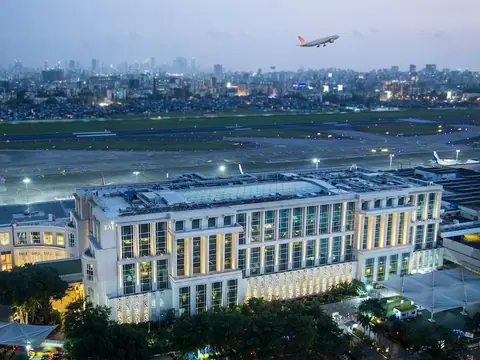
There are few monuments here, and the pleasure is in ordinary city life: college campuses at class-change hour, market lanes, temple courtyards and the constant movement of a suburb that works. The airport boundary lies close, and on the eastern edge aircraft come in low over the rooftops; ask locally for a safe corner to watch from. Children tend to enjoy the plane spotting, the sweet shops and the playgrounds more than any single sight. The suburb is also a good place to do very little: sit in a park, drink tea, watch the street.
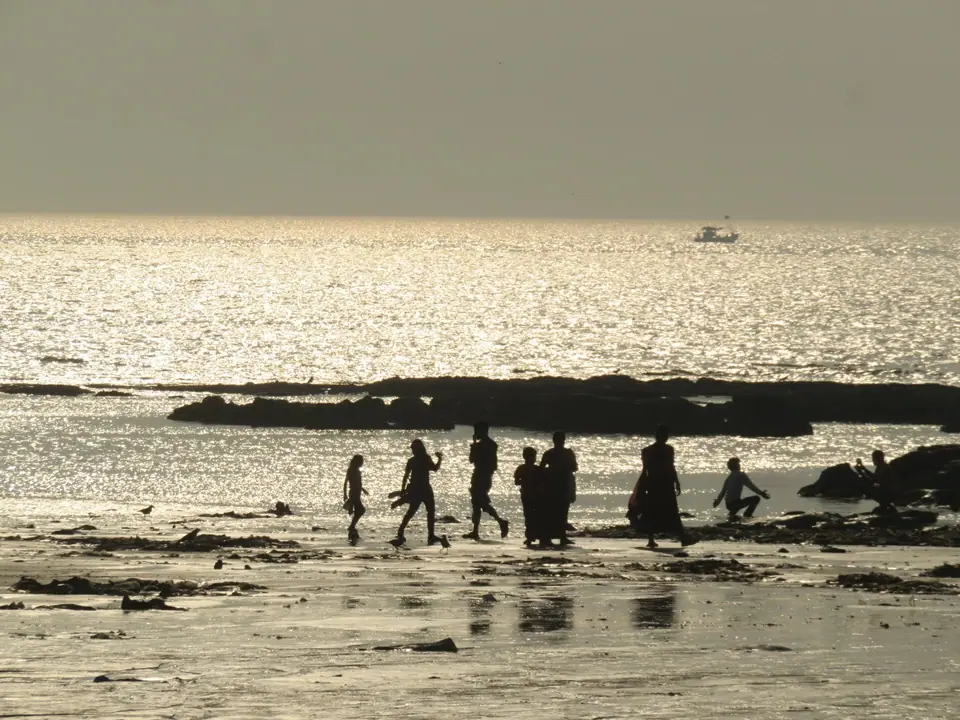
Vile Parle is a useful base for the wider city. The Western line runs south to Churchgate for the Oval Maidan, the Art Deco seafront and the museums at Kala Ghoda, and north to Borivali for Sanjay Gandhi National Park and the Kanheri caves. Juhu beach is west of the suburb, Bandra Fort and Mount Mary are a short ride south, and the Gateway of India and Elephanta ferries are at the far end of the line. Allow a full day for the south, and start early to avoid the heat.
- Watch the aircraft come in low on the eastern side of the suburb.
- Spend an hour in a park or playground before the afternoon heat.
- Choose a sweet shop for kulfi or a cold falooda in the afternoon.
- Ride the Western line south for a day at the museums and the seafront.
Eating on the snack streets
A large share of the kitchens here are vegetarian, and the farsan shops are the heart of it: khaman, dhokla, sev puri, dabeli and mixtures sold by weight, wrapped in paper and eaten standing. Gujarati thali places serve unlimited lunches with rotli, dal, shaak, rice and a sweet. Maharashtrian counters add misal pav, sabudana khichdi, thalipeeth and puran poli, and the older tea shops pour cutting chai all day. Breakfast is a good time for poha, upma and a glass of chai at a stand-up counter.
Students keep the chaat and sandwich counters busy through the afternoon, and the pace moves to families in the evening. Many kitchens are small, family-run and plain, with a few tables and a fan; a busy queue is a better guide than any sign. Jain and no-onion, no-garlic versions are usually available if asked. Look for shops that sell one thing well rather than a long menu. Sweet shops sell mithai by weight, and kulfi and falooda close the meal.
Getting there and around
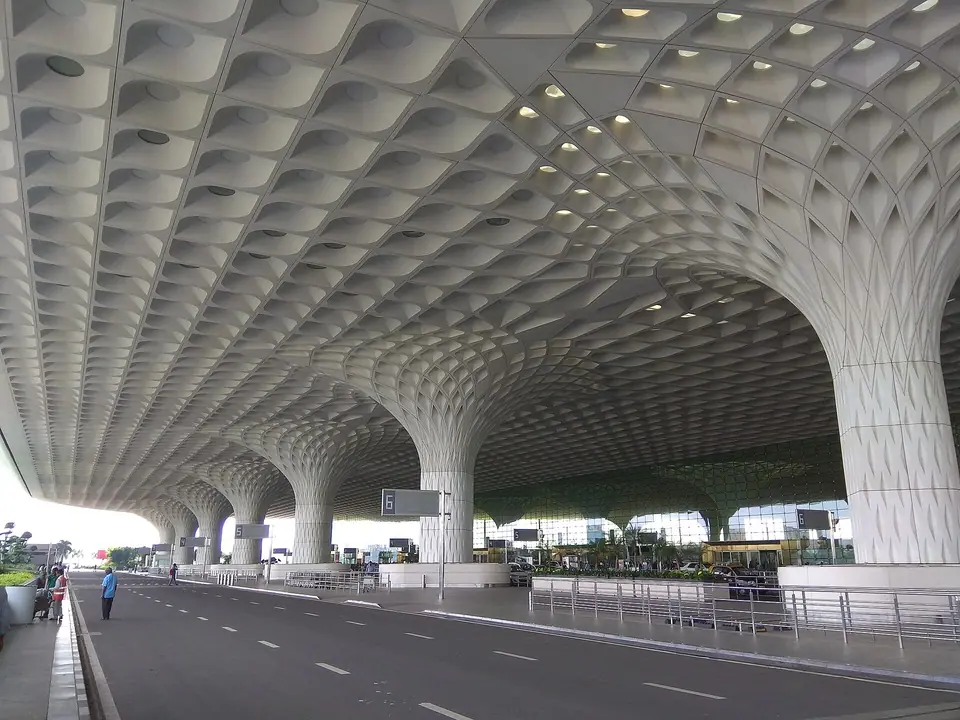
The airport is the closest gateway, and both terminals are a short ride away, with prepaid taxi ranks and app cabs at the kerbs. Black-and-yellow taxis and app cabs serve the whole suburb, and autorickshaws, which do not run in the island city, are common here. Allow extra time in the morning and evening peaks, when the roads to the airport slow down. The drive is short in distance but can take far longer in traffic, so build in a margin for flights.
Vile Parle station sits on the Western line between Santacruz and Andheri, with fast and slow services and air-conditioned coaches on some routes. The line runs south to Churchgate and north to Borivali, which makes the suburb a practical base for the island city's sights. New metro lines keep opening across Mumbai, so check the current network and station names before you rely on a route. Buses and app cabs fill the gaps between the stations and the beaches.
Where to stay and what to know
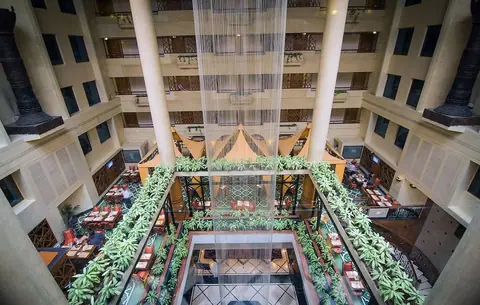
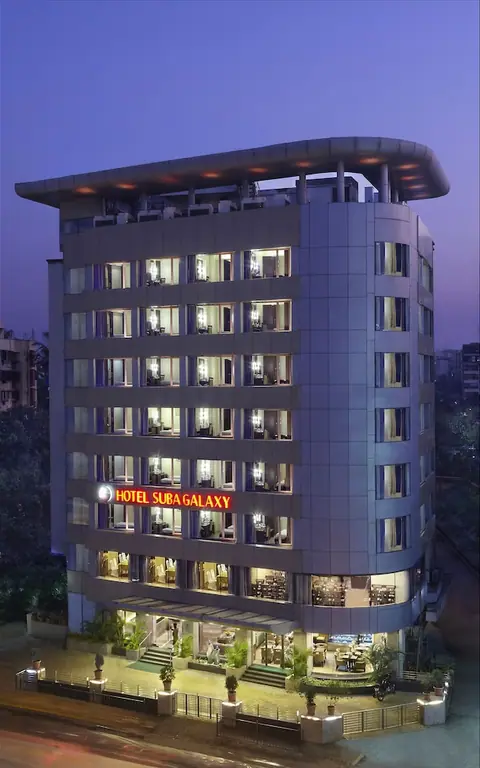
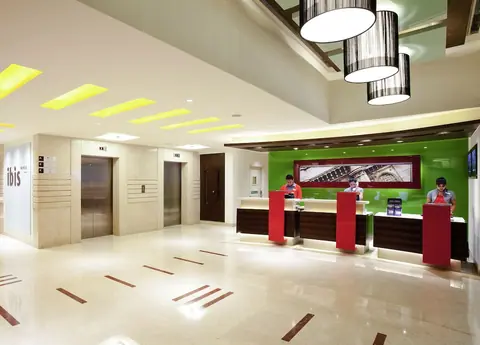
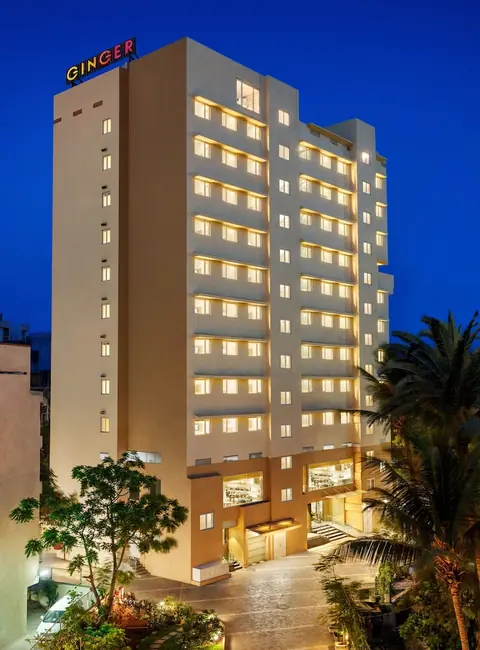
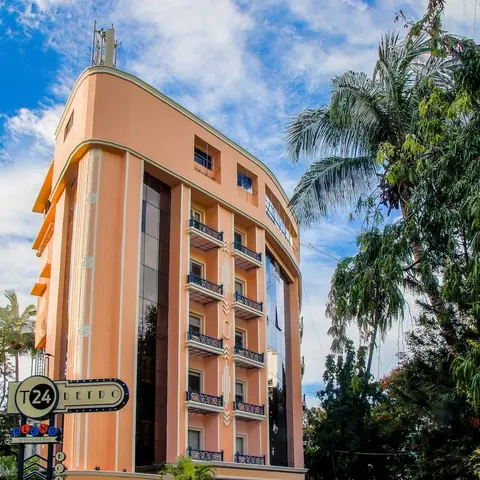
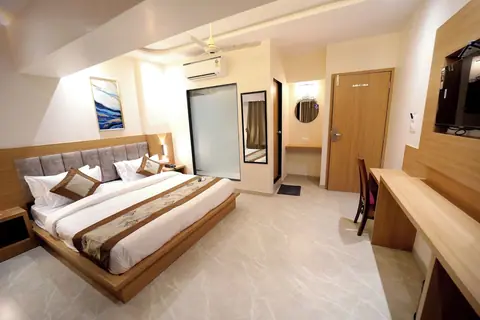
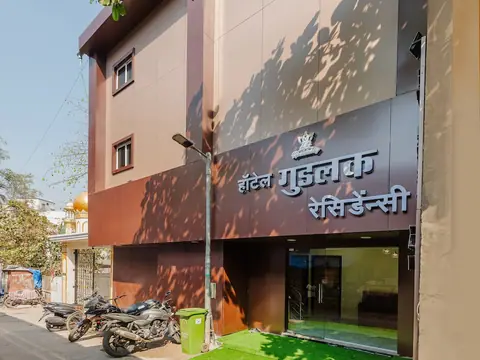
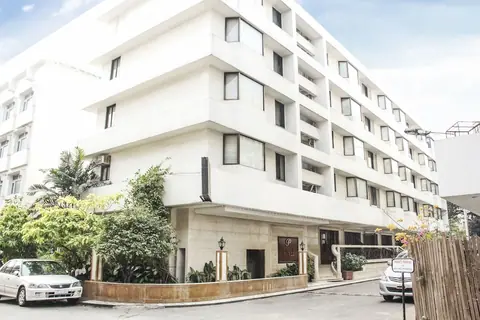
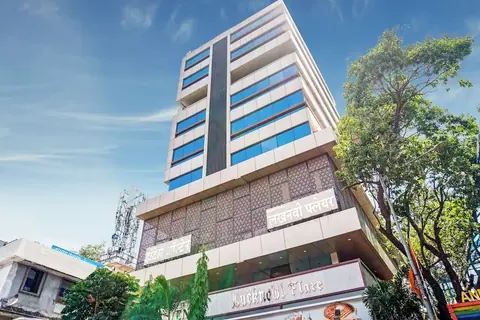
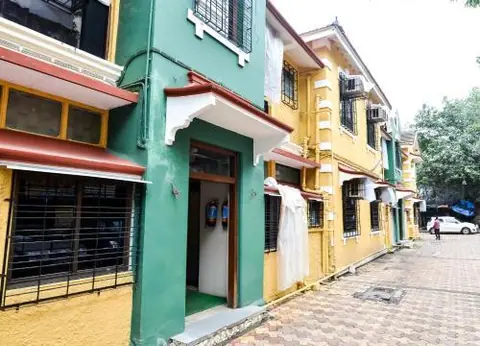
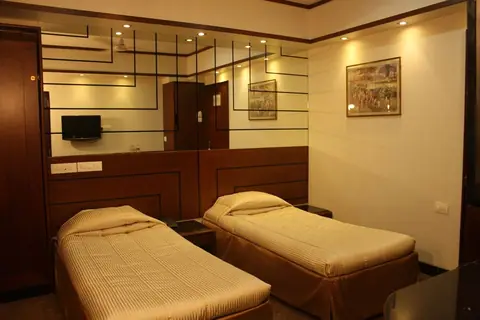
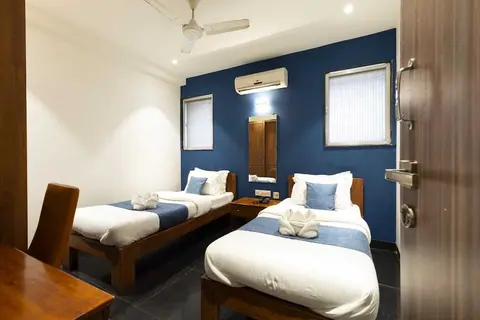
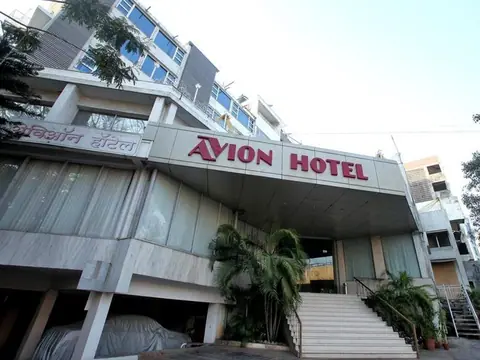
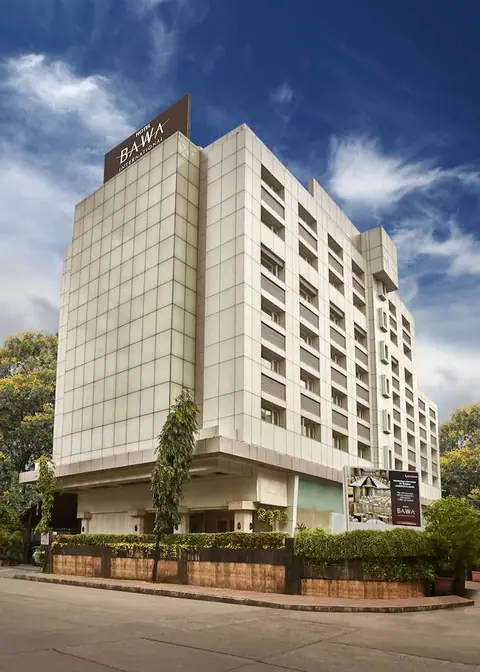
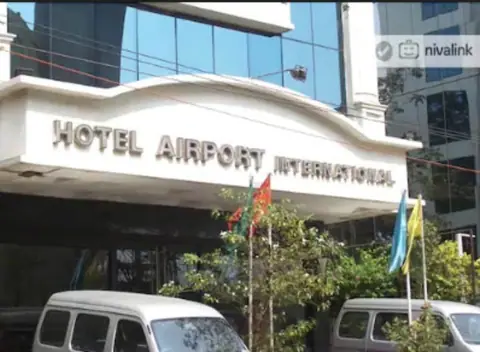
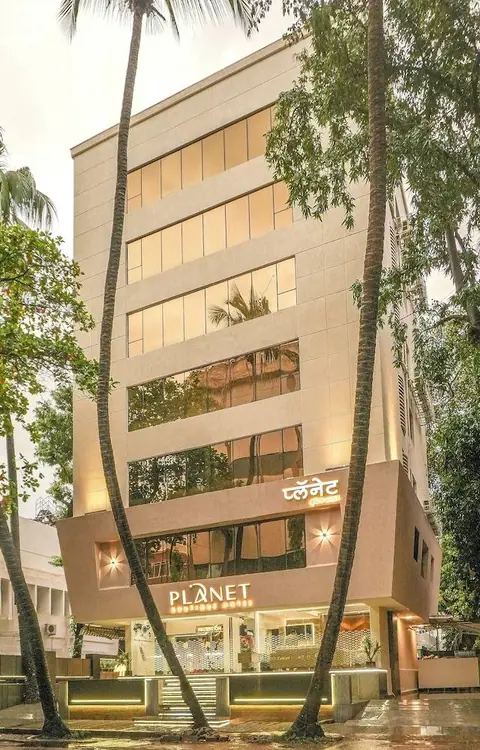
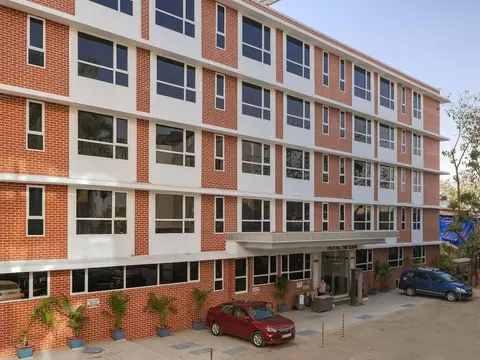
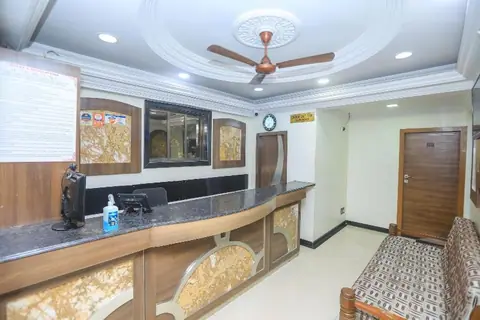
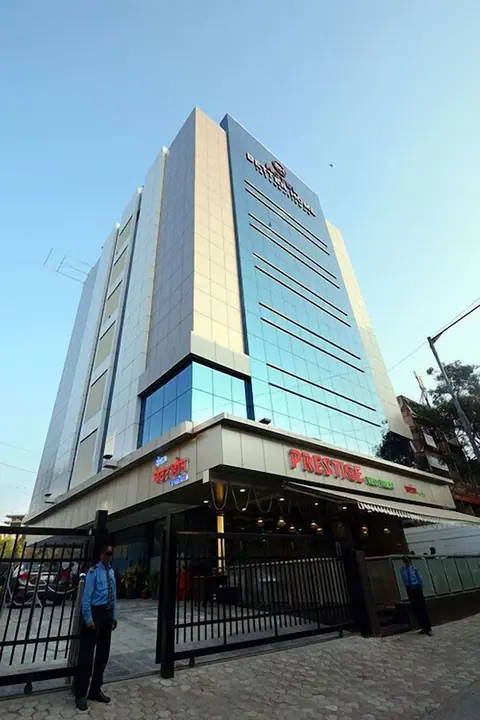
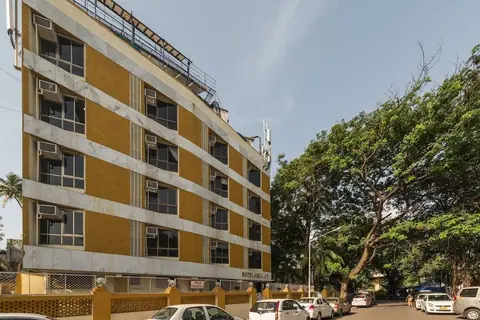
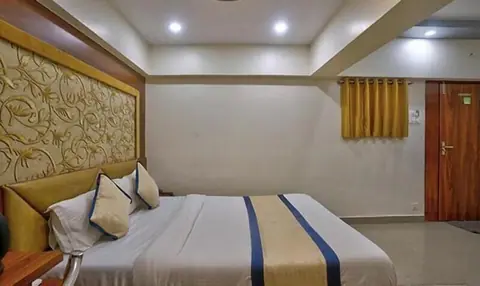
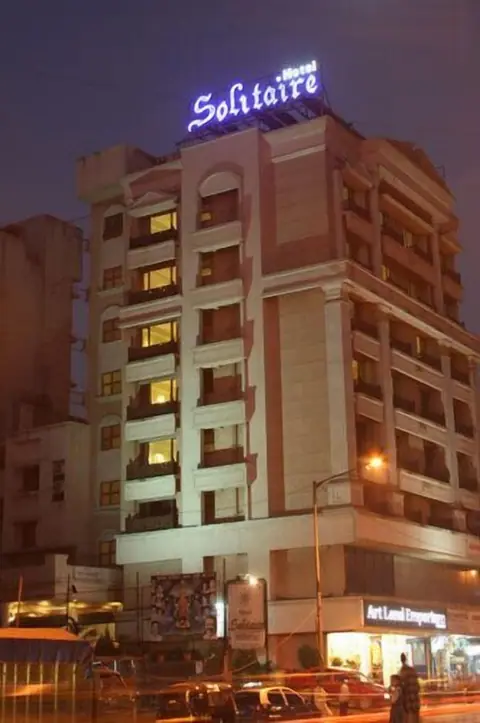
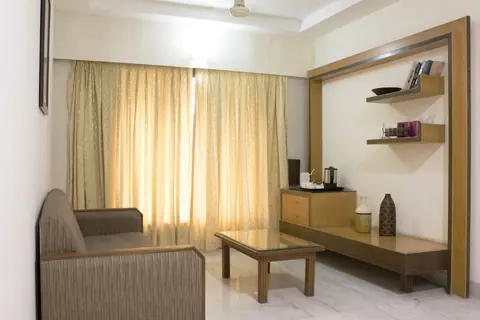
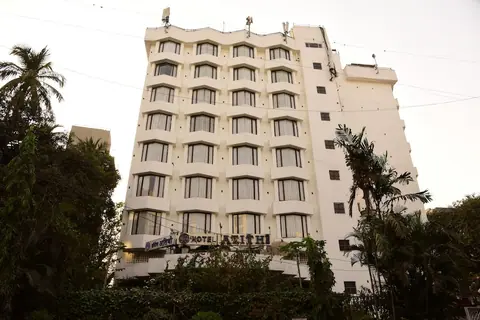
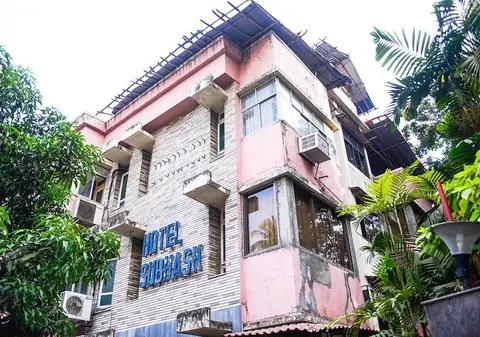
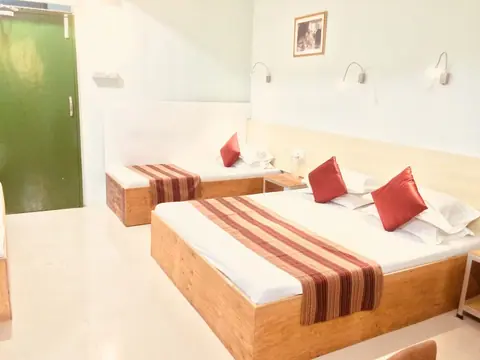
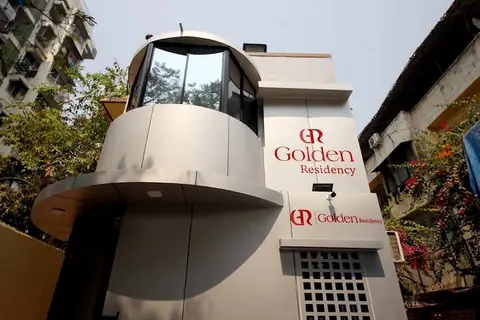
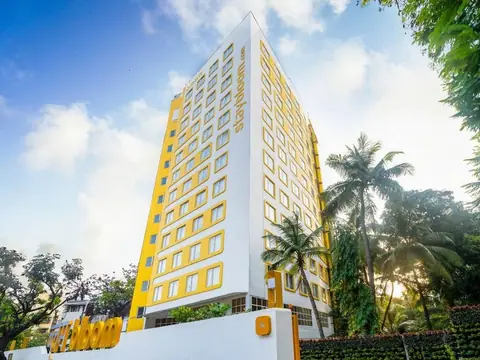
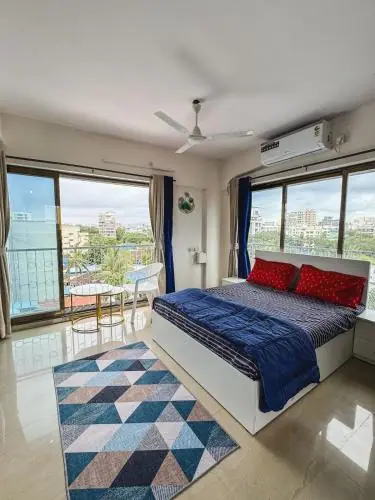
Stays here are mostly small hotels, guesthouses and serviced apartments rather than large resorts, and about fifty places in the suburb are listed on this site. Choose the west side for quieter residential lanes and easier evenings, the east side for the market and quicker access to the airport. Families and longer stays do well with serviced apartments; ask about kitchens, laundry and airport transfers before booking, and confirm the terms directly. Rooms near the station road are convenient but noisier; the lanes further out are calmer.
Practical points matter here. The monsoon brings heavy rain and floods low-lying roads, so check conditions before planning a day out. November to February is the comfortable season; March to May is hot and humid. UPI payments are everywhere, though carrying some cash helps in small shops. Festival days, especially Ganesh Chaturthi and Navratri, fill the streets and temples, and residents' lanes are best walked quietly. Heavy rain can suspend ferries from the Gateway of India, so keep harbour plans flexible.
Editorial review: 16 November 2026 · imptmumbai.in, written with AI assistance (see the editorial policy).