- Region
- Western suburbs, north Mumbai
- Anchor sight
- Sanjay Gandhi National Park
- Airport
- 13.8 km from BOM
- Rail
- Borivali and Kandivali, Western line
Where the city turns green
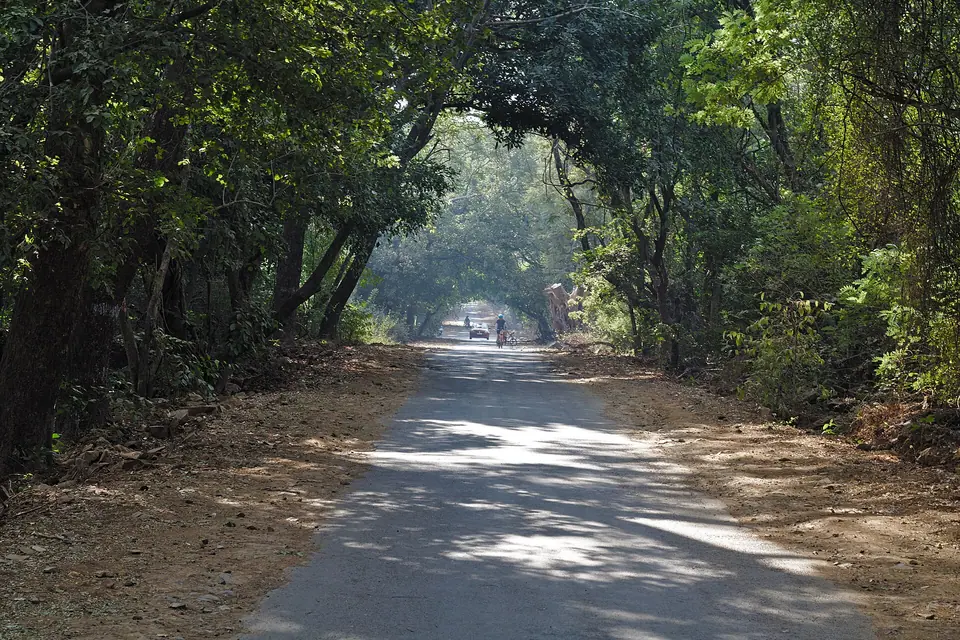
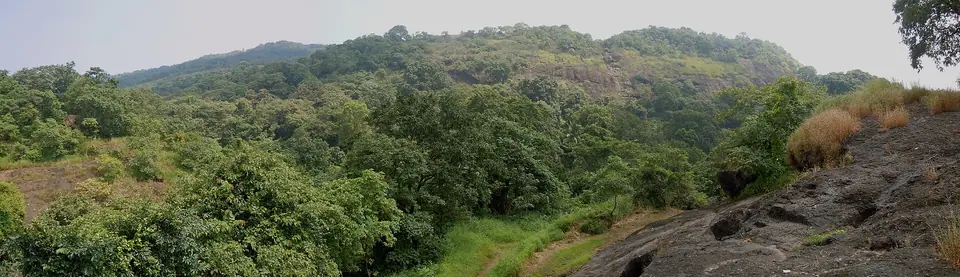
Borivali and Kandivali sit at the northern end of Mumbai's western suburbs, the last dense stretch before the city gives way to forest and creek. Both are residential first: apartment towers, low-rise colonies, local markets, temple crowds on festival days and streets that fill in the evening. Their value to a visitor is the green on the doorstep. Sanjay Gandhi National Park begins inside the city limits here, and the ferry to Gorai leaves from Borivali's own shore.
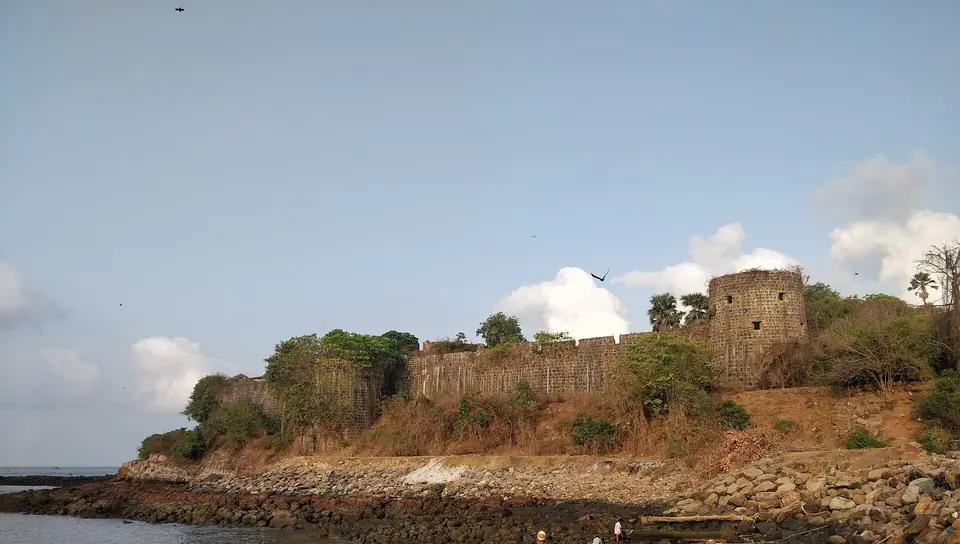
The older story here is villages, salt pans and fishing hamlets rather than planned suburbs. Koli families worked the creek and the shore long before the railway arrived, and East Indian villages held land around the northern creeks. Borivali expanded quickly once the Western line reached it, and the twentieth century filled the gaps with housing colonies and markets. The forest boundary shaped everything: it kept the north from becoming one continuous built mass, and it still sets the tone.
A first walk through Borivali
A good first walk starts on the west side of Borivali station, where the suburb is at its most everyday, and follows S.V. Road through the bazaar streets. Shops spill onto the pavement, food carts set up at the corners, and the crowd is almost entirely local. Turn east when you have had enough, cross the railway, and the tone changes: fewer shops, more trees, and the wall of the national park ahead.
Allow half a day for this loop. There is no need to plan tightly: the pleasure is in the ordinary street life, the shops selling steel vessels and saris, the flower sellers near the temples and the tea stalls that never close. Kandivali rewards the same approach at a slower pace, with fewer crowds on its market streets. Keep the park gate as your end point, and time the walk for the cooler hours of the morning.
- Begin on the west side of Borivali station, where the bazaar streets start.
- Follow S.V. Road north through the busiest stretch of shops and food carts.
- Turn east, cross the railway, and walk on toward the national park gate.
- Buy a vada pav and a cutting chai before you leave the market.
What to see and do
Sanjay Gandhi National Park is the reason many visitors come north. It covers about 100 sq km inside the city's limits, with the Tulsi and Vihar lakes, forest trails and the Buddhist Kanheri caves, carved from roughly the first century BCE to the tenth century CE. The caves sit well inside the park, reached on foot or by whatever transport is running that day. Check opening days, hours and the last entry before you set out.
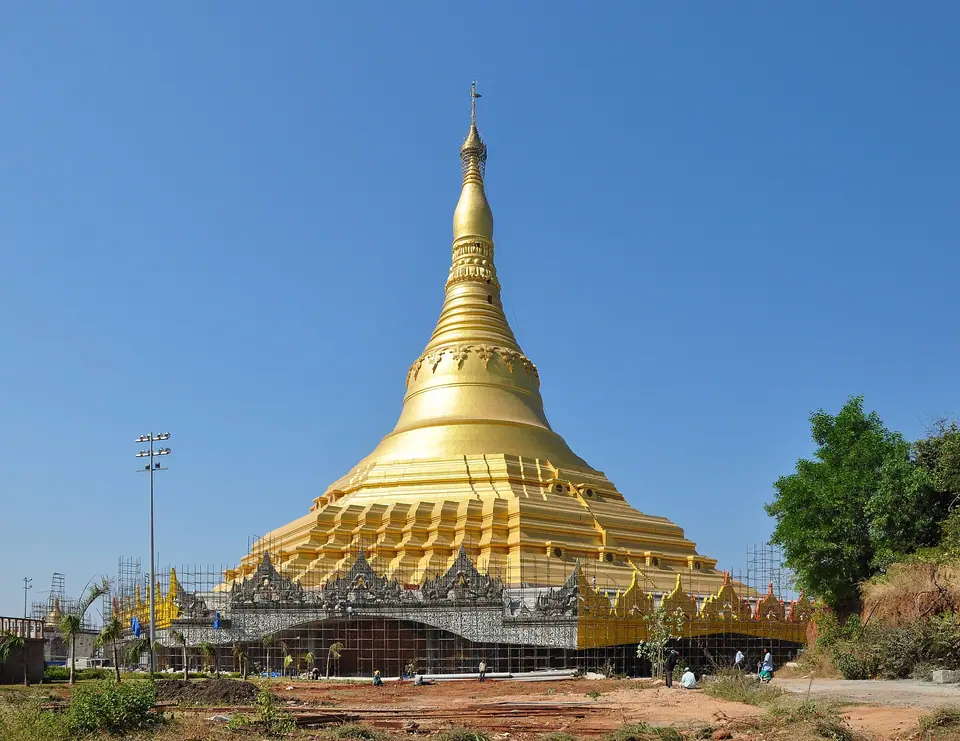
West of Borivali, the ferry across the creek reaches Gorai, where the Global Vipassana Pagoda was inaugurated in 2009. The meditation hall under its dome is free to visit, though hours change, so check before you go. Gorai and Marve beaches are close by and best treated as places to walk rather than swim: swimming is unsafe at most Mumbai beaches, and especially so in the monsoon. Birdlife on the creek is another reason to linger at the water's edge.
- Take the ferry from Borivali across the creek to Gorai, a short crossing children enjoy.
- Visit the Global Vipassana Pagoda at Gorai, free to enter and quiet inside.
- Walk on Gorai or Marve beach, keeping children well away from the water.
- Follow the flat trails near the national park gate in the cool early morning.
What to eat here
The suburbs eat street food at all hours. Vada pav, misal pav, kanda poha, sabudana khichdi, thalipeeth and dabeli are the everyday staples, and a cutting chai finishes most errands. Stand where the queue is moving and the turnover is fast. Around the stations you will also find bhel puri, pani puri, ragda pattice, kulfi and falooda in the evening. None of this is special-occasion food; it is what the neighbourhood eats on a Tuesday.
Sit-down meals run in two directions. Maharashtrian kitchens serve puran poli, kokum sol kadhi and, in season, modak, while the Konkan and Koli seafood tradition brings bombil, surmai, pomfret, prawns and tisrya to the table. The northern suburbs also have a strong Gujarati and Rajasthani presence, so thali places along the main roads are common and filling. East Indian cooking, with its bottle masala, fugias and sorpotel, is harder to find but worth asking after.
Getting there and around
From Chhatrapati Shivaji Maharaj International Airport, Borivali and Kandivali are 13.8 km away in a straight line, but the road distance and the traffic are another matter. The usual route runs north on the Western Express Highway, which is busy through most of the day. A prepaid taxi from the airport or an app cab is the simplest option; check the current fare before you set off. Navi Mumbai International Airport, across the harbour, is 33.9 km away in a straight line.
Borivali and Kandivali stations sit on the Western line, with direct locals to Andheri, Bandra, Dadar and Churchgate. Trains are quick but very crowded at peak hours; first class and ladies' compartments exist, and air-conditioned locals run on some routes. Metro lines serve the western suburbs, though new lines and stations keep opening, so check the current network. Autorickshaws are common here, unlike the island city south of Bandra and Sion, and app cabs are easy to find.
Practical tips and where to stay
Plan around the weather. November to February is dry and pleasant, March to May is hot and humid, and the south-west monsoon, roughly early June to late September, brings flooding to low-lying roads and delays to trains. October stays hot after the rains. Carry some cash even though UPI payments are everywhere, check opening days and hours for the park, the caves and the pagoda, and confirm ferry crossings before a monsoon trip.
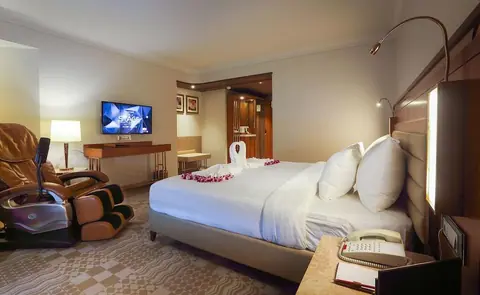
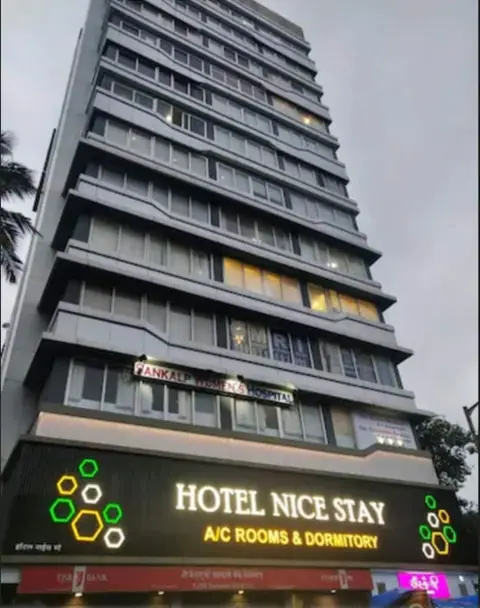
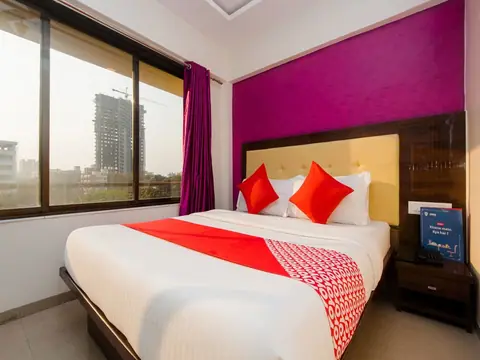
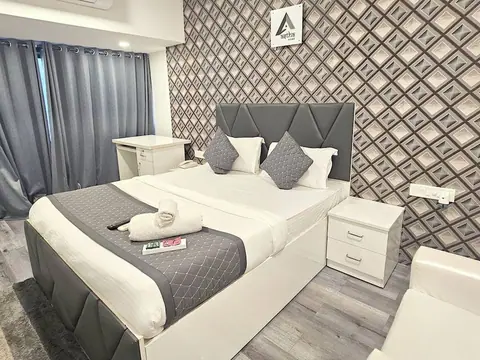
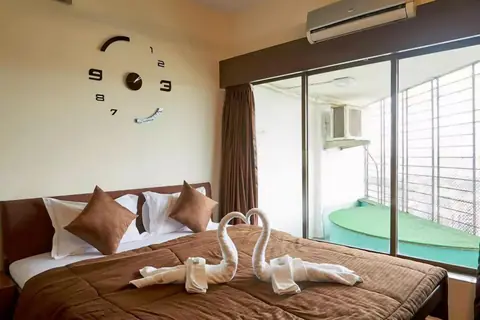
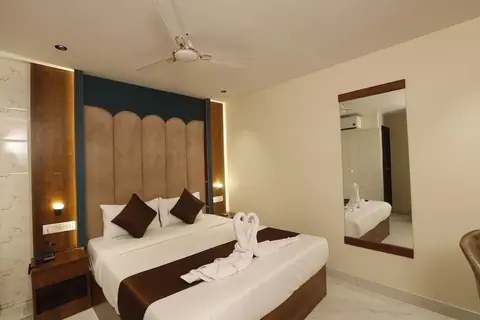
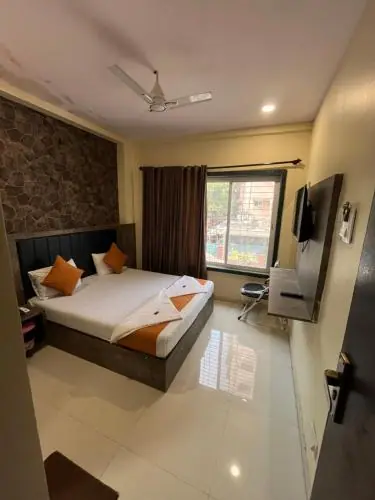
For a short stay, choose by what you want outside the door. The streets around Borivali station suit anyone arriving by train or heading to the park gate, with food and transport within walking distance. Kandivali is quieter and slightly more residential, and works well for families who want calmer evenings. Near the park and the creek, the appeal is green views and birdsong; the trade-off is that you will rely on autos and cabs for everything else.
Ask three questions before booking. First, how far is the address from the station or the main road, since a long walk with luggage is tiring in the heat. Second, is the room on a main road, because traffic noise carries late into the night. Third, does the place serve breakfast, since not every street has an early breakfast place. Confirm the address and the route with your host before arrival.
Editorial review: 16 November 2026 · imptmumbai.in, written with AI assistance (see the editorial policy).