- District
- Western suburbs
- Airport
- 10.3 km from BOM
- Railway
- Malad, Western line
- Stays listed
- 34 in the area
Malad's village roots
Malad began as a cluster of villages on the flats between the sea and the hills, with Koli fishing families working the creeks and East Indian Catholic families farming the land. The railway on the Western line turned a country outing into a suburb, and the fields gave way to buildings over the last century. Pockets of the older settlement remain: the lanes around the churches, the fishing hamlets near the coast, and the low houses set back from the main roads.
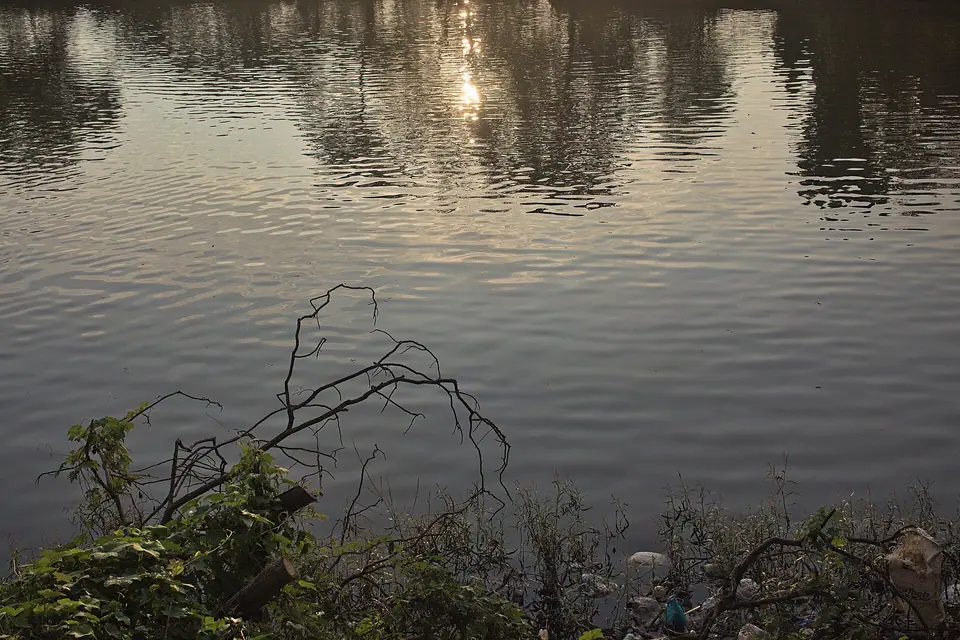
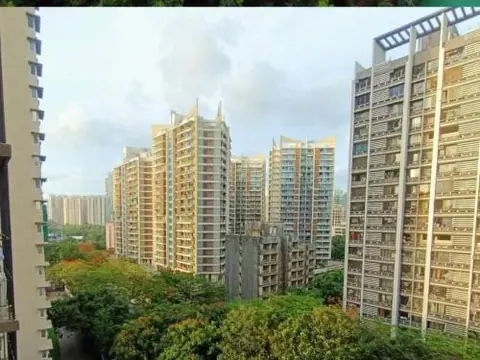
Water sets the shape of the place. Malad Creek cuts in from the eastern side, and the western edge runs out to the shore at Madh, Marve and Aksa. Old village centres and new apartment blocks sit close together, so ten minutes of walking passes a vegetable market, a temple, a chapel and a long wall of new buildings. The appeal for a visitor is that mixture: a working suburb with a coastline at the end of the road, and smaller crowds than the beaches nearer the city.
A first walk through Malad
Start at Malad station and walk west, away from the station approach road. The lanes behind the main road hold a working market: vegetables in crates, flower sellers, small workshops and stalls for tea and snacks. Turn south and follow the roads that lead towards Marve, where the buildings thin out and the air changes. Keep the walk unhurried. There is no single sight to tick off here; the interest lies in everyday streets and the way the city loosens as you near the water.
The second half of the walk is the shore. The road to Marve and Madh runs past salt pans, mangroves and inlets where fishing boats are moored. Madh Island, reached by this road, has a village centre, old lanes and a beach beyond. Aksa, further north along the coast, is another long stretch of sand. Go early in the morning or in the hour before sunset, when the light is low and local families come out. Swimming is unsafe at all of these beaches, in the monsoon especially.
What to see and do
Malad suits travellers who have seen the headline sights and want a slower day. The coast is the main draw. Madh, Marve and Aksa are city beaches, which means sand, snack stalls, games of cricket and a great deal of local life, not empty resort sand. The creeks and mangrove edges reward a slow look, particularly at low tide, when birds and boats are easier to see. Inland, the market lanes and the older lanes around the churches keep a village scale.
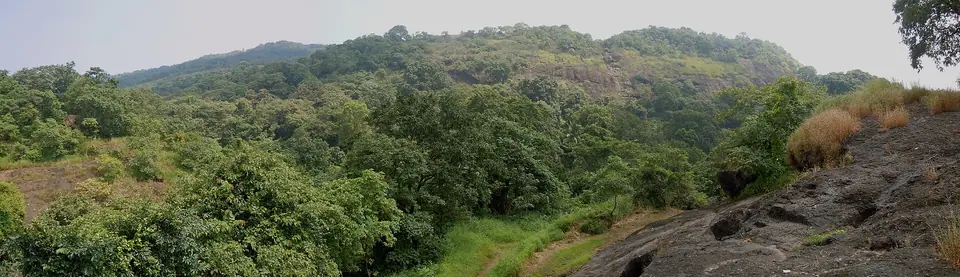
Children do well here. The beaches have space to run, and the shallow creek edges are good for watching boats, with an adult close by. Ferries from Versova reach Gorai, where the Global Vipassana Pagoda stands; entry is free, though hours vary, so check before you go. Further north on the Western line, Sanjay Gandhi National Park at Borivali has forest paths and the Kanheri caves. The museums at Byculla and Kala Ghoda make a full day out for older children.
- Walk the shore at Madh and Marve in the early morning, when the fishing boats come in.
- Take children to Aksa for sand and space, and keep them out of the water.
- Cross to Gorai by ferry from Versova to see the Global Vipassana Pagoda.
- Look for the old church lanes and the fishing hamlets inland from the coast road.
Eating in Malad
Malad eats like a suburb rather than a tourist district, which is its advantage. Street stalls turn out vada pav, misal pav, pav bhaji, bhel puri and kanda poha through the day, and the crowds from the station keep the counters busy. Gujarati and Marathi households have shaped the local tables, so expect thali places, farsan shops and sweet counters alongside smaller places for dosa, chaat and biryani. Portions are generous. UPI phone payments are widely accepted, though some cash is worth carrying.
The seafood follows the coast: bombil, surmai, pomfret and prawns, with tisrya clams cooked in the Konkan style. East Indian families use bottle masala, a spice blend made once a year and stored in bottles, and the flavour turns up in fugias and sorpotel at feast times. For something sweet, kulfi and falooda are the standard order near the beaches, and ukadiche modak appears around Ganesh Chaturthi. Cutting chai, half a glass, is the right way to end a walk.
- Order misal pav for a late breakfast, with the farsan added at the table.
- Look for thali places at lunch, when the queues are local and quick.
- Try Konkan seafood near the coast road: bombil, surmai and prawns.
- Finish with kulfi or falooda on the way back from the beach.
Getting there and around
Chhatrapati Shivaji Maharaj International Airport is about 10.3 km away, and Navi Mumbai International Airport is about 31.8 km across the harbour; check which airport your flight uses. Both are reached by road, and the drive depends on the hour, so allow generous time at peak periods. Malad station sits on the Western line, with direct trains from Churchgate and Bandra and connections onward to Borivali. Metro lines in the western suburbs keep opening, so check the current network before you rely on one.
Within Malad, autorickshaws and app cabs do most of the short trips, and they are the simplest way to reach Marve, Madh and Aksa, which lie west of the station along the coast road. Buses run along the main roads and are frequent. CSMT is about 27.5 km away and the Gateway of India about 29.5 km, both easier by train than by road in busy hours. Ferries from Versova serve Gorai, though crossings stop in rough monsoon weather.
Where to stay in Malad
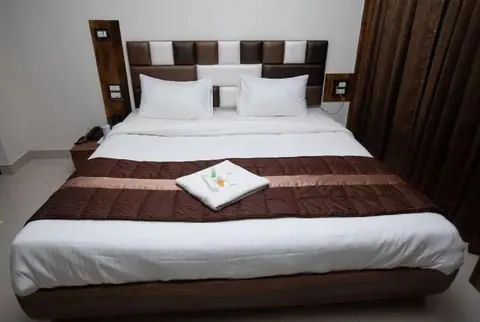
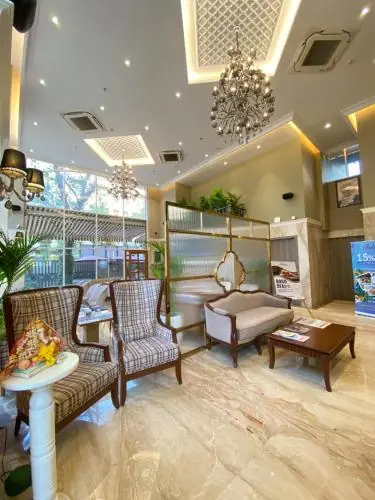
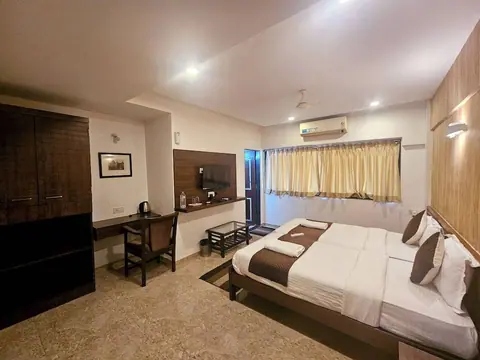
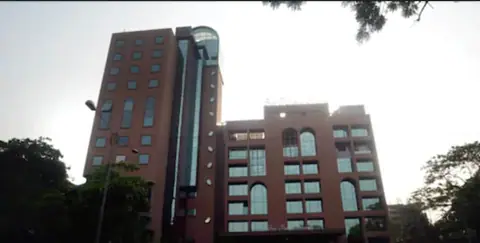
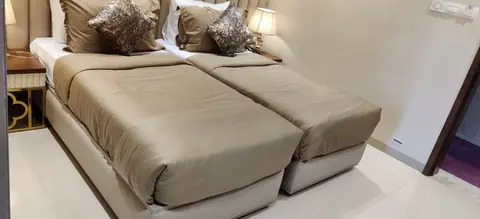
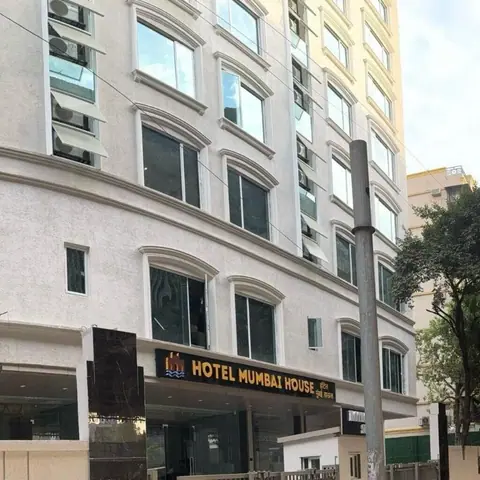
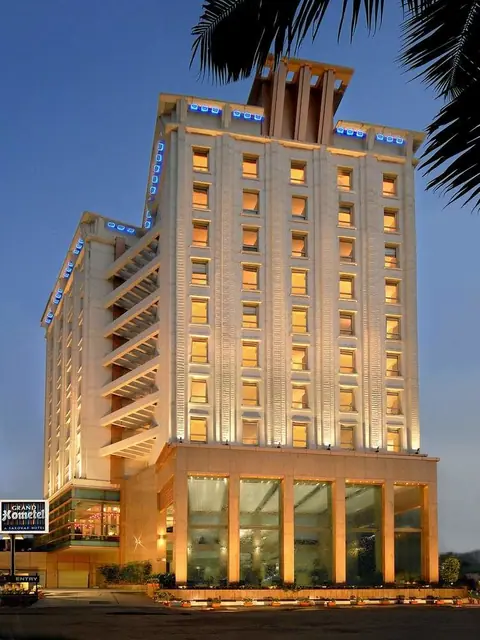
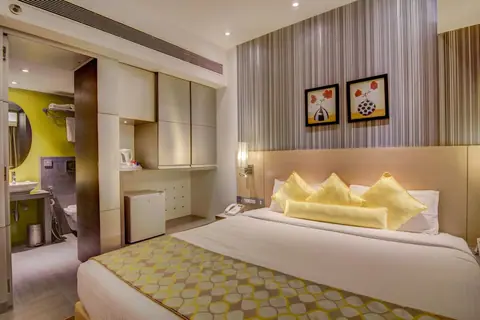
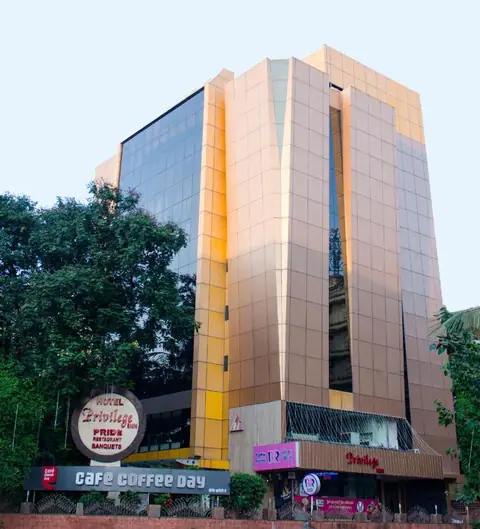
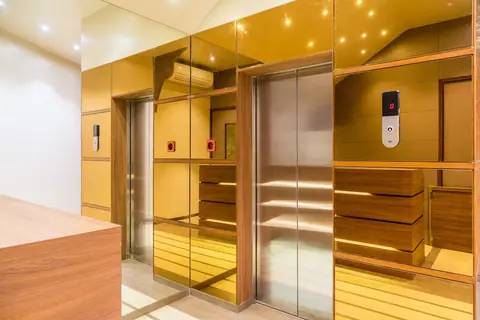
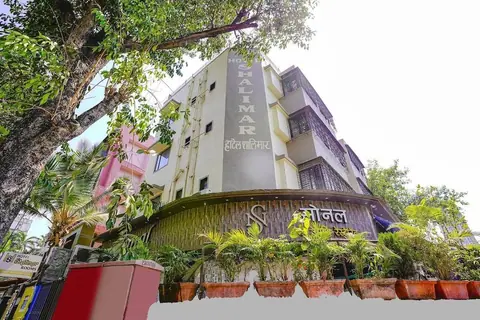
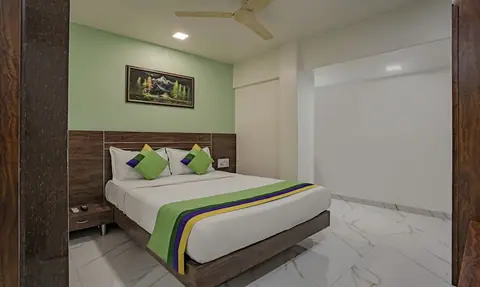
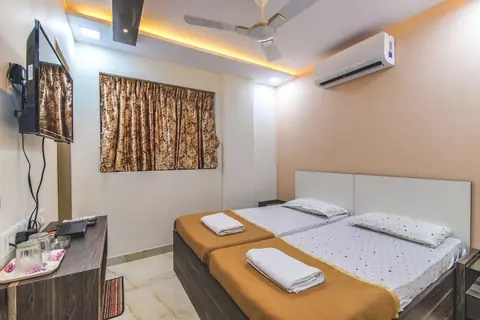
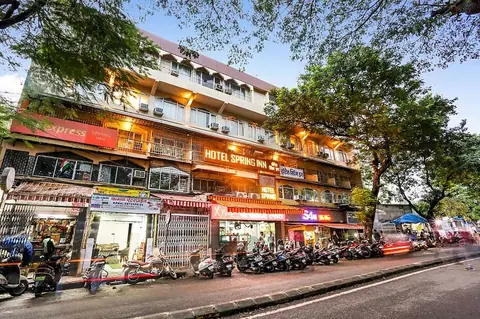
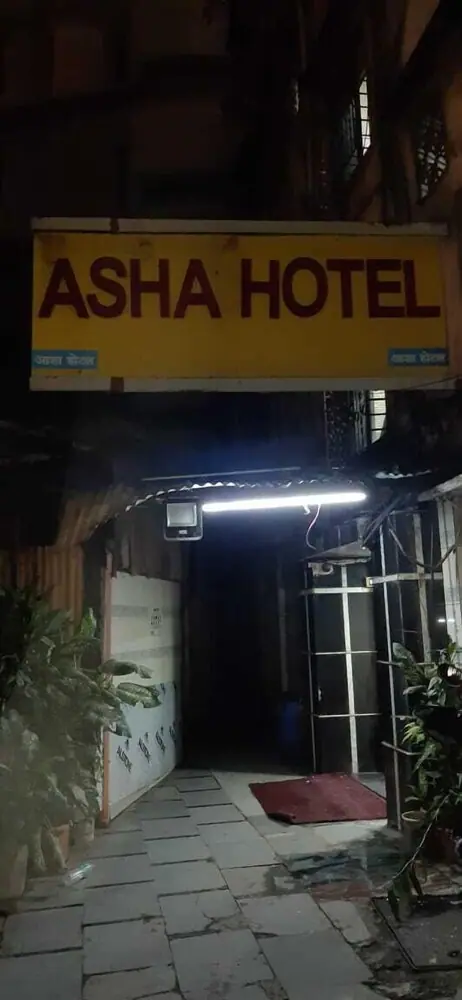
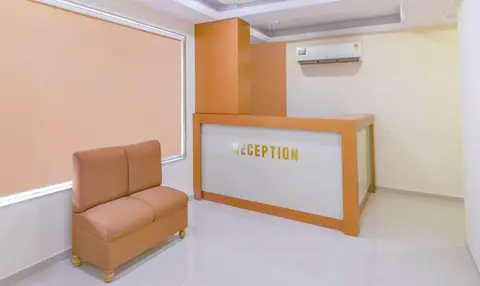
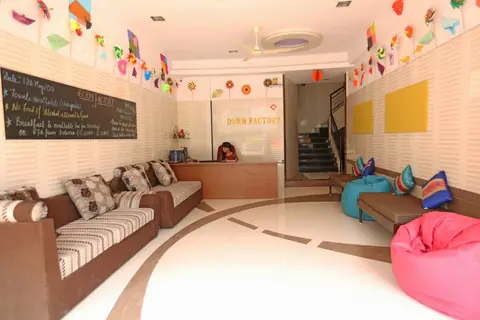
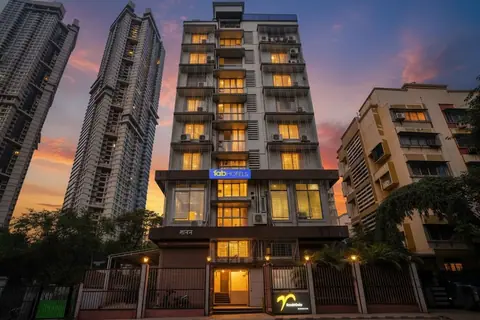
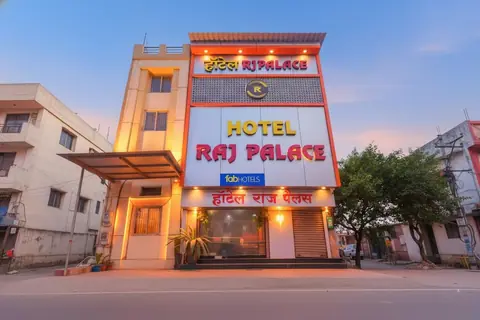
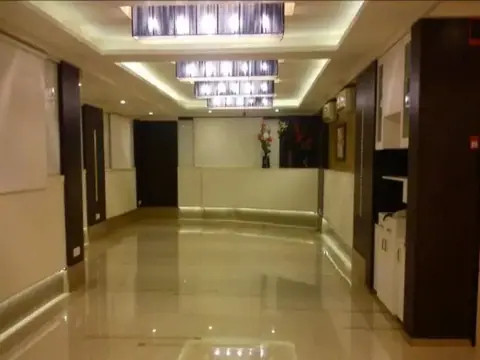
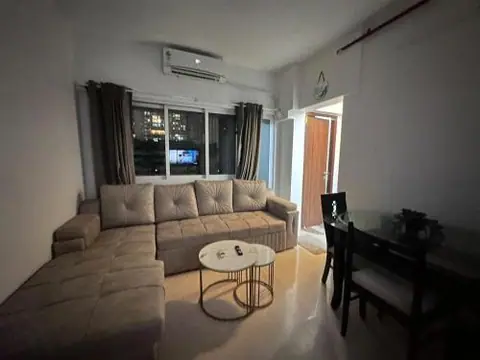
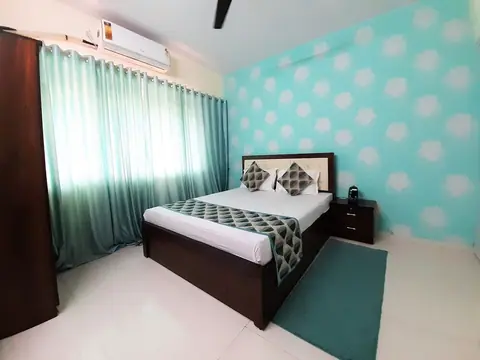
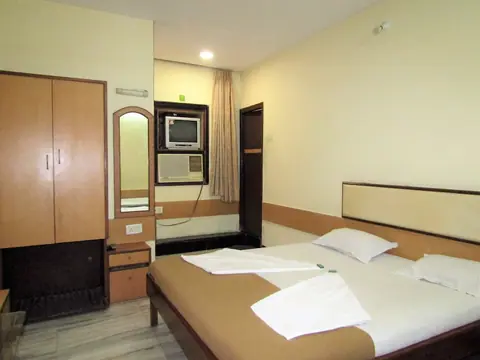
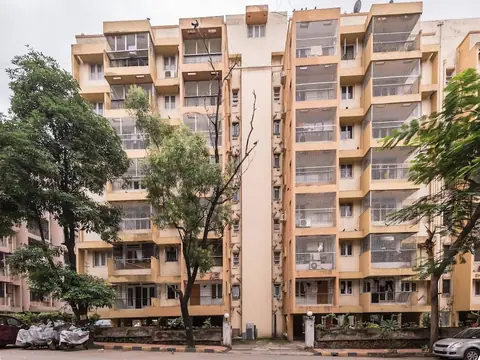
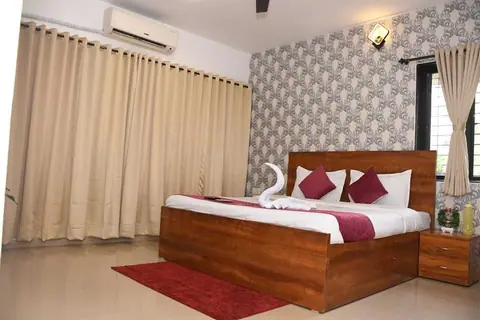
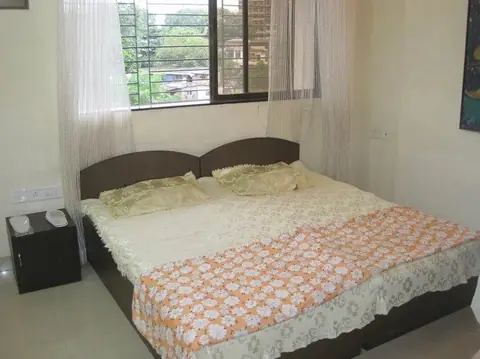
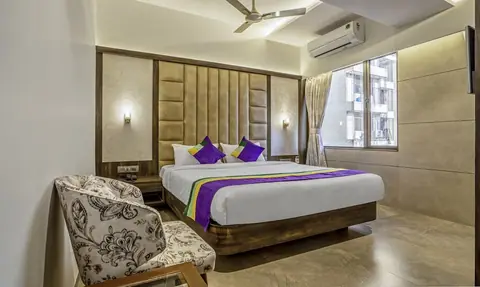
There are 34 stays listed in Malad, mostly small hotels and guest houses rather than large resorts. Most cluster near the station and along the main roads, where transport, food and shops are within walking distance. A smaller number sit towards Marve Road, nearer the creeks and the shore, where nights are quieter but every outing needs a ride. Choose by the shape of your days: station-side for train journeys and the city, coast-side for beach mornings and slow evenings.
Book ahead for weekends, for festival weeks and for the cool months from November to February, when the city fills up. Ask about the approach road, hot water and air conditioning, since smaller places vary. Malad is not a walking base for the headline sights, so treat it as a base for the western suburbs, the airport and the beaches rather than for Colaba and the Fort. Check the current fare and the cancellation terms before you commit.
Editorial review: 16 November 2026 · imptmumbai.in, written with AI assistance (see the editorial policy).