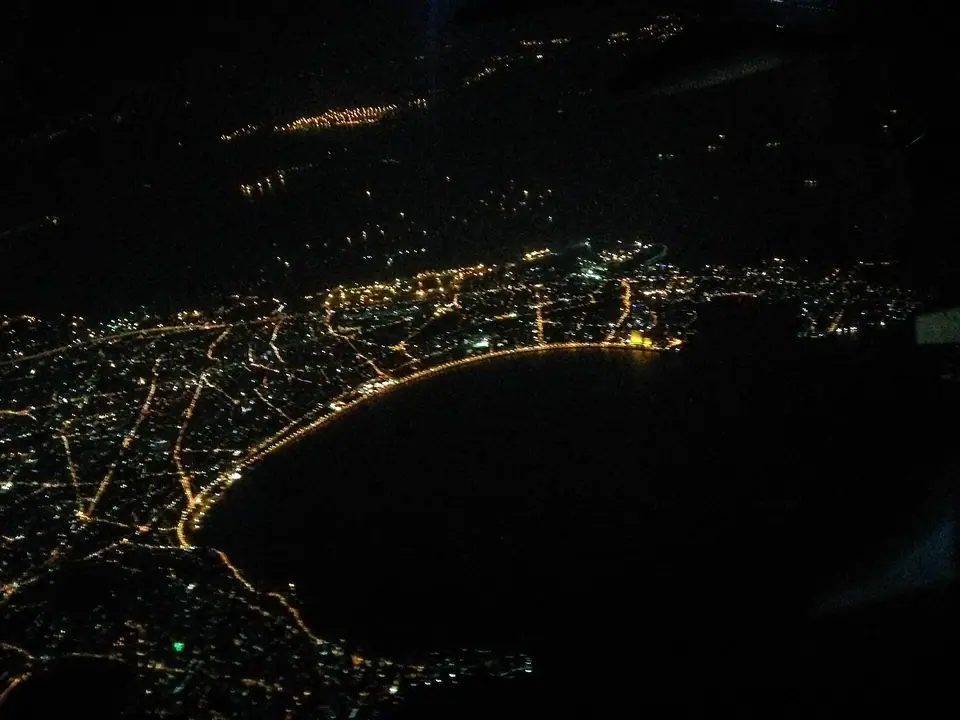
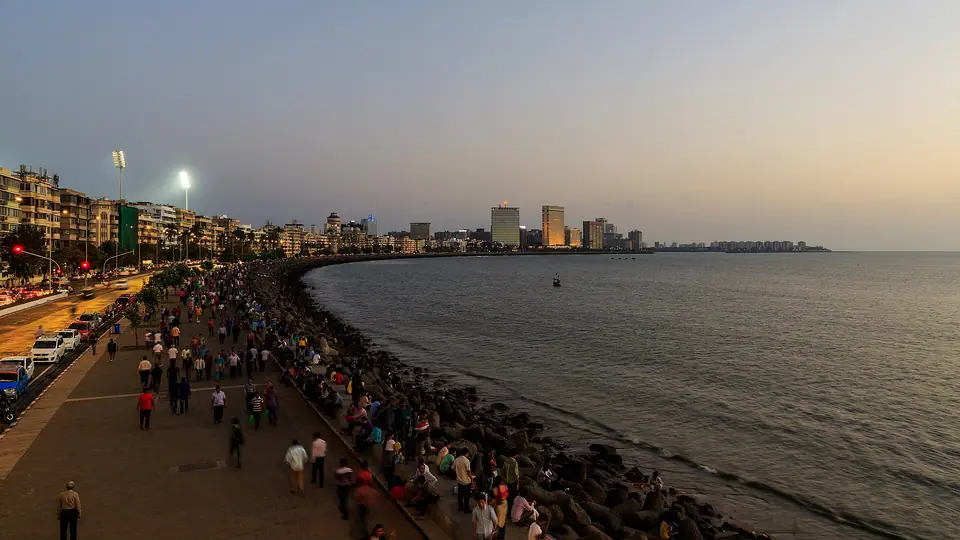
Watch the Queen’s Necklace light up along Marine Drive, catch a local to Bandra, eat vada pav at a station stall and end the night on the sea face. Mumbai never slows down.
Imperial arches, a Gothic railway cathedral, cave temples across the harbour and a cable-stayed bridge over the sea.
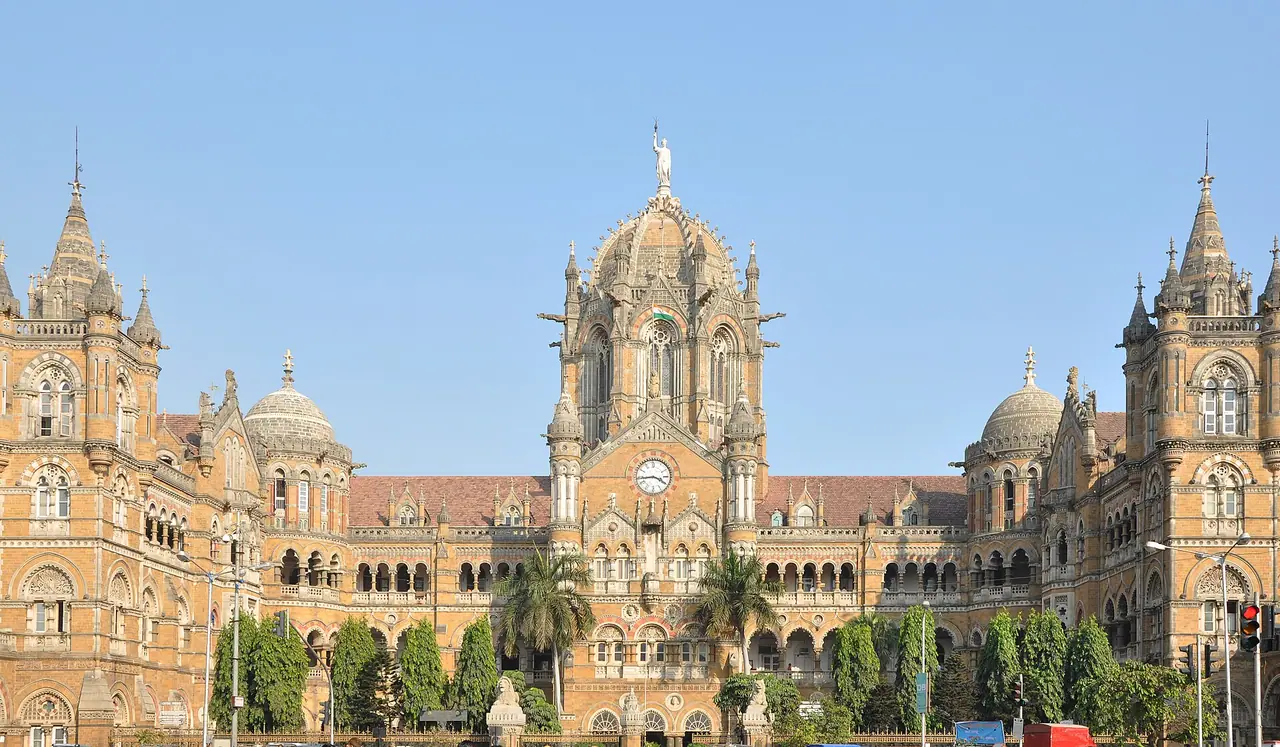
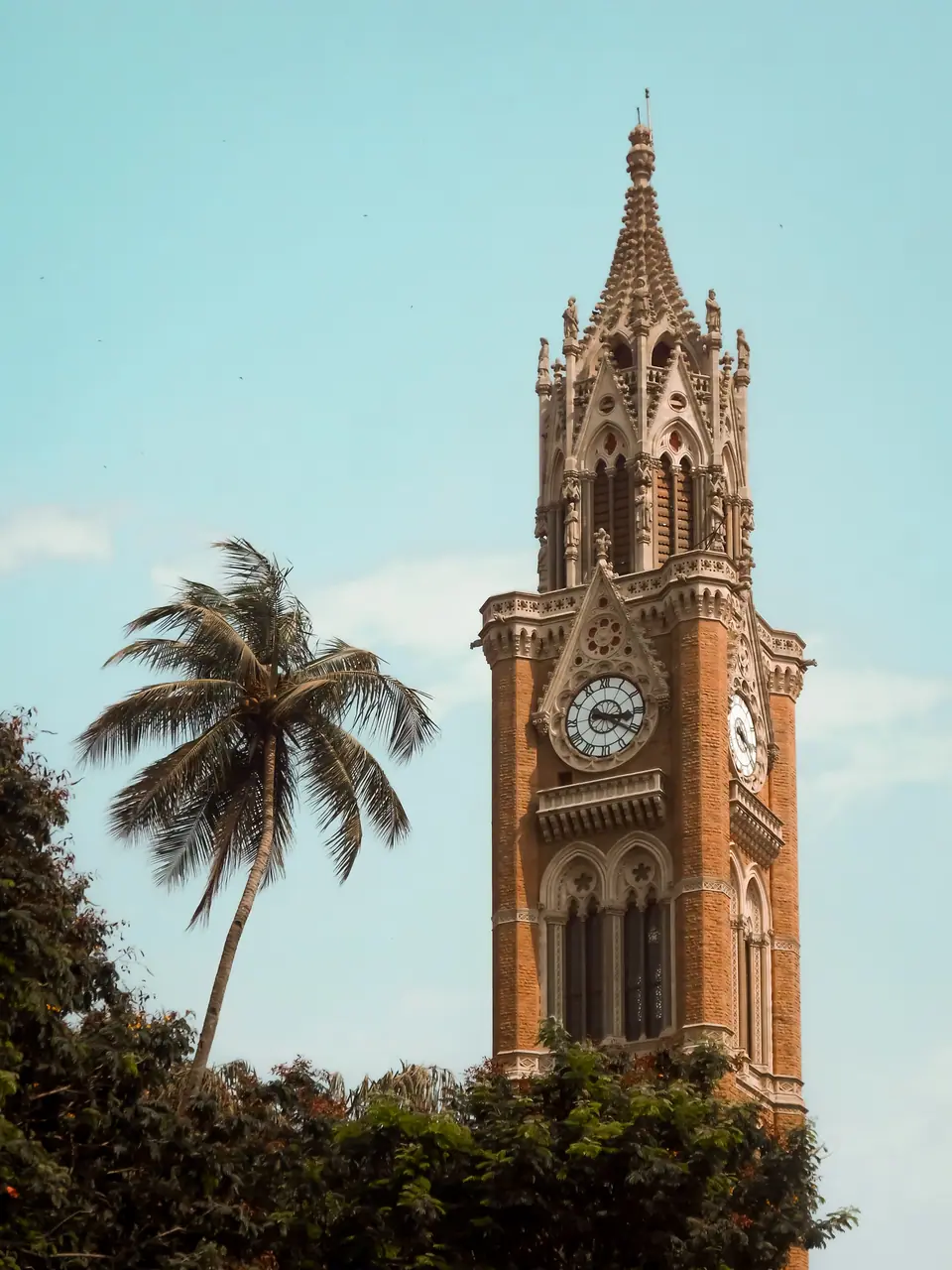
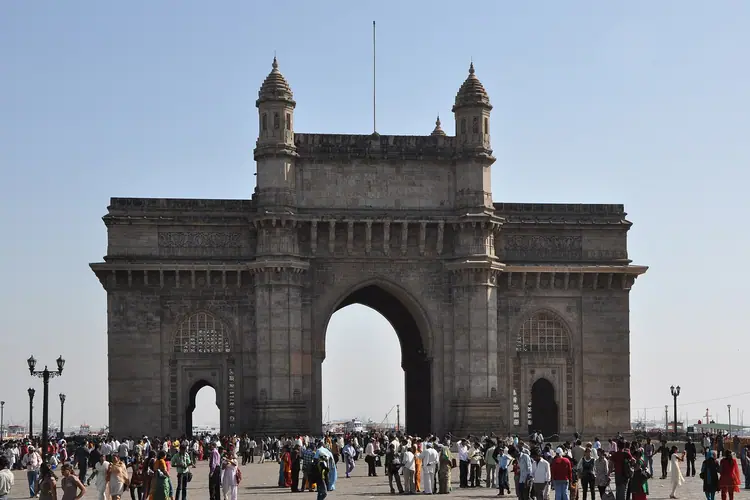
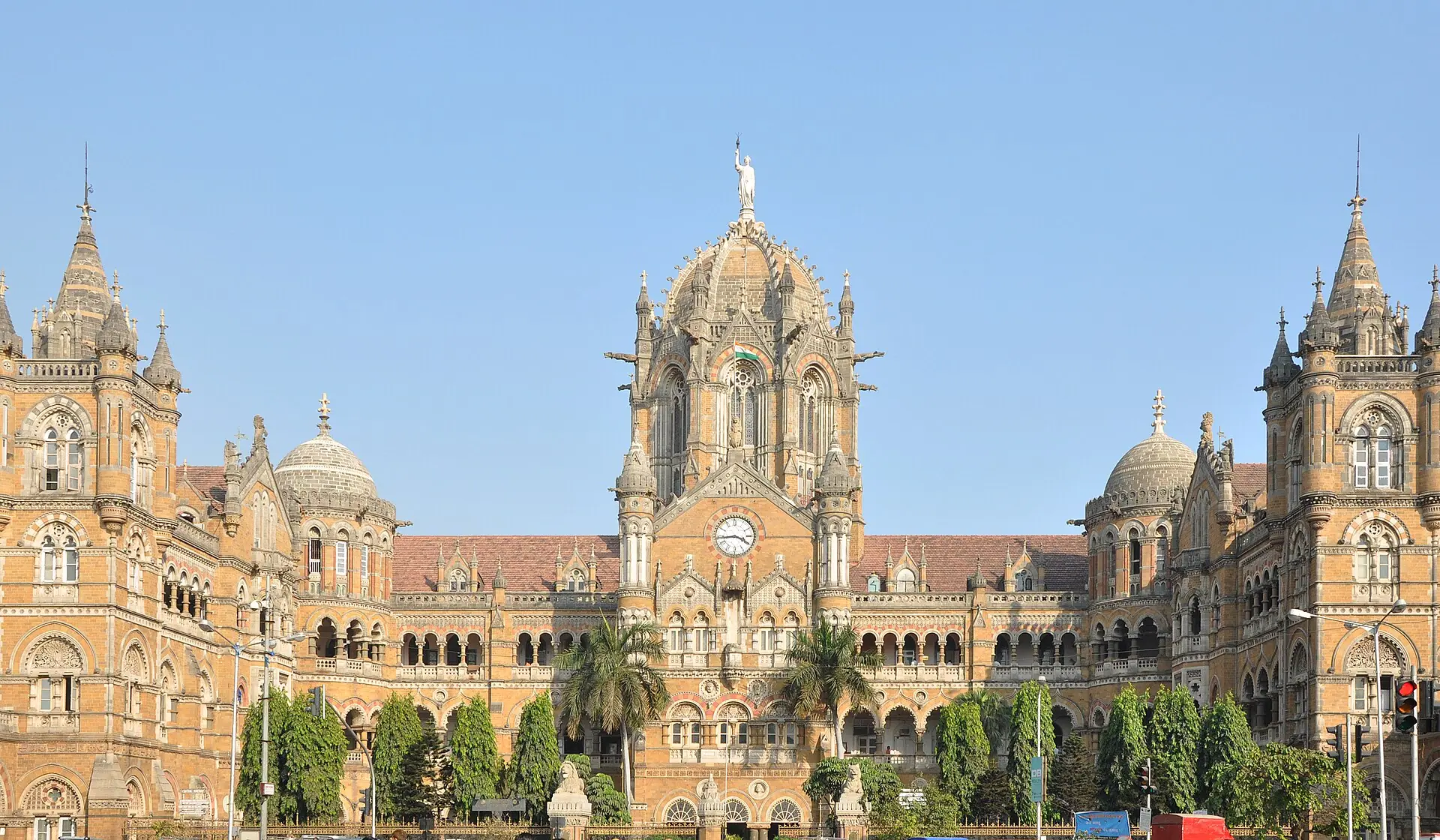
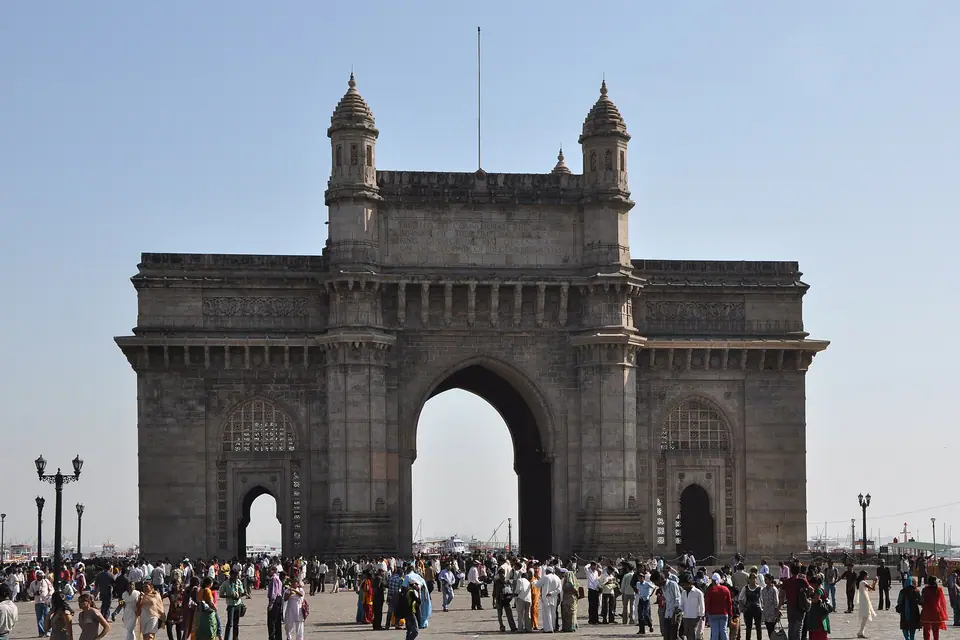
Fort · UNESCO · 1878Rajabai Clock TowerThe 85 m Gothic Revival tower of the University of Mumbai, part of the Victorian Gothic and Art Deco World Heritage ensemble beside the Oval Maidan.Fort · UNESCOVictorian Gothic FortSpires, turrets and carved stone around CSMT and Azad Maidan.Colaba · 1924Gateway of IndiaBasalt arch on Apollo Bunder — come at sunrise, before the crowds and the Elephanta ferries.
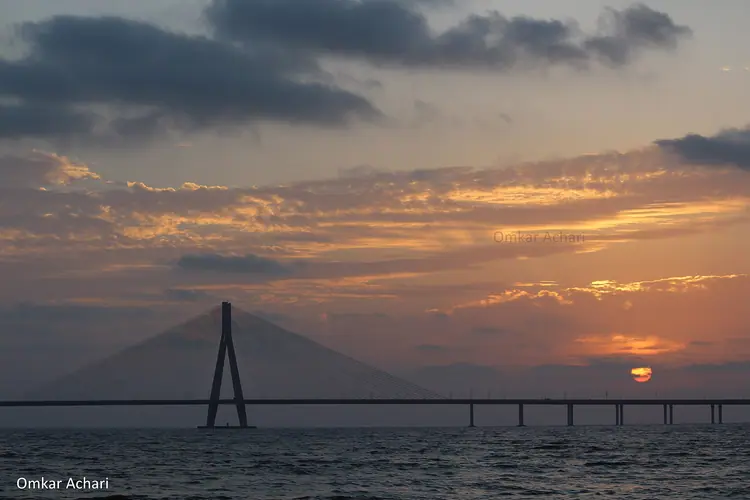
सी लिंक
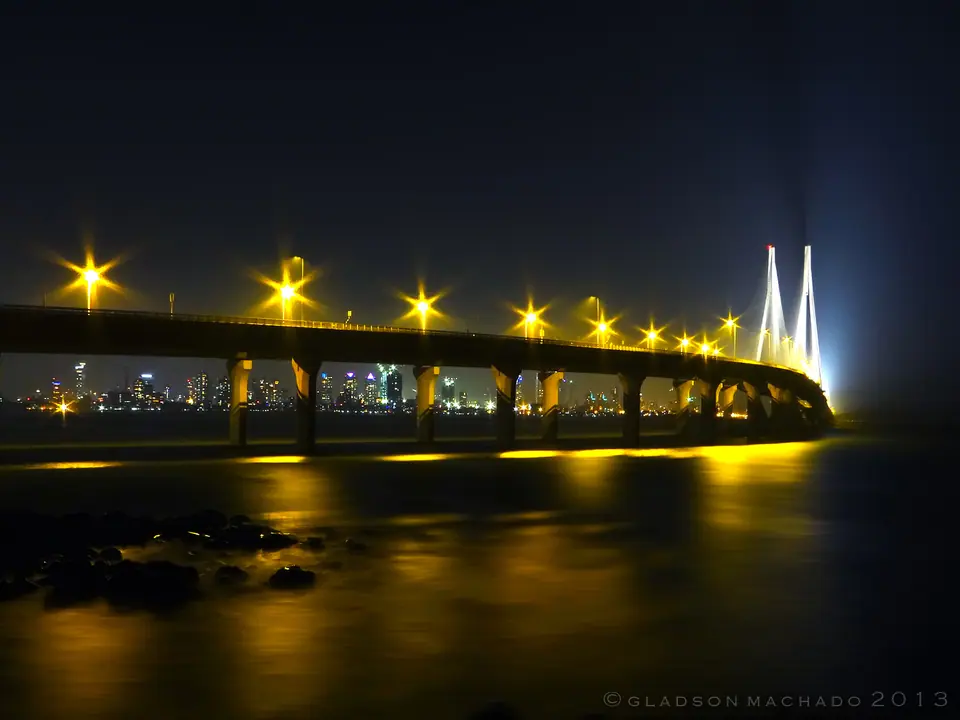
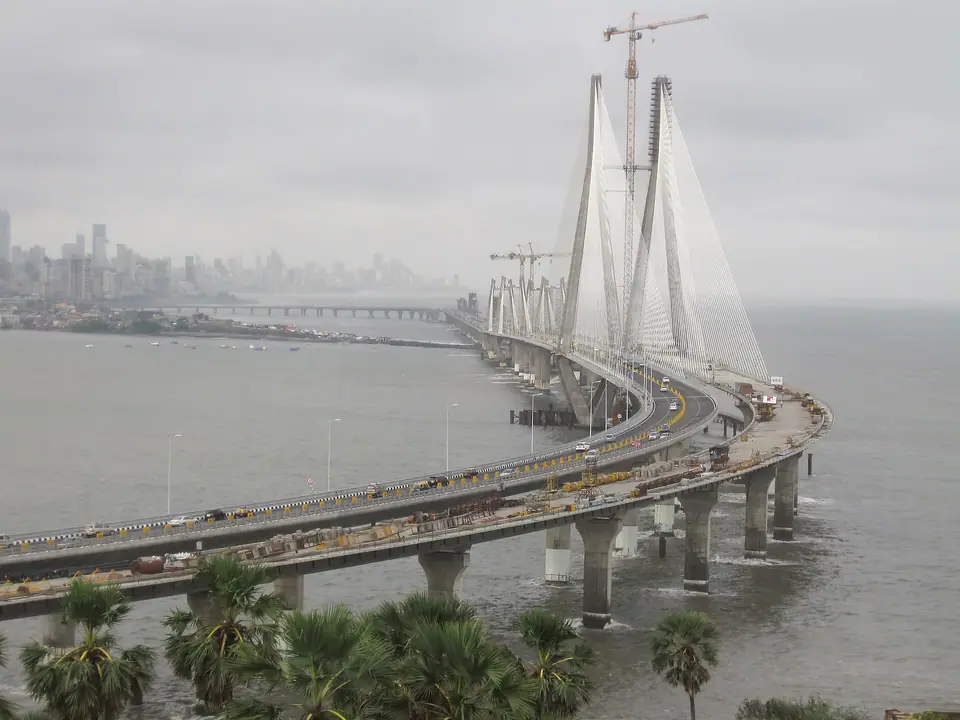
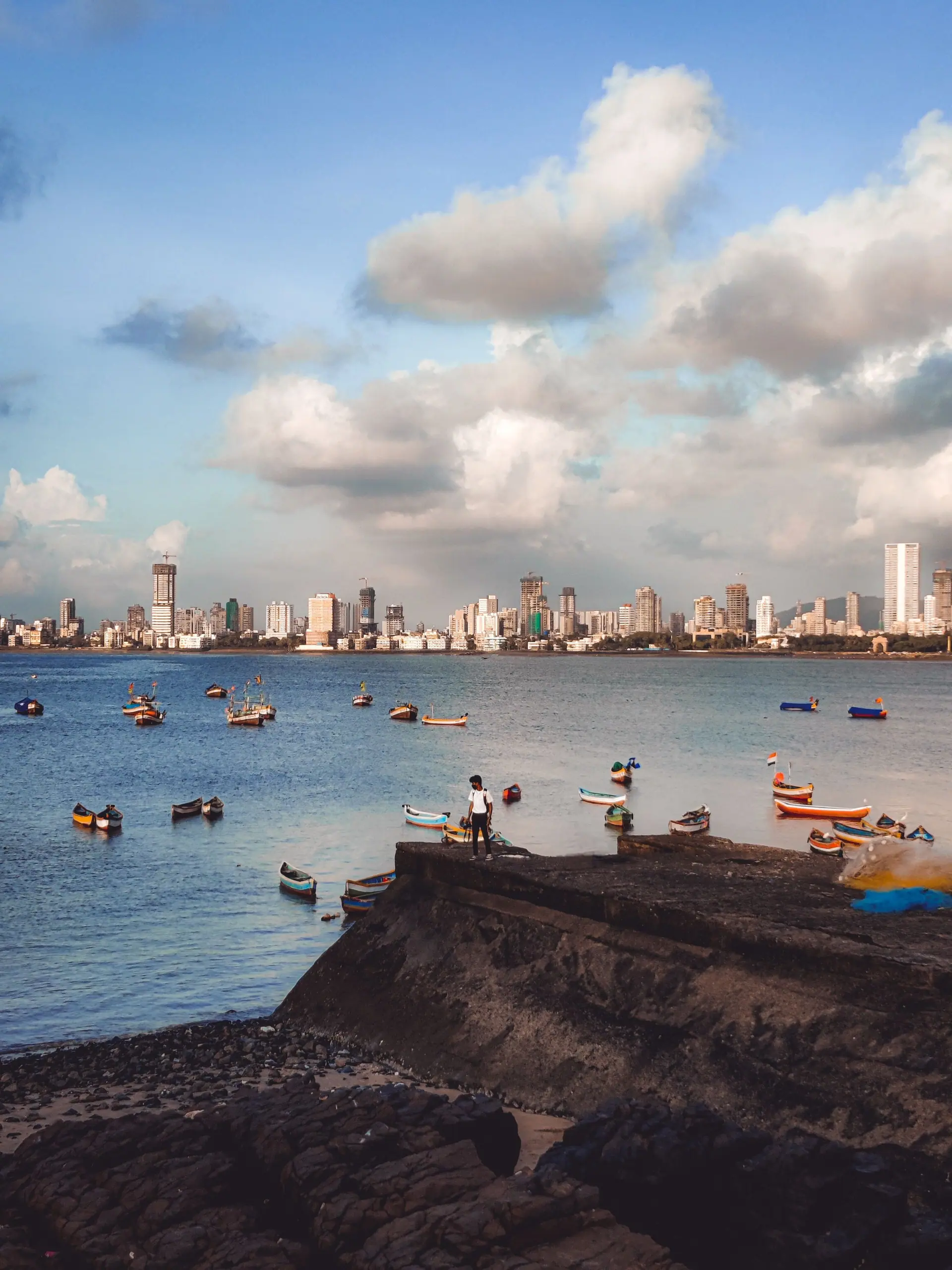
Worli ↔ BandraBandra–Worli Sea LinkCable-stayed bridge over Mahim Bay — best at sunset.
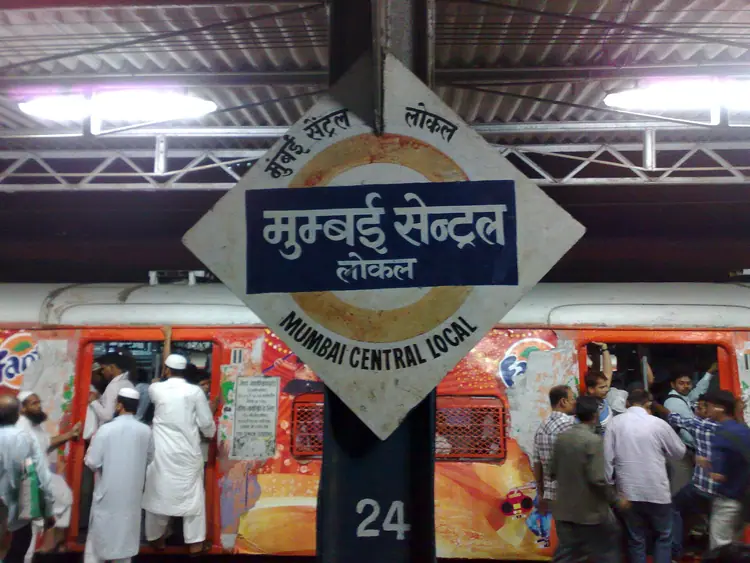
लोकल
Off-peak onlyRide a localChurchgate to Bandra in about 25 minutes.
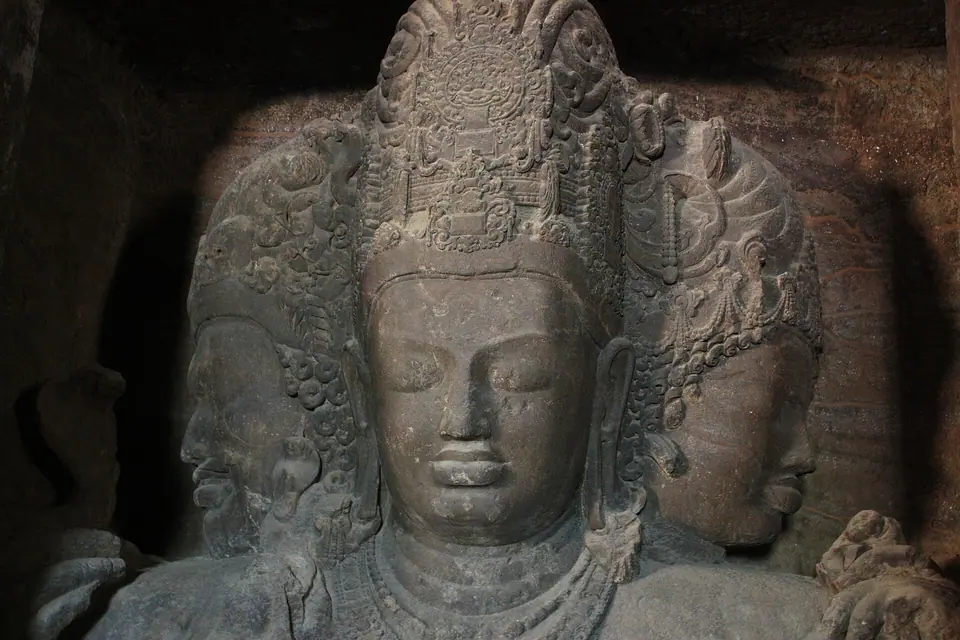
घारापुरी
≈ 1 h by ferry · UNESCOElephanta CavesRock-cut cave temples on Gharapuri island with the great three-headed Shiva. Closed on Mondays.
Mumbai eats on the move. Breakfast is bun maska at an old Irani café, lunch arrives by dabbawala, and the evening snack is bhel on the sand at Chowpatty. Seafood is Koli and Malvani — try bombil (Bombay duck) fried crisp.
01
Vada pavSpiced potato fritter in a soft bun with garlic chutney — the city’s fuel, from any station stall.
02
Pav bhajiButtery mashed-vegetable curry with toasted buns. Best on the beach at Juhu or Chowpatty.
03
Bhel puriPuffed rice, sev, onion, tamarind and green chutney, eaten from a paper cone at sunset.
04
Bun maska & chaiButtered bun dunked in sweet tea at one of the remaining Irani cafés in Fort and Colaba.
05
Bombil fryBombay duck — actually a fish — rava-coated and fried in Koli and Malvani restaurants.
06
Mohammed Ali RoadKebabs, malpua and phirni on the old-city food street, liveliest during Ramzan nights.
Where to sleep
Hotels in Mumbai
Stays across Mumbai on IMPT. Every booking through IMPT funds one tonne of verified CO₂ offset. See all 1812 stays →
Guest scores are from the booking supplier. Prices and availability are live in the IMPT app.
A year in Mumbai
When to go (and when it pours)
Warm all year, usually 25–33°C. The real question is the monsoon — dramatic, green and very, very wet.
Jan
Feb
Mar
Apr
May
Jun
Jul
Aug
Sep
Oct
Nov
Dec
Best weather
Hot & humid
Monsoon
Drying
Best weather
Wettest
Ganeshotsav
Diwali
Nov – Feb
Peak season
Dry, sunny and as cool as Mumbai gets. The Kala Ghoda Arts Festival lands in February. Book hotels early.
Jun – Sep
Monsoon
Huge waves on Marine Drive and cheaper hotels — but flooding can stop trains and roads. Keep plans flexible.
Aug – Sep
Ganesh Chaturthi
Ten days of pandals and processions, ending with idols carried to the sea at Girgaum Chowpatty.
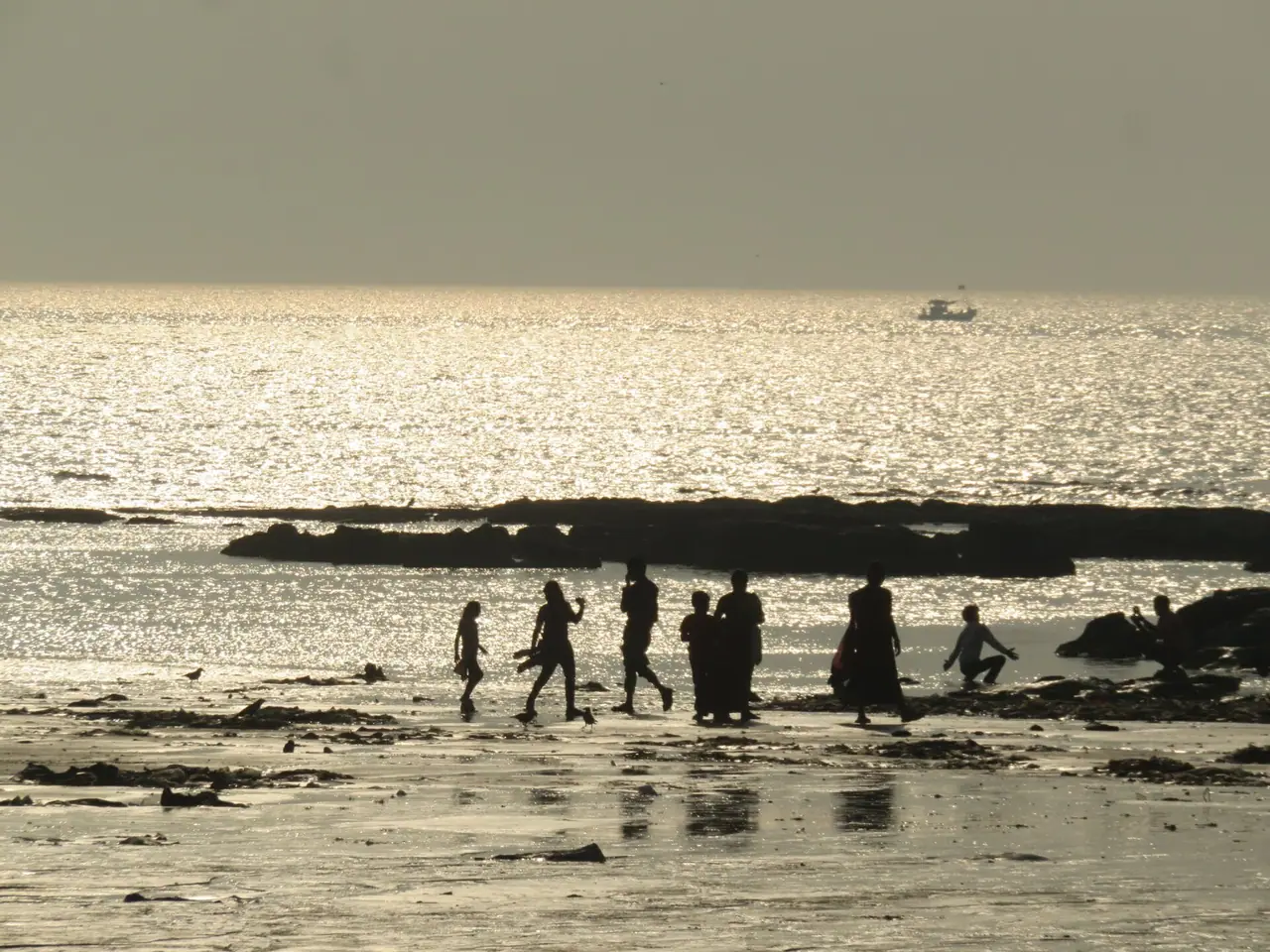
संध्याकाळ, मरीन ड्राइव्हEvening on Marine Drive — the best free show in the city.
Before you fly
Visa for India
Most foreign visitors need a visa. Many nationalities can get an e-Tourist Visa online and land at Mumbai (BOM) with it. Apply only on the official government site — look-alike agencies charge extra.
Nepal and Bhutan citizens don’t need a visa. Most other passports need an e-Visa or a regular visa from an Indian mission.
2
Apply online
Use indianvisaonline.gov.in at least four days before arrival, with a passport photo and passport scan.
3
Carry the approval
Print or save your ETA email. Biometrics are taken on arrival at the e-Visa counters.
Trains, taxis & ferries
Getting around
LOCAL TRAINWestern, Central & Harbour linesThe fastest way north–south. Buy tickets on the UTS app; travel off-peak and stay clear of the doors.
KAALI-PEELIBlack-and-yellow taxisMetered and everywhere in South Mumbai. Autorickshaws only run in the suburbs, north of Bandra and Sion.
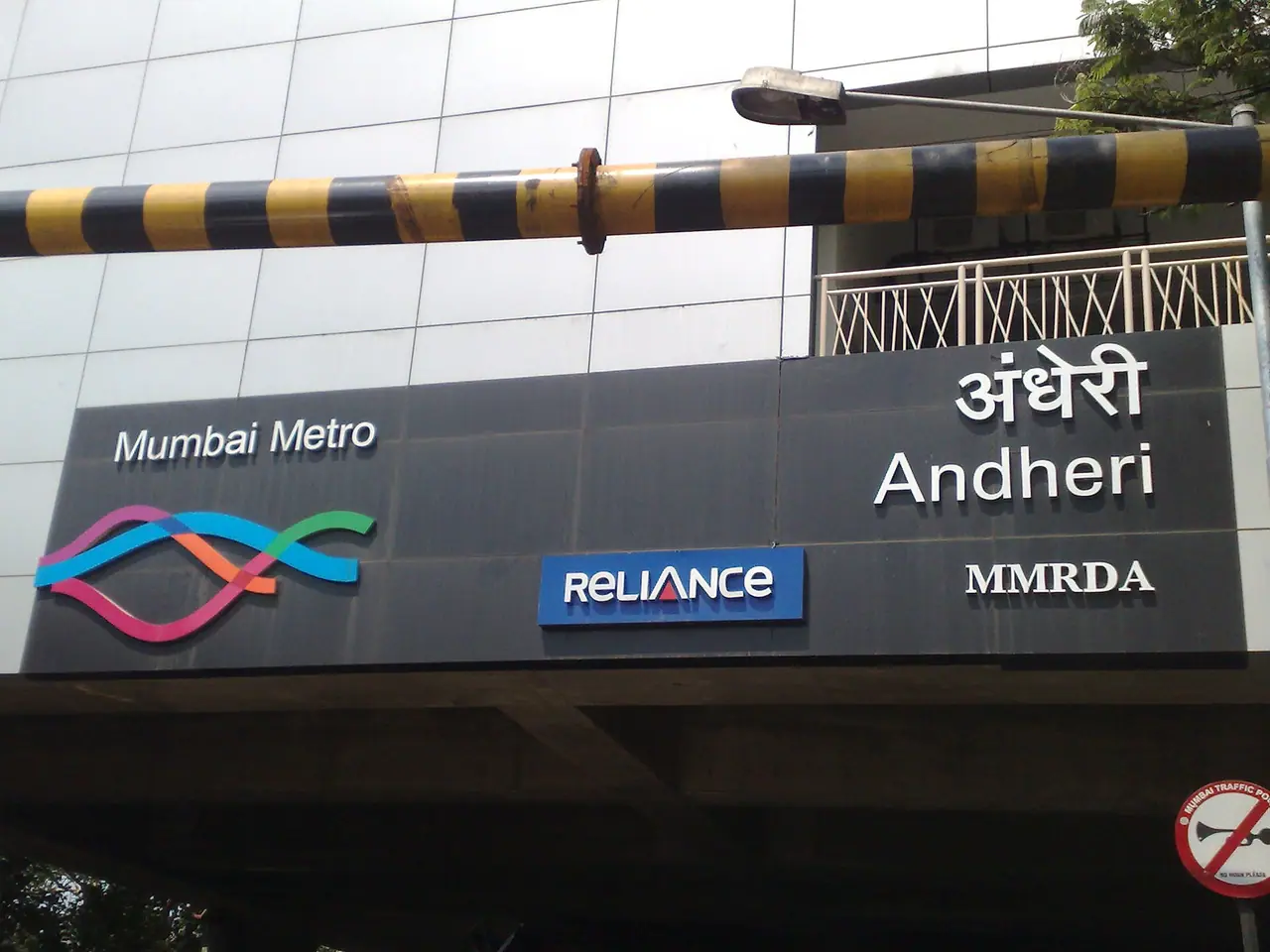
METROAir-conditioned and growingHandy for Andheri, Versova and Ghatkopar, plus the underground Aqua Line beneath the city.
FERRYFrom the GatewayBoats to Elephanta (about an hour) and to Mandwa and Alibaug on the mainland coast.
Mumbai travel guide: what to know before you go
Mumbai — officially Bombay until 1995 — is India’s largest city and its commercial capital, built on seven islands on the Arabian Sea coast of Maharashtra. It is home to the stock exchange, the Hindi film industry and some of the country’s finest colonial-era architecture, and it is the starting point for many first trips to India.
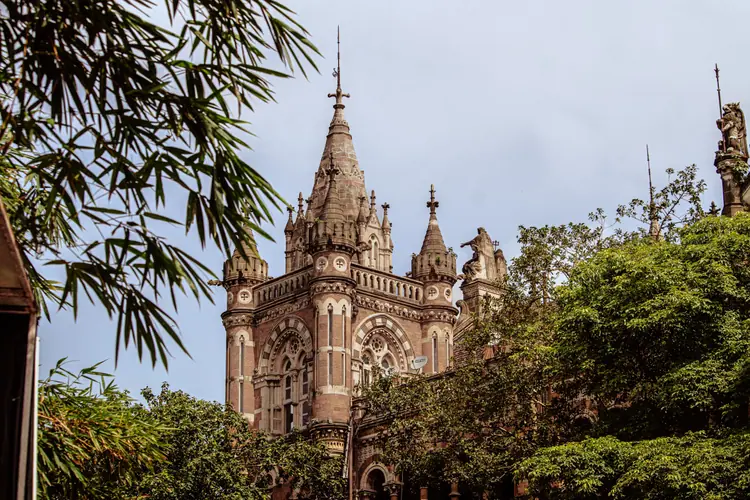
Chhatrapati Shivaji Maharaj Terminus (CSMT), a UNESCO World Heritage Site. Photo: Joe Ravi, CC BY-SA.
For visitors, the city splits in two. South Mumbai — Colaba, Fort, Kala Ghoda, Churchgate and Marine Drive — holds the Gateway of India, CSMT, the museums and the Art Deco seafront, and is the easiest base for a first visit. The suburbs to the north — Bandra, Juhu and Andheri — are where Mumbai goes out to eat, shop and party, and where most airport hotels are.
Three days in Mumbai
Day 1: Gateway of India at sunrise, Colaba Causeway, Kala Ghoda galleries and the CSMVS museum, sunset on Marine Drive.
Day 2: Morning ferry to Elephanta Caves; afternoon at CSMT and Crawford Market; dinner on Mohammed Ali Road or at an Irani café.
Day 3: Dhobi Ghat and Haji Ali, then over the Sea Link to Bandra — Bandstand, Chapel Road street art and Juhu Beach for the evening.
Practical information
Money: Indian rupee (₹). UPI phone payments are everywhere; cards work in hotels and restaurants. Carry small notes for taxis and stalls.
Language: Marathi is the state language; Hindi and English are widely spoken.
Time: India Standard Time, UTC+5:30, all year.
Dress: light cotton; cover shoulders and knees for temples, mosques and Haji Ali Dargah.
Water: drink bottled or filtered water, and choose busy food stalls.
Mumbai questions
What is the best time to visit Mumbai?
November to February: dry, sunny and less humid. March to May is hot; the monsoon runs from about June to September, with July usually the wettest.
Do I need a visa for Mumbai?
Most foreign visitors do. Many nationalities can apply for an e-Tourist Visa at indianvisaonline.gov.in before travel.
How many days do you need in Mumbai?
Three days for South Mumbai, Elephanta and an evening in Bandra; five to add Juhu, markets, food walks and a day trip.
Is it safe to take the local train?
Yes, outside rush hours (roughly 8–11 am and 5–9 pm). Keep away from the doors; first class and the ladies’ compartments are calmer.
How do I get from the airport to the city?
Prepaid taxis and ride-hailing from BOM: about 30–45 minutes to Bandra and 60–90 minutes to Colaba, depending on traffic.
What should you wear when visiting temples and mosques in Mumbai?
Modest clothing suits most shrines in Mumbai: shoulders and knees covered, and footwear left at the entrance. Women may be asked to cover their head at a mosque or dargah, so a light scarf helps. Some places ask visitors to leave bags or phones outside. Rules differ from site to site, so check before you go and follow any notices at the gate.
How does the monsoon affect a visit to Mumbai?
The south-west monsoon reaches Mumbai around early to mid June and usually lasts to late September, though the dates shift each year. Expect heavy downpours, flooded low-lying roads and slower trains, and ferry services may be suspended. Pack rainwear, keep plans flexible and check before you go. Museums and galleries make good wet-day stops.
Is Mumbai a good place to visit with children?
Yes. Children tend to enjoy the Nehru Science Centre and planetarium in Worli, the zoo and Dr Bhau Daji Lad Museum at Byculla, and Sanjay Gandhi National Park at Borivali, where the Kanheri caves sit. Beaches suit a walk, but swimming is unsafe at most of them, especially in the monsoon. Trains are very crowded at peak hours, so plan around them and check opening days before you go.
Editorial review: 16 November 2026 · imptmumbai.in, written with AI assistance (see the editorial policy). Photos via Pexels and Wikimedia Commons (CC BY / CC BY-SA): Joe Ravi, Omkar Achari, Gladson Machado, Ricardo Martins, Ashwin Kumar, A.Savin, Superfast1111.
Photo credits: Photo on Pexels; Wikimedia Commons; Joe Ravi, CC BY-SA 3.0, via Wikimedia Commons; Manas46951, CC BY-SA 4.0, via Wikimedia Commons; Superfast1111, CC BY-SA 4.0, via Wikimedia Commons; mateen kazi on Pexels; Abhishek Mishra on Pexels; A.Savin, FAL, via Wikimedia Commons.
 Stop 1 of 7