- Location
- Western suburbs, between Bandra and Santacruz
- Airport
- BOM about 5 km northeast
- Nearest station
- Khar Road, one stop from Bandra
- Character
- Quiet residential lanes near the shore
Character and history
Khar is a residential suburb on Mumbai's western shore, sitting between Bandra to the south and Santacruz to the north. Its streets are quieter than either neighbour: low buildings, garden trees, schools, small temples and lanes that run down to the sea. The name is usually linked to the salt-affected soil of the old shoreline. Khar Danda, the fishing village at the water's edge, keeps a Koli community whose boats still work the shallows, a reminder that this coast was settled long before the suburbs spread inland.
Much of Khar's built fabric dates from the twentieth century, when the Western railway line and then the road network pulled the city's growth north from Bandra. Land that had been fields and tidal flats became plots for housing societies, and the suburb settled into the pattern it keeps today: family buildings, a few larger blocks on the main roads and a strong sense of neighbourhood. The Koli villages on the shore, the older Catholic families of this coast and the Marathi and Gujarati communities who moved here all left traces, in feast days, temple festivals and shopfronts.
A first walk through Khar
Start on the west side of Khar Road station and walk away from the main road, into the numbered lanes that give the suburb its shape. Khar's roads carry numbers rather than names, and the grid is easy to follow. There is plenty to notice: old buildings with balconies, garden walls, a temple on a corner, a shop selling one kind of thing well. Aim loosely for the coast. The streets grow quieter as you go west, and the traffic noise falls away within minutes.
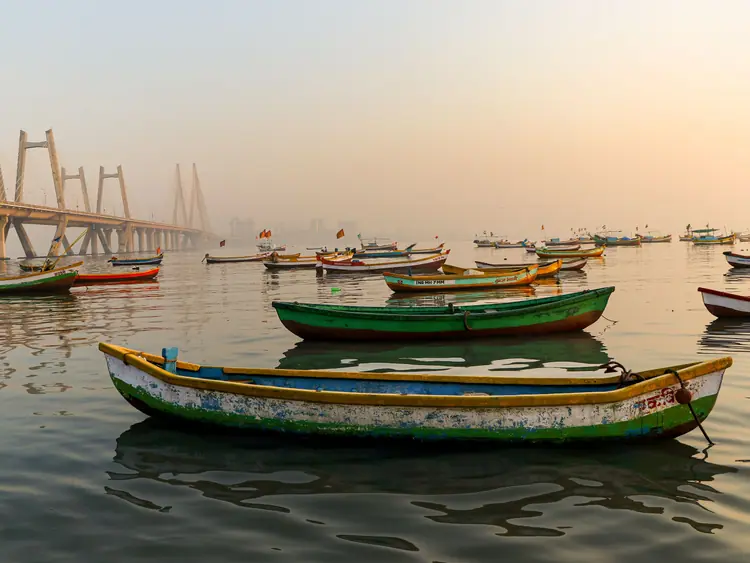
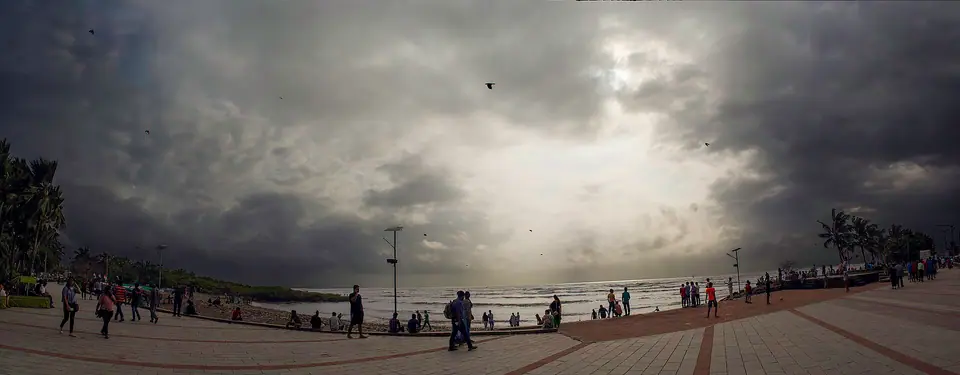
At the western end the lanes meet the sea. The northern tip of the Carter Road promenade is a short walk south along the shore, with a paved path, benches and a view across the water toward Bandra. Turn north instead and you reach Khar Danda, where fishing boats are pulled up and nets are dried and repaired. Early morning suits both: the promenade fills with walkers and the catch is being landed. Sunset brings a crowd and food carts along the sea face.
What to see and do
The shore is the main draw. The promenade at the northern end of Carter Road is flat, paved and closed to traffic, which makes it easy with children: walkers, joggers and cyclists share it in the early morning and evening. Khar Danda's boatyard and jetty interest older children, though the ground is uneven and there is little railing. Inland, the suburb is full of small neighbourhood temples, quiet on ordinary days and busy on festival days. The lanes of Pali Hill, just over the Bandra border, suit an evening stroll.
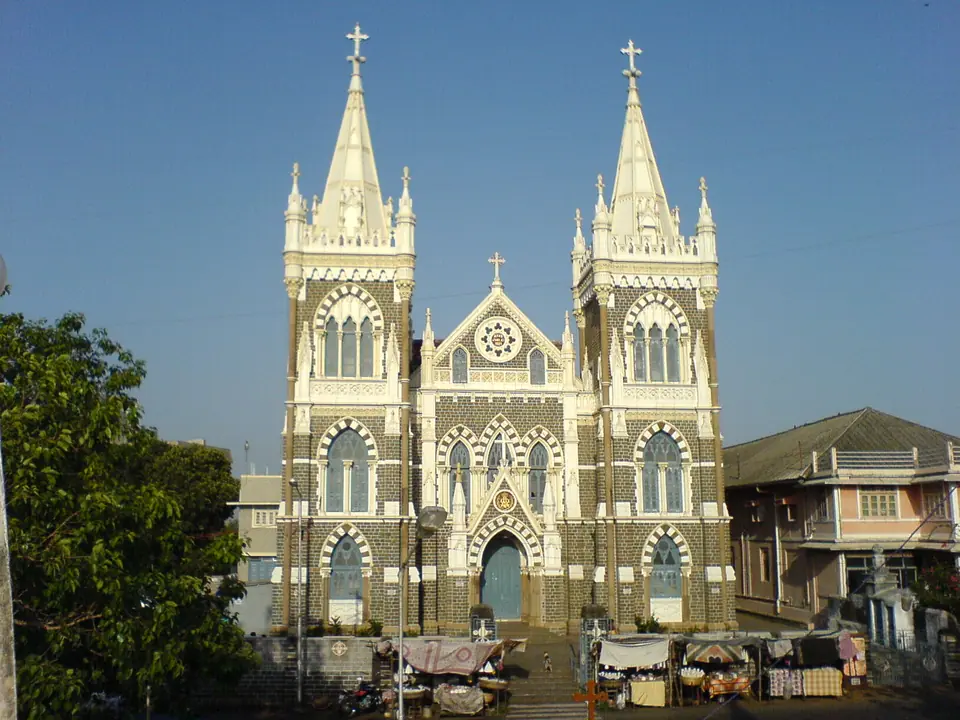
Two Bandra landmarks are within easy reach of Khar. Mount Mary Basilica, about three kilometres south, sits on a hill above the bay and is the focus of the Bandra Fair, held in the week after 8 September (check the dates each year). Bandra Fort, a Portuguese watchtower of 1640 at Land's End, is a little further on, with rocks below and a view back along the coast. Both are public places, and the fort's paths are uneven, so pushchairs are awkward.
- Walk the Carter Road promenade at sunrise, when the path is busiest and the light is best.
- Watch the fishing boats at Khar Danda early in the morning, keeping clear of nets and gear.
- Look for the small neighbourhood temples in the inland lanes, quiet except on festival days.
- Cross into Bandra for Mount Mary Basilica and Bandra Fort, both within four kilometres.
Eating in Khar
Eating in Khar is mostly neighbourhood eating, which suits a slow day. Expect Maharashtrian vegetarian thali places, small restaurants serving misal pav and vada pav, snack counters for bhel puri and pani puri, and corner stalls for cutting chai, half a glass of tea. The older café tradition of the western suburbs, with chai and bun maska, survives a short ride south in Bandra. Most places are informal, busy at lunch and dinner, and happy to serve single diners. Vegetarian food is easy to find everywhere.
The coast shapes the menu. Near Khar Danda, seafood places cook Koli and Konkan dishes: bombil, the Bombay duck, fried crisp; surmai and pomfret grilled; prawns and tisrya, the clams, in thick gravies with kokum sol kadhi alongside. Parsi kitchens in the western suburbs serve dhansak, patra ni machhi, berry pulao and akuri. East Indian cooking brings bottle masala, fugias and sorpotel to family tables and feast days. For something sweet, look for kulfi, falooda or modak, depending on the season.
- Order misal pav for breakfast, with the spiced sprout curry and farsan served separately so you control the heat.
- Try bombil fried crisp, and surmai or pomfret grilled, in the seafood places near the shore.
- Look for Parsi dhansak and akuri, and East Indian fugias and sorpotel, in the older kitchens of the western suburbs.
- Finish with kulfi or falooda from a street cart, or a cutting chai from a corner stall.
Getting there and around
Chhatrapati Shivaji Maharaj International Airport is roughly five kilometres from Khar, a short ride by app cab or prepaid taxi, though the same journey can take far longer in peak traffic. Navi Mumbai International Airport, across the harbour near Panvel, is about 26 kilometres away, so check which airport your flight uses. Khar Road station on the Western line connects the suburb with Bandra, Dadar, Mumbai Central and Churchgate. The main roads, SV Road and Linking Road, run north to Santacruz and Andheri and south to Bandra.
Getting around Khar is simple on foot and by short rides. Autorickshaws are common here, unlike in the island city, and app cabs reach the rest of Mumbai. The Western line is quickest for Bandra, Dadar and Churchgate, and the suburban trains are very crowded at peak hours; ladies' compartments and first class exist. New metro lines and stations keep opening across the city, so check the current network before you plan a route. Allow extra time on the roads during the monsoon.
Where to stay, and practical tips
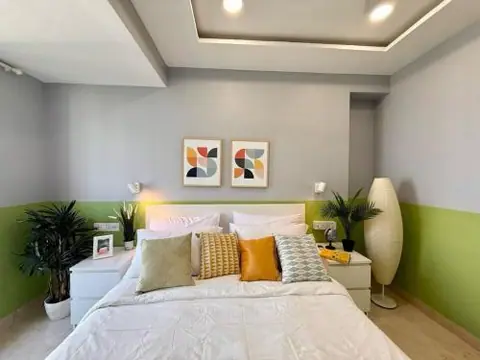
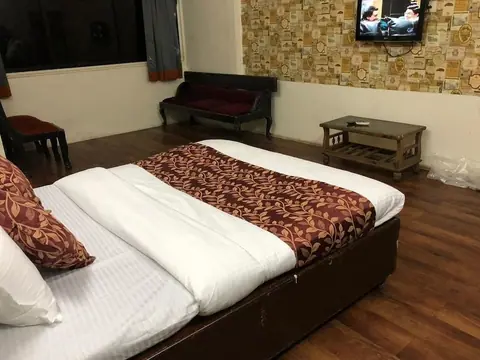
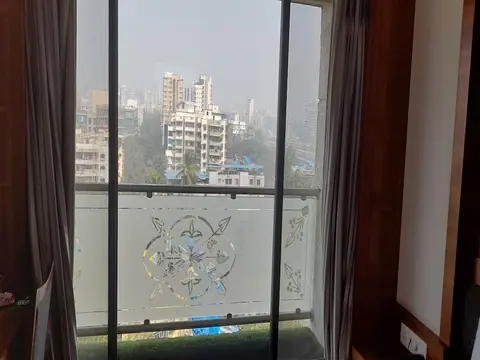
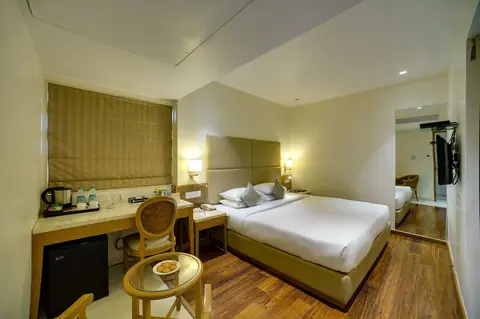
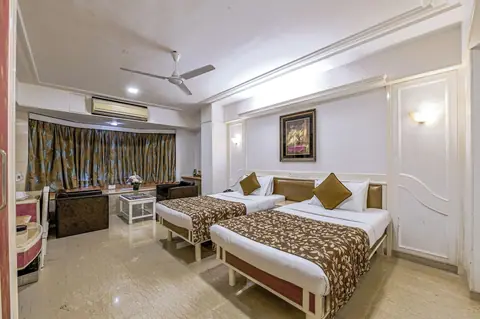
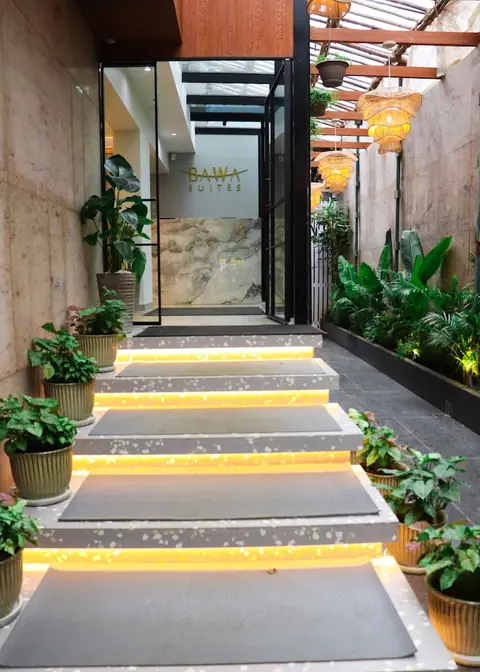
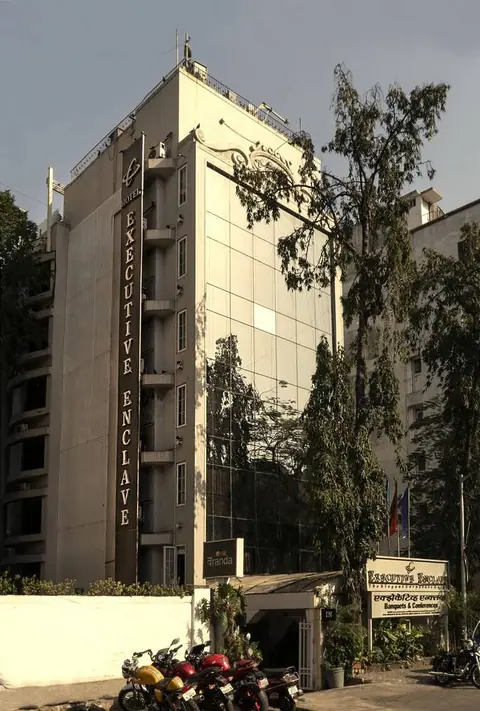
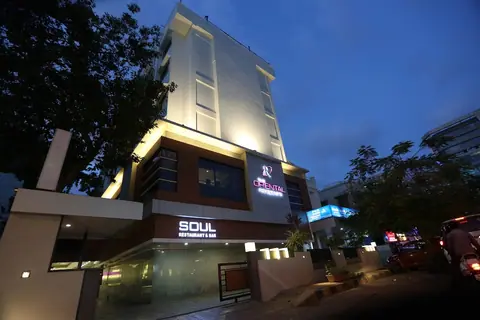
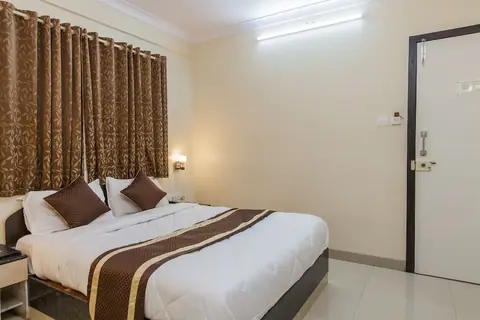
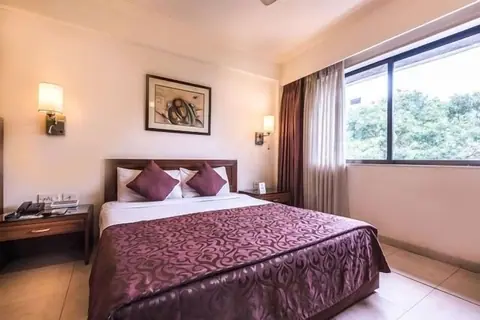
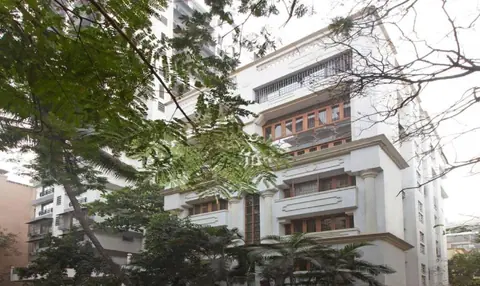
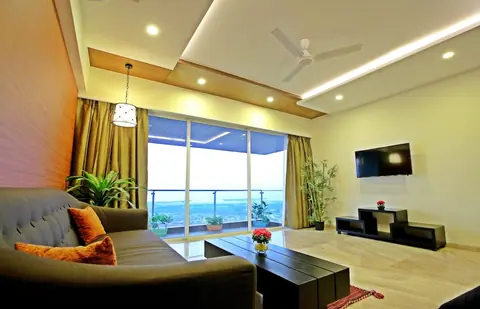
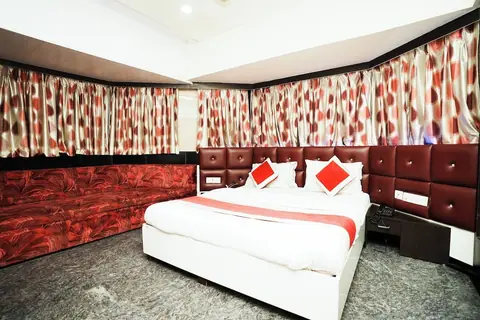
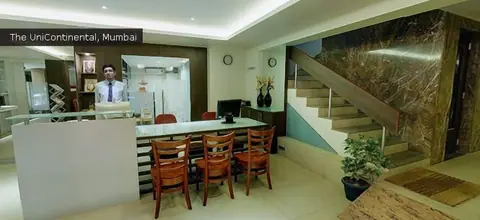
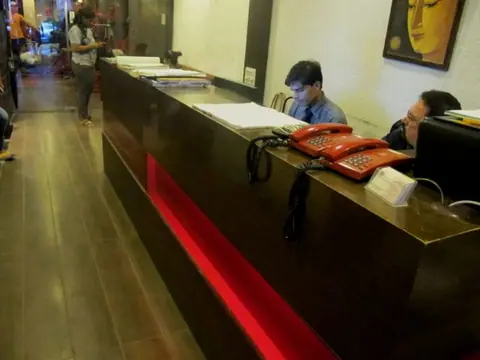
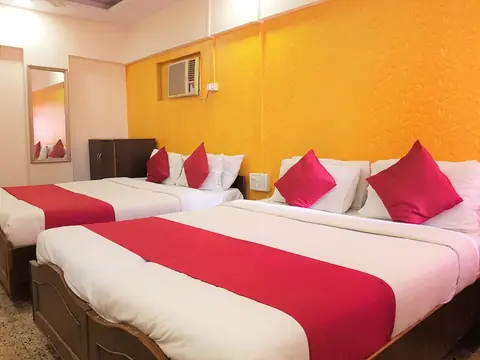
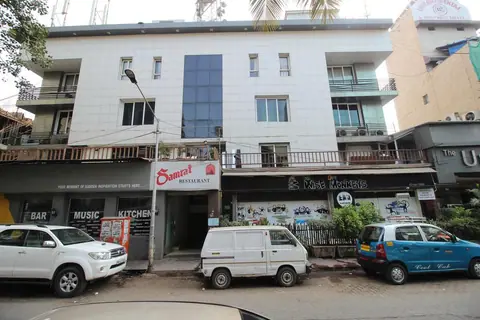
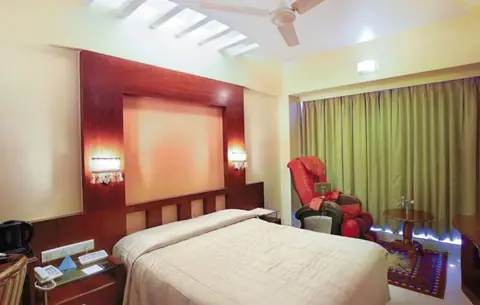
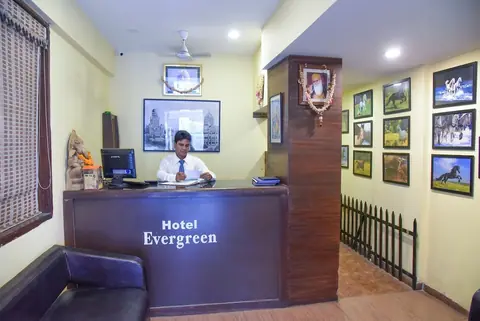
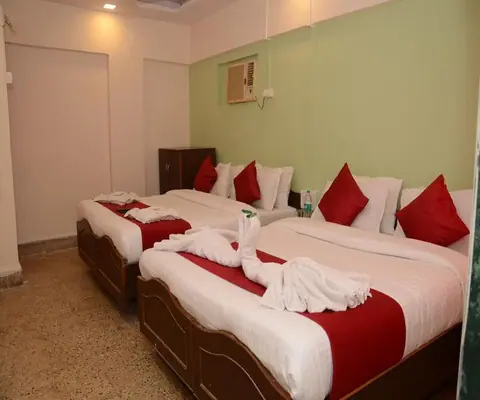
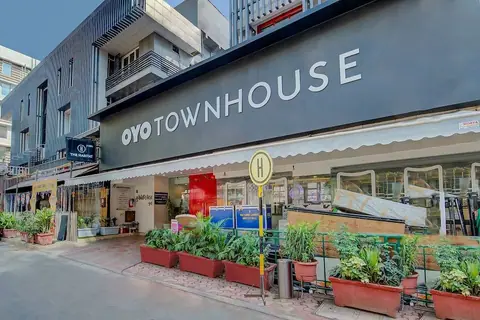
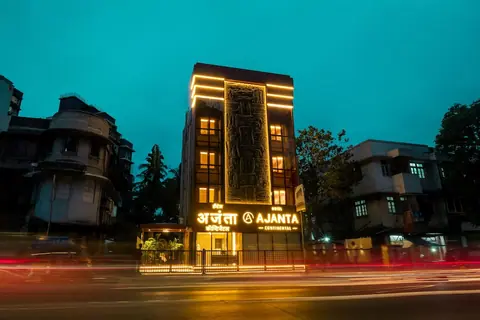
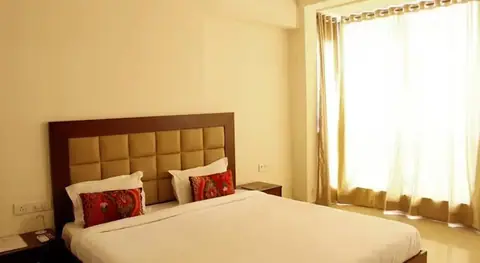
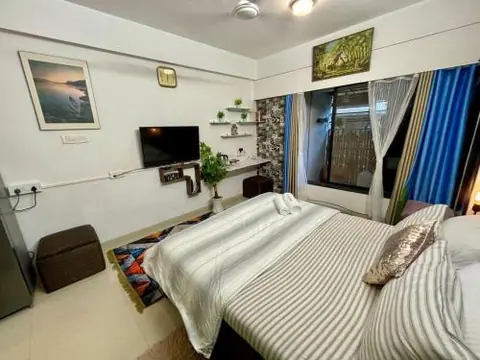
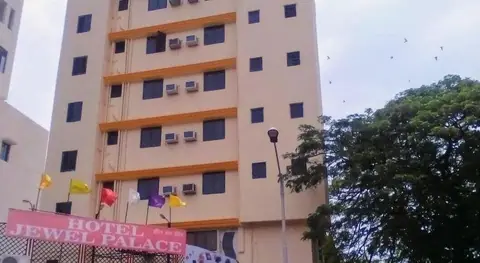
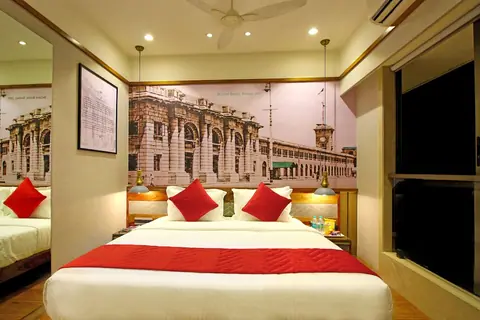
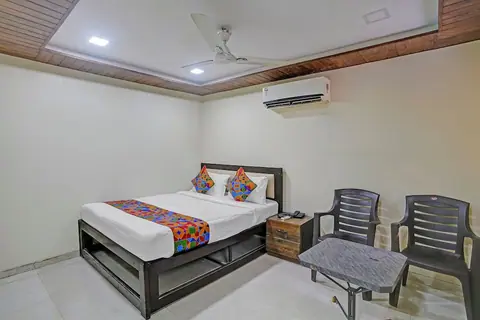
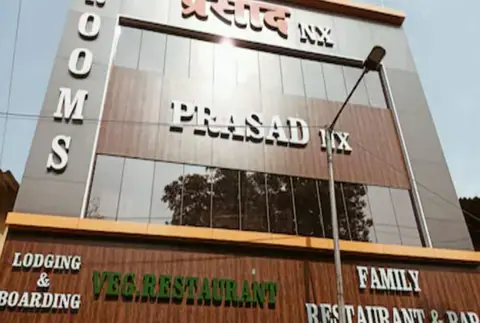
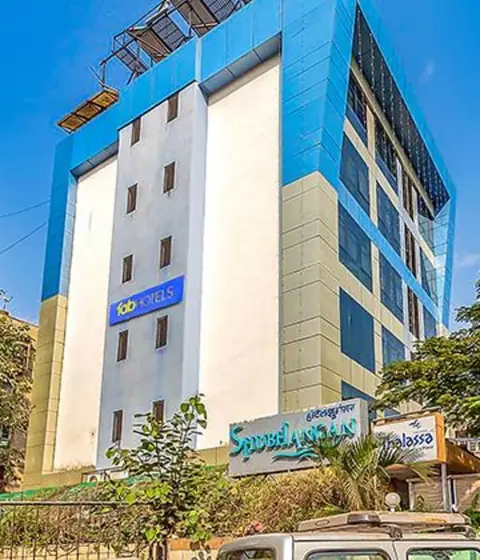
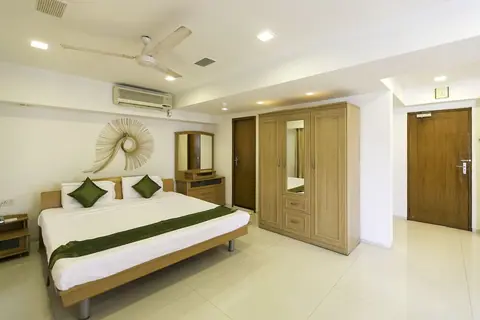
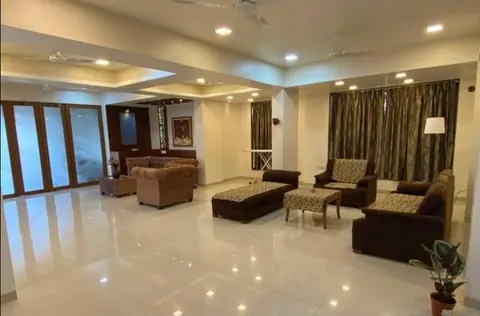
Khar has plenty of places to stay, and the choice comes down to position. A room near the sea-facing lanes gives evening walks on the promenade and quieter nights; a room near Khar Road station makes the trains easy and puts the main roads within reach. Main-road addresses are convenient for shops and transport but carry traffic noise, so ask for a room away from the street. Check how far the door is from the water, and confirm how the place handles the monsoon, when low-lying roads flood.
Practical matters are straightforward. UPI phone payments are everywhere and many places take cards, but carry some cash. The dry months from November to February are the most comfortable for walking; March to May is hot and humid, and the monsoon from about early June to late September brings flooding on low-lying roads and rough water at the shore. Festival dates move with the Hindu, Islamic and Christian calendars, so check before you go. At temples, dress modestly, and ask before photographing boats and nets at Khar Danda.
Editorial review: 16 November 2026 · imptmumbai.in, written with AI assistance (see the editorial policy).