- Location
- Western suburbs, north of Bandra
- Airport
- About 8 km from BOM
- Railway
- Western line, Goregaon station
- Green edge
- Aarey Colony to the east
Character and history
Goregaon lies in Mumbai's western suburbs, north of Bandra and south of Malad, cut in two by the Western line. The west side is housing colonies, markets and busy road junctions; the east side holds studio land, industrial plots and the green edge of Aarey. The name follows the Marathi pattern of village names ending in gaon. Until the twentieth century this was village country of farmland and ponds, and the railway turned it into a suburb.
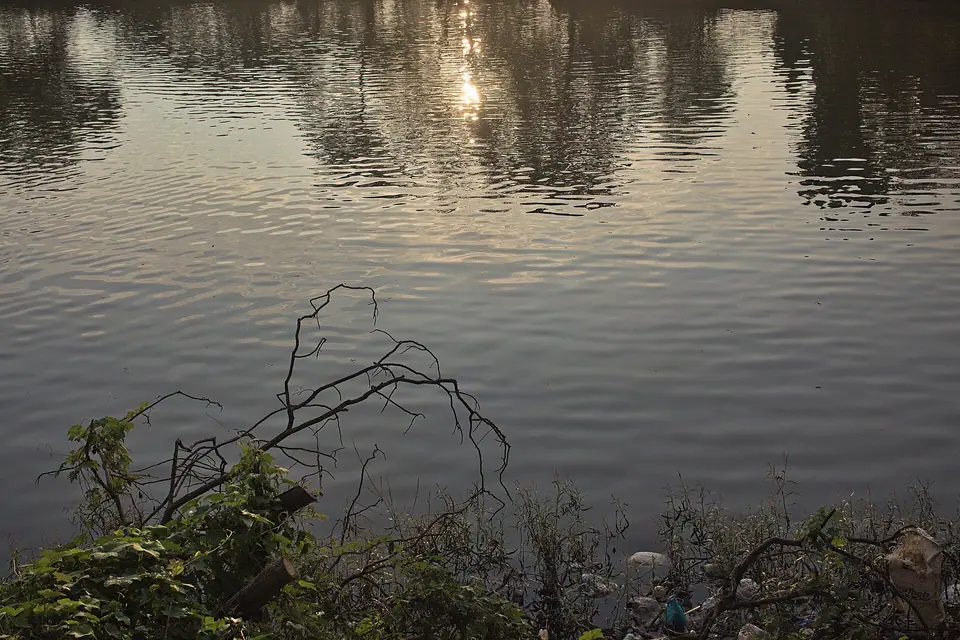
The large film studio complex, Dadasaheb Phalke Chitranagari and known to everyone as Film City, gave the suburb its reputation. It sits off Film City Road on the east side. Beside it, Aarey Colony keeps a broad green belt of trees, ponds and small hamlets inside the city limits, and Sanjay Gandhi National Park begins a short ride north at Borivali. Film sets on one side, forest on the other: that contrast is the reason to spend time here.
A first walk through Goregaon
Begin at the west side of Goregaon station, where the morning is at its busiest: commuters, newspaper sellers and tea stalls, with the smell of poha and frying snacks. Walk north along the main roads, S.V. Road and Link Road, which run roughly parallel through the west side, past shops, temples and old housing societies. Side streets are worth a detour for small workshops and neighbourhood shrines squeezed between apartment blocks. Two unhurried hours cover the heart of it.
Cross to the east side over the railway and walk up Film City Road, where the streets turn quieter and the traffic thins. Tea stalls and small eateries line the road, and beyond them the city gives way to Aarey's trees. Walk as far as the green edge, then turn back. Late afternoon suits this half, when the light softens and families come out. Keep to the roads and pavements, and check locally before entering the green belt.
Sights and things to do
Goregaon's own sights are few and mostly outdoors. Film City can be seen on organised studio tours only, so check what is running before building a day around it. Aarey Colony's green belt is the other draw, a place for early walks and birdwatching rather than a formal sight; check which gates and paths are open. Beyond the suburb, the wider city fills in the rest: the national park and Kanheri caves to the north, the beaches to the north-west, and the museums of the south.
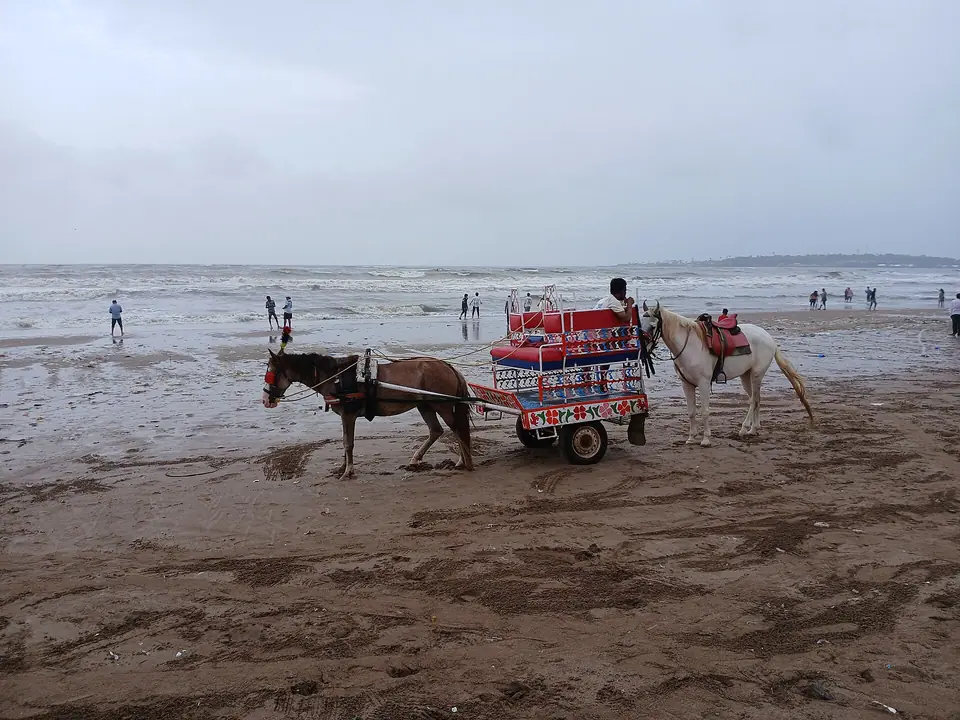
With children, plan around open space and short rides. The national park at Borivali is the obvious full morning, with the Kanheri caves for older children who like a climb and a story. The beaches at Aksa, Madh and Marve are a drive away; watch the water, because swimming is unsafe at most of them, especially in the monsoon. In the wider city, the science centre at Worli and the museum at Byculla suit rainy afternoons.
- Film City, or Dadasaheb Phalke Chitranagari, can be seen on organised studio tours; check what is running before you go.
- Aarey Colony's green belt is best walked in the morning; check locally which gates and paths are open.
- Sanjay Gandhi National Park at Borivali, with the Kanheri caves, is a short ride north and fills a whole morning.
- Aksa, Madh and Marve beaches lie north-west; swimming is unsafe at most of them, especially in the monsoon.
Eating: dishes and kinds of places
This is suburban eating, built for people who live here, and it is fast and unfussy. Around the station on both sides you will find vada pav, kanda poha, bhel puri, sev puri, pav bhaji and misal pav, plus cutting chai, half a glass, at almost any hour. Mornings are best for poha and misal, evenings for pav bhaji and chaat. The Bombay sandwich and ragda pattice turn up at snack counters, and kulfi or falooda ends a hot day well.
Kinds of places matter more than names. Family dining rooms serve Maharashtrian thalis with puran poli and sabudana khichdi in season; Konkan and Malvani kitchens do seafood, bombil, surmai, pomfret and prawns, with tisrya on some menus; South Indian breakfast places handle idli, dosa and filter coffee from early morning. Old-style tea houses do chai with bun maska and brun pav. For Parsi dishes such as dhansak and akuri, look in the wider city.
- Misal pav and kanda poha are breakfast fare in the suburbs; ask for the misal as spicy or mild as you like.
- Konkan and Malvani kitchens serve bombil, surmai, pomfret and prawns; tisrya, or clams, appear on some menus.
- Vegetarian thali places fill quickly at lunch, so go early or settle in for a short wait.
- Cutting chai, half a glass, is the standard order at street stalls; pair it with something freshly fried.
Getting there and getting around
From Chhatrapati Shivaji Maharaj International Airport, Goregaon is about 8 km by road, a short ride by app cab or prepaid taxi, longer in the evening peak. From Navi Mumbai International Airport the distance is about 30 km, so check which airport your flight uses before arranging a transfer. From CSMT the suburb is roughly 25 km away, and the Western line is the simplest route, with Goregaon station serving both sides of the area. Autos are common here, as through the suburbs.
Getting around is easy once you accept that the railway line splits the area. Cross by the road overbridge and allow time for it. Autos and app cabs handle most short trips, and walking works well within each side. The metro reaches parts of the western suburbs, and the Aqua Line's northern end at Aarey sits on Goregaon's eastern side; new lines and stations keep opening, so check the current network. For long-distance trains, Bandra Terminus and Lokmanya Tilak Terminus at Kurla are the useful terminals.
Practical tips and where to stay
Practicalities follow the seasons. November to February is the pleasant window, with warm days and cooler evenings; March to May is hot and humid; the south-west monsoon from about June to late September brings heavy rain that floods low roads and slows trains, so carry footwear that dries and check conditions before a walk in the green belt. Carry some cash alongside UPI and cards. Festival dates move each year, so check before you plan around Ganesh Chaturthi or Navratri.
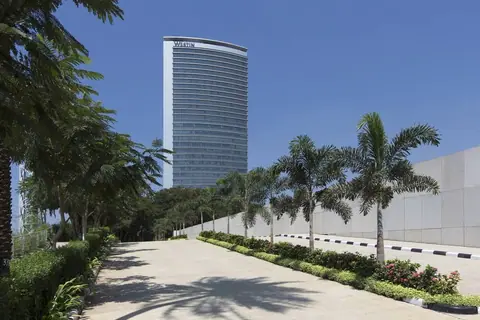
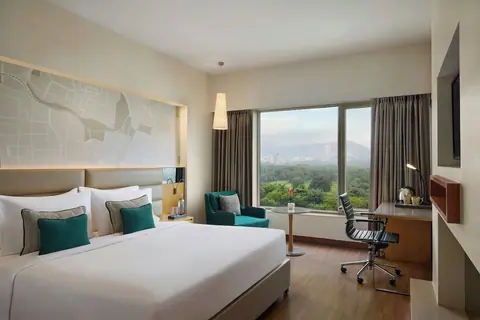
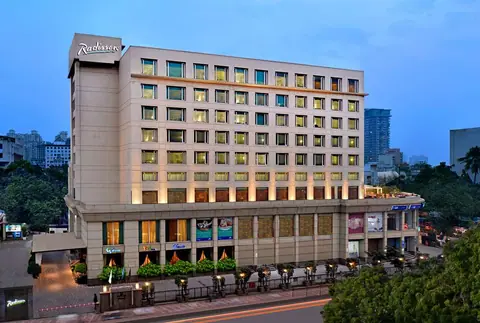
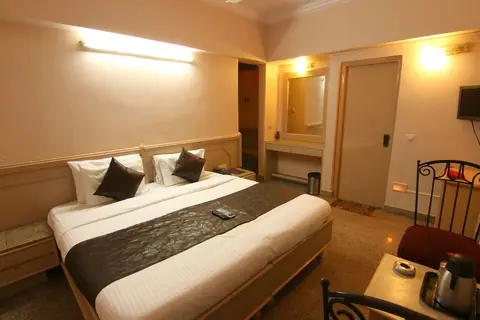
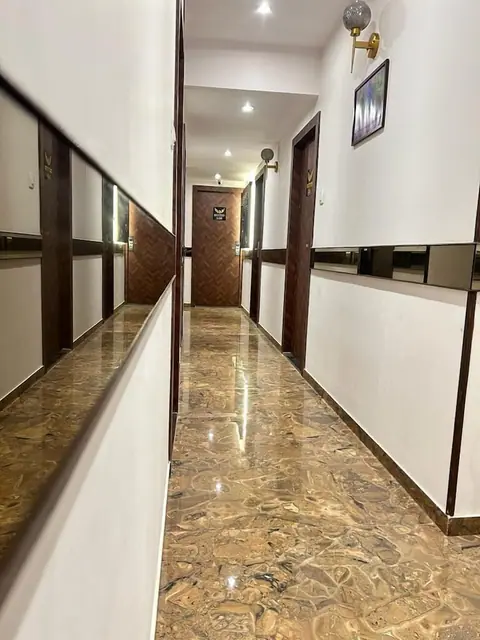
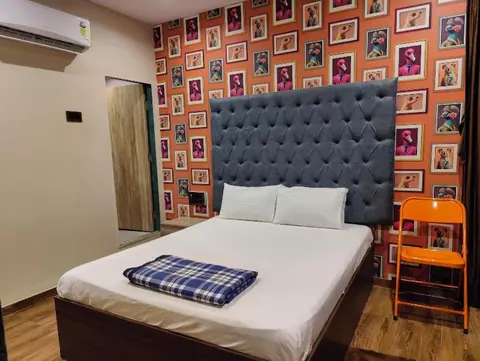
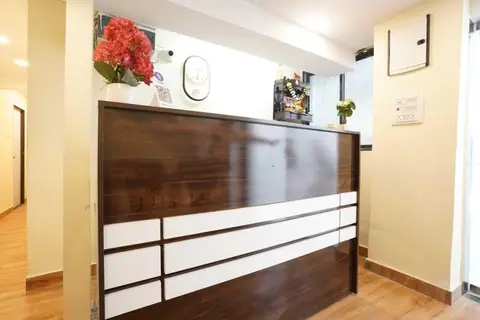
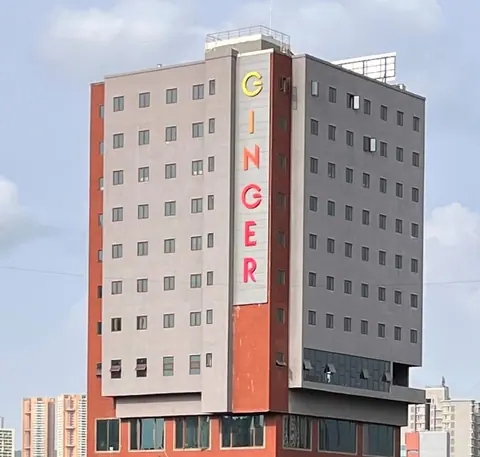
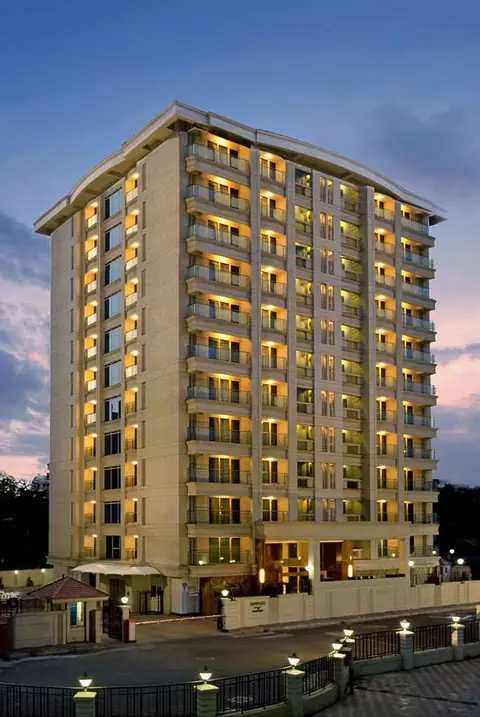
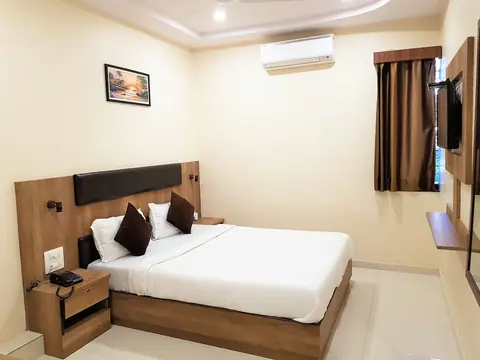
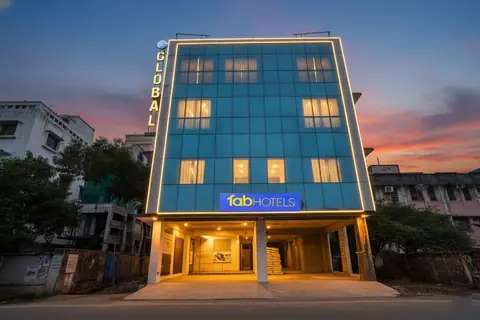
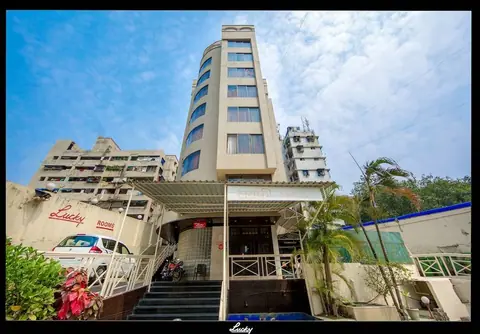
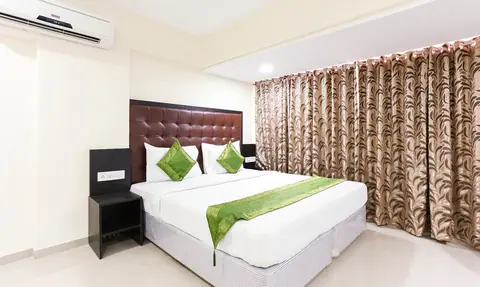
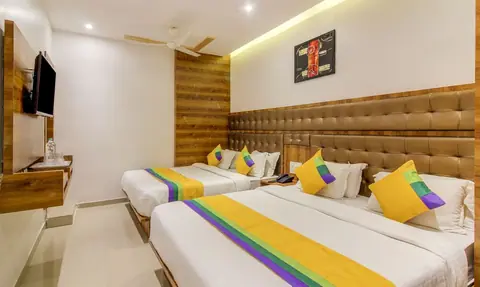
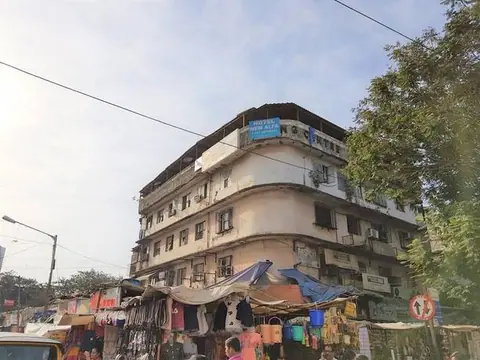
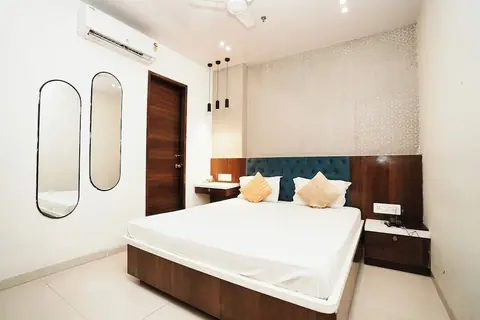
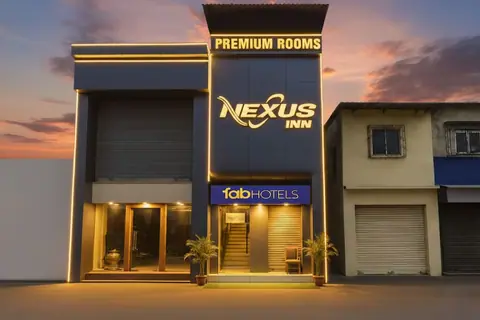
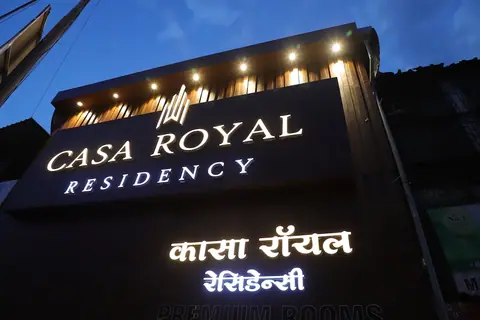
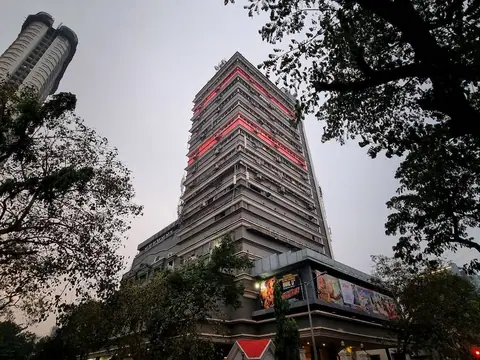
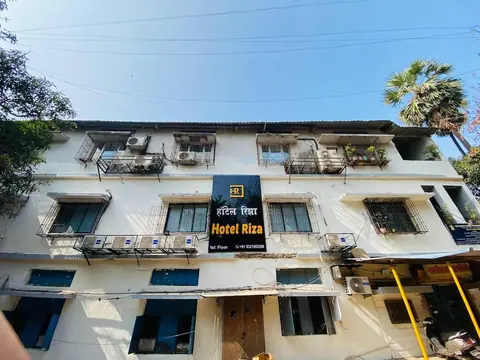
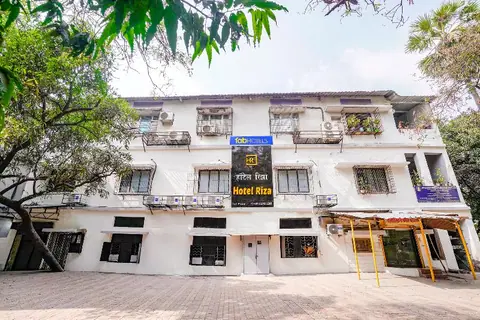
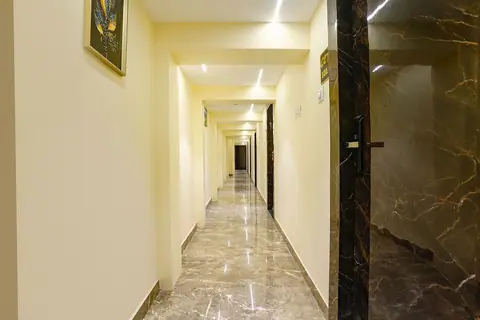
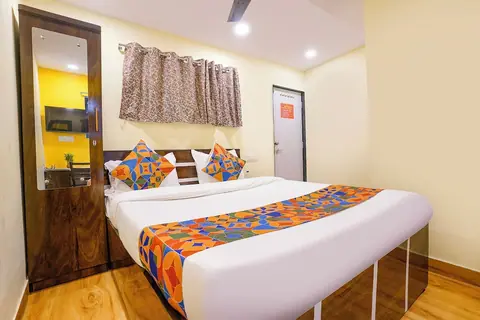
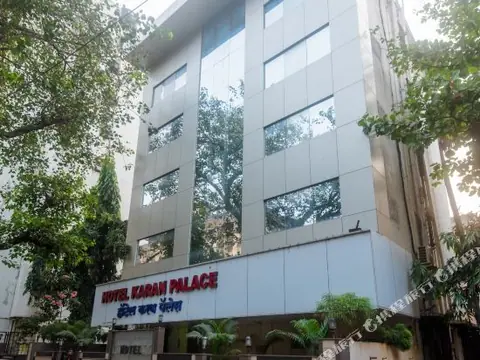
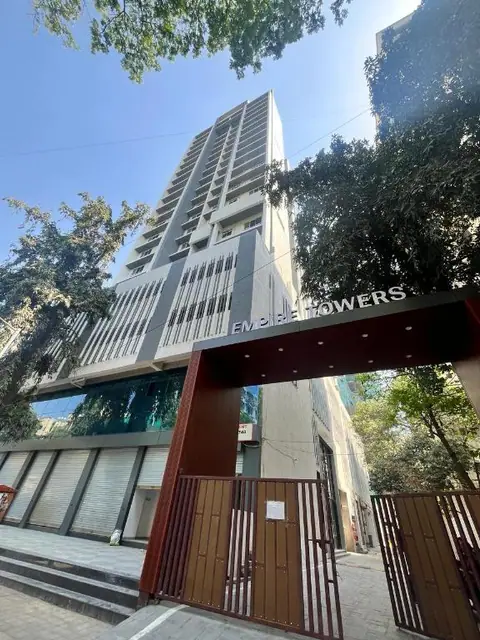
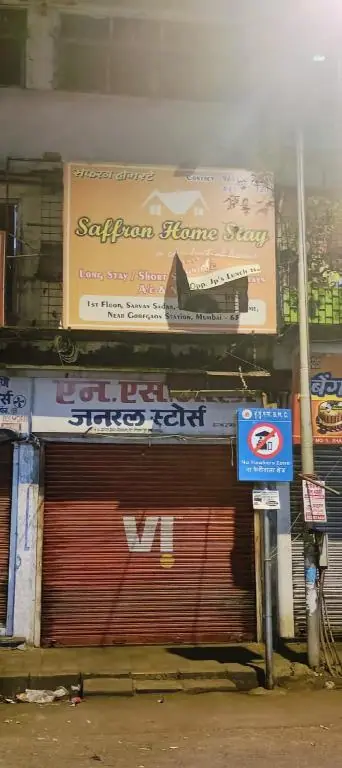
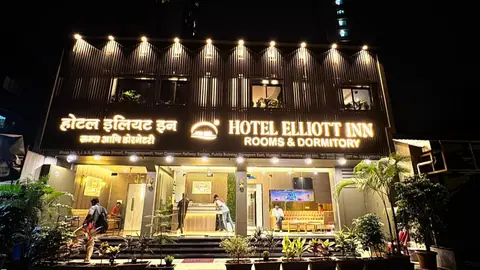
For stays, first decide which side of the line you want. The west side puts you near the station, markets and street food, with more noise; the east side is quieter and closer to Film City Road and Aarey. Guesthouses, apartment stays and mid-range hotels are the usual choices, with the widest pick around the station. Ask about the airport transfer time and book ahead for the dry season and festival weeks. Check the exact location against your plans, not the room photographs.
Editorial review: 16 November 2026 · imptmumbai.in, written with AI assistance (see the editorial policy).