- Location
- Island city, west and centre
- Dry season
- November to February
- Rail hubs
- Dadar, Parel, Mahim
- Known for
- Mills, sea face, Shivaji Park
The shape of the zone
Central Mumbai runs from the Arabian Sea at Worli across the island to the harbour at Wadala and Sion. The land here is reclaimed and joined: the Hornby Vellard at Worli, built in the 1780s, was the best-known early work that held the sea back and linked the northern islands to the growing town. The Great Indian Peninsula Railway and the cotton mills that followed turned the middle of the island into the city's working engine, and the shape of those mill compounds still sets the street pattern. The mills are gone; the grid they left behind is not.
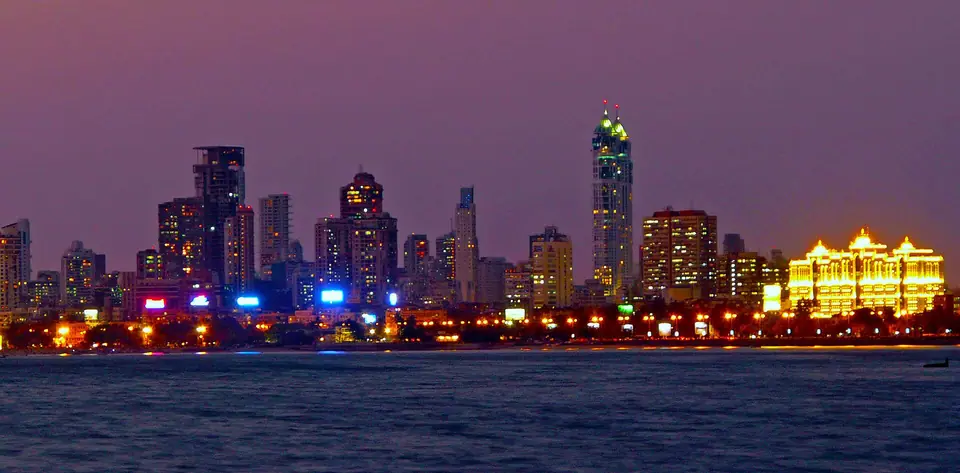
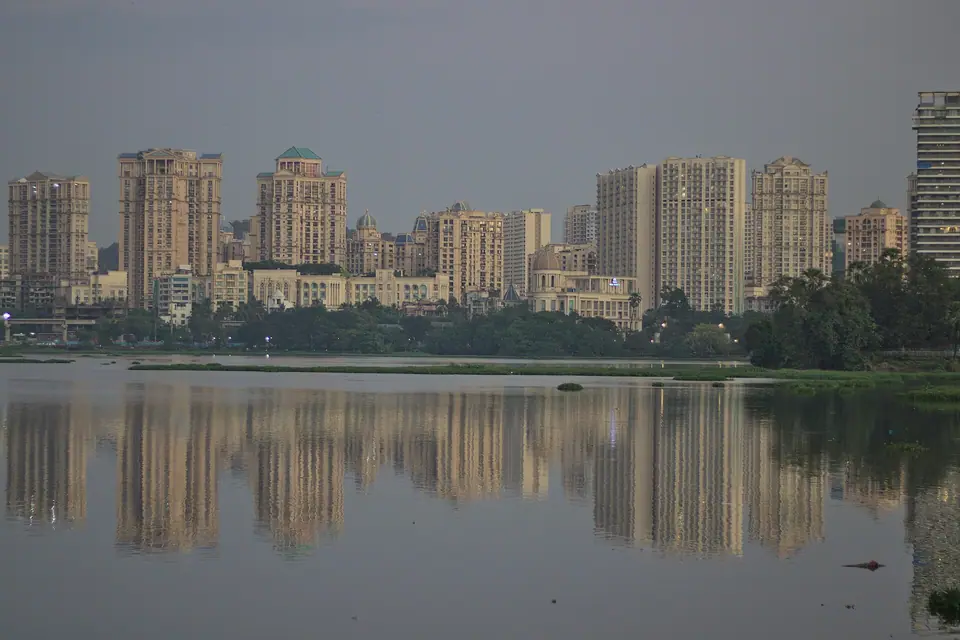
The zone holds several Mumbais within a few kilometres. Worli is the sea face: the promenade, the Sea Link above the bay and towers standing where docks and fishing villages once were. Lower Parel and Parel are old mill country, now offices, theatres and restaurants inside brick shells. Dadar and Mahim form the Marathi heart of the city, with Shivaji Park, the flower market and the Siddhivinayak Temple. Sion and Wadala face the harbour and keep a quieter, more everyday tone.
How the neighbourhoods differ
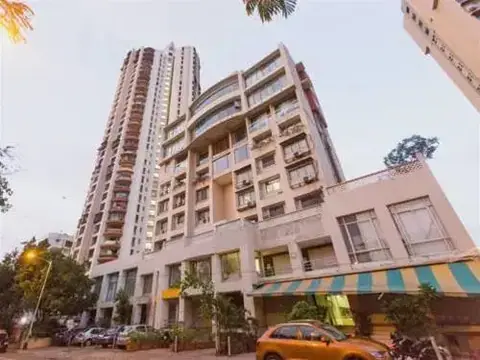
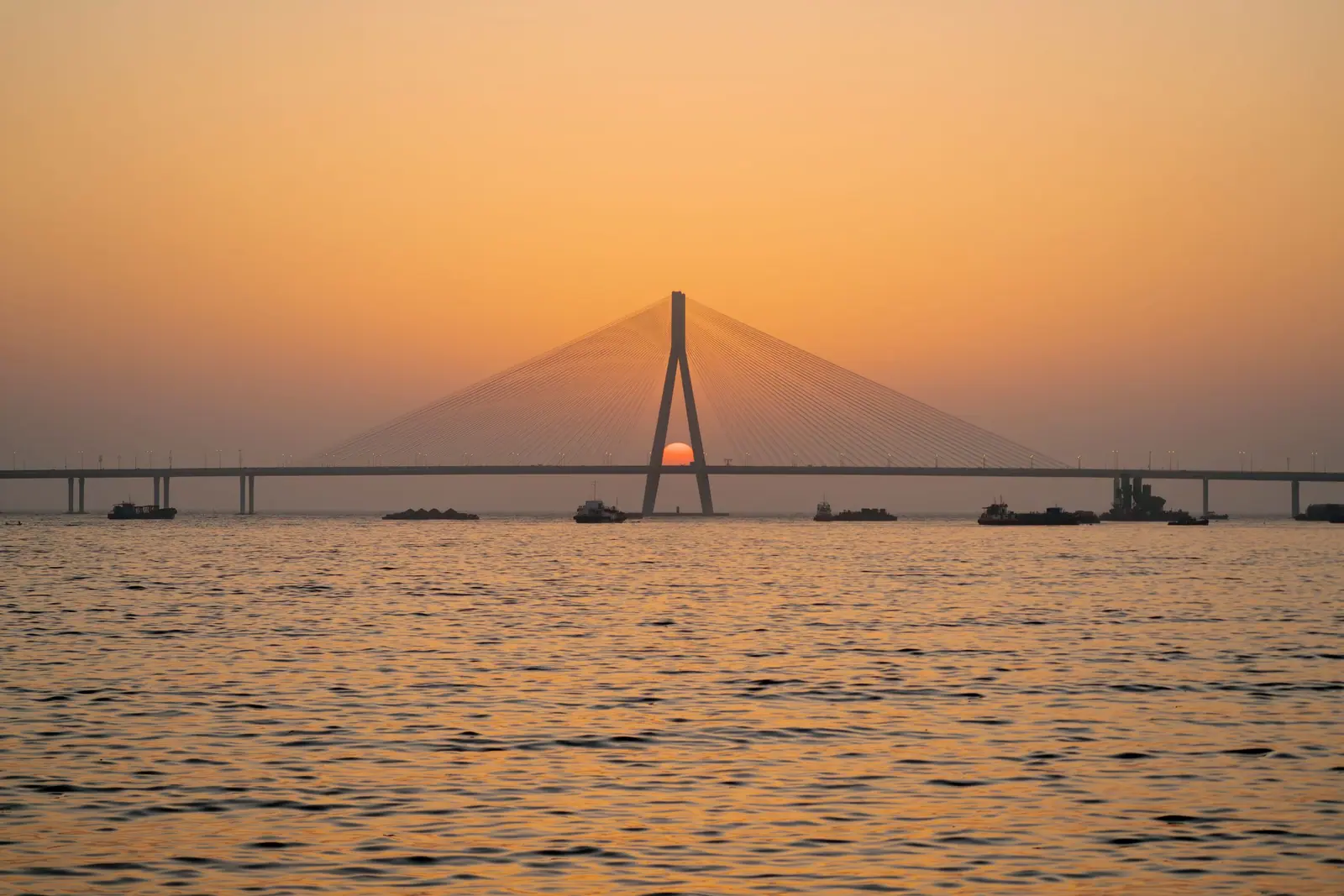
Worli stretches along the western shore between Haji Ali and Prabhadevi, and the sea gives it its character. The promenade at Worli Sea Face fills towards evening; the Bandra-Worli Sea Link, opened in 2009, crosses the bay to the north. Inland, the contrasts are sharp: tall residential towers stand beside Koli fishing settlements and old chawls, and the Koli village still lands fish under the towers. Lower Parel, just east, was cotton mills for a century and now holds offices, theatres and restaurants inside the old mill compounds, with Senapati Bapat Marg running through the middle.
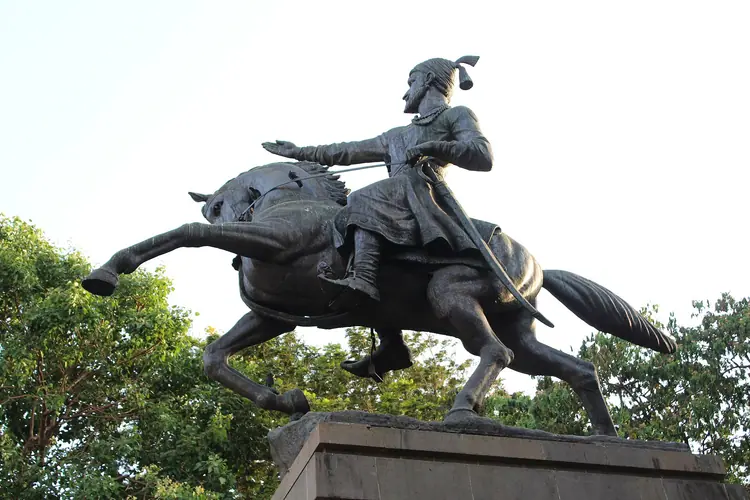
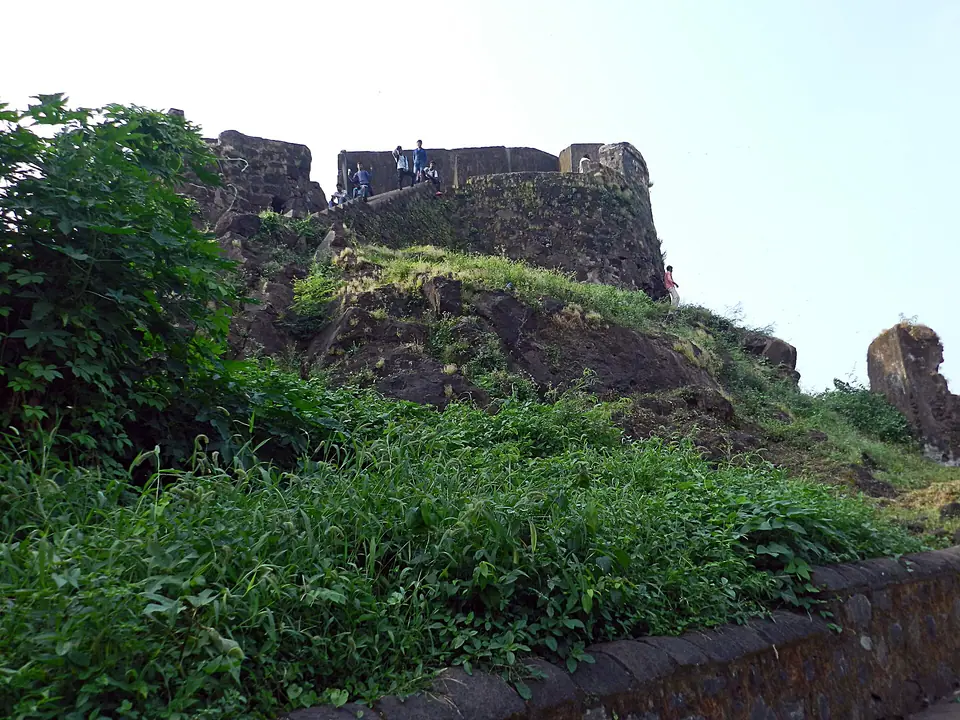
Dadar and Mahim are different again. Shivaji Park, the large open ground in Dadar West, is where the city gathers for cricket practice, morning walks and public meetings; the lanes around it hold old Marathi institutions, and the flower market near the station starts before dawn. Mahim adds a coastal, mixed character, with its shore and a busy station. Sion and Wadala, on the harbour side, are the most everyday part of the zone: the Sion fort hill, hospital and college campuses, and long residential streets that see few visitors.
- Worli: the sea face, the Sea Link and the towers between Haji Ali and Prabhadevi.
- Lower Parel: former cotton-mill compounds turned into offices, theatres and restaurants.
- Dadar and Mahim: Marathi Mumbai, with Shivaji Park, the flower market and the Mahim shore.
- Sion and Wadala: the eastern side of the island city, with the Sion fort and the hospital and college districts.
Getting around and distances
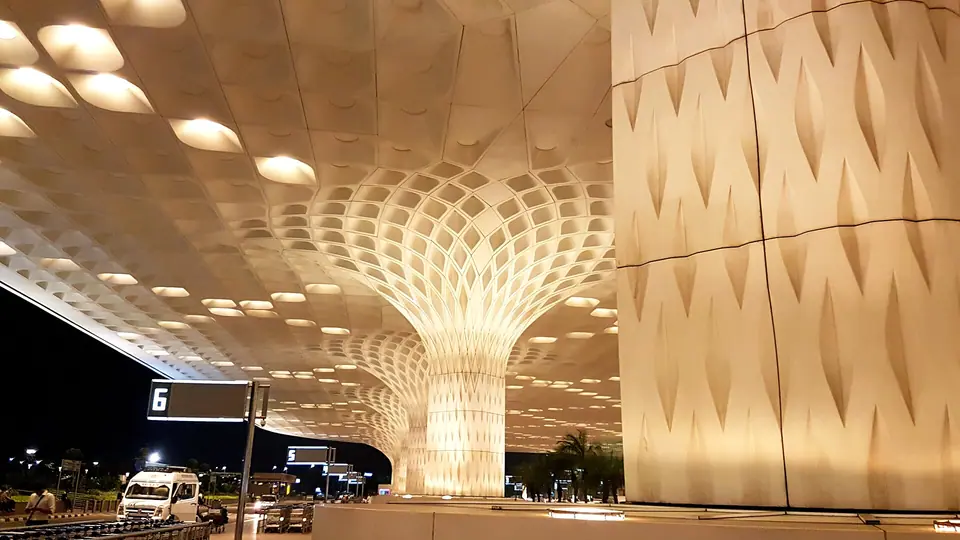
Dadar is the rail hub of the zone, with stations on both the Western and Central lines, while Mahim sits on the Western and Harbour lines and Parel and Currey Road serve the mill district on the Central line. Metro Line 3, the underground Aqua Line, runs from Aarey to Cuffe Parade through Worli and the airport, but sections open in stages, so check which stations are running before you plan a day. Long-distance trains also leave from Dadar, which makes the zone easy to reach from other cities.
Within the zone, distances read short in kilometres and feel long in minutes during peak traffic. Autorickshaws do not operate in the island city, so black-and-yellow taxis and app cabs do the work here; beyond Bandra and Sion, autos are common. The Bandra-Worli Sea Link and the Mumbai Coastal Road speed up north-south journeys along the western shore. Fares change, so check the current fare in the app or on the meter before setting off.
Sights, old and new
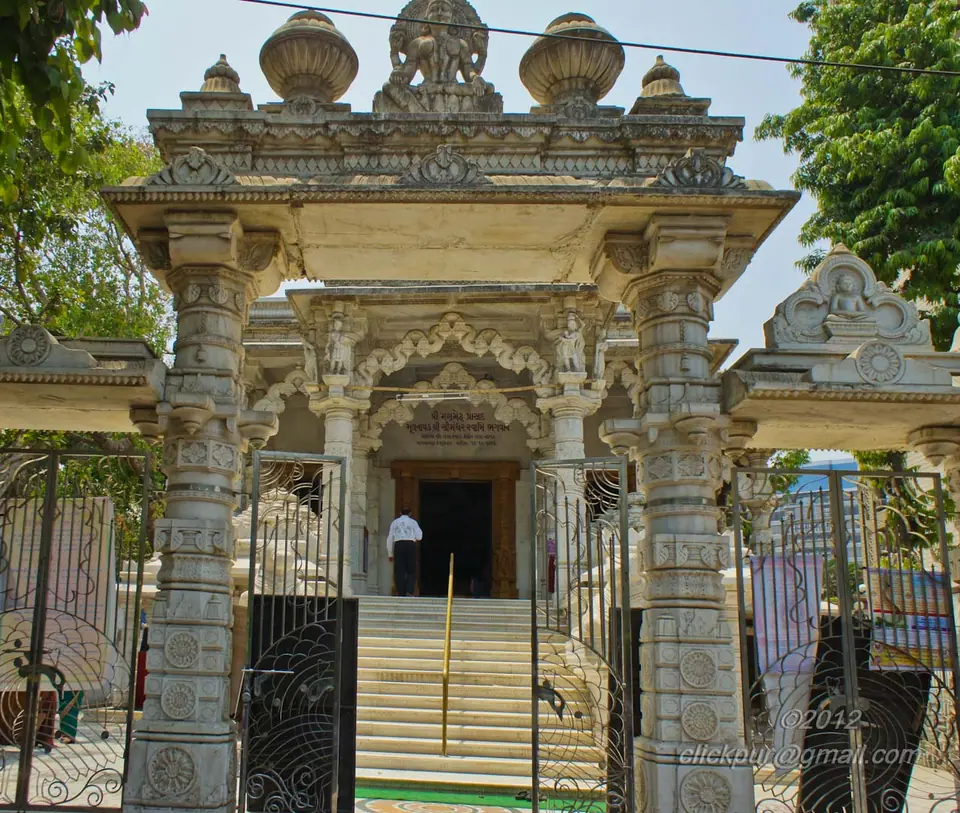
The zone's best-known sight is the Siddhivinayak Temple in Prabhadevi, a Ganesh temple first built in 1801, with Tuesday the busiest day. The Mahalaxmi Temple on Bhulabhai Desai Road stands by the sea and fills at Navratri. At Worli, the Nehru Science Centre is a hands-on museum with an outdoor science park, and the Nehru Planetarium is close by. Across in Byculla, Rani Baug holds the zoo, botanical gardens and the Dr Bhau Daji Lad Museum, the city's oldest. Several of these charge an entry fee, so check opening days before setting out.
Mill heritage is the other draw. The brick shells and tall chimneys of Lower Parel now hold theatres and restaurants, and walking the length of Senapati Bapat Marg shows how the working city turned into an office district. In Dadar, Shivaji Park and the flower market near the station are worth an early start. Further afield, Khotachiwadi in Girgaon is a lane of wooden houses with verandas, Chor Bazaar sells old goods, and Bandra Fort and Mount Mary Basilica sit across the Sea Link.
- Siddhivinayak Temple, Prabhadevi: a Ganesh temple from 1801, busiest on Tuesdays.
- Mahalaxmi Temple: three goddesses by the sea, crowded during Navratri.
- Nehru Science Centre, Worli: hands-on galleries and an outdoor science park.
- Dr Bhau Daji Lad Museum, Byculla: the city's oldest museum, inside Rani Baug.
- Khotachiwadi, Girgaon: a lane of wooden houses where residents still live, so walk quietly.
Who should stay here
Central Mumbai suits travellers who want the sea and the old city from one base. First-time visitors who stay around Worli are minutes from the promenade and within reach of both south Mumbai and Bandra. Families tend to like the zone for Shivaji Park's open ground, the Nehru Science Centre and the northern beaches. Food-led travellers come for Maharashtrian cooking in Dadar, Parsi and Irani café fare near the mill districts, and Koli seafood along the shore. Staying near a station matters more than staying near a sight.
Practical points matter here. The monsoon, roughly from June to late September, floods low-lying roads and slows the trains, so keep plans loose in those months. March to May is hot and humid, and October stays sticky after the rains; the dry months from November to February are the easiest for walking. UPI phone payments are everywhere and many places take cards, but carry some cash for small vendors. Sundays are quieter on the roads but busier at the sea face and at Shivaji Park.
A few local manners go a long way. Khotachiwadi is a lived-in lane, not an exhibit, so keep voices low and ask before photographing doorways. In Chor Bazaar, most shops close on Fridays and the lanes are quietest in the morning. Swimming is unsafe at most of Mumbai's beaches, so treat the shore as a place to walk. The big stations are busy interchanges, and pockets and bags need watching in the rush.
Editorial review: 16 November 2026 · imptmumbai.in, written with AI assistance (see the editorial policy).