- Zone
- Southern half of the island city
- Neighbourhoods
- Eight, from Colaba to Byculla
- Rail termini
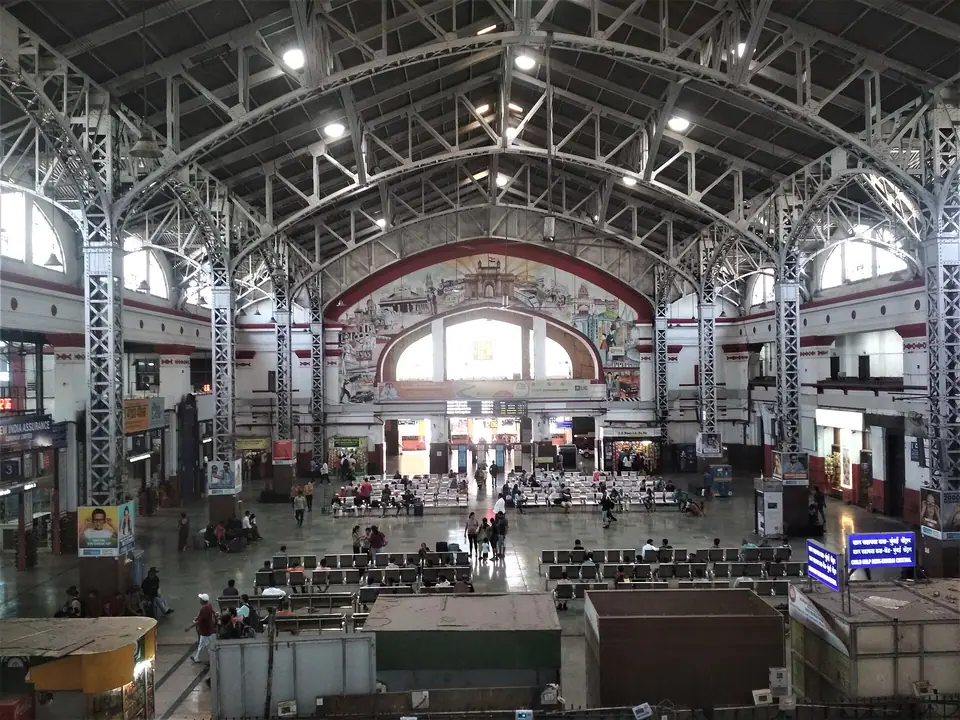
- CSMT, Churchgate, Mumbai Central
- UNESCO site
- Victorian Gothic and Art Deco, 2018
The shape of South Mumbai
South Mumbai is the southern half of the island city, running from Colaba at the tip up through Fort and Churchgate, along Marine Drive, and north through Girgaon, Mumbai Central and Byculla. Much of the ground here is reclaimed land: seven islands joined by causeways and drainage works, starting with the Hornby Vellard at Worli in the 1780s. The result is a compact district of Gothic public buildings, Art Deco apartment blocks, markets, temples and a working harbour, all within a few kilometres of each other.
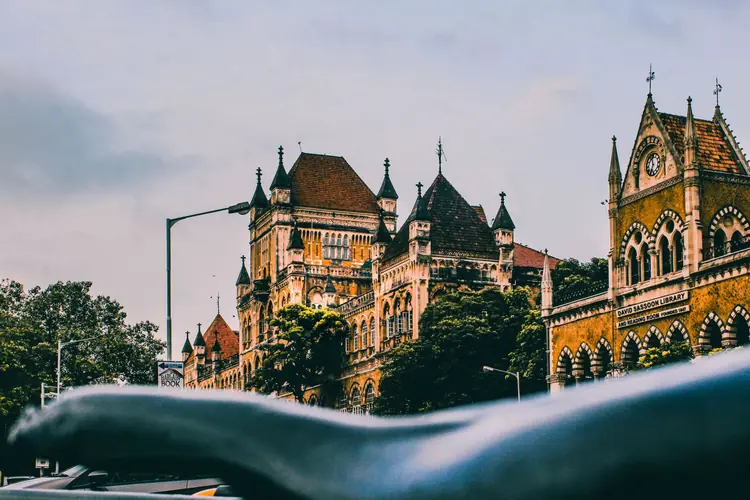
For a first visit, this is where many of the city's set pieces sit: the Gateway of India at Apollo Bunder, the Victorian Gothic and Art Deco ensembles inscribed by UNESCO in 2018, the museums around Kala Ghoda and the old bazaars near Crawford Market. It is also a living district, so mornings bring commuters to Churchgate and CSMT while evenings draw families to the sea front. Spread your time over several days if you can, and keep one morning free for walking without a plan.
How the neighbourhoods differ
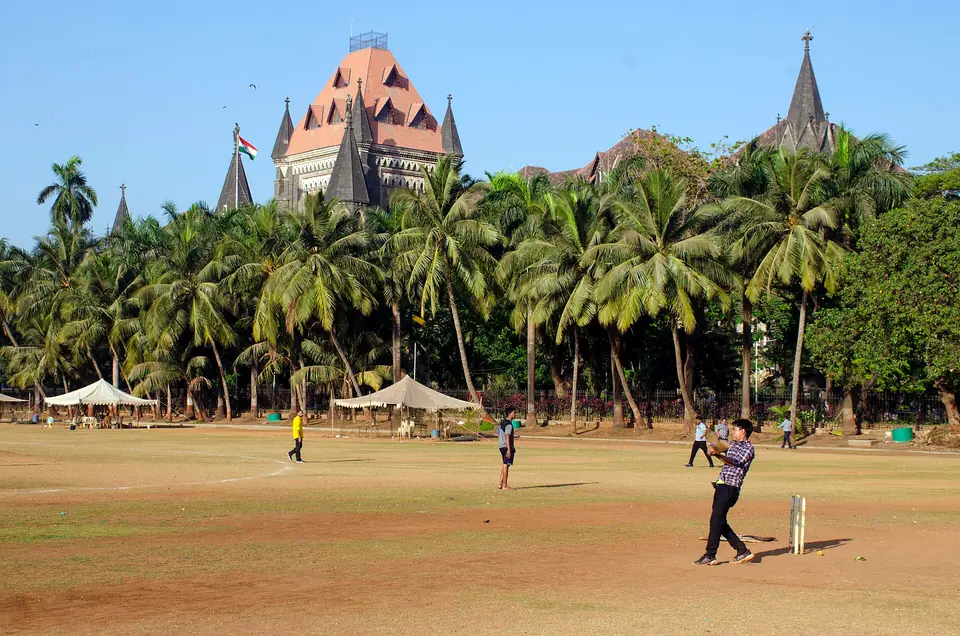
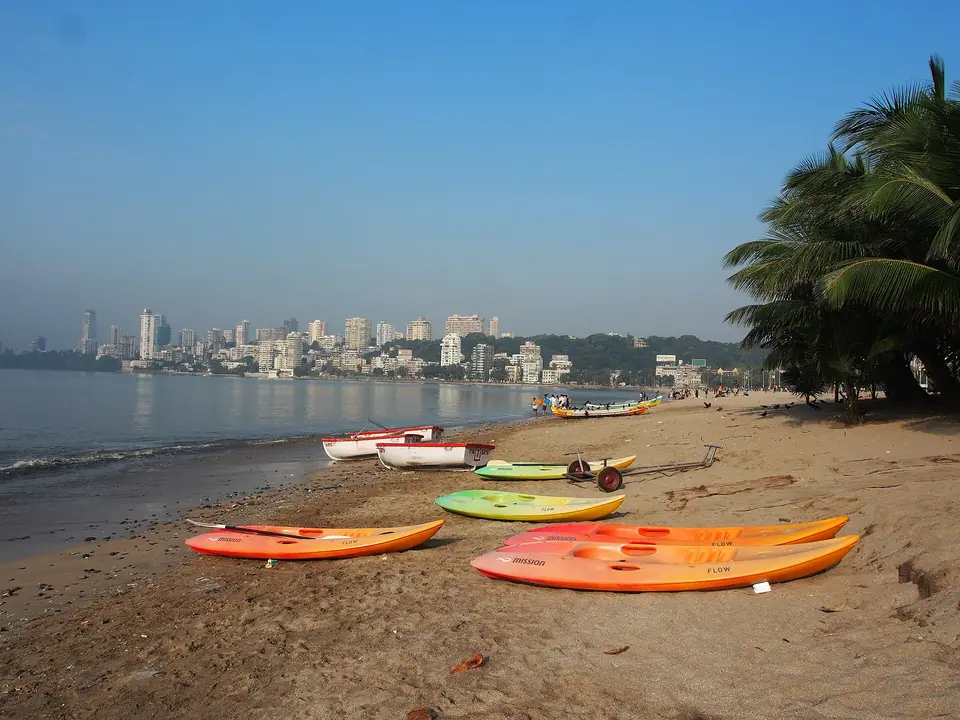
Colaba and Fort carry the weight of the colonial city: the Gateway of India, the Causeway's arcades, the High Court and the university buildings around the Oval Maidan, and the museums at Kala Ghoda. North of Churchgate the mood changes. Girgaon and Grant Road are older Marathi and East Indian ground, with the Opera House district and Chowpatty beach. Byculla, once mill country, holds Rani Baug, the zoo and botanical garden, and the city's oldest museum. Each pocket is small enough to walk, but the transitions between them are abrupt, so treat them one at a time.
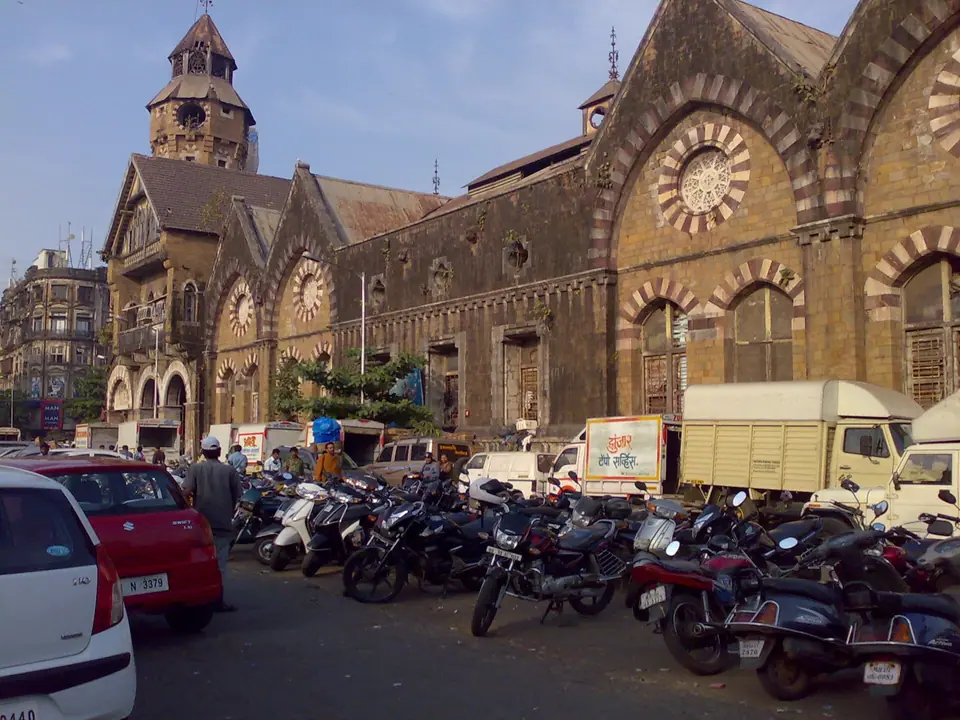
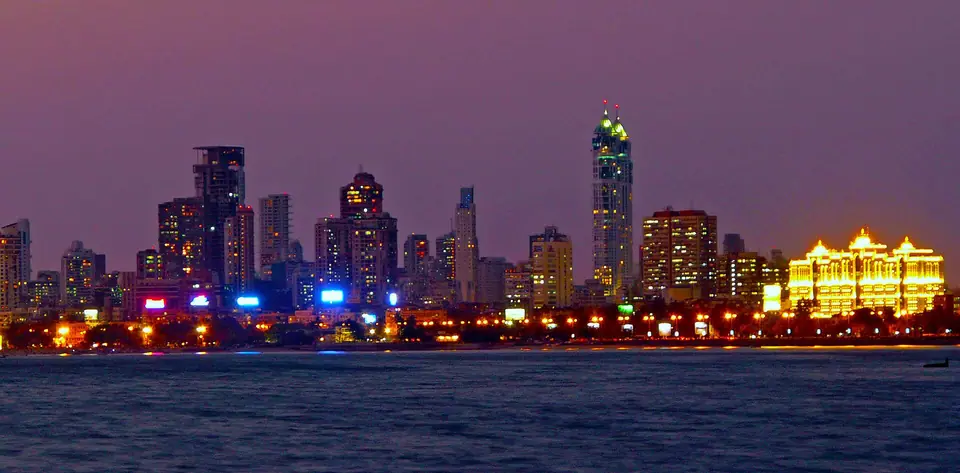
The eastern and western edges behave differently. Along the west, Back Bay and Marine Drive give sea air, Art Deco facades and a promenade that fills after sunset. Along the east, the harbour side is working waterfront: Sassoon Dock's fishing boats land their catch at dawn, CSMT handles long-distance and suburban trains, and Crawford Market and Kalbadevi run on wholesale trade. Most visitors stay on the western side and cross east for markets, stations and the dock, which is a sensible division of the day.
- Colaba: the Gateway of India, the Causeway arcades, Sassoon Dock and the harbour.
- Fort and Kala Ghoda: Gothic public buildings around the Oval and Azad Maidan, with museums and galleries.
- Churchgate and Marine Drive: Art Deco blocks behind the Queen's Necklace and the Oval Maidan.
- Girgaon, Grant Road and Byculla: old lanes, Chowpatty beach, Rani Baug and the city museum.
Getting around and distances
The zone is served by the suburban railway on three lines. The Western line runs from Churchgate through Marine Lines, Mumbai Central and on to Dadar, Bandra and beyond. The Central line starts at CSMT and passes Byculla and Dadar, and the Harbour line also leaves from CSMT for Navi Mumbai and Panvel. Long-distance trains use CSMT and Mumbai Central. The Metro's underground Aqua Line, Line 3, links the airport area with the southern tip via Worli and the Churchgate area, and new stations keep opening, so check the current network before relying on a particular stop.
Walking is the practical way to cover Colaba, Fort and Kala Ghoda, where the sights sit close together and the streets are flat. Autorickshaws do not operate in the island city south of Bandra and Sion, so black-and-yellow taxis and app cabs fill the gap. Distances are short in kilometres but slow in traffic. The seafront roads are the quickest way north and south, and the Mumbai Coastal Road, opened in stages from 2024, has changed some of those runs.
Sights and landmarks
The set pieces are close together. The Gateway of India at Apollo Bunder was begun in 1913 and completed in 1924. CSMT, designed by F. W. Stevens and built between 1878 and 1888, is a UNESCO World Heritage Site. The Victorian Gothic and Art Deco ensembles, inscribed in 2018, take in the High Court, the university buildings, the Rajabai Clock Tower, designed by George Gilbert Scott and completed in 1878 at about 85 m tall, and the Art Deco blocks along Marine Drive.
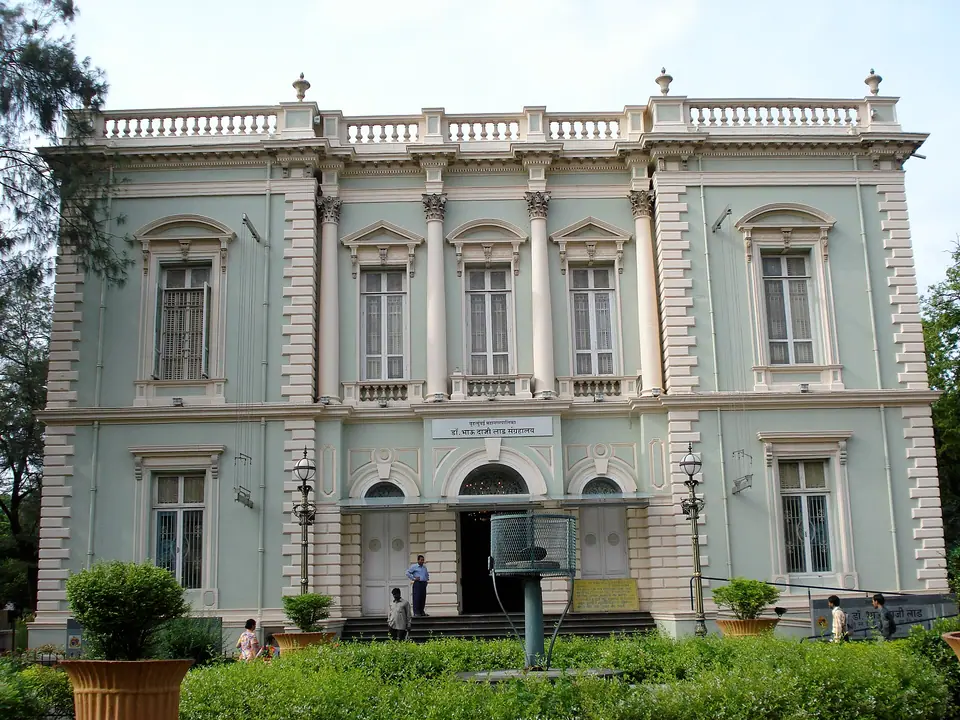
Museums cluster at Kala Ghoda: the Chhatrapati Shivaji Maharaj Vastu Sangrahalaya, opened in 1922, and the Jehangir Art Gallery, opened in 1952. In Byculla, the Dr Bhau Daji Lad Museum, the city's oldest, sits inside the grounds of Rani Baug. Temples and markets fill the northern streets, among them Mumba Devi at Bhuleshwar and the old-goods shops of Chor Bazaar near Mohammed Ali Road. Khotachiwadi's wooden houses are a lived-in lane, so walk quietly. Haji Ali Dargah, on its islet off Worli, is reached by causeway at low tide.
- The Gateway of India, completed in 1924, stands at Apollo Bunder with the harbour behind it.
- Flora Fountain, erected in 1864, marks Hutatma Chowk and the Samyukta Maharashtra memorial.
- The Asiatic Society Town Hall at Horniman Circle was completed in 1833.
- Keneseth Eliyahoo Synagogue at Kala Ghoda was built in 1884 by the Sassoon family.
- Marine Drive's promenade curves along Back Bay from Nariman Point to Girgaon Chowpatty.
Who should stay here
South Mumbai suits visitors who want to walk to the main sights and prefer evenings by the sea to a suburban base. Families do well around Colaba and Churchgate, where the promenade, the museums and the Gateway of India are close and the streets are flat. Travellers drawn to markets, temples and the old city will find Byculla, Girgaon and the Crawford Market streets more rewarding to be near. Anyone planning day trips far north should weigh the journey time, since the zone sits at the end of the rail lines.
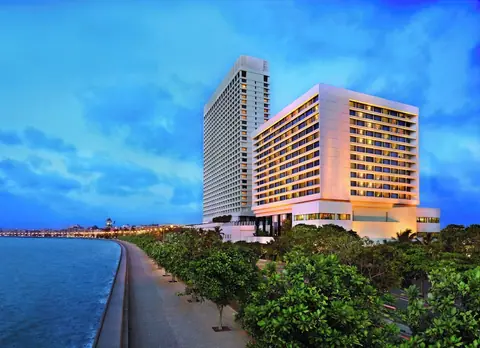
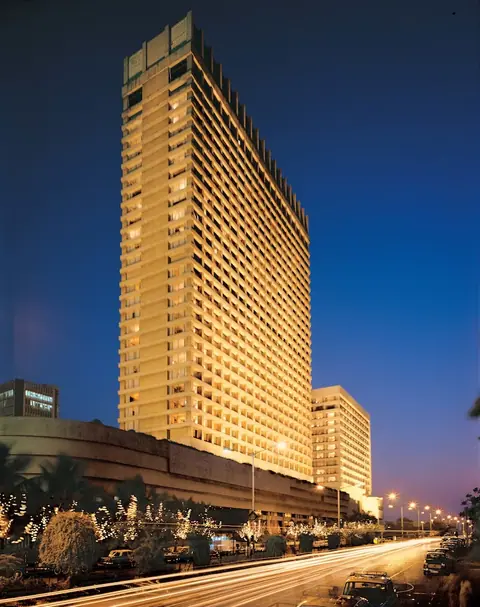
Where you stay shapes the day. The western side around Colaba, Churchgate and Marine Drive gives sea air and short walks to the Gothic and Art Deco set pieces. The eastern side around CSMT and Crawford Market puts bazaars, wholesale streets and the station within reach, with more noise and fewer quiet corners. Nariman Point and Cuffe Parade are the quietest at night, and their streets empty early. Read the immediate street, not just the neighbourhood name, before choosing a place to stay.
Practical habits help. Carry some cash alongside a phone payment app, since smaller shops and stalls may not take cards. The island city sits only a few metres above sea level, so heavy monsoon rain floods low-lying roads and slows the trains. Elephanta ferries from the Gateway of India are often suspended in the rains. Festival dates move with the Hindu, Islamic and Christian calendars, so check dates and opening hours before setting out.
Editorial review: 16 November 2026 · imptmumbai.in, written with AI assistance (see the editorial policy).