- Area
- Girgaon and Grant Road, South Mumbai
- Airport distance
- 16.5 km from BOM
- Nearest stations
- Charni Road and Grant Road
- Best months
- November to February
Lanes, temples, old theatres
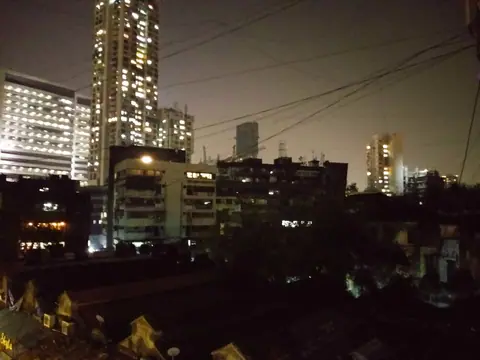
Girgaon and Grant Road sit in the tail of the island city, between the Western railway line and the shore of Back Bay. Girgaon is the old name for this whole district, and its lanes still follow the shape of the East Indian villages and Marathi neighbourhoods that grew along the coast. Grant Road, named after a nineteenth-century governor of Bombay, became a quarter of theatres, music rooms and small workshops. The two run into each other without a clear border, and few visitors notice where one ends.
The Koli fishing community is the oldest presence on this shore, and Koli families still live beside Girgaon Chowpatty. East Indian households settled Khotachiwadi in the nineteenth century, while Marathi, Parsi and Gujarati families filled the lanes around Bhuleshwar. The Opera House quarter takes its name from an early twentieth-century theatre that still stands near the junction. Marathi is the everyday language here, and the streets are at their liveliest during Gudi Padwa and Ganesh Chaturthi.
A first walk through the lanes
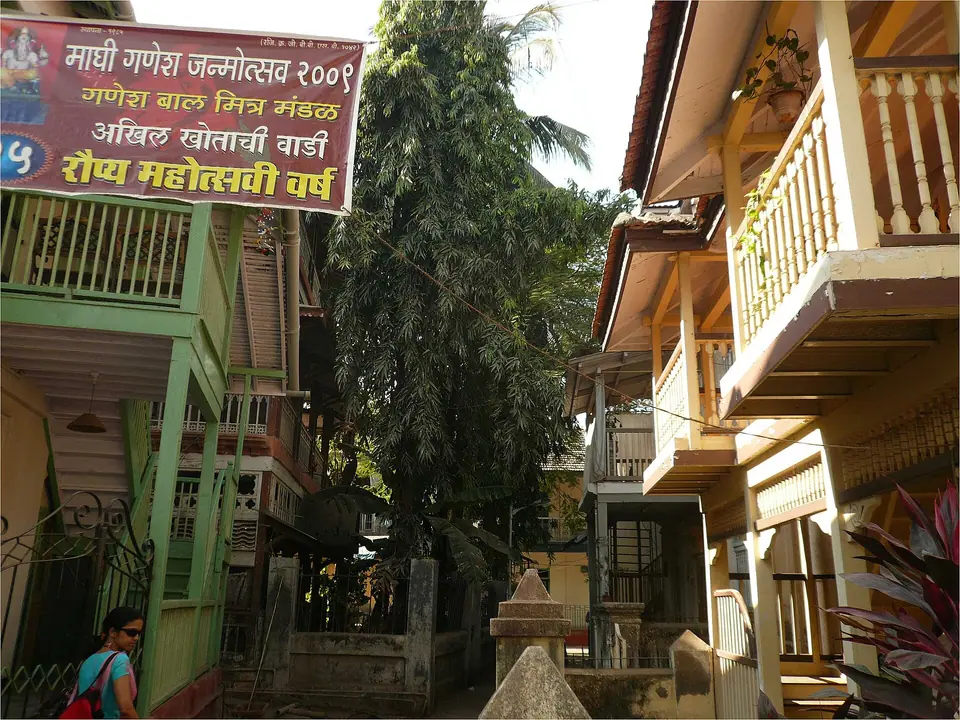
Begin at Charni Road station on the Western line and walk inland, away from the sea, into the narrow lanes behind the main road. A short way in you reach Khotachiwadi, a lane of wooden houses with verandas and sloping tin roofs, 0.4 km from the area's edge. Families live behind those doors, so keep voices low and ask before photographing anyone. From there, turn west and follow the crowd down to Girgaon Chowpatty.
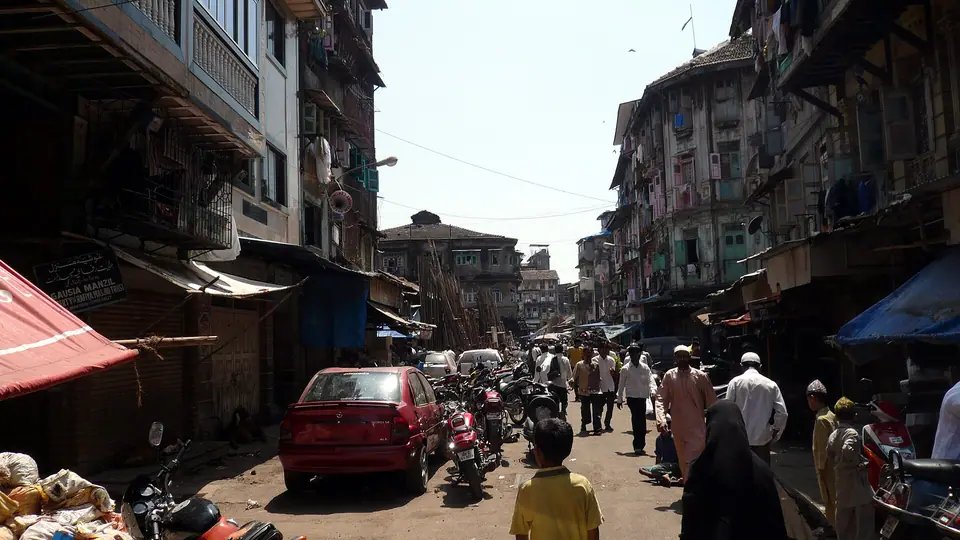
The second loop starts at Grant Road station and heads east to Chor Bazaar, about 1.2 km away, where Mutton Street fills with old furniture, brass and film posters; most shops close on Fridays, so check before you go. From the bazaar, walk south through the Opera House quarter and on towards Marine Drive, 1.9 km from here, for the sea wall and the evening line of lights. Both routes are flat, though paving is uneven and broken in places.
- Charni Road station is the simplest starting point for the Khotachiwadi lanes.
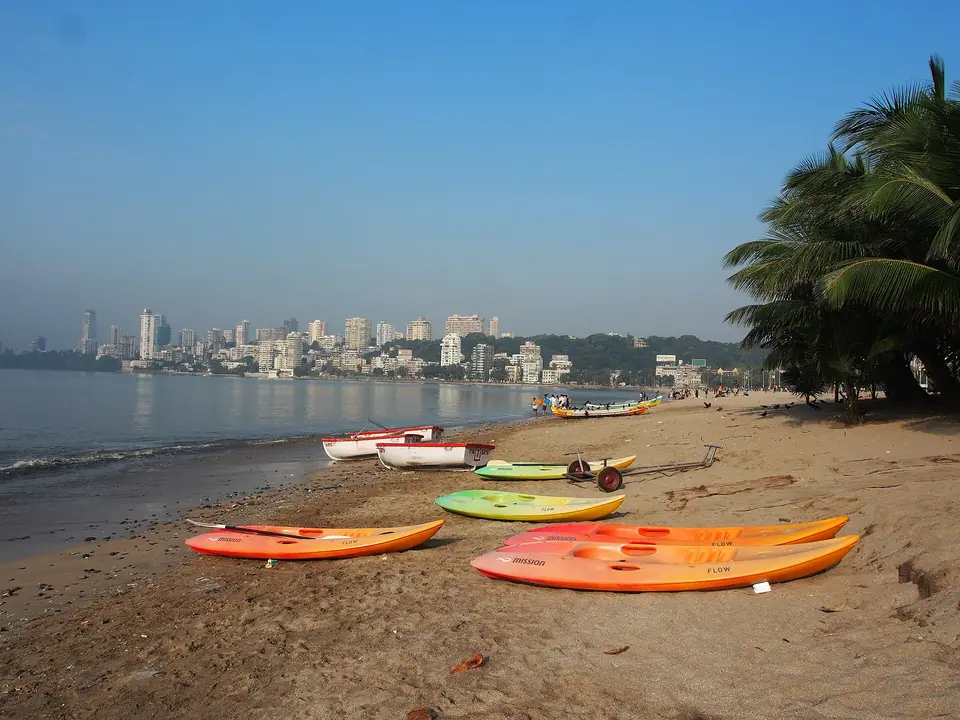
- Walk west to Girgaon Chowpatty for sand, kulfi carts and the evening crowd.
- Head inland for Mumba Devi Temple, 1.9 km away, in the Bhuleshwar lanes.
- Finish on Marine Drive, 1.9 km west, where the promenade stays busy after dark.
What to see, and what children enjoy
Khotachiwadi is the quietest sight in the area and the most fragile, a single lane of timber houses that survived the tower building of recent decades. Mumba Devi Temple at Bhuleshwar, about 1.9 km inland, is the shrine from which the city's name is traditionally derived. Mahalaxmi Temple, 2.2 km away on the seaward side, is busiest at Navratri. Banganga Tank at Walkeshwar, 2.9 km off, is a stepped water tank with an enclosed, unhurried air.
Children tend to like Girgaon Chowpatty best, for the open sand, the food stalls and the room to run at low tide; the water is not for swimming, since currents and uneven sand make most Mumbai beaches unsafe. Chor Bazaar suits older children, who enjoy the hunt for old postcards and brass. The lanes around the Opera House reward slow walking, with carved balconies, worn signboards and workshops open to the street.
- Khotachiwadi, 0.4 km from the area, is a lived-in lane, so visit quietly and never open gates.
- Girgaon Chowpatty is best at low tide, when the sand widens and the stalls set up.
- Chor Bazaar, 1.2 km away, is a browsing market for antiques, brass and old film posters.
- Banganga Tank, 2.9 km off on Malabar Hill, holds a classical music festival in January; check the dates.
- Marine Drive, 1.9 km west, suits an evening walk with children.
Eating in Girgaon and Grant Road
This is street-food country. Vada pav, misal pav, kanda poha and dabeli are morning and midday staples, sold from counters and carts along the main roads and in the lanes behind them. At Girgaon Chowpatty the stalls run to bhel puri, sev puri, pani puri, ragda pattice and pav bhaji, with kulfi and falooda afterwards. Eat where the turnover is quick and the food is hot; in a place with this much competition, that is the surest guide.
Sit-down meals lean Maharashtrian and Gujarati: thalipeeth, puran poli, sabudana khichdi and modak, with kokum sol kadhi to drink. Parsi kitchens and Irani cafés around Grant Road serve dhansak, akuri, patra ni machhi, chai and bun maska through the day. Near the East Indian villages, look for fugias and sorpotel seasoned with bottle masala. Many kitchens here are vegetarian by default, which suits families. Cutting chai, half a glass, is the standard order at any hour.
Getting there and around
The airport, Chhatrapati Shivaji Maharaj International Airport, is 16.5 km away, and Navi Mumbai International Airport is 27 km across the harbour; check which one your flight uses. The drive in is by taxi or app cab, and the time it takes depends heavily on traffic. The metro Aqua Line serves South Mumbai with stations near this quarter, but new lines and stations keep opening, so check the current network before relying on a particular stop.
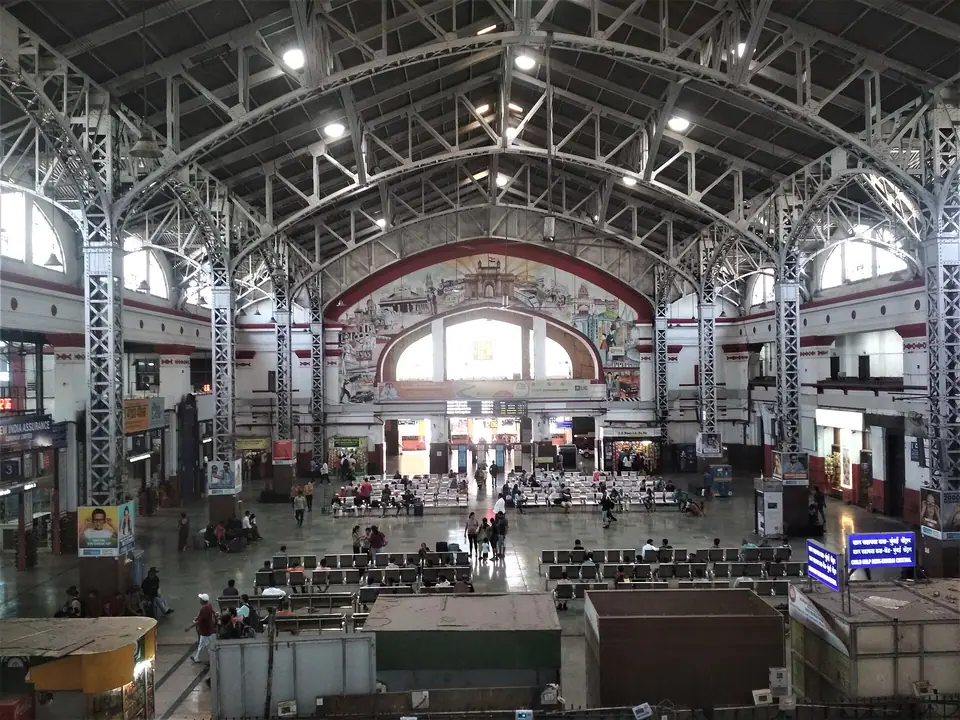
The Western line is the simplest way in. Charni Road and Grant Road stations sit inside the area, with Churchgate at the southern end of the line and Dadar to the north. CSMT is 3 km away, the Gateway of India 4.7 km and Bandra station 10.8 km. Autorickshaws do not operate in the island city, so short hops are by black-and-yellow taxi or app cab. Most sights here sit within walking distance of each other.
Where to stay in the quarter
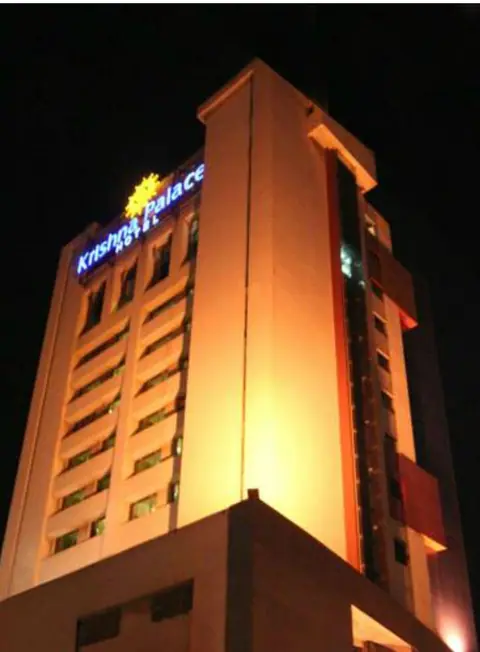
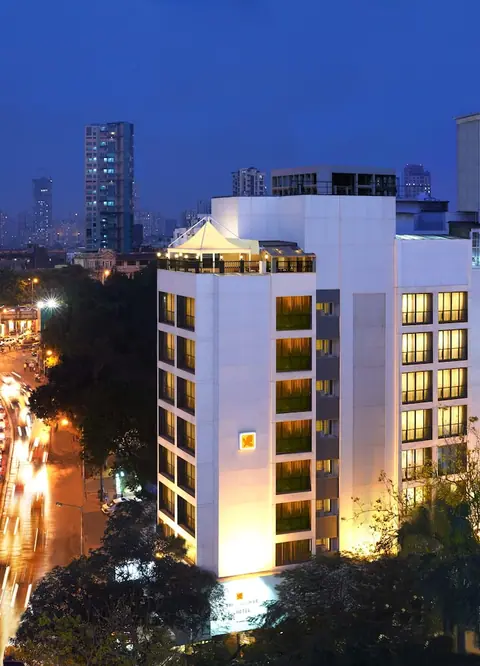
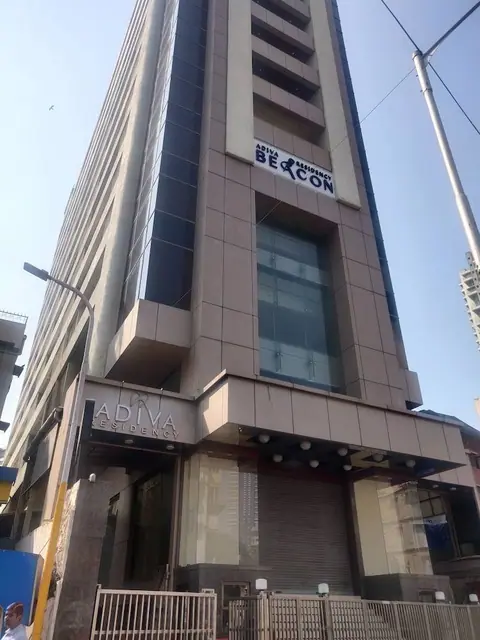
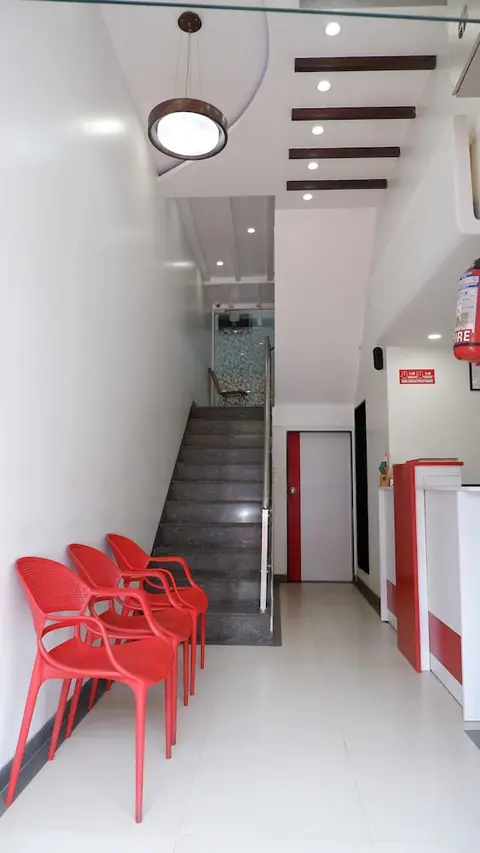
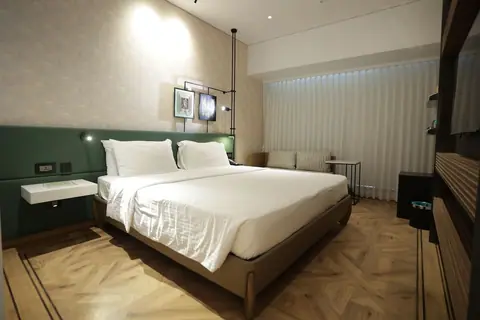
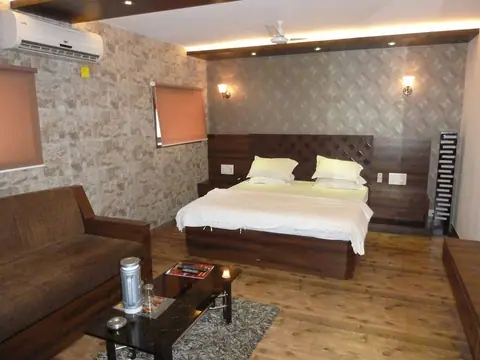
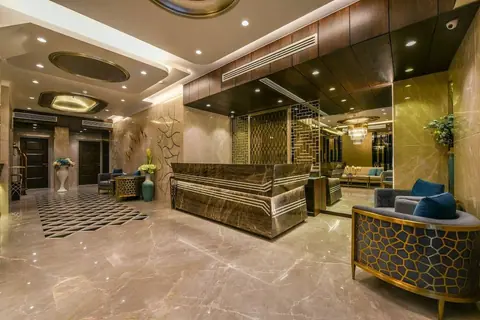
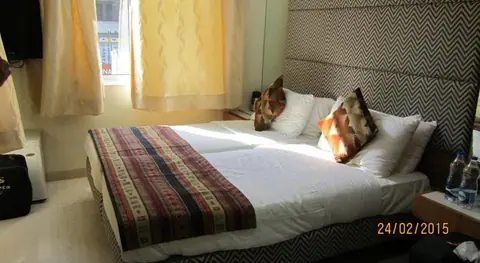
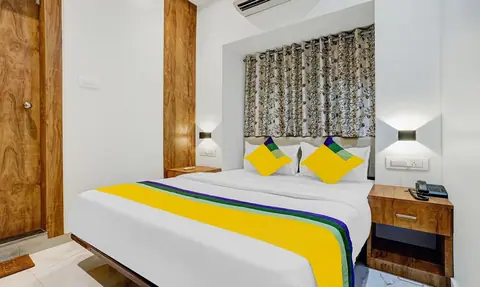
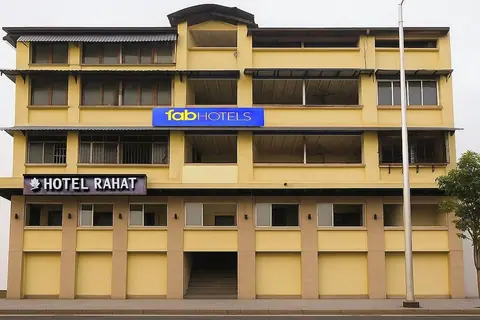
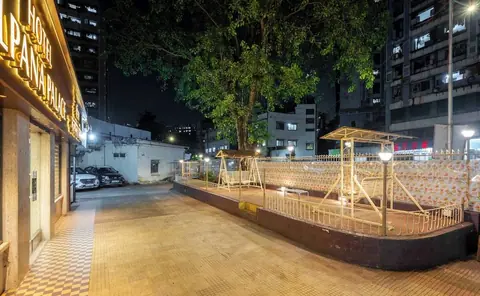
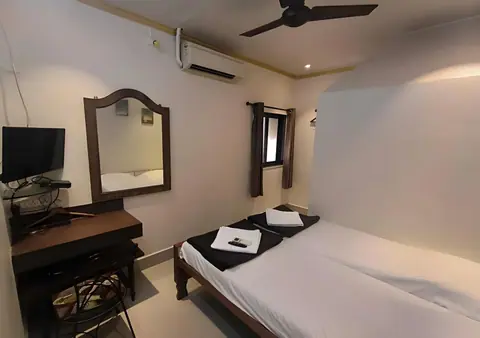
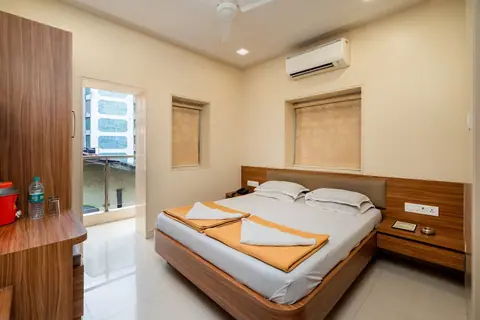
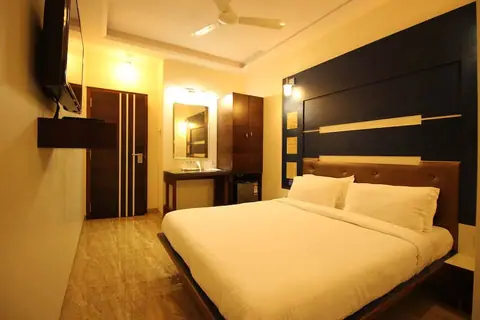
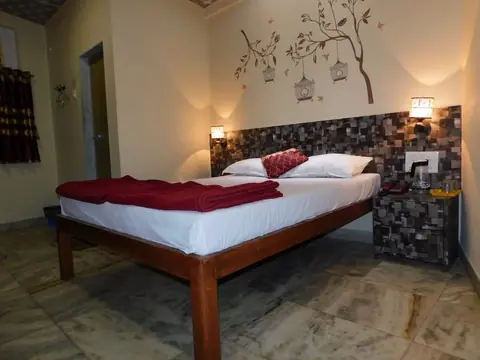
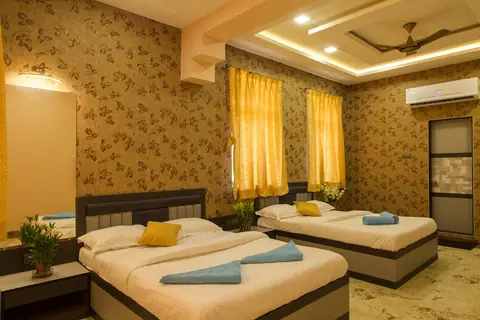
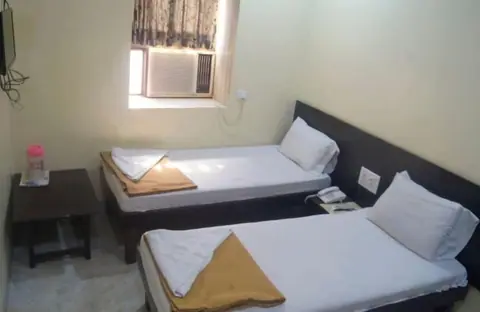
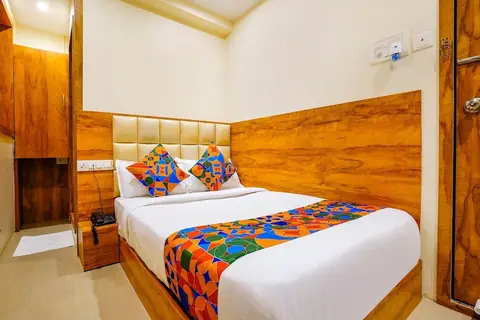
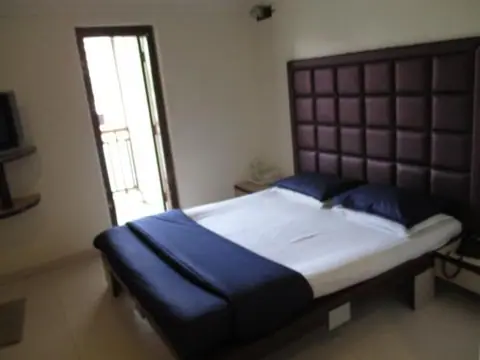
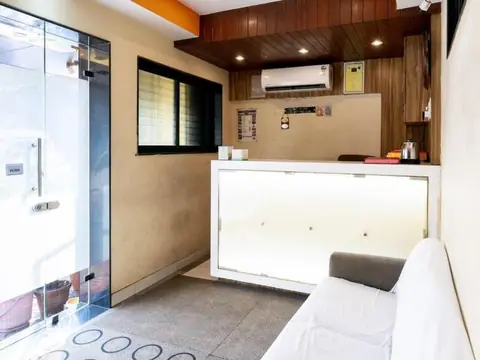
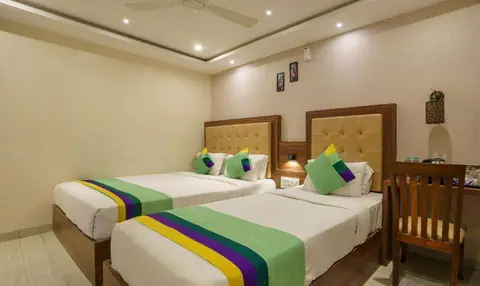
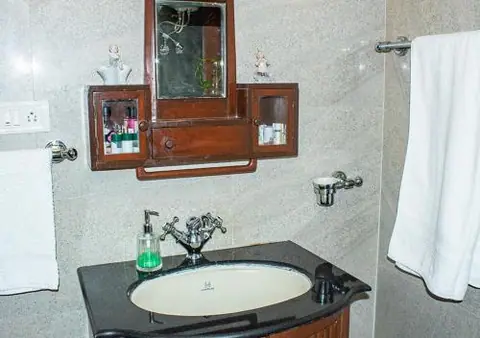
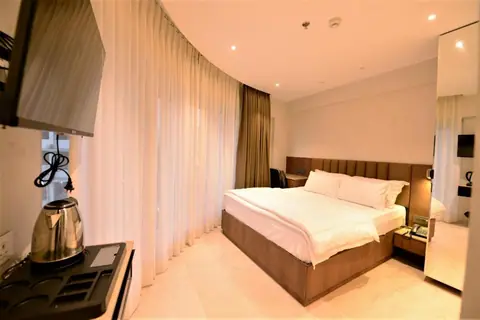
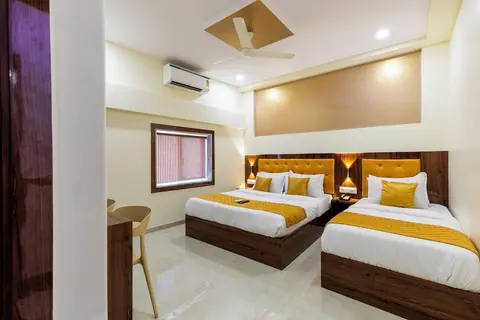
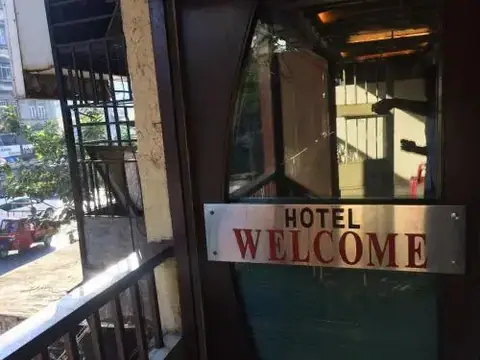
Stays here fall into two rough groups. On the sea side, near Girgaon Chowpatty, older buildings, sea air and evening walks make up for small rooms, with Marine Drive 1.9 km away. Around Grant Road station the appeal is transport: the Western line, buses and the bazaar at the door. Rooms in the lanes behind the main roads are usually quieter than those facing the sea, and often simpler in what they offer.
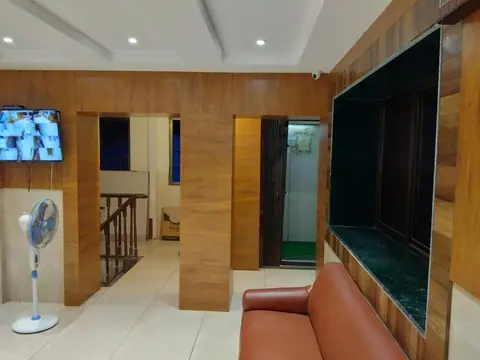
Ask about the lift, hot water, backup power and the exact lane before booking, since an address on a main road can sit well back from it. In the monsoon, upper floors and recently repaired buildings are the safer choice. The pleasant season from November to February is the busiest, so book ahead then. Khotachiwadi itself is a residential lane, and the places that take guests sit around it rather than inside.
Editorial review: 16 November 2026 · imptmumbai.in, written with AI assistance (see the editorial policy).