- Area
- Fort and Kala Ghoda, South Mumbai
- From the airport
- 18.9 km from BOM
- Nearest terminal
- CSMT, 0.9 km away
- Pleasant season
- November to February
A quarter built on trade
The Fort takes its name from the walled settlement the East India Company held after 1668, when the islands passed to England in Catherine of Braganza's dowry and were leased to the Company. Trade filled the ground behind the walls: warehouses, banks, courts, a university, newspaper offices. The ramparts came down in the nineteenth century and the city spread north, yet this small grid of streets kept the institutions, the stone and the money.
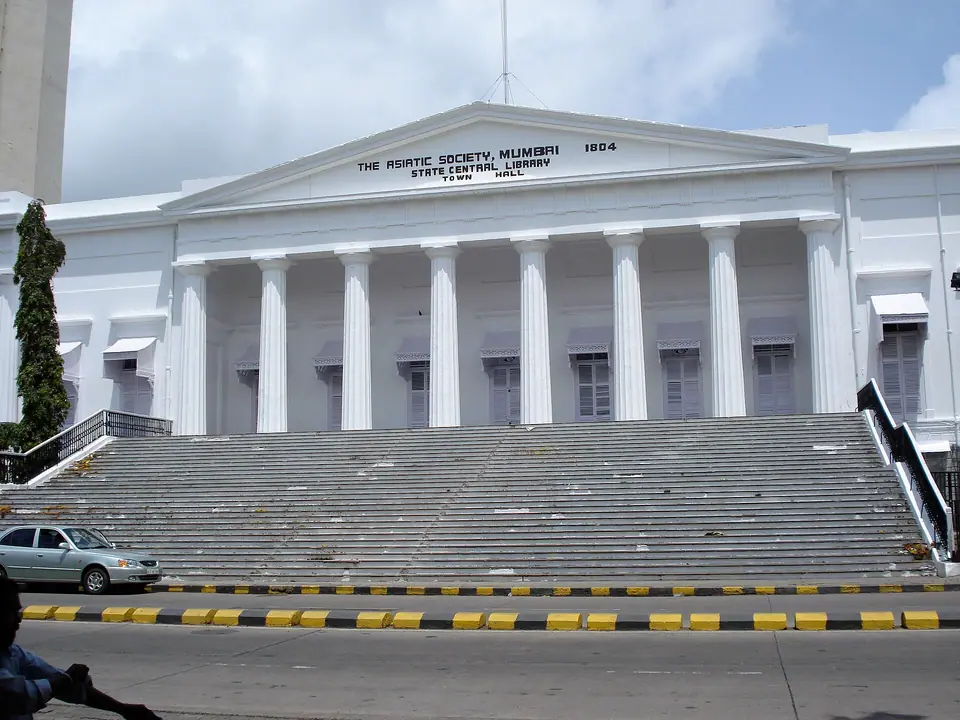
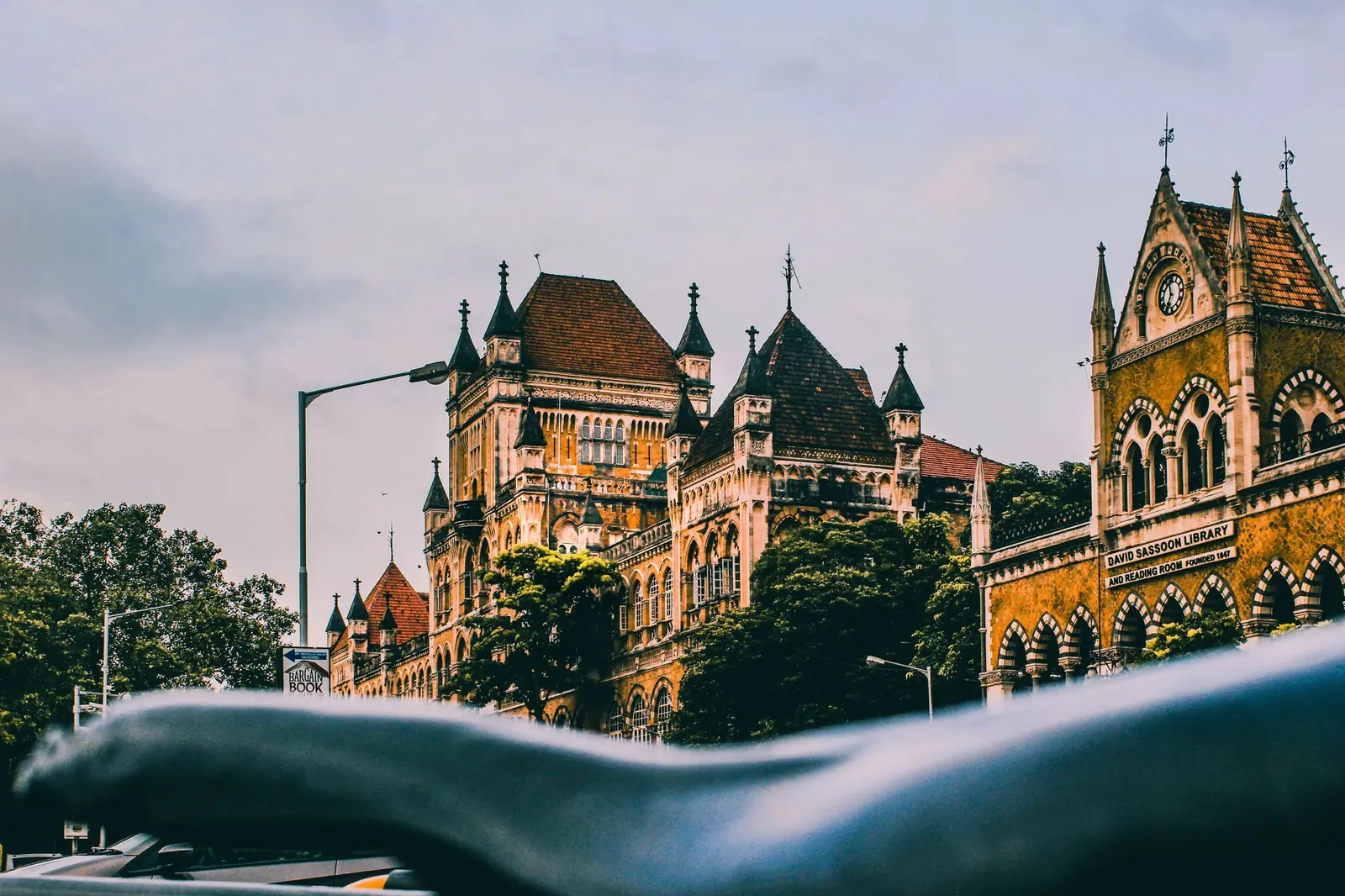
What you see today is largely a Victorian rebuild. Cotton money and civic ambition produced the set pieces that UNESCO listed in 2018 as the Victorian Gothic and Art Deco Ensembles of Mumbai, with the Oval Maidan at the seam between the two styles. Chhatrapati Shivaji Maharaj Terminus, designed by F. W. Stevens and built between 1878 and 1888, is the largest of them and a World Heritage Site in its own right. The Asiatic Society Town Hall followed an older, plainer taste.
A first walk through the Fort
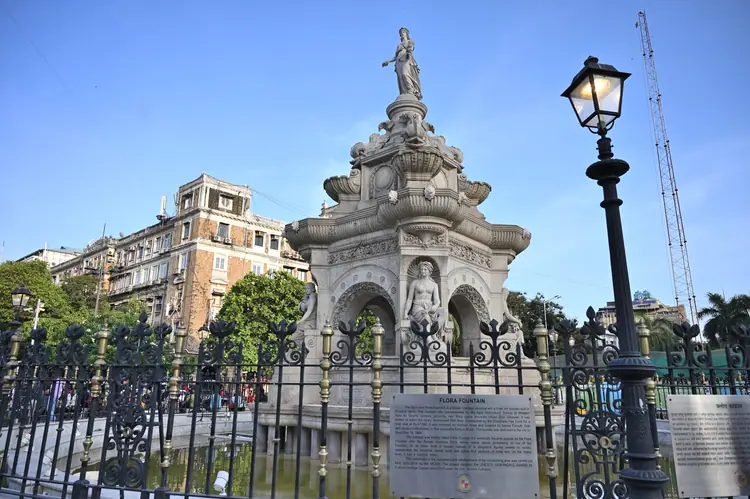
Begin at Chhatrapati Shivaji Maharaj Terminus and walk north-west along Dadabhai Naoroji Road, where the ground floors of the old buildings still hold shops and the upper floors carry carved stone, balconies and long rows of windows. Continue to Horniman Circle and the Asiatic Society Town Hall, completed in 1833, then follow the curve into the lanes behind Flora Fountain, where arcades hold bookstalls, tailors and stationers. Allow a slow morning for this stretch.
Flora Fountain, erected in 1864, stands on Hutatma Chowk, the square that honours those killed in the Samyukta Maharashtra movement of the 1950s; the state was created in 1960 with Bombay as its capital. From the square, Mahatma Gandhi Road runs north to Kala Ghoda, the small curve of streets around the museums, galleries and the synagogue. Finish at the Oval Maidan, with the Rajabai Clock Tower and the High Court on one side and the sea beyond.
Museums, stone and galleries
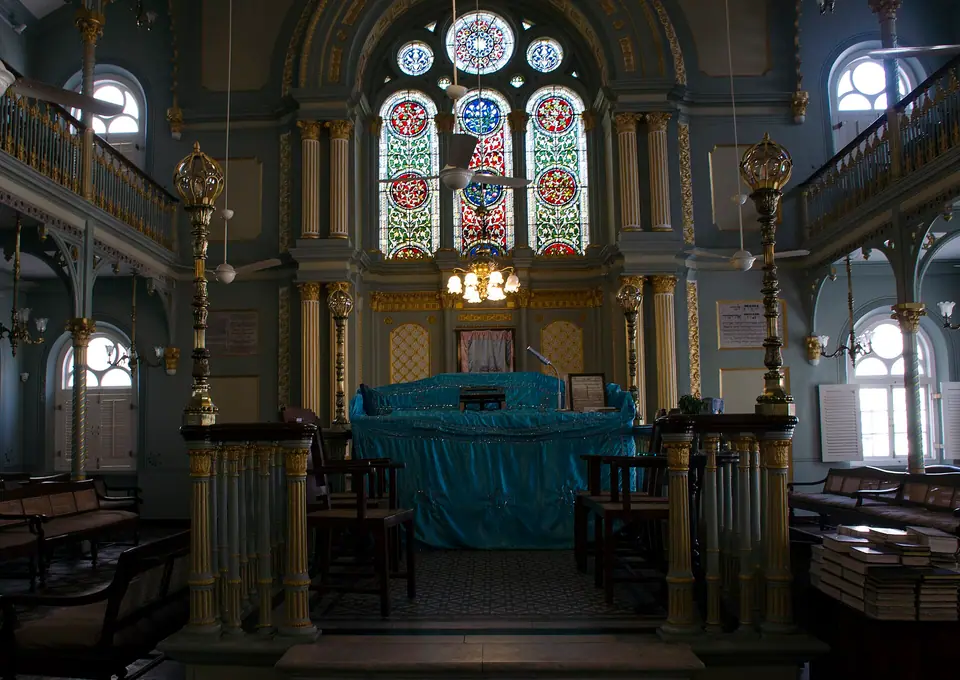
Chhatrapati Shivaji Maharaj Vastu Sangrahalaya, which opened in 1922 as the Prince of Wales Museum, holds the city's broadest collections of art, archaeology and decorative objects, and its grounds give a quiet hour away from the traffic. Jehangir Art Gallery, opened in 1952, shows changing exhibitions of Indian art. The Keneseth Eliyahoo Synagogue, built in 1884 by the Sassoon family, stands a short walk away and admits visitors outside prayer times.
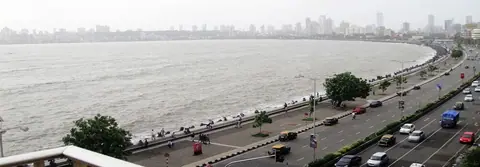
The streets are the main sight. Look up at the University of Mumbai buildings, the Rajabai Clock Tower, completed in 1878 to a design by George Gilbert Scott and about 85 m tall, and the Bombay High Court, then cross to the Oval Maidan, where cricket runs most of the day and the Art Deco seafront of Marine Drive begins beyond. The Kala Ghoda Arts Festival fills the same streets every February; check the dates each year.
- Chhatrapati Shivaji Maharaj Vastu Sangrahalaya: give it two hours; an entry fee applies, so check opening days before you go.
- Jehangir Art Gallery: changing shows, so look up what is on before setting out.
- Keneseth Eliyahoo Synagogue: visitors are welcome outside prayer times and dress modestly.
- Asiatic Society Town Hall: the 1833 building and its dome are best seen from the Horniman Circle garden.
- Oval Maidan: watch club cricket from the pavement in the late afternoon.
With children in the Fort
The open maidans do most of the work with children. Oval Maidan and Azad Maidan are flat, shaded at the edges and full of cricket, informal football and kites in the late afternoon, and nobody minds a small audience. The museum's sculpture, painting and natural history galleries reward a slow hour, and the garden at Horniman Circle gives somewhere to sit, chase pigeons and eat a snack.
Keep the walk short and break it often. The stretch from the terminus to Flora Fountain carries heavy traffic, so hold hands and cross at the signals. Stone carvings make a good game: animals, ships, faces and crests sit above shopfronts and on corners throughout the Fort. In February the Kala Ghoda Arts Festival adds street performances and installations that suit children; check the dates before planning a trip.
What to eat in the Fort
The Fort eats at office hours, which suits visitors. Breakfast is kanda poha, a bun or something fried, with cutting chai, half a glass, ordered all morning. Street stalls sell vada pav, bhel puri, sev puri, pani puri, ragda pattice, dabeli and the Bombay sandwich. Around Kala Ghoda, older cafés with marble tables and slow ceiling fans serve chai with bun maska or brun pav, the Parsi and Irani habit that outlasted the offices.
For a sit-down meal, look for Parsi cooking such as dhansak, akuri and patra ni machhi, Maharashtrian plates of puran poli, thalipeeth and sabudana khichdi, or Konkan and Malvani seafood: bombil, also called Bombay duck, surmai, pomfret, prawns and tisrya. Vegetarian thali places fill at lunchtime and sweet shops sell kulfi and falooda through the heat. Menus here lean on the old city's mix of Gujarati, Parsi, Maharashtrian and Iranian cooking.
- Irani-style cafés: chai, bun maska and brun pav, busiest at breakfast.
- Street stalls on the office streets: vada pav, bhel puri and pani puri through the day.
- Vegetarian thali places: a full plate at lunch, usually quick.
- Seafood kitchens: Malvani and Koli styles, with bombil, surmai and prawns.
Getting here and where to stay
The airport is 18.9 km away, a drive that can take much longer in traffic. Navi Mumbai International Airport, across the harbour, is 25.7 km from here and is adding routes, so check which airport your flight uses. Prepaid taxis and app cabs are the straightforward way in. Metro Line 3, the Aqua Line, connects the airport area with the Churchgate end of the island city; new lines and stations keep opening, so check the current network.
Once here, walk. The Fort and Kala Ghoda sit within a kilometre or so of each other and of CSMT, and the streets repay it. Black-and-yellow taxis and app cabs serve longer hops; autorickshaws do not operate in the island city south of Bandra and Sion. Suburban trains from CSMT and Churchgate reach the suburbs and Bandra, and the stations themselves are worth a look. Check current fares and routes as you go.
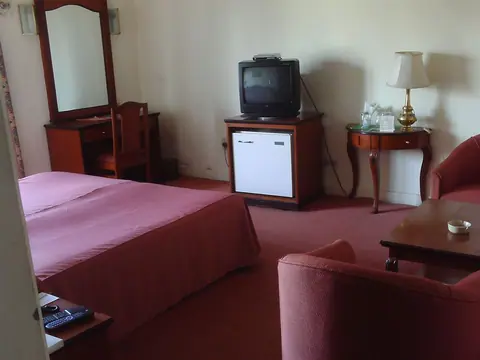
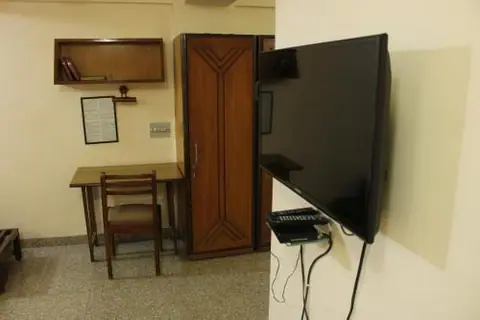
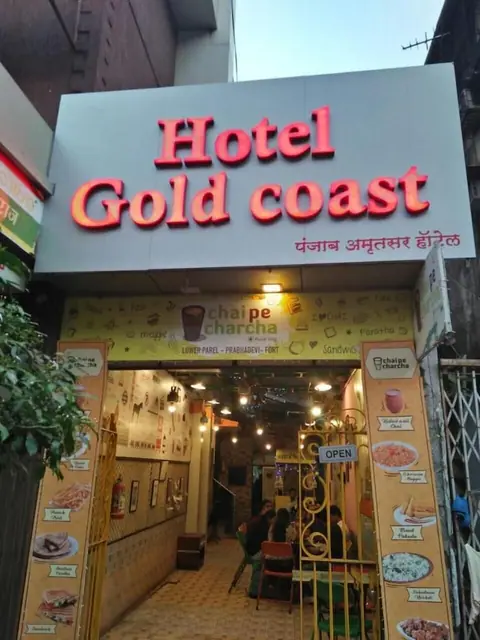
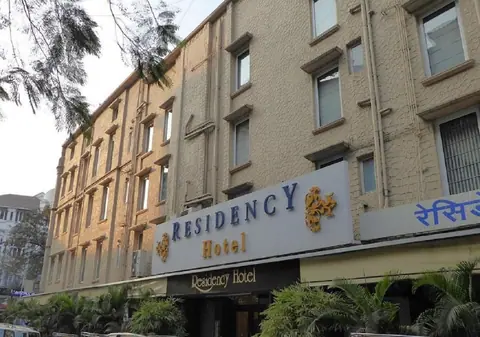
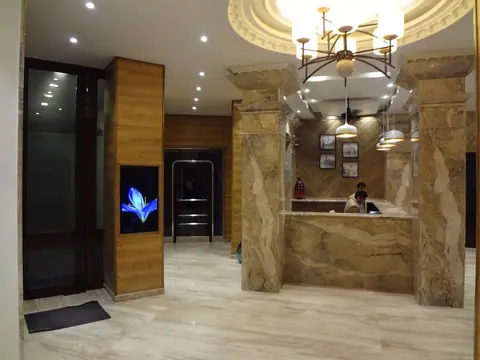
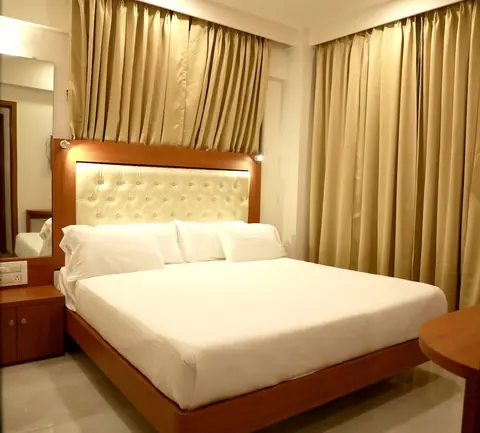
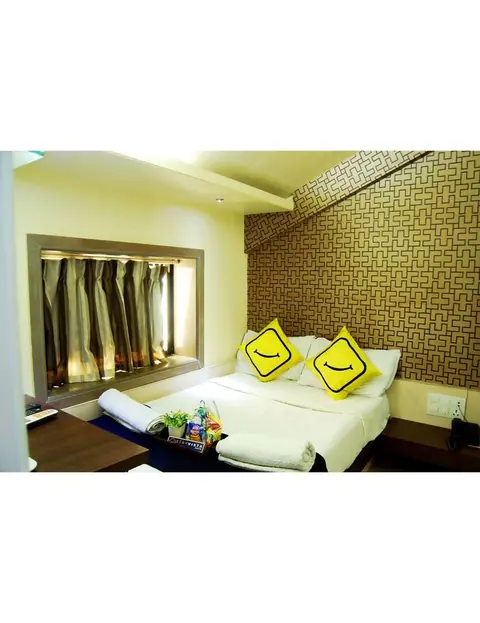
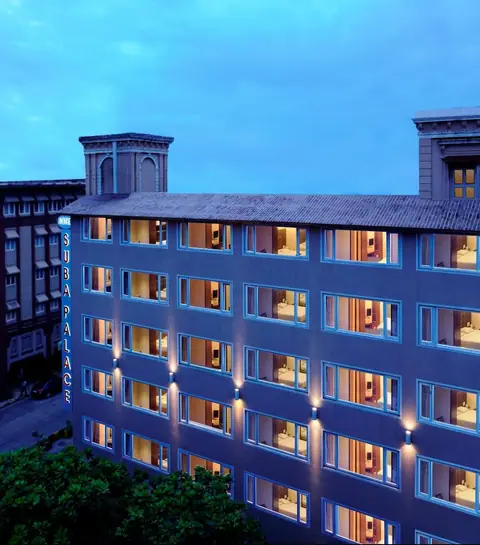
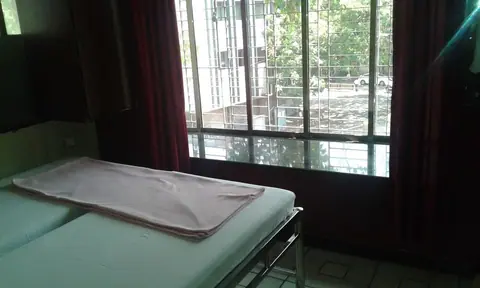
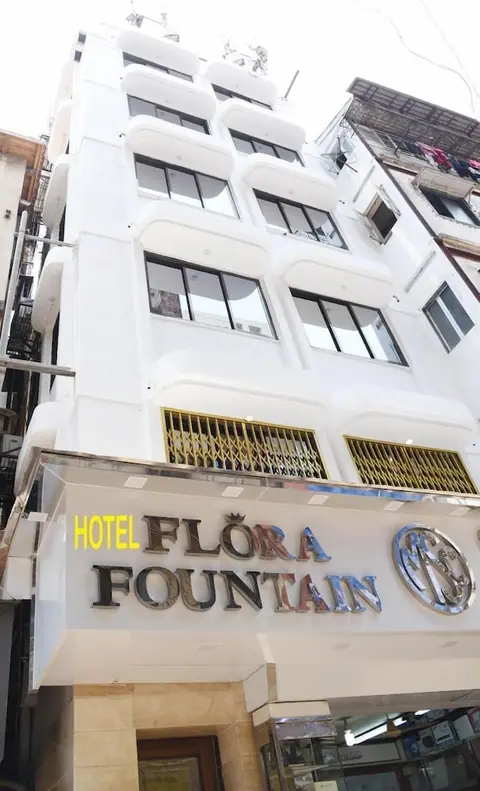
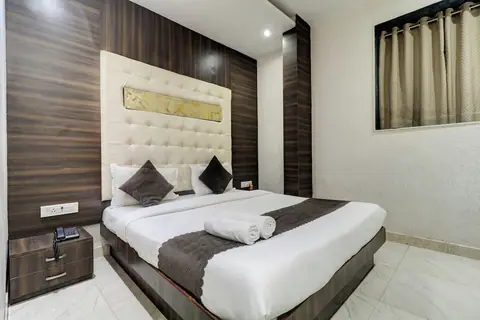
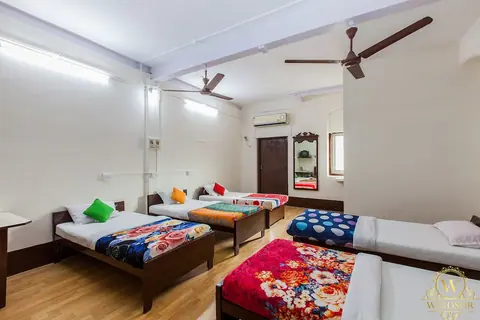
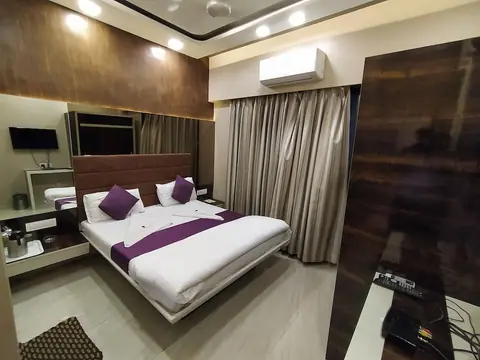
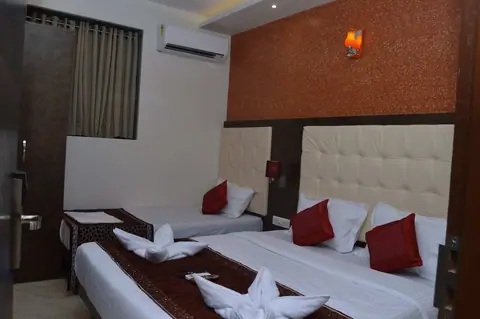
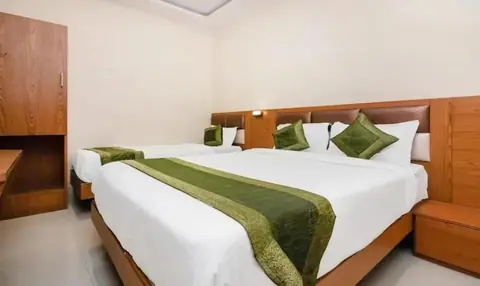
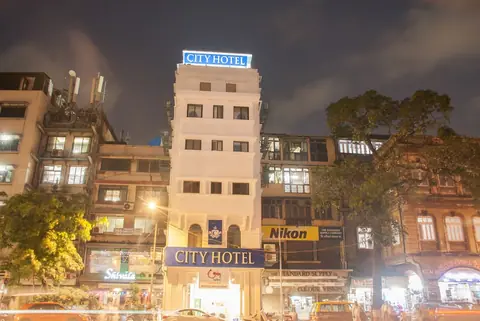
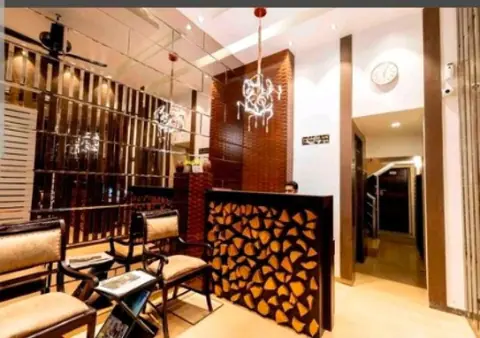
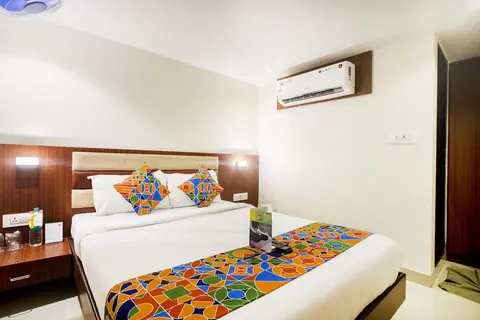
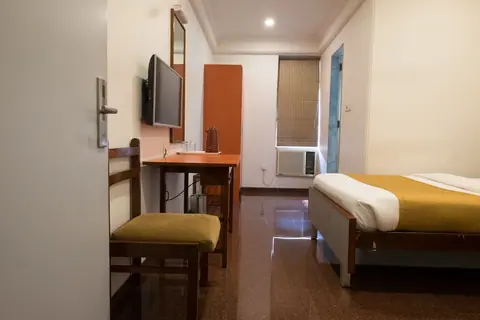
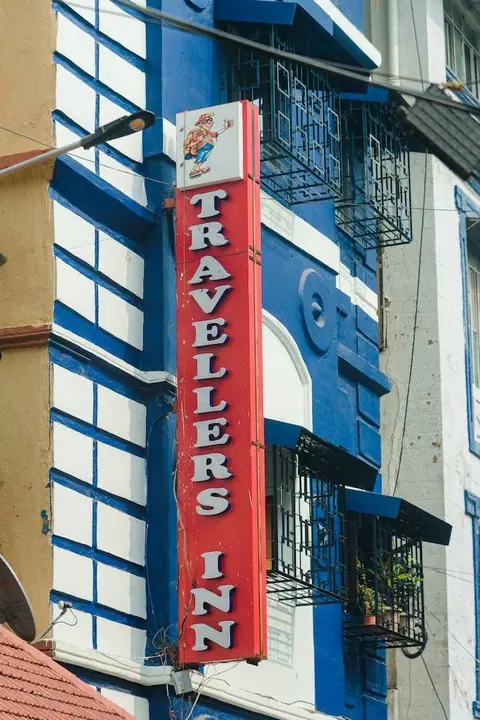
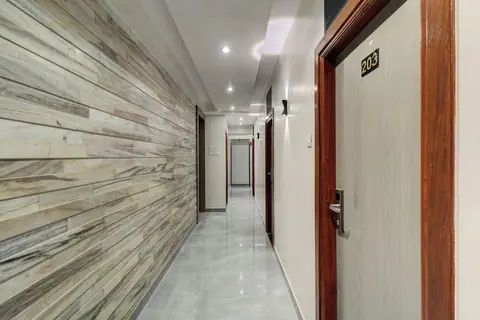
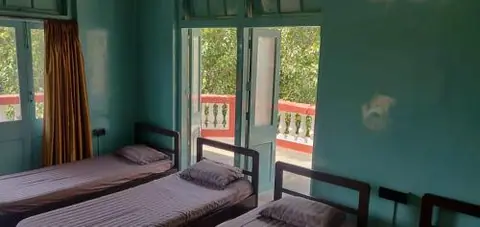
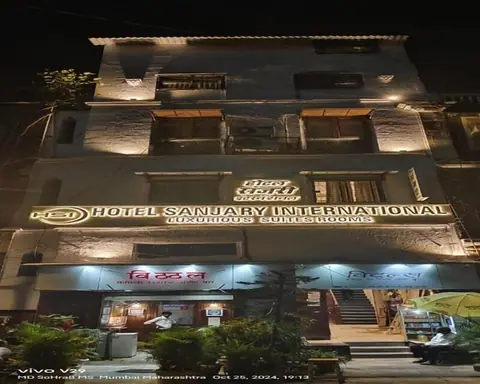
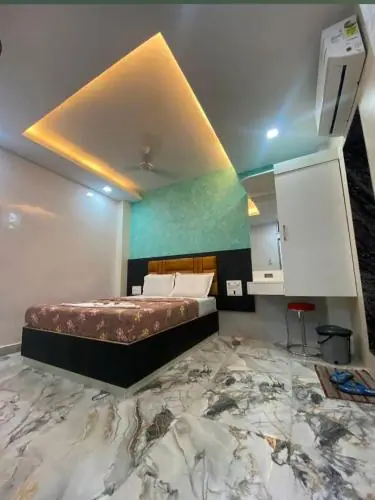
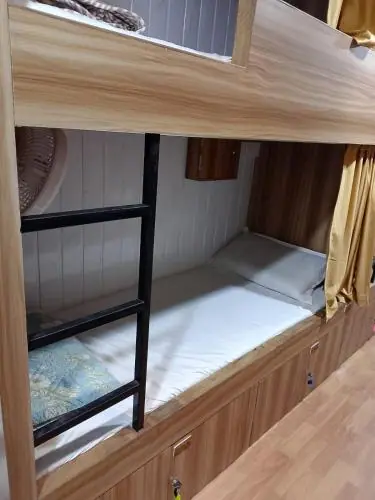
Some 33 places to stay sit in and around this quarter, from heritage buildings with high ceilings and long corridors to small rooms in the lanes behind the maidan. Choose by what you want from the day: a room near the Oval for evening walks, a lane near Kala Ghoda for galleries and cafés, or a spot close to CSMT for early trains. Ask about traffic noise, lift access, hot water and breakfast before booking.
Editorial review: 16 November 2026 · imptmumbai.in, written with AI assistance (see the editorial policy).