- From BOM
- ≈ 60–90 min by road
- Best for
- First visits, sightseeing
- Nearest station
- Churchgate / CSMT
- Walk to
- Gateway, Kala Ghoda
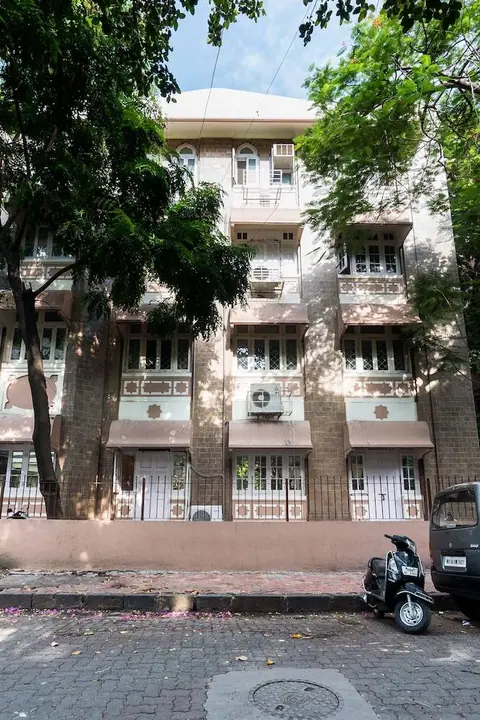
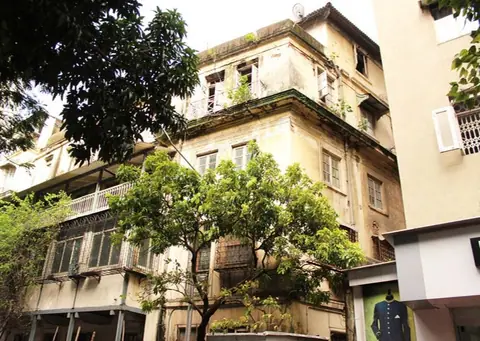
Colaba is the long, narrow peninsula at the very south of Mumbai and the place most visitors stay on a first trip. It was one of the original seven islands, joined to the rest of the city by land reclamation in the nineteenth century, and it still feels slightly apart — shaded streets, colonial-era apartment blocks and the harbour always a few minutes’ walk away.
What to see
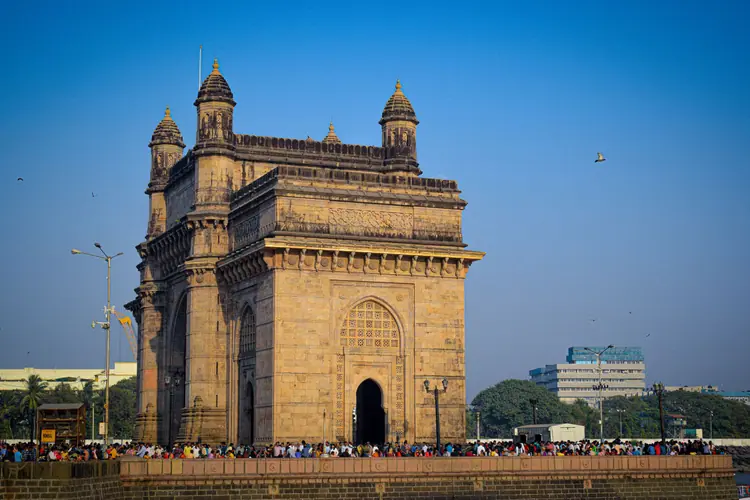
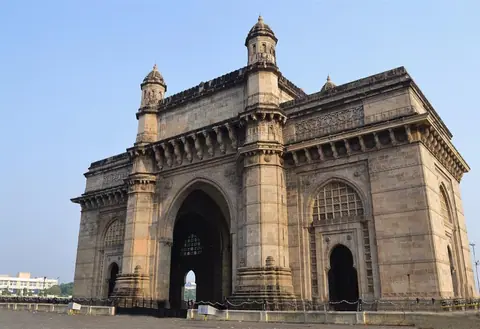
- The Gateway of India on Apollo Bunder, completed in 1924 — best at sunrise before the crowds.
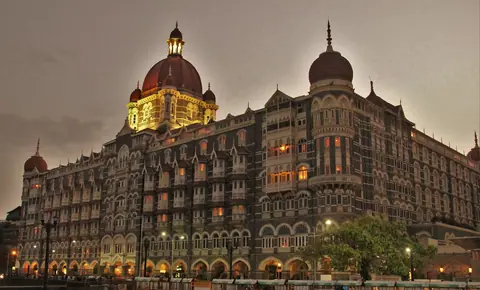
- The Taj Mahal Palace hotel opposite, opened in 1903; non-guests can visit its restaurants and shops.
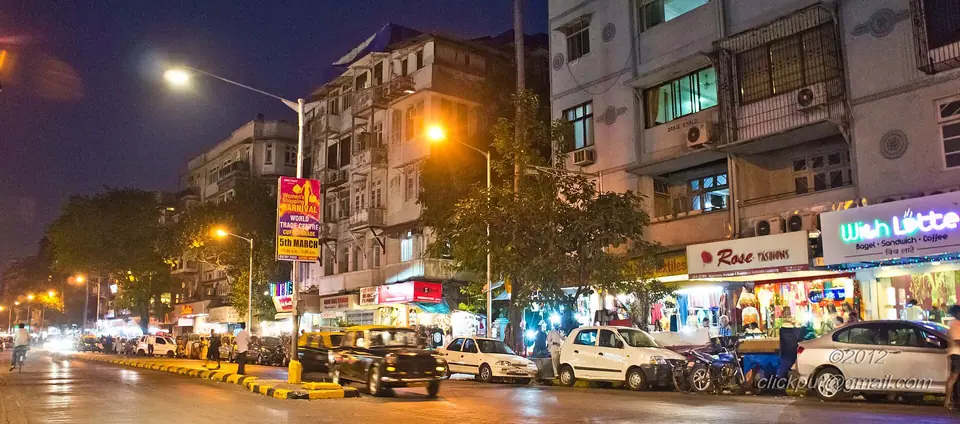
- Colaba Causeway, a long arcade of street stalls for clothes, jewellery and souvenirs.
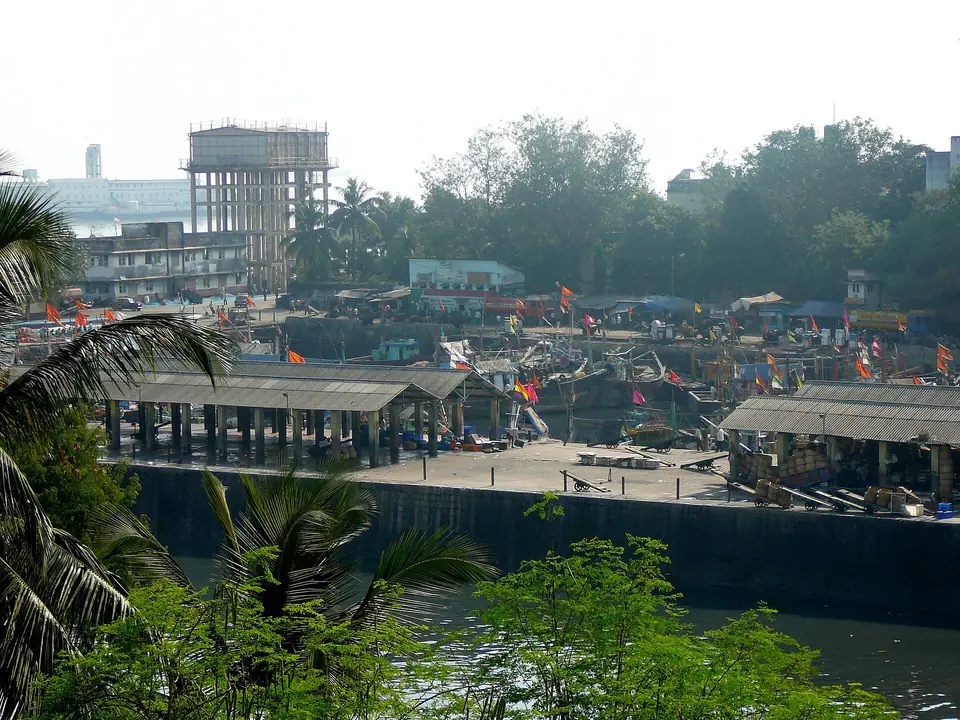
- Sassoon Dock, one of the city’s oldest docks, where the Koli fishing community lands its catch at dawn.
- Afghan Church, a Gothic Revival church at the southern end, built to remember soldiers of the First Afghan War.
Eating and drinking
Colaba is famous for its old cafés: Leopold Café and Café Mondegar have been serving travellers for generations. For seafood, the coastal restaurants of the area serve Malvani and Mangalorean dishes, and the lanes behind the Causeway have cheap kebab and biryani counters. Evenings often end with a walk along the promenade by the Gateway.
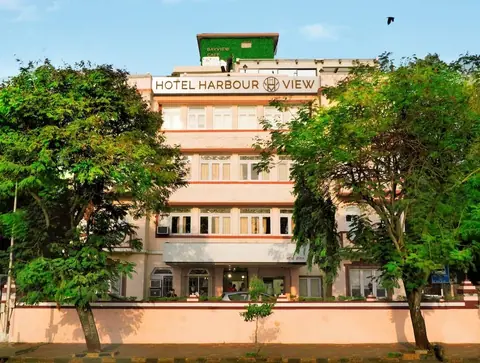
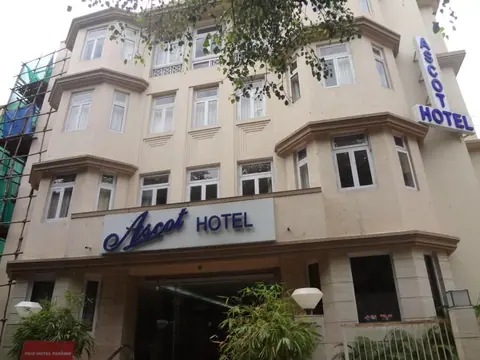
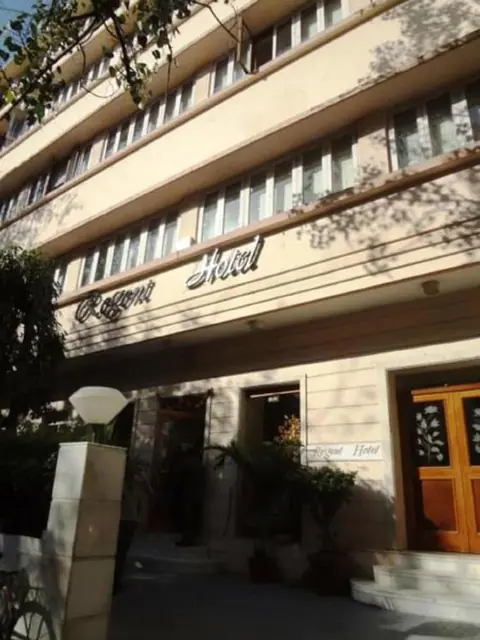
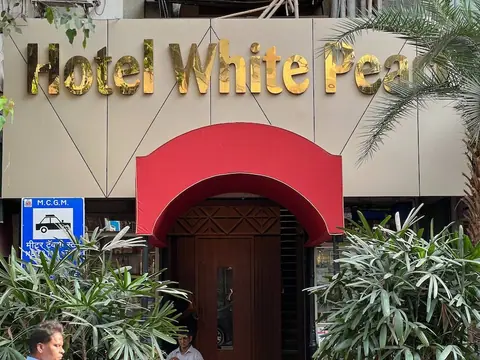
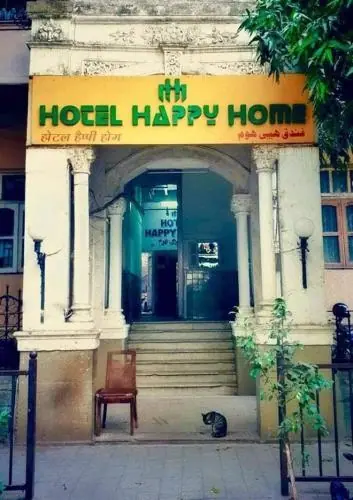
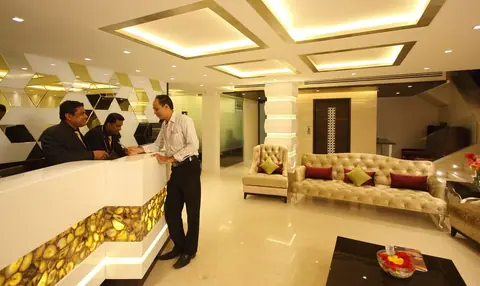
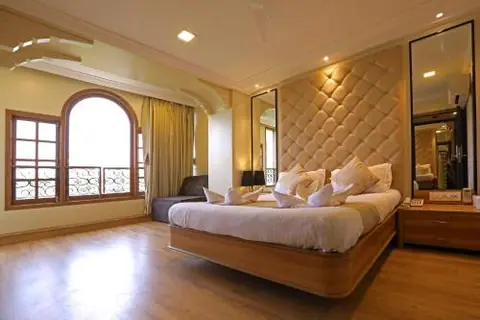
Where to stay in Colaba
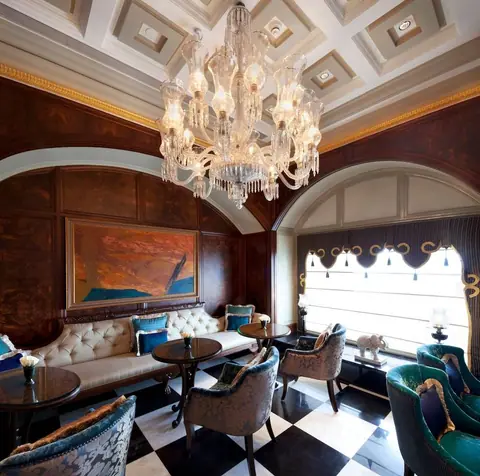
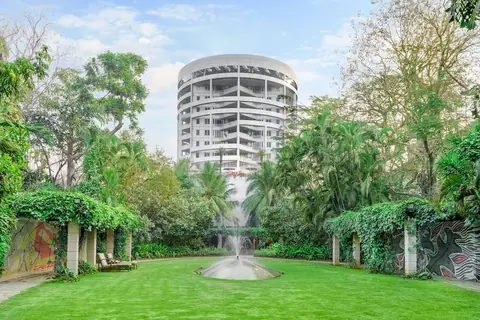
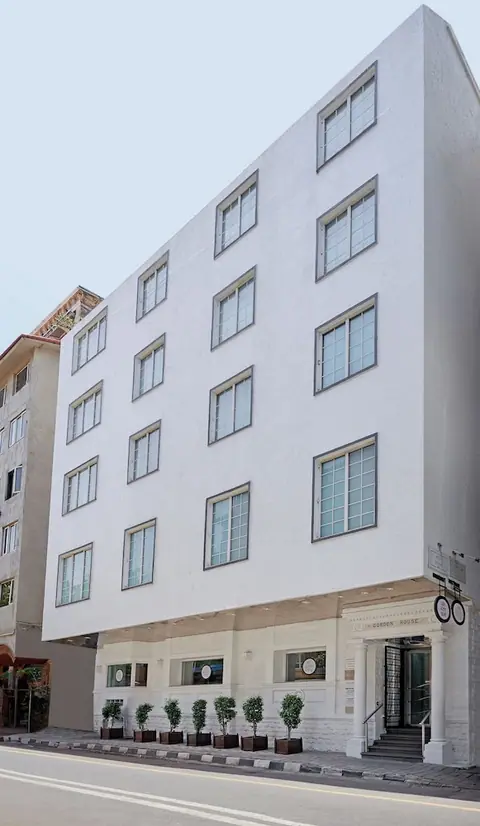
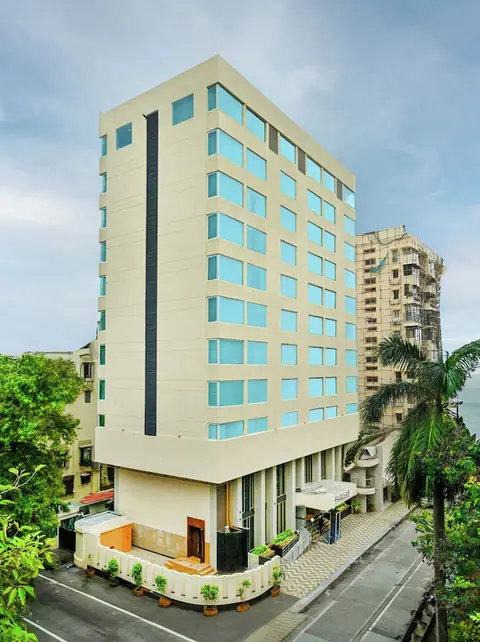
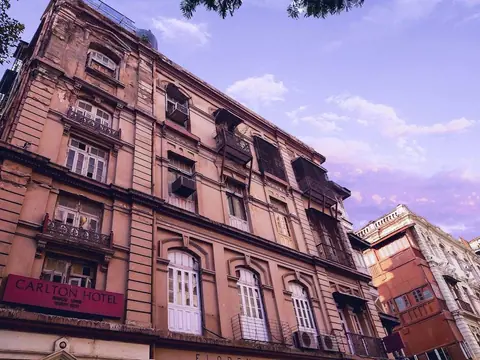
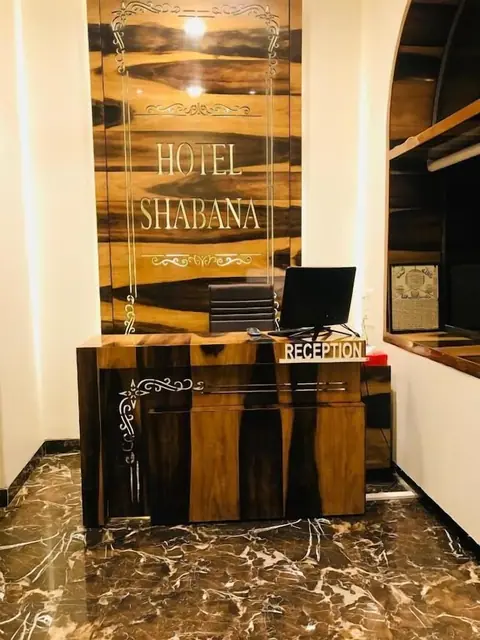
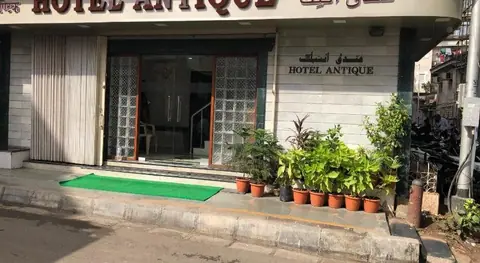
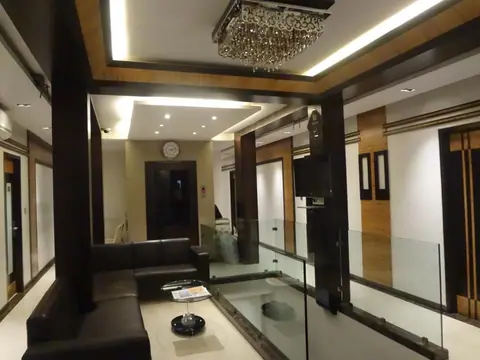
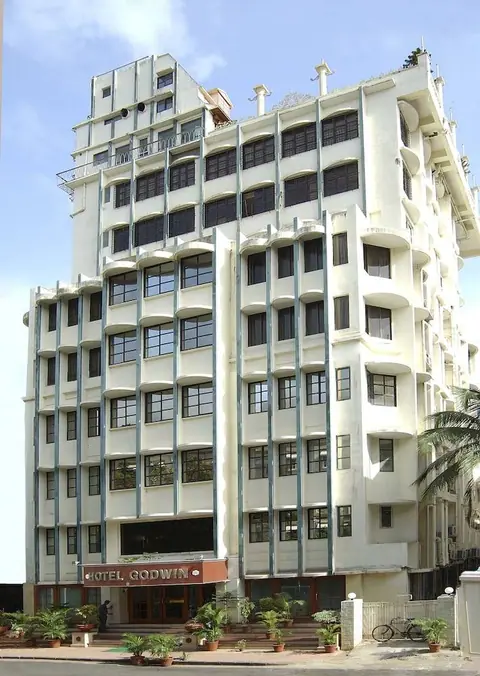
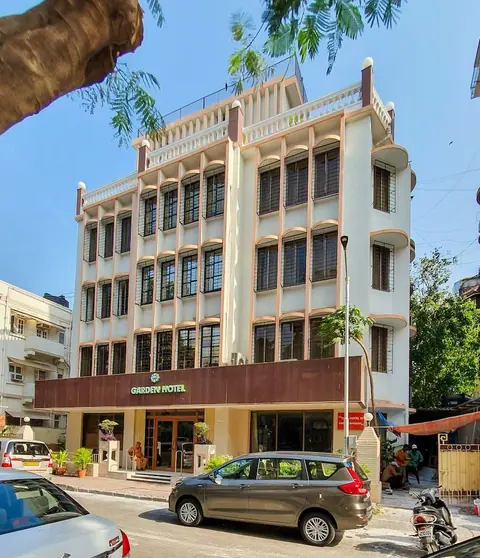
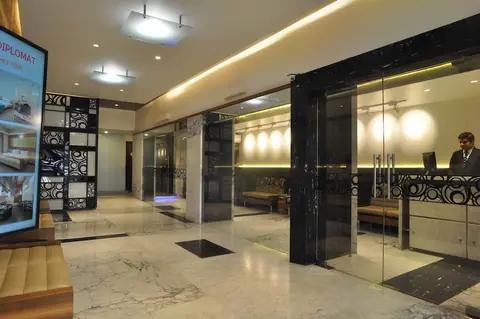
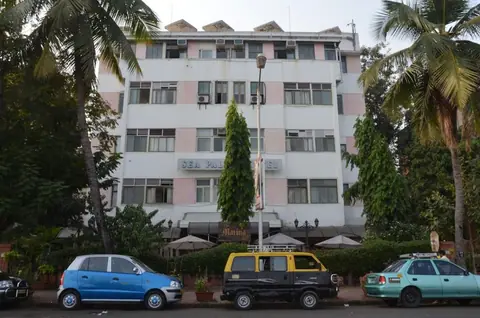
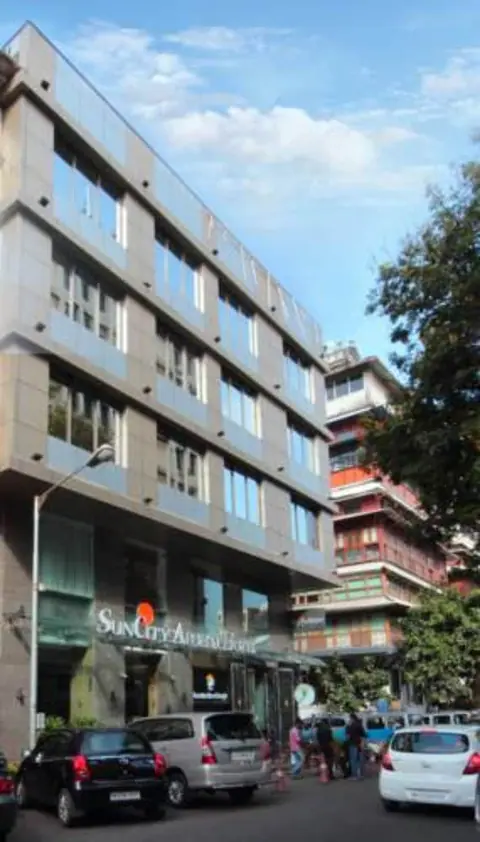
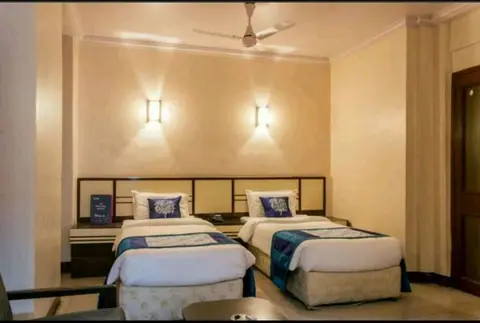
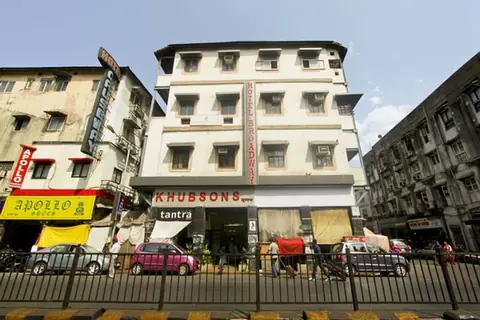
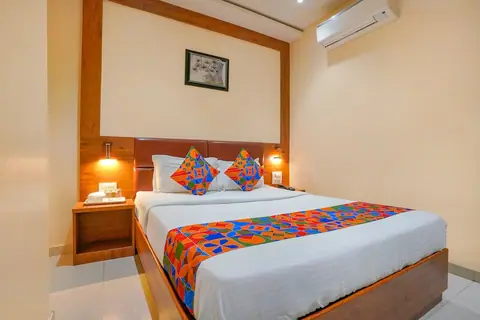
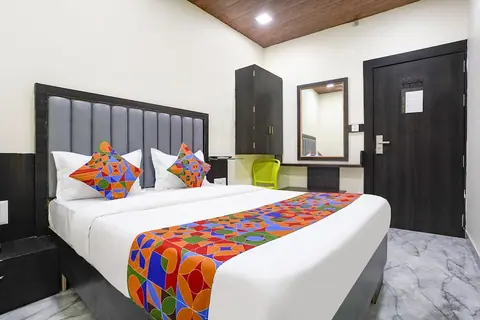
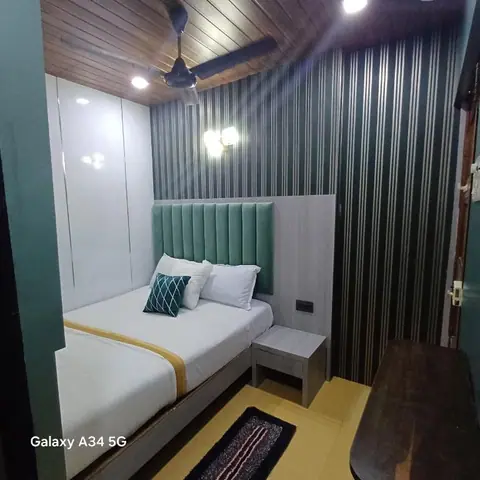
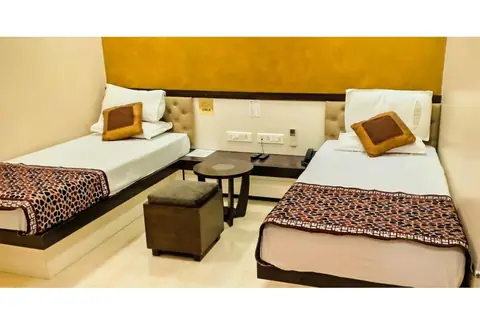
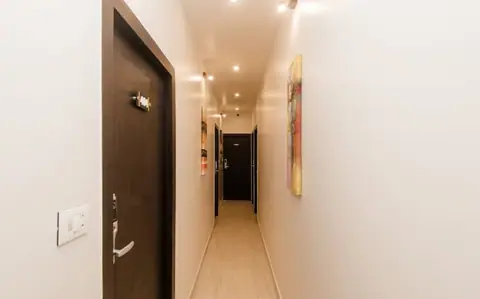
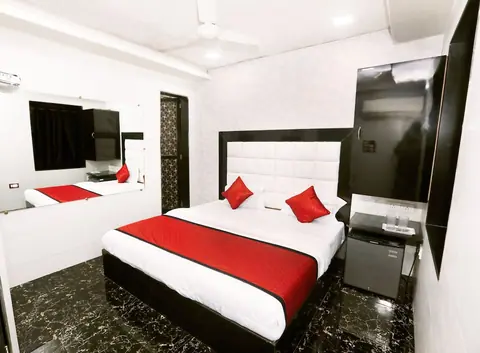
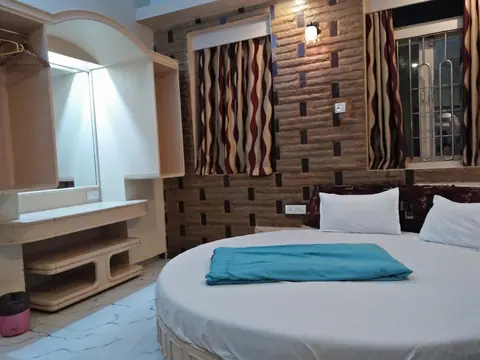
Hotels range from heritage five-stars on the waterfront to simple guesthouses in the back streets off the Causeway. The area is busy but walkable, and Churchgate and CSMT stations are close for trains north. Expect long journeys to the airport, especially at peak hours — leave plenty of time.
Getting around
Black-and-yellow taxis are everywhere in South Mumbai and run on the meter. Autorickshaws are not allowed south of Bandra, so taxis, ride-hailing apps and walking are the way to get about. Kala Ghoda and Fort are a 15–20 minute walk north.
A Slow Walk Through Colaba
Start at the Gateway of India early, before the coaches arrive, and watch the light on the basalt. From Apollo Bunder walk north along the shore, then turn inland into the lanes behind the Causeway, where the buildings are older than they look and the shopfronts change every year. The stretch from the Gateway to Colaba Causeway is short and flat, so a morning covers it comfortably. Carry water, wear shoes that cope with uneven pavements, and keep to the shaded side of the street.
Continue south past the Causeway to the quieter end, where Afghan Church stands in a leafy compound and the streets narrow toward Sassoon Dock. The church, begun in 1847 and consecrated in 1858, remembers soldiers of the First Anglo-Afghan War, and its interior is cool at midday. Beyond it, the Koli fishing quarter works to its own timetable. Visit quietly and ask before photographing boats or people; the lanes here are homes, not exhibits, and residents notice cameras. Weekday mornings are calmer than Sundays.
Rain, Tides and Ferry Days
The south-west monsoon reaches Mumbai around early to mid June and lasts until about late September, though the dates shift each year. In Colaba the season shows itself at the waterfront: spray over the sea wall, grey water, and a Gateway of India that is wet underfoot. Ferries to Elephanta and Mandwa are often suspended in rough weather, so check with the ferry operators on the morning you plan to travel. October stays hot and humid after the rain stops, and the dry, pleasant months run roughly November to February.
At high tide in the monsoon, water can come over the promenade near the Gateway, and the police sometimes close the seaward edge. Follow the barriers rather than the crowd. Elephanta is closed on Mondays, and the caves are a boat ride of about an hour each way, so a visit takes most of a day. Check opening days and sailing times before setting out. If the sea is closed, the museum at Kala Ghoda and the gallery beside it make a good wet-weather substitute.
Editorial review: 16 November 2026 · imptmumbai.in, written with AI assistance (see the editorial policy).