- Where
- Central Mumbai, between Mazagaon and Parel
- Airport
- 13.9 km straight line from the airport
- CSMT
- 4.3 km to the south
- Best season
- November to February
How Byculla took shape
Byculla sits in the middle of the island city, between Mazagaon and Parel, and it grew as the first part of Mumbai to spread beyond the walls of the Fort. Through the nineteenth century it drew Parsi, Jewish and European families, who built synagogues, churches and houses with gardens. Later came the textile mills and the chawls that housed the people who worked in them. That mix of garden, worship and workers' lane still shapes the neighbourhood.
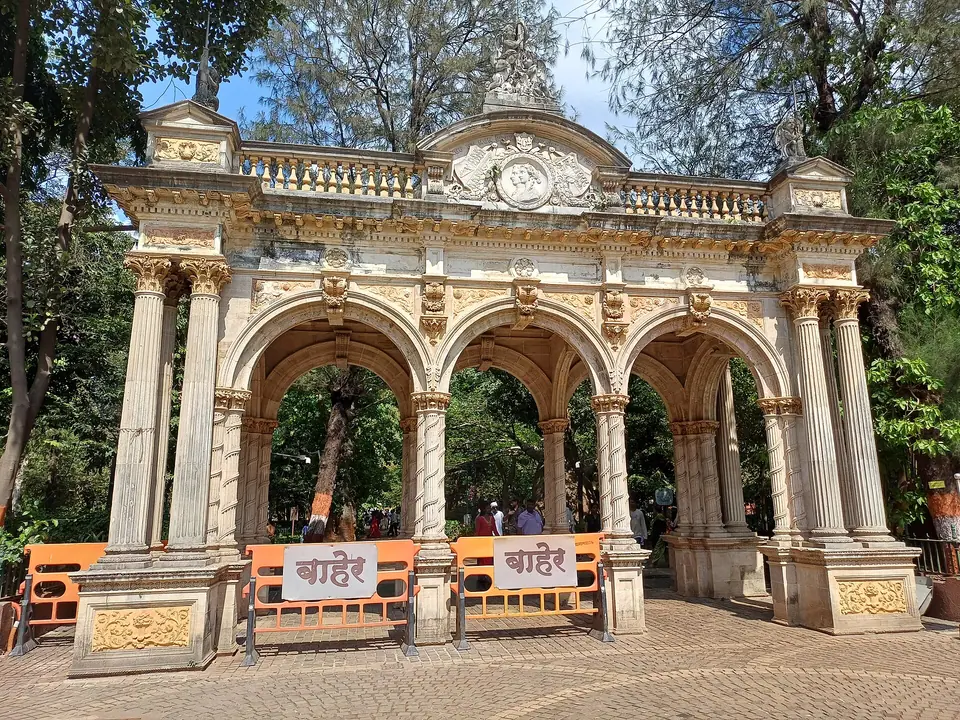
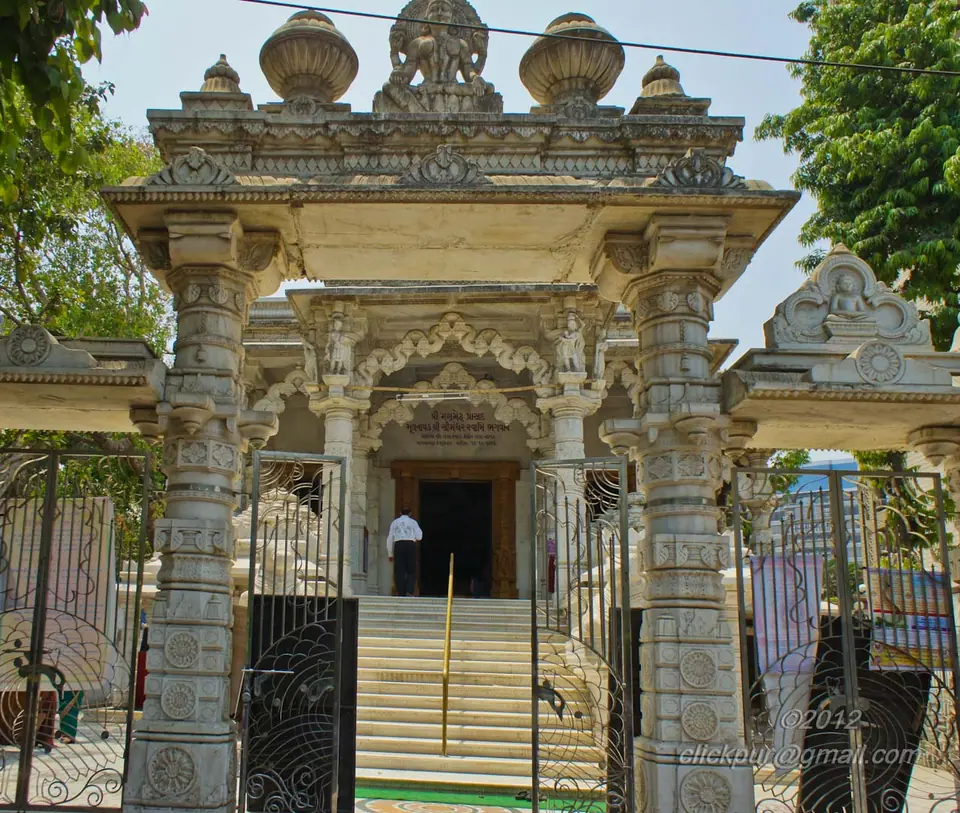
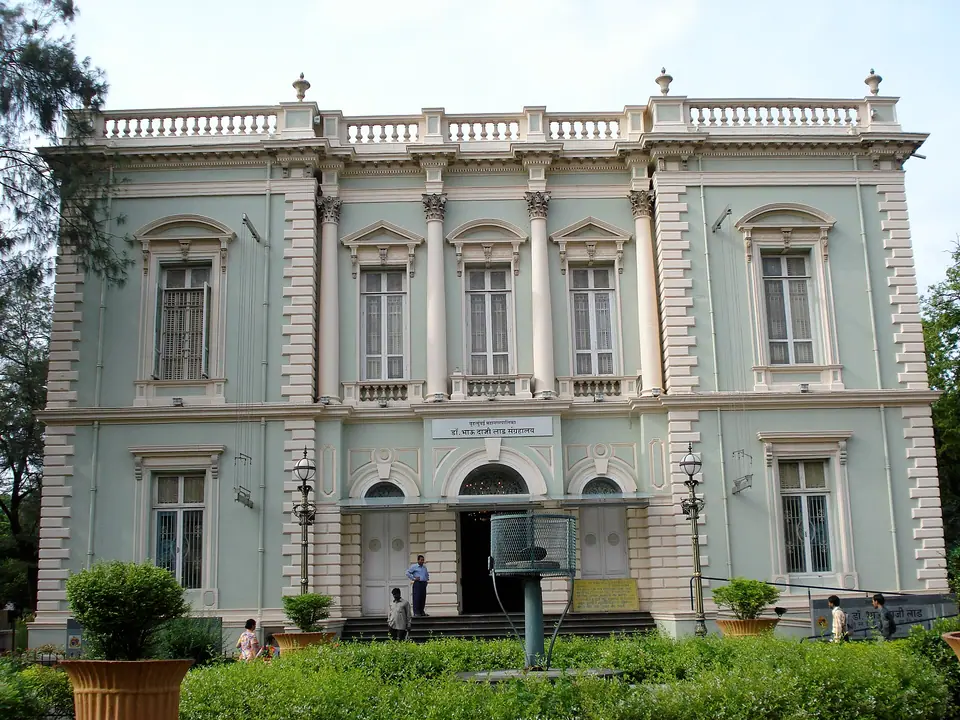
Two landmarks anchor the area. Rani Baug, the Veermata Jijabai Bhosale Udyan, is the city's zoo and botanical garden, a large green ground with old trees and animal enclosures. In its grounds stands the Dr Bhau Daji Lad Museum, founded in 1855 and opened in its present building in 1872, which makes it the city's oldest museum. The Magen David Synagogue, built in 1864, stands nearby, and the mill workers' chawls run north towards the market lanes.
A first walk through Byculla
Begin at Byculla station and cross to Dr Ambedkar Road, following the outer wall of Rani Baug to the museum gate. The museum is small enough to see in an hour, and its models, maps and decorative objects give a useful grounding in the city's history before you look at the streets themselves. From there, walk into the gardens, which are at their best in the cool of the morning.
Leave the gardens by the northern gate and head into the lanes behind the station, where the scale changes quickly: shopfronts, workshops, tenement blocks with balconies and small temples tucked between them. The Magen David Synagogue is worth the short detour. Finish with tea at one of the old cafés near the station, or carry on to the market streets towards Mohammed Ali Road if you still have the energy.
- Dr Bhau Daji Lad Museum, inside Rani Baug, for the city's oldest collection
- The zoo and botanical garden, which reward an early start
- Magen David Synagogue, built in 1864, a short walk from the museum
- The mill workers' chawls and market lanes north of the station
What to see, with children too
Rani Baug is the reason many families come. The botanical garden has labelled trees, shady paths and a water's edge, and the zoo holds the animals that city children grow up visiting. The Dr Bhau Daji Lad Museum next door is a good first museum: its scale models of the city, clay figures and decorative arts are easy to look at closely, and the building itself, with its pillars and high ceilings, holds a child's attention.
Beyond the gardens, the neighbourhood rewards slow walking: the synagogue, the older churches, the market streets and the chawls where mill workers lived. With children, add the Nehru Science Centre in Worli, about 2 km away, which has hands-on exhibits and an outdoor science park; the planetarium is in Worli too. Opening days vary, so check before you set out, and keep a morning free rather than squeezing Byculla into a lunch break.
- Rani Baug for the zoo, the botanical garden and space to run
- The Dr Bhau Daji Lad Museum for city models and decorative arts
- The Nehru Science Centre in Worli, about 2 km away, for hands-on exhibits
- Khotachiwadi in Girgaon, about 3 km away, for lanes of old wooden houses
Eating in Byculla
Byculla eats like a working neighbourhood rather than a restaurant district, which is part of its appeal. Old cafés serve chai, bun maska and brun pav through the day, and bakeries sell bread and snacks to take away. Maharashtrian counters do misal pav, kanda poha and thalipeeth; street stalls turn out vada pav, bhel puri, sev puri and ragda pattice. Vegetarian food is easy to find and usually the safer bet at a busy stall.
For a fuller meal, the lanes towards Mohammed Ali Road bring Mughlai and Bohri cooking, and Ramzan nights there are a season of their own. Parsi dishes such as dhansak, akuri and patra ni machhi appear on café menus, and East Indian kitchens in the older Catholic pockets cook fugias and sorpotel. Order cutting chai at least once, and finish with kulfi or falooda. Look for places where the queue is local and the tables turn over quickly.
Getting there and around
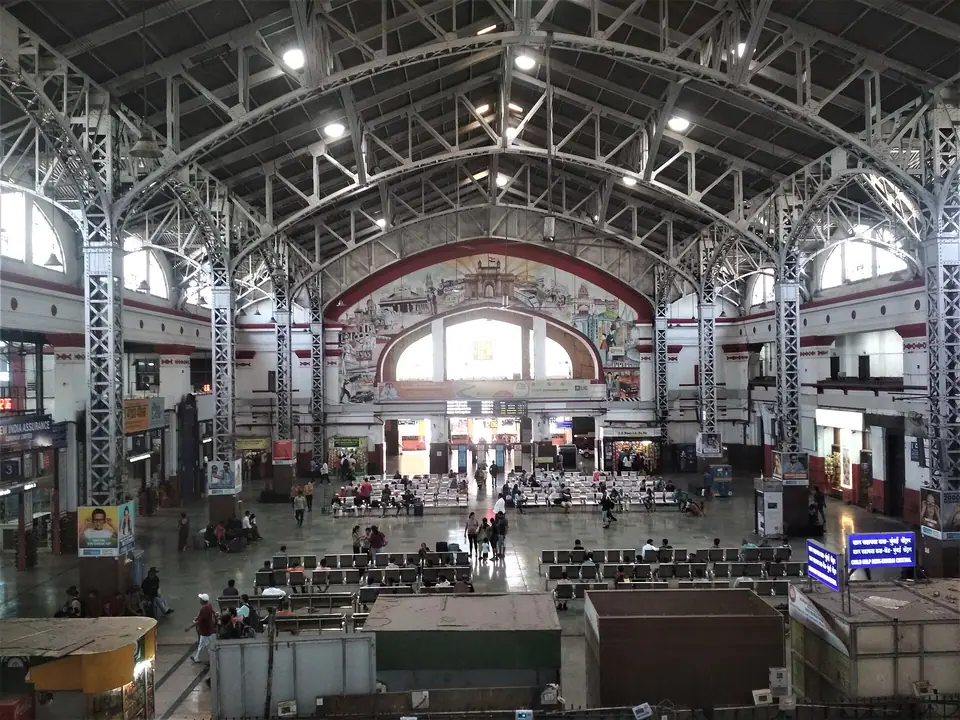
Byculla station sits on the Central line, 4.3 km from CSMT, with fast and slow trains stopping through the day. From Chhatrapati Shivaji Maharaj International Airport the straight-line distance is about 13.9 km; a taxi or app cab is the simplest way, and the ride takes much longer at peak hours. Navi Mumbai International Airport, about 25 km away, is adding routes, so check which airport your flight uses.
Within the neighbourhood, walking is the best way to move between the museum, the gardens, the synagogue and the market lanes. Autorickshaws do not run in the island city, so short hops mean a black-and-yellow taxi or an app cab; both are easy to find near the station. Buses and the suburban line cover longer trips. New metro lines keep opening, so check the current network before relying on a particular route.
Practical tips and where to stay
Opening days and hours at the museum and the zoo change through the year, so check before you go, and note that some city sights close on Mondays. The dry months from November to February are the most comfortable for walking; March to May is hot and humid, and monsoon rain from about June can flood low-lying roads and slow the trains. UPI payments are everywhere, but a little cash helps at small stalls.
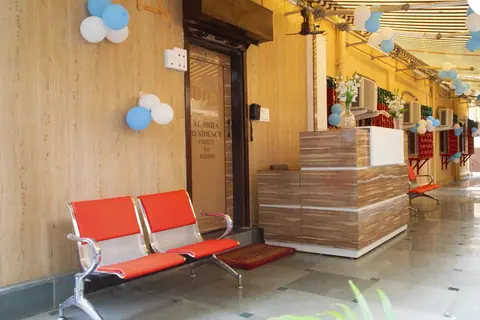
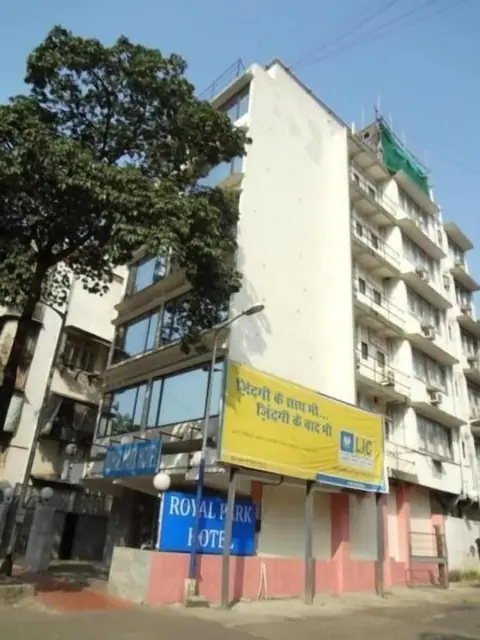
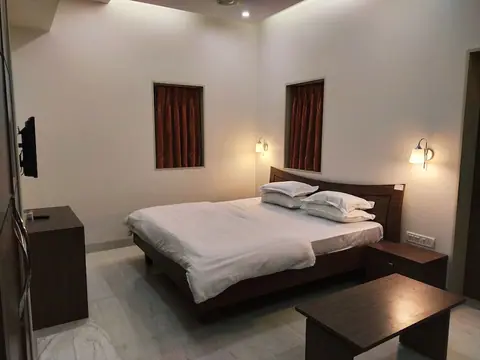
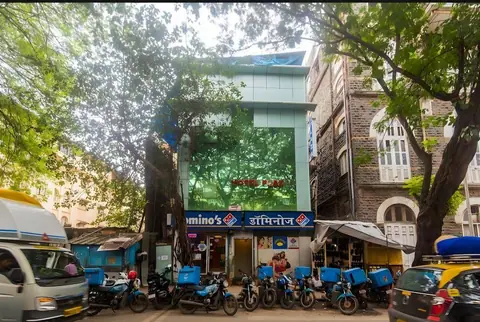
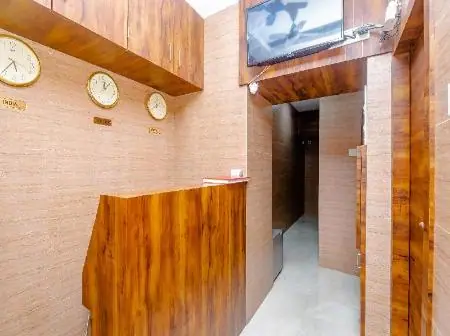
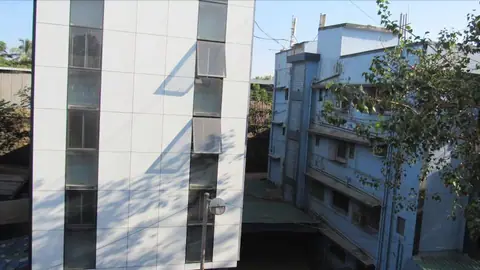
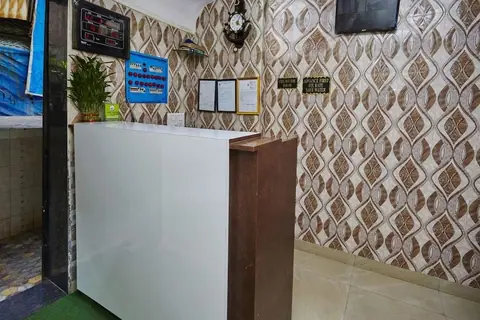
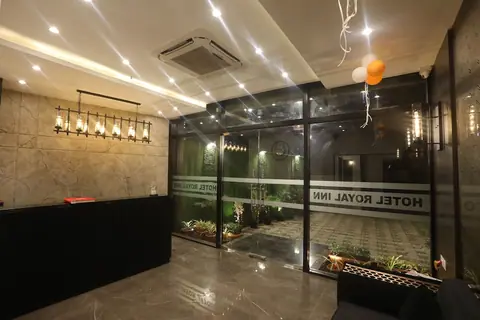
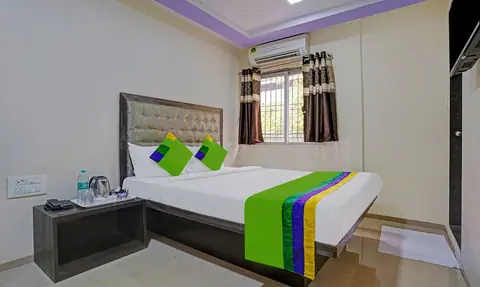
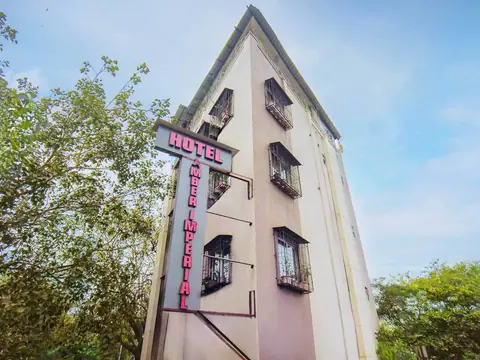
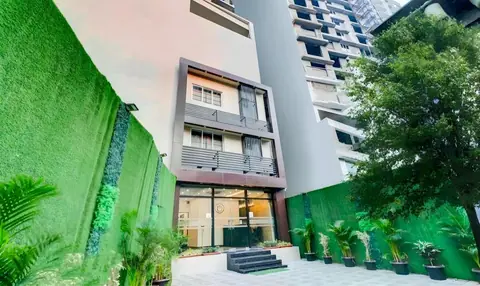
Stays here are mostly small hotels and guest houses, with a few heritage buildings converted into rooms, so the choice is less about facilities and more about position. Weigh the streets near Byculla station, which suit early trains and easy cabs, against the quieter lanes towards Rani Baug. Ask about the walk to the station, whether breakfast is served, and whether the room faces the road.
Editorial review: 16 November 2026 · imptmumbai.in, written with AI assistance (see the editorial policy).