- Area
- South Mumbai, Fort and Kalbadevi
- Airport
- BOM 17.6 km, NMI 25.5 km
- Railway station
- CSMT, a short walk away
- Best months
- November to February
A terminus, a port, a bazaar
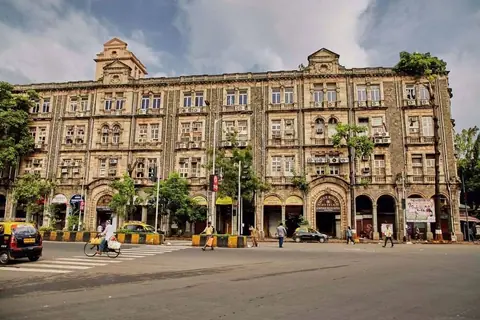
Chhatrapati Shivaji Maharaj Terminus is the anchor of this quarter. F. W. Stevens designed the building, which was constructed between 1878 and 1888, and UNESCO listed it as a World Heritage Site in 2004. Its stone towers, carved animals and long platforms sit at the northern end of the old Fort district. Step out of the main gate and the street turns to wholesale trade at once: cutlery, paper, spices, hardware, hosiery and toys spilling out of the lanes towards Crawford Market.
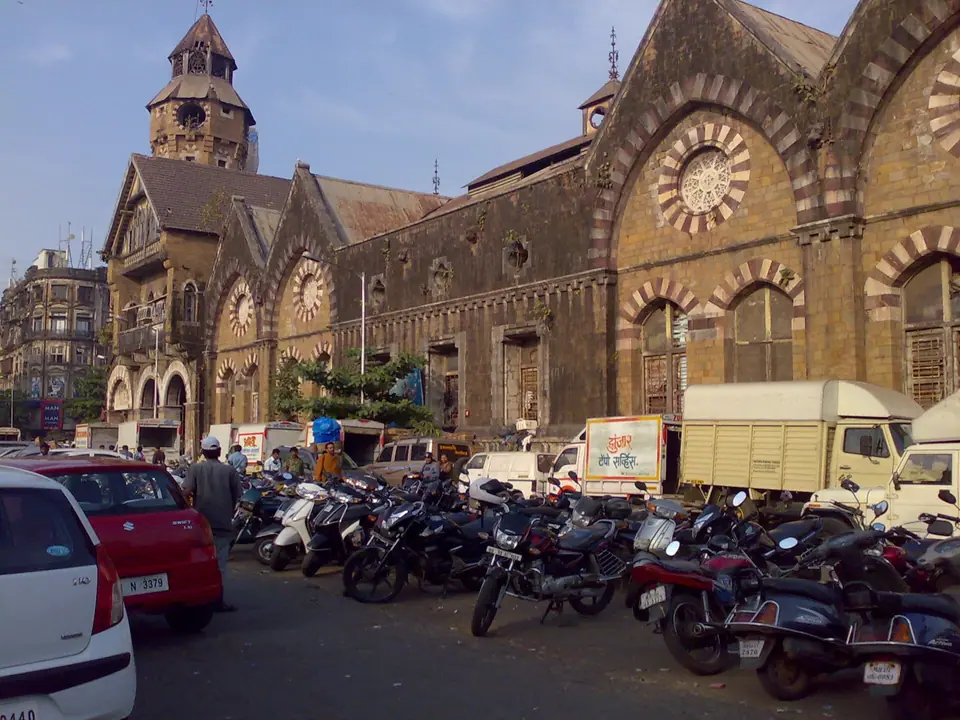
Crawford Market, formally the Mahatma Jyotiba Phule Mandai, was completed in 1869 and carries bas-reliefs by John Lockwood Kipling. Around it run the lanes of Kalbadevi, where wholesale traders have worked for generations and where the goddess Mumba Devi, from whom the city takes its name, has a temple 0.8 km away. This is a working quarter rather than a museum piece: porters, handcarts, delivery vans and shoppers share narrow roads, and the loudest hours are mid-morning and late afternoon.
A first walk through the bazaars
Begin at the main gate of the terminus and look up before walking anywhere; the building is best in morning light. Then head north into the wholesale lanes towards Crawford Market. The route is short and the interest is in the street itself: doorways stacked with paper, hosiery, cutlery and toys, handcarts turning in tight spaces, tea stalls on the corner. Keep left, watch for reversing vans, and stop whenever a shopfront shows you a workshop.
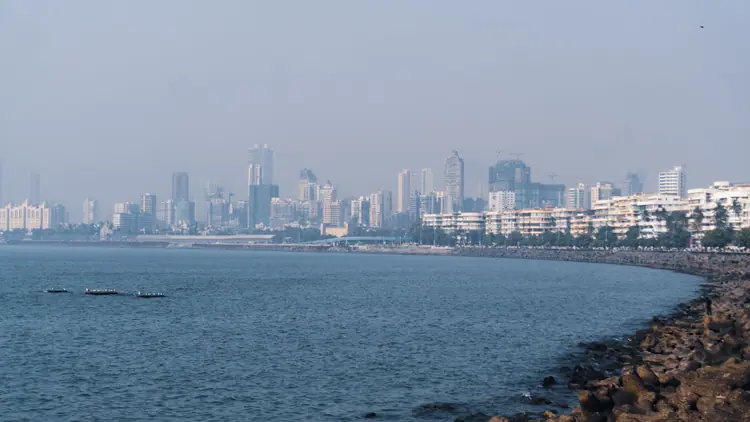
At Crawford Market, walk the length of the hall for fruit, vegetables and provisions, then step into the lanes behind it for spices, dry fruit, nuts and party goods. Continue to Mumba Devi Temple, 0.8 km from the terminus, and through Kalbadevi's cloth and jewellery streets. End at Flora Fountain and Hutatma Chowk, 1.3 km away, or walk on to Marine Drive, 1.1 km away, for the sea breeze.
- Start at the terminus main gate and walk its full frontage before crossing the road.
- Turn into the wholesale lanes towards Crawford Market and follow the handcarts.
- Walk the length of the market hall, then the spice and dry-fruit lanes behind it.
- Continue to Mumba Devi Temple and through the cloth and jewellery streets of Kalbadevi.
- End at Flora Fountain or Marine Drive, both within about 1.5 km.
What to see and do, with children
The quarter's sights are close together and mostly outdoors. The terminus, listed by UNESCO in 2004, and Crawford Market, completed in 1869, are the two anchors. Within about 1.5 km you can reach the Asiatic Society Town Hall, completed in 1833, Flora Fountain and Hutatma Chowk, erected in 1864, the Rajabai Clock Tower of 1878, and the sea at Marine Drive. Mumba Devi Temple, the shrine that gave the city its name, is 0.8 km from the terminus.
With children, slow the pace. The carved animals on the terminus, the stone fountain inside the market hall, the towers of coloured powder and dry fruit, and the handcarts in the lanes hold attention better than any commentary. Plan a snack stop and a sit-down in the shade every hour or so. Hold hands in the wholesale lanes, where vans reverse without much warning, and finish at Marine Drive, where there is room to run.
- The carved animals and gargoyles on the terminus, best seen from across the road.
- The stone fountain inside the Crawford Market hall, a good meeting point.
- The bells and queues at Mumba Devi Temple, 0.8 km from the station.
- The sea wall at Marine Drive, 1.1 km away, for a run-around at the end.
Where and what to eat
Street food is the quickest introduction. Look for vada pav, kanda poha, misal pav, bhel puri, sev puri, ragda pattice, dabeli, pav bhaji, Bombay sandwiches, kulfi and falooda, sold from small counters and carts through the working day. Eat where the queue is local and the turnover fast. Carry water, and treat the first meal as a tasting rather than a full lunch, because the portions are generous and the chilli is real.
For a sit-down meal, the old cafés of the Fort district serve chai, bun maska and brun pav in high-ceilinged rooms that have changed little. Vegetarian thali places and Maharashtrian kitchens nearby serve puran poli, thalipeeth, sabudana khichdi and kokum sol kadhi. Parsi dishes such as dhansak, akuri and berry pulao appear on some menus. A short walk away, Mohammed Ali Road is at its liveliest during Ramzan, when the food stalls run late.
Getting there and around
Chhatrapati Shivaji Maharaj International Airport lies about 17.6 km away in a straight line, with Terminal 1 on the Santacruz side and Terminal 2 at Sahar. Navi Mumbai International Airport, about 25.5 km across the harbour, opened in 2025 and is adding routes, so check which airport your flight uses. The metro reaches this part of the city, and the suburban railway runs to CSMT on the Central line and to Churchgate on the Western line; check the current network and station entrances before setting out.
Once here, walk. The lanes are short, the sights cluster within about 1.5 km, and a taxi spends more time in jams than it saves. Autorickshaws do not operate in the island city south of Bandra and Sion, so black-and-yellow taxis and app cabs fill the gap; check the meter or the app fare before setting off. The station forecourt is chaotic at peak hours, and footpaths are uneven, so allow more time than the map suggests.
Practical tips and where to stay
Come early. The market is at its best before the heat builds, and the light on the terminus is good in the first hours. March to May is hot and humid, and the monsoon, roughly June to September, floods low-lying roads and slows the trains; check the forecast before you go. Dress for a working quarter: shoulders and knees covered for the temple, shoes off at the door, and a cloth bag for anything you buy.
A few habits help. Ask before photographing people or stalls, since some traders prefer not to be pictured. Most shops keep one weekly closing day and the market follows its own calendar, so check before you go. Temple hours move with rituals and festivals, and mornings and evenings are busiest. Keep valuables close in crowds, carry water, and clean your hands before eating from a cart.
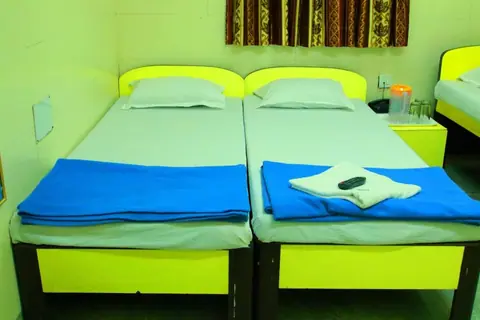
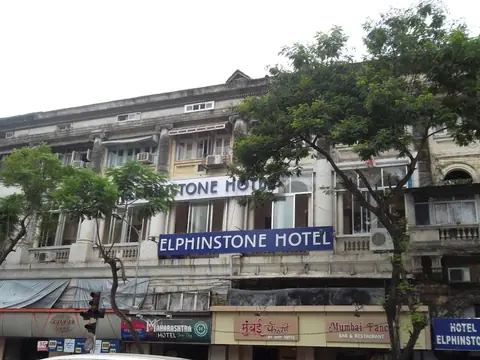
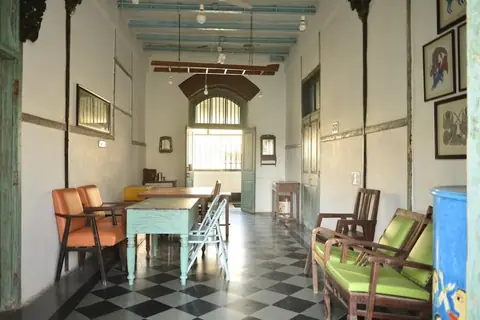
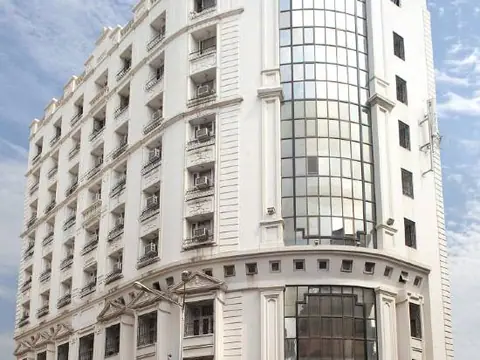
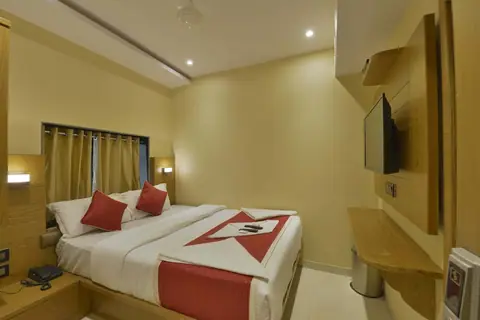
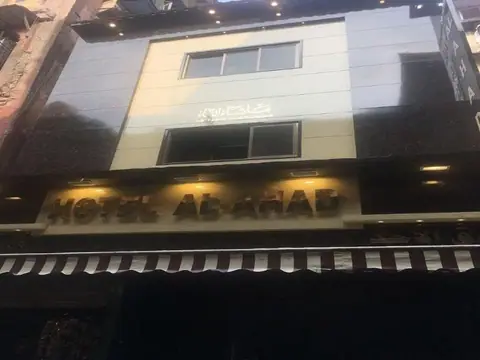
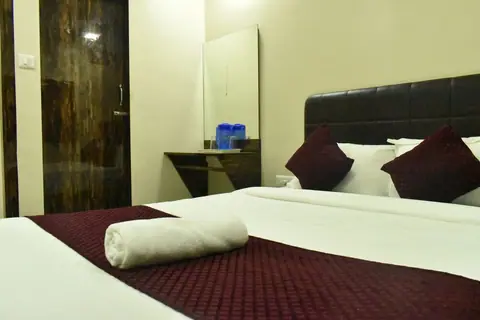
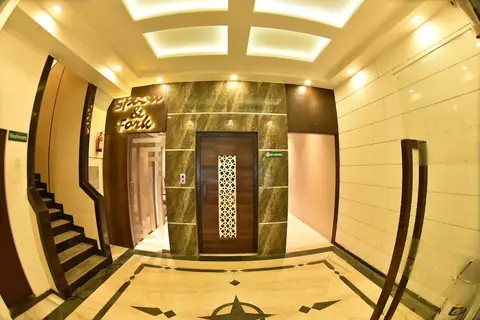
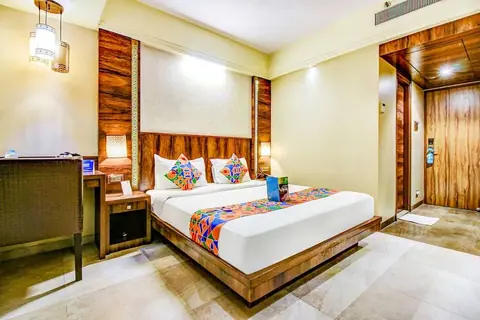
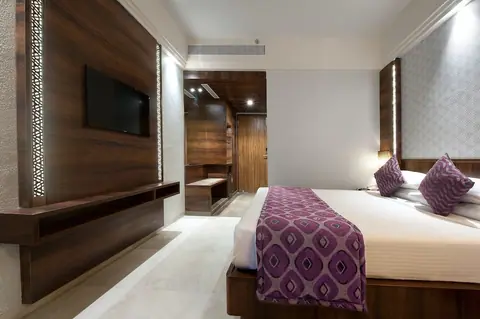
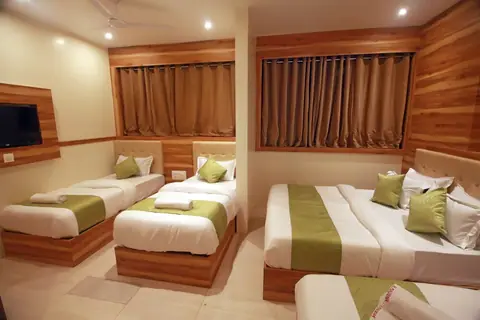
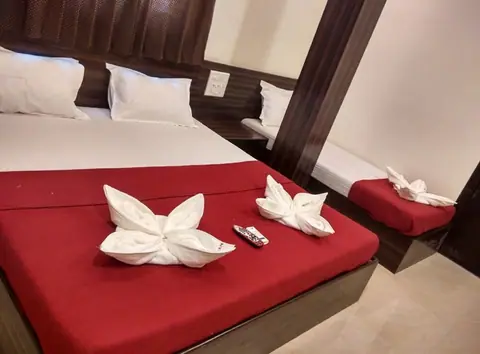
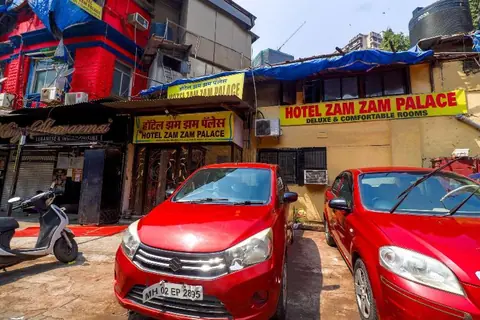
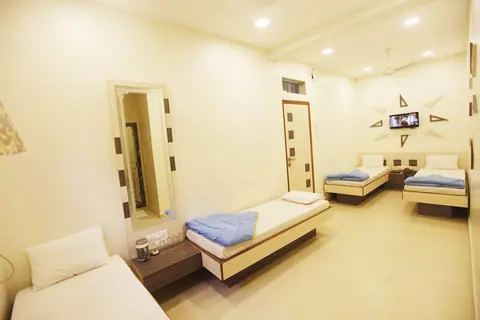
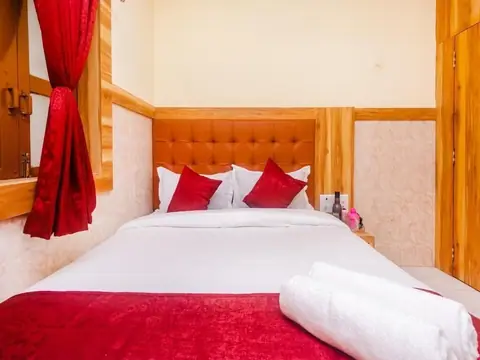
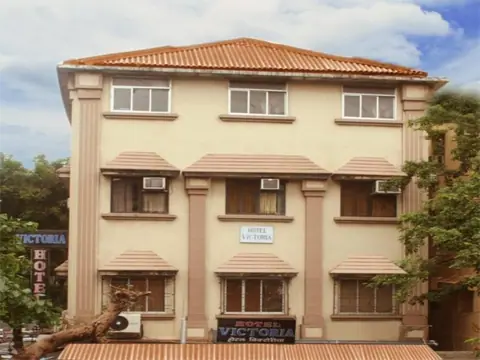
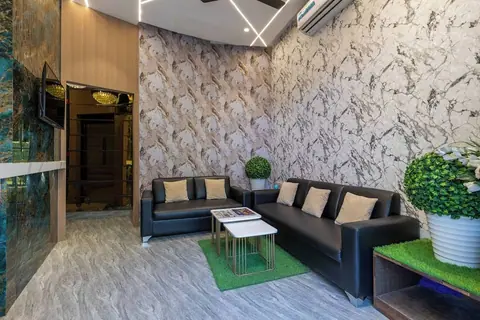
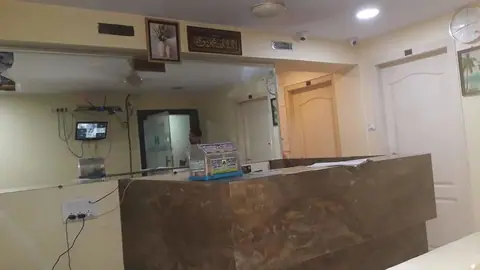
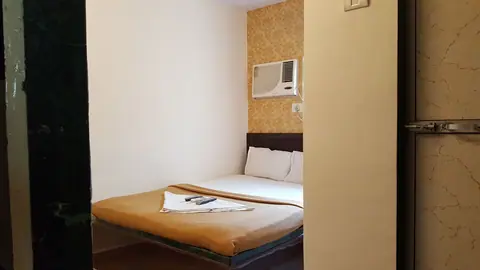
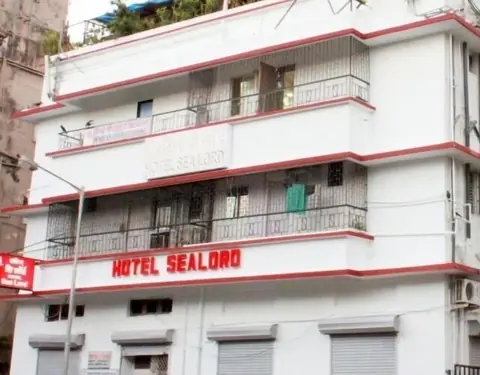
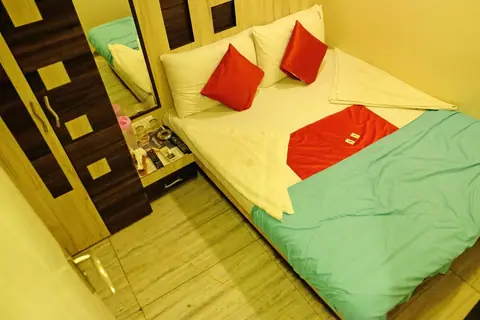
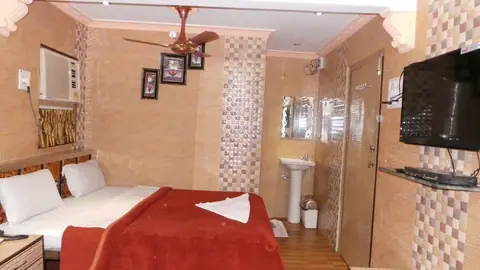
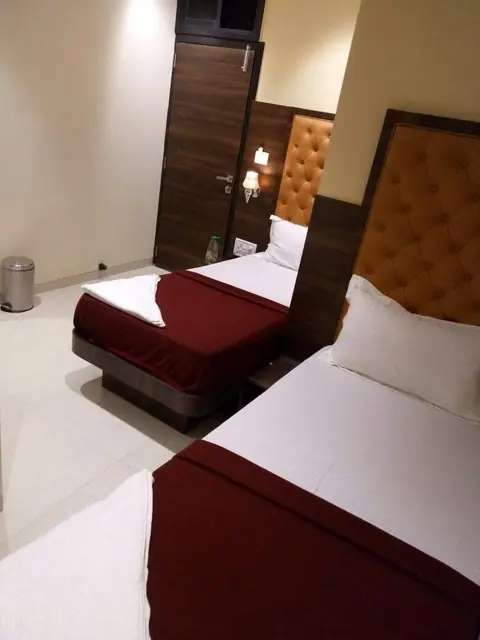
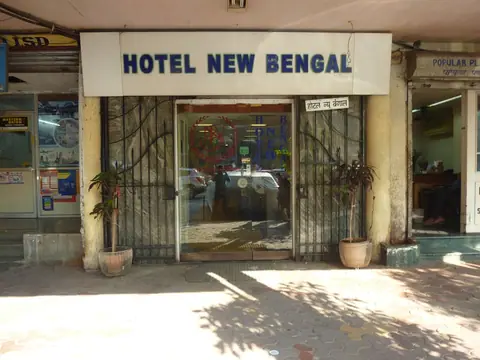
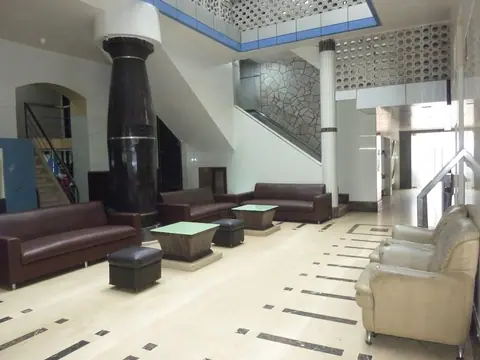
For a stay, the choice is between the Fort side and the bazaar side. The Fort, towards Flora Fountain and Kala Ghoda, is quieter after dark and close to the heritage sights, with Marine Drive a short walk away. The bazaar side is louder, with early deliveries and more street life at night. If you plan early trains or a ferry to Elephanta, proximity to CSMT matters more than a quiet lane. Ask about windows, hot water and air conditioning, and check recent reviews before booking.
Editorial review: 16 November 2026 · imptmumbai.in, written with AI assistance (see the editorial policy).