- Location
- Eastern suburbs of Mumbai
- Airport
- 4.8 km from BOM
- Rail
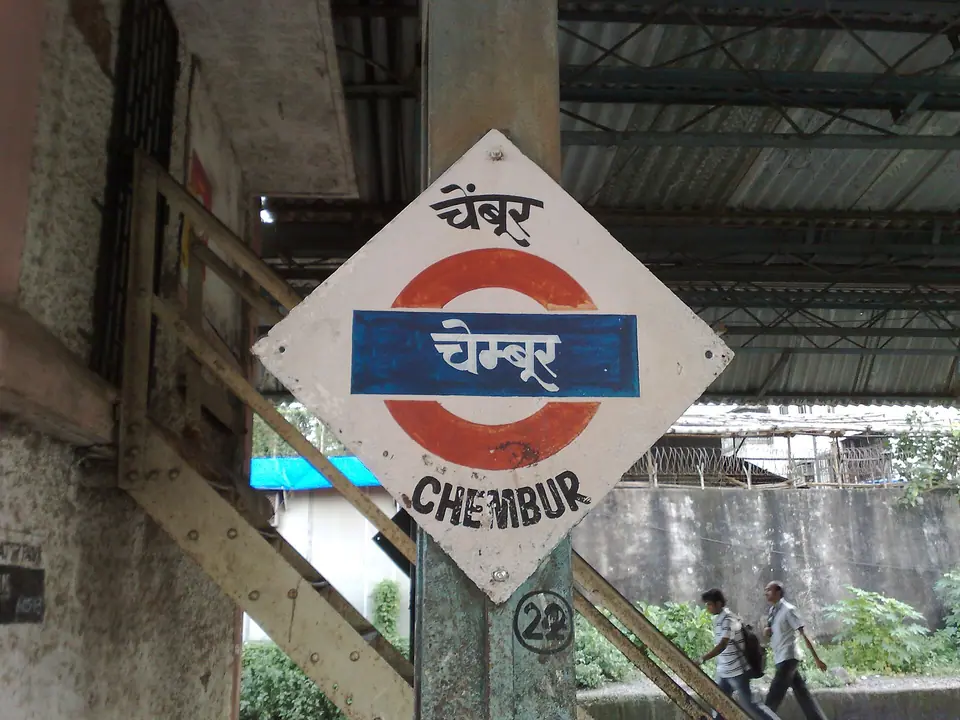
- Harbour line station
- Food tradition
- Sindhi and Punjabi
An old eastern suburb
Chembur sits east of the harbour, away from the sea face and the crowds of the island city. Its streets are wider, its buildings lower and its trees older and taller. Many families have lived in the same lanes for two or three generations. The mood is domestic rather than monumental: schools, gardens, clinics, temples, a railway station and long shopping streets where most of the business is everyday provisioning rather than tourism.
For most of its history Chembur was a village on the eastern side of the harbour, reached by road from Sion. The twentieth century brought the railway, planned housing colonies and industry towards Trombay, and the suburb filled in around them. After Partition in 1947 Sindhi families settled here in numbers, and Punjabi households followed. That mix still shapes the kitchens, the shop signs and the festival calendar.
A first walk through Chembur
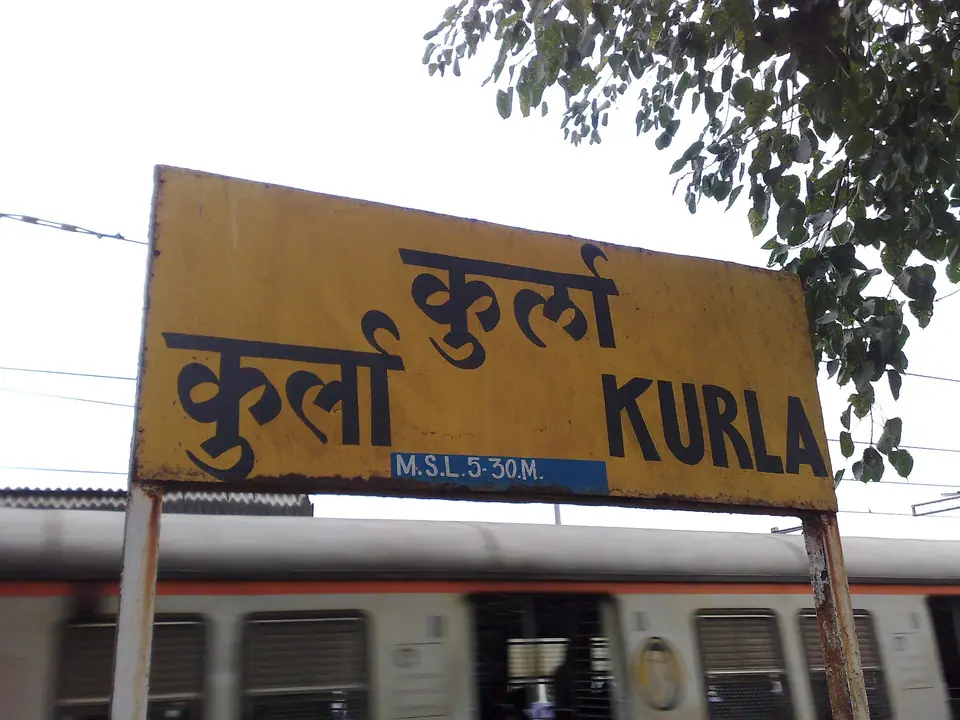
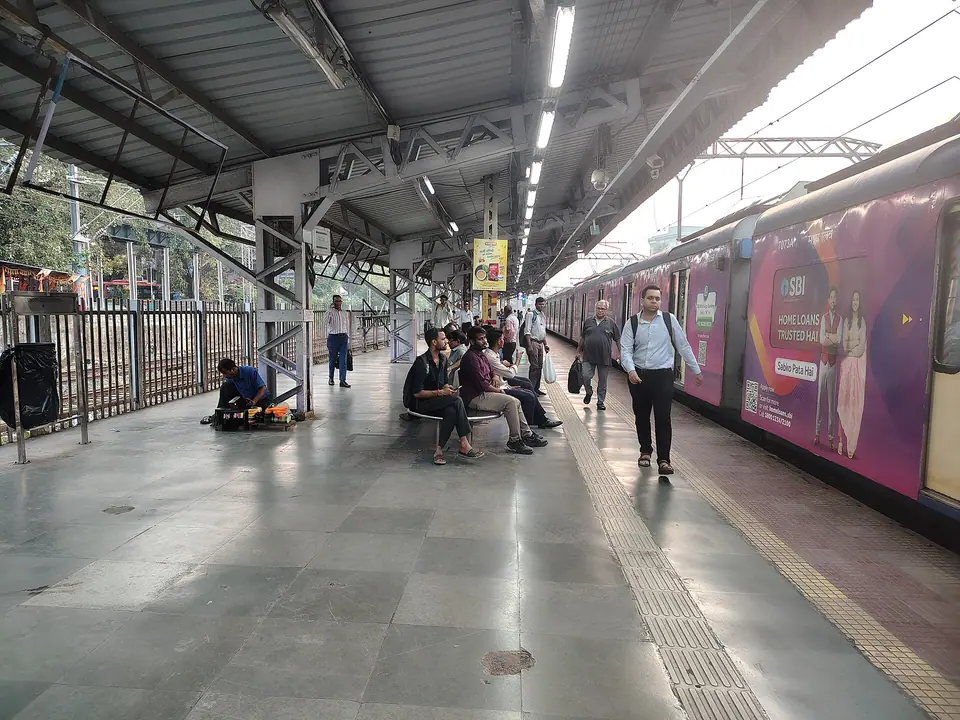
Begin at the railway station, where the foot overbridge shows you the shape of the place: low roofs, water tanks, a line of trees along the road. Walk away from the station into the shopping streets behind it. This is the best hour for the market, with vegetable carts, flower sellers, stalls frying breakfast snacks and a queue at every tea stall. Shop signs mix Devanagari, Gurmukhi, Gujarati and English.
Turn off the main road into the residential lanes, where the suburb shows its older self: buildings of three or four storeys, balconies full of washing, compound walls, a small shrine at the corner of a lane, and trees meeting overhead. Walk slowly and keep your voice low, because these are people's homes, not exhibits. A loop of an hour or so brings you back to the station and a late breakfast.
What to see and do, with children
Chembur is not a sightseeing suburb, and that is the point. Its pleasures are a garden bench, a busy market and a long breakfast. Public gardens give children room to run and adults shade to sit in, and most are busiest early in the morning and again after school. The market streets reward a slow walk, particularly for anyone interested in food. Places of worship welcome visitors who dress modestly, cover their heads where required and remove their shoes.
With children, plan a short day: a garden in the morning, a snack, then a train ride. The Harbour line links Chembur with the island city, so the Gateway of India at Apollo Bunder, 17 km away, the museums at Kala Ghoda and the ferry to Elephanta make a straightforward outing. Bandra, 6.3 km away, has Bandra Fort above the sea and the basilica on the hill. Keep the middle of the day slow and shaded.
- Walk the market streets early, when the vegetable carts are still being set out and the snack stalls are frying.
- Sit in a public garden; most have shaded benches, paths and room for children to run.
- Visit a gurudwara at langar time; cover your head, remove your shoes and eat what is served.
- Ride the Harbour line to the island city for the Gateway of India, the Kala Ghoda museums and the Elephanta ferry.
Sindhi and Punjabi tables
The suburb's best-known cooking is Sindhi. A breakfast of dal pakwan, split peas with crisp fried bread, is the classic start, while koki, a thick wheat flatbread with onion and coriander, and lolo, a sweet one, appear at tea time. At lunch, sai bhaji with bhuga chawal, spinach and dal with browned rice, is the dish to look for, and bhugal teevan, a slow-cooked mutton curry, anchors a family meal. Expect several small dishes rather than one large plate.
Punjabi kitchens run alongside, with tandoor breads, chole, parathas, lassi and a generous plate of pickles. Street food covers chaat, pav bhaji, kulfi and falooda, and Maharashtrian staples such as misal pav and kanda poha are easy to find near the station. Most places are small, family-run and informal, with a few tables and a short menu. Vegetarians eat very well here, and the sweet shops sell nut sweets and Sindhi sweets by weight.
- Dal pakwan: split peas and crisp fried bread, eaten at breakfast.
- Sai bhaji with bhuga chawal: spinach and dal with browned rice.
- Bhugal teevan: a slow-cooked mutton curry for a family lunch.
- Koki and lolo: thick Sindhi flatbreads, one savoury and one sweet.
- Tandoor breads, chole and a glass of lassi in the Punjabi lanes.
Getting there and around
Chhatrapati Shivaji Maharaj International Airport is 4.8 km away in a straight line, and Navi Mumbai International Airport is 19.4 km across the harbour. Road routes to either cross busy junctions and take far longer than the distance suggests. Allow generous time for the transfer, especially in the morning and evening peaks. Confirm which airport your flight uses before arranging the journey, and check the route with your stay.
Chembur has a station on the Harbour line, with trains to Chhatrapati Shivaji Maharaj Terminus, 15.2 km away, and towards Navi Mumbai and Panvel. Timetables change, so check before you travel. This is autorickshaw country: autos are common in the suburbs, along with public buses and app cabs, while metered taxis are fewer than in the island city. The Eastern Express Highway and the Santacruz-Chembur Link Road carry most of the traffic.
Where to stay and practical tips
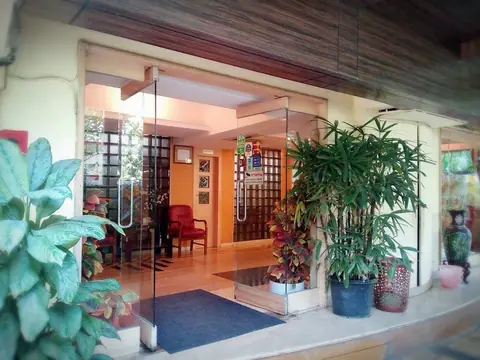
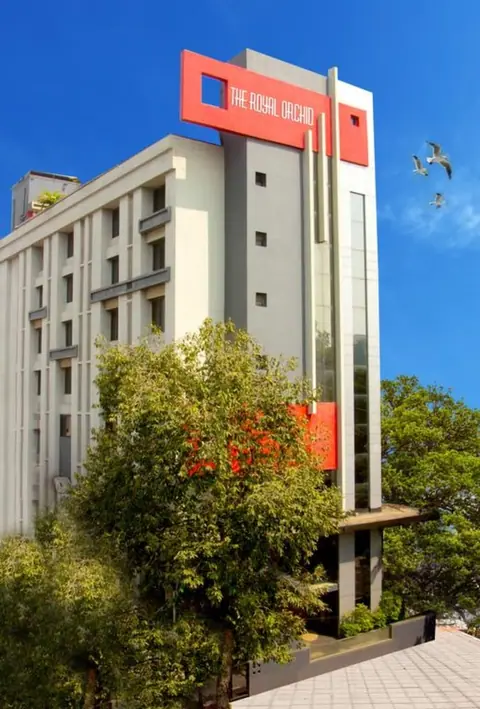
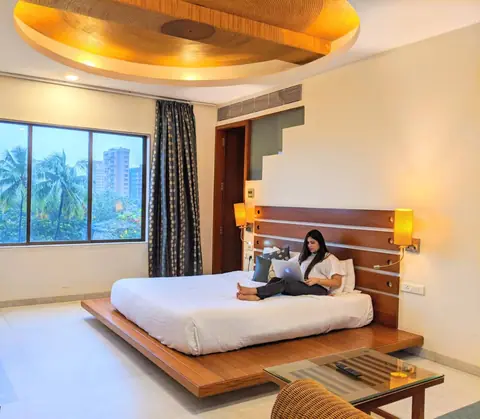
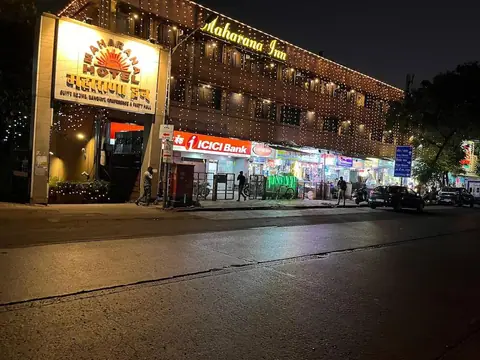
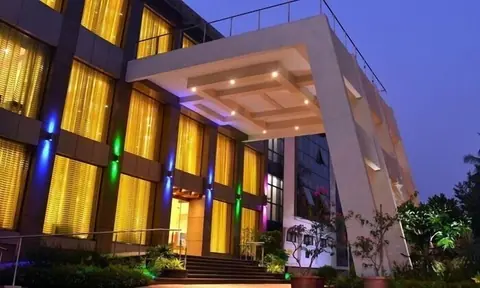
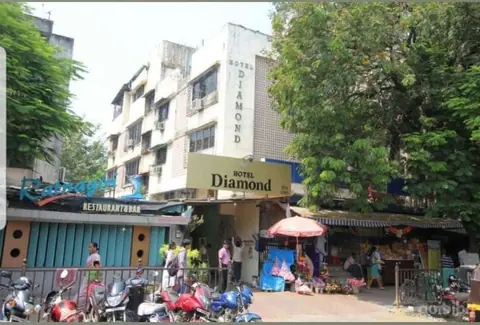
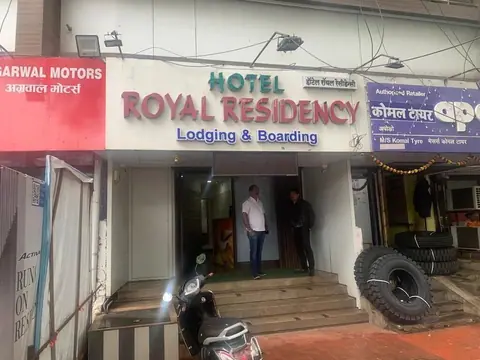
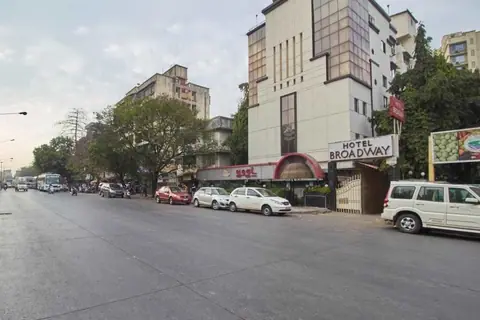
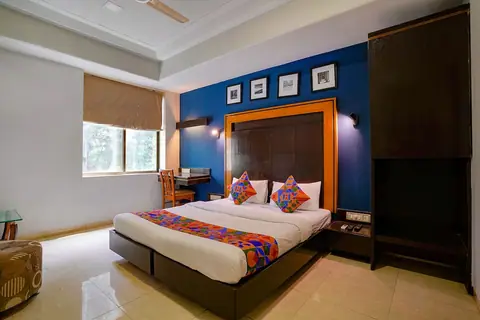
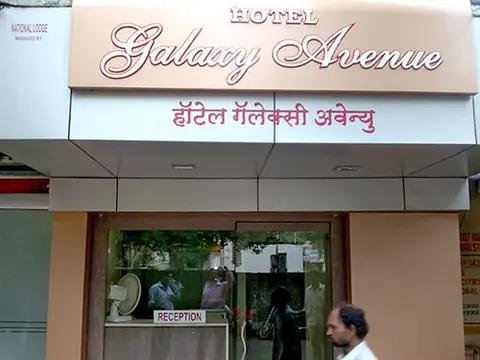
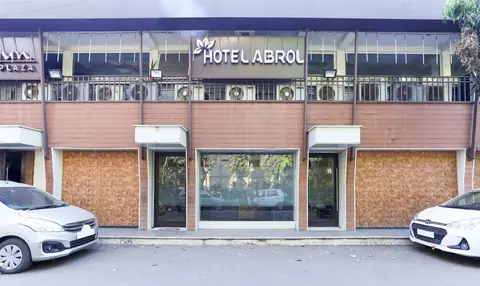
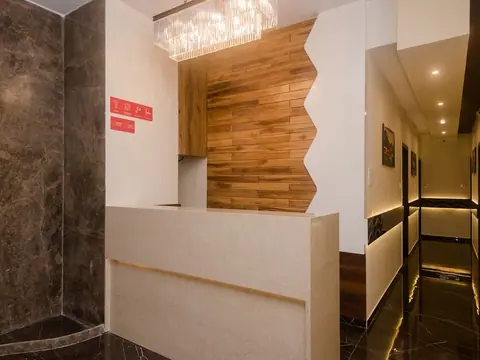
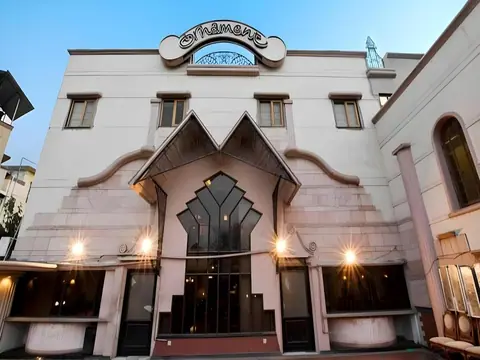
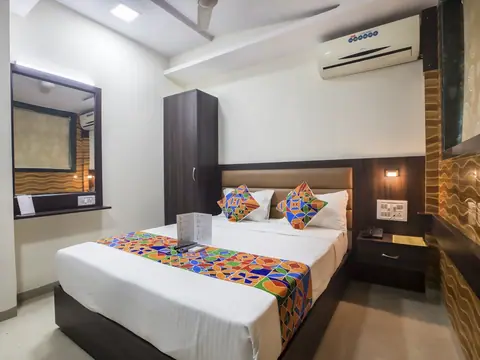
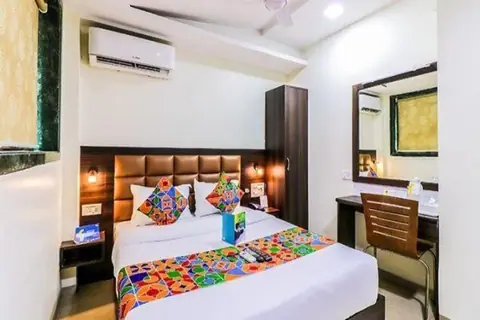
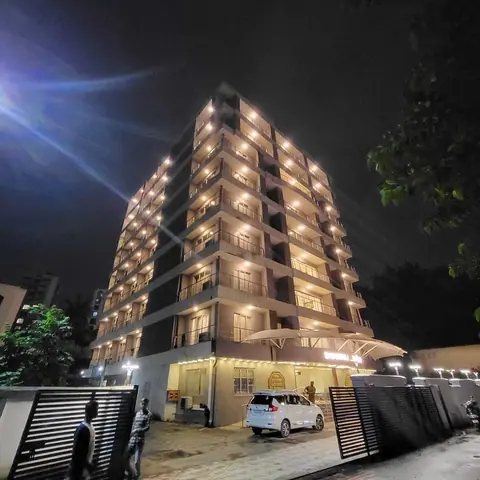
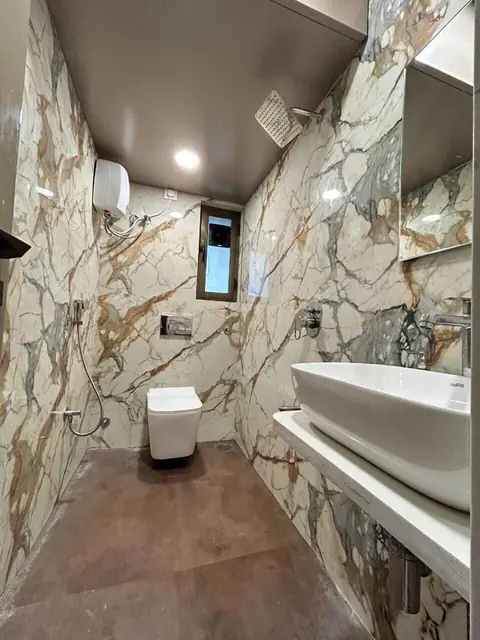
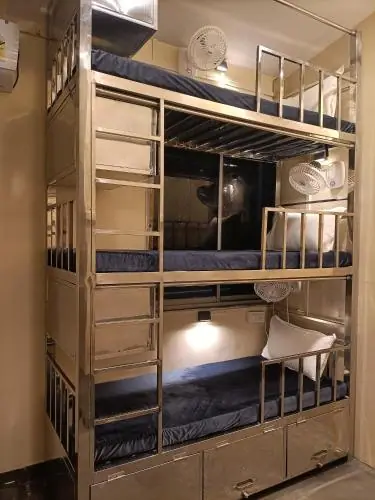
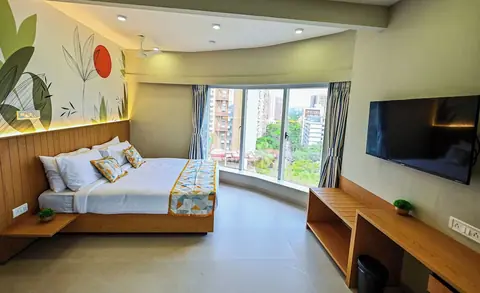
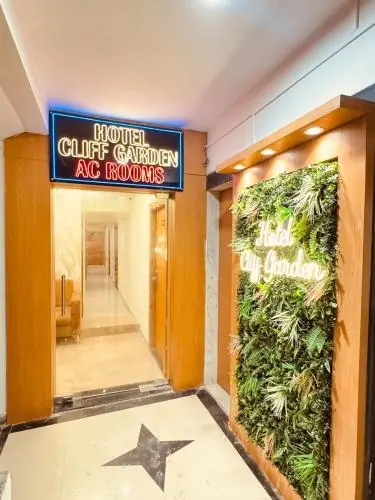
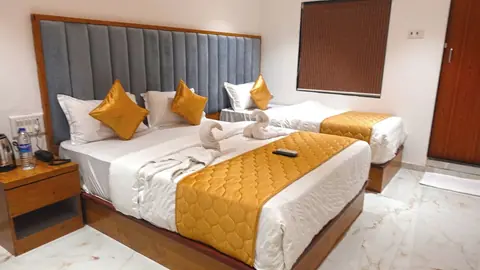
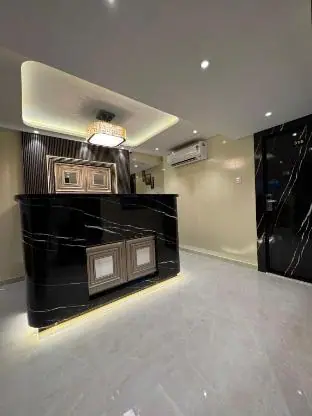
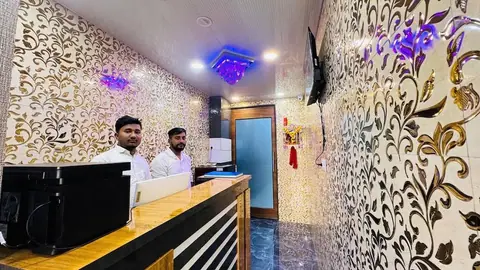
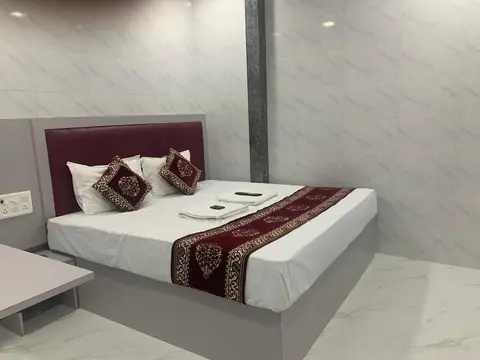
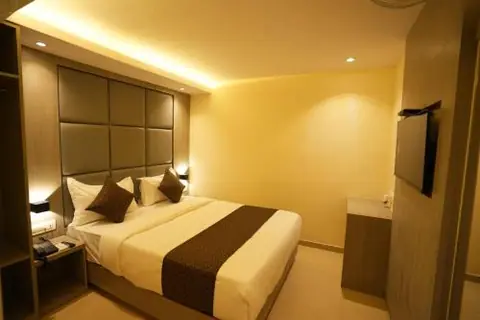
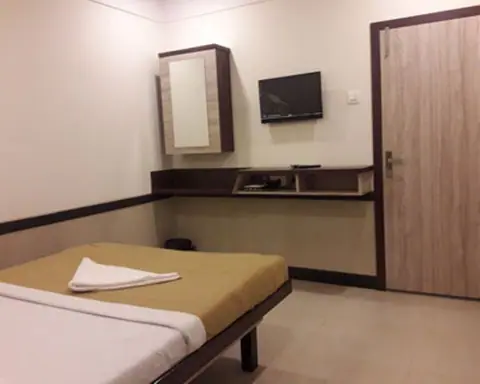
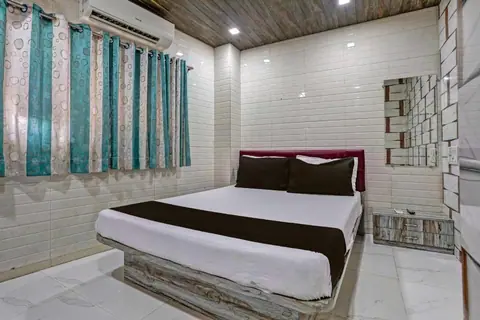
Stays in Chembur are mostly small hotels, guesthouses and serviced apartments rather than large city hotels. Choose by what your days look like: a room near the Harbour line station suits anyone crossing the city by train, while lanes further from the Eastern Express Highway are quieter at night. Ask how far the property is from the station on foot, whether the room faces the road and whether breakfast is served.
Check that the stay works for the people travelling with you: families may want a larger room or a kitchen, and anyone sensitive to noise should ask for a room away from the highway. Rates move with the season, so confirm current rates and availability directly with the property. November to February is the pleasant window. March to May is hot and humid, and the monsoon runs from about early June to late September.
Carry drinking water and a light umbrella for sun and rain. In the monsoon, heavy rain floods low-lying roads and slows the trains, so check the forecast and allow extra time for any journey. UPI phone payments are everywhere and cards are widely accepted, but a little cash helps in small shops and at stalls. Dress modestly at temples and gurudwaras, remove your shoes, and keep voices low in residential lanes.
Editorial review: 16 November 2026 · imptmumbai.in, written with AI assistance (see the editorial policy).