- Region
- Eastern suburbs, Mumbai
- Railways
- Central and Harbour line junction
- Long-distance hub
- Lokmanya Tilak Terminus
- Airport distance
- About 3 km to BOM
Character and history
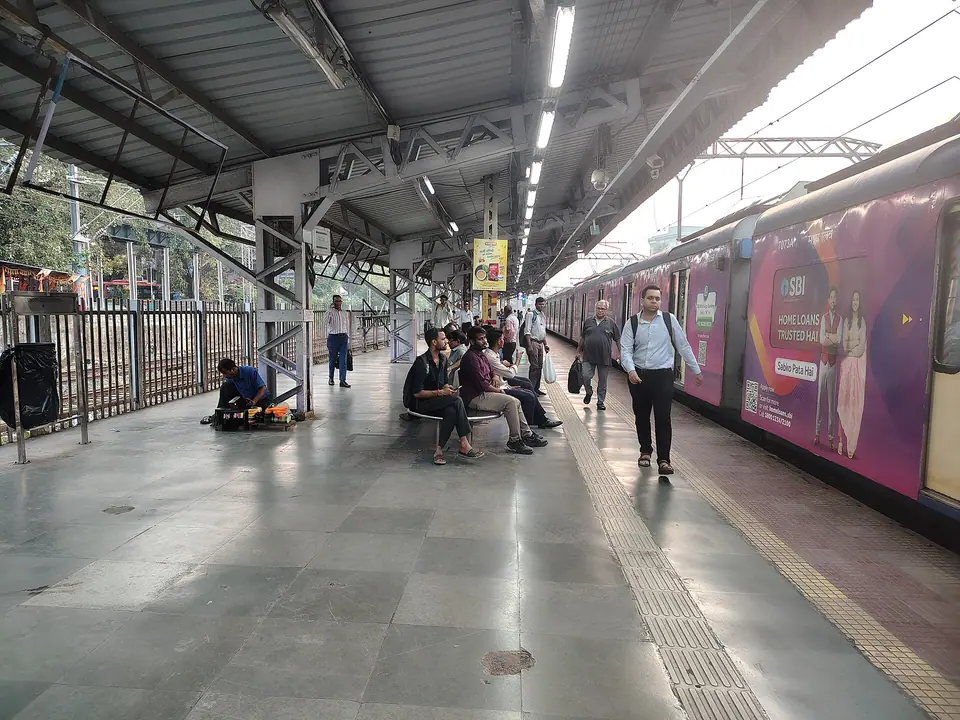
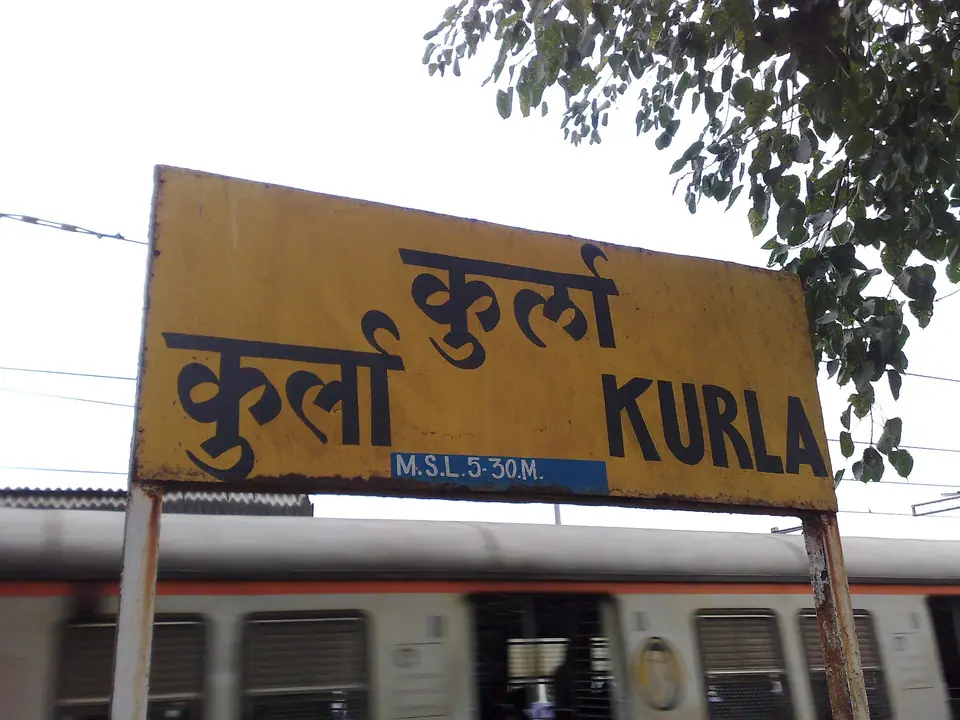
Kurla sits at the point where Mumbai's island gives way to the eastern suburbs, and the railway made it what it is. The Central line runs through on its way to Thane and beyond, the Harbour line branches off towards Navi Mumbai and Panvel, and Lokmanya Tilak Terminus, usually called LTT, sends long-distance trains across India. That combination of ordinary suburban station and national railhead gives the place its particular energy: porters, parcel offices, families with bedding rolls and a permanent coming and going at all hours.
The name is old, older than the railways, and the area began as a village of East Indian Catholic families among salt pans and creeks. Marathi is the everyday language, with Hindi and Urdu widely spoken and a large Muslim population around the older lanes. Churches and mosques stand close together. Kurla is not a sightseeing district in the way Colaba or Fort is, and it does not pretend to be. It is a place to understand how most of Mumbai actually lives and moves.
A first walk through Kurla
Start at the west side of the station and walk out into the tangle of lanes behind it, where shops sell everything from plastic buckets to school uniforms and the air smells of frying and cut fruit. This is the everyday bazaar of a dense suburb. Head north towards the older settlement, where narrow streets open onto small churches and mosques and the buildings step down to the level of the Mithi river, which separates Kurla from Sion and Bandra on the western side.
Cross to the east side for the newer commercial streets around LTT, where the scale is bigger and the crowds are travellers rather than shoppers. The walk between the two sides, over the footbridge or under the lines, tells you a lot about the place: two halves of one neighbourhood joined by a railway. Allow an hour or two. There is no circuit as such, so follow whatever lane looks busy, keep an eye on traffic and step aside for handcarts.
- Walk the west-side market lanes early, when deliveries arrive and shutters are still going up.
- Look for the older churches and mosques in the lanes north of the station.
- Stand at the east exit in the evening and watch the long-distance crowds assemble.
- Follow the Mithi river edge where the old village meets the water.
What to see and do
Kurla's interest is in observation rather than monuments. The station itself is the set piece: watch a suburban service empty and refill in under two minutes, and see how a junction works as a kind of machine. Photography of the railway is fine from public areas, but keep away from the tracks and never step down onto them. The market lanes reward a patient eye for signage, hand-painted shopfronts, brassware, fabric and the small trades that serve a dense neighbourhood.
For families, this is not a district of attractions but a district of errands and everyday theatre. Children tend to enjoy the volume of it: the handcarts, the delivery bicycles, the fruit stacked in pyramids, the trains. Keep hold of hands and stay on the pavement side. The wider city is close by. Bandra is about 5 km away with its fort, basilica and seafront, and the central sights around CSMT and the Gateway of India are a straightforward train ride south.
- Watch the junction at shift-change hours for an unfiltered view of the commuting city.
- Browse the west-side market for brass, cloth, kitchenware and stationery.
- Ride one stop on the Harbour line for the view of the Mithi river and the creeks.
- Use Kurla as a base for Bandra, about 5 km west, and the central sights to the south.
Eating in Kurla
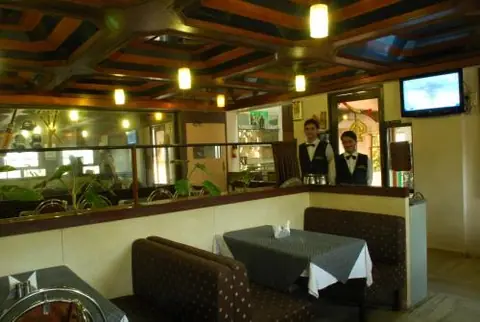
This is a good district for the kind of food that keeps a working city going. Expect small places with a few tables and a queue at the counter, serving kanda poha in the morning, misal pav, vada pav, pav bhaji and plates of biryani. Around the older Muslim lanes you will find kebab stalls, fried snacks and, in the evenings during Ramzan, a spread of dates, haleem and sweets that draws people from across the eastern suburbs. The eating here is cheap, fast and constant.
Look for Irani café habits surviving in small tea stalls: cutting chai, bun maska, brun pav. Seafood is not the local speciality, but Konkan and Malvani kitchens appear where migrant workers from the coast have settled, serving bombil, surmai and prawn curries with rice or bread. East Indian families have their own bottle masala traditions, though you are more likely to meet them at a church feast than a restaurant. Vegetarian food is easy to find and clearly marked almost everywhere.
Getting there and around
Kurla is about 3 km in a straight line from Chhatrapati Shivaji Maharaj International Airport, which makes it a practical landing point, though the road route is longer and traffic-dependent. Navi Mumbai International Airport is across the harbour, roughly 21 km away. Check which airport your flight uses. From either, a prepaid taxi or an app cab is the easy way in with luggage. The Central line connects Kurla south to CSMT, about 15.6 km, and north to Thane; the Harbour line runs to CSMT as well and east towards Navi Mumbai and Panvel.
Getting around locally means walking, app cabs and the suburban railway. Autorickshaws are common in the suburbs and useful for short hops. Avoid the peak hours with luggage if you can: the crowds are heavy and the footbridges narrow. The metro network keeps expanding across the city and new lines and stations open regularly, so check the current network before you plan a journey across town. For the central sights and the Gateway of India, the train to CSMT is usually the quickest option.
- Allow extra time with luggage at the station during morning and evening peaks.
- Use the prepaid counter or an app cab for the airport run.
- Hedge the metro: confirm current lines and stations before travelling across the city.
- Keep your ticket until you exit; inspectors work the suburban lines.
Practical tips and where to stay
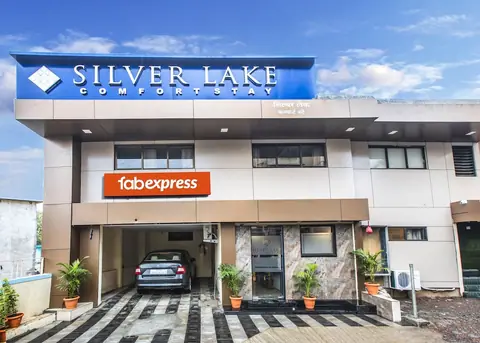
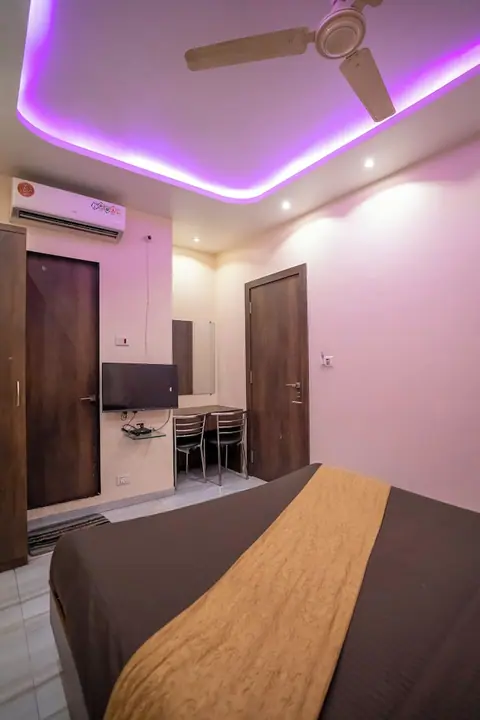
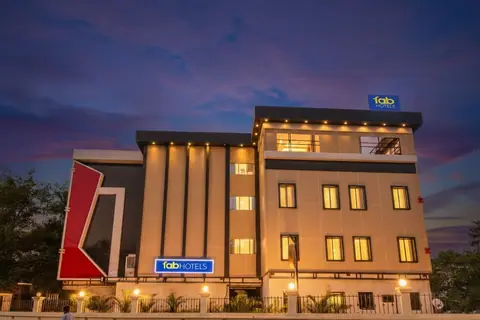
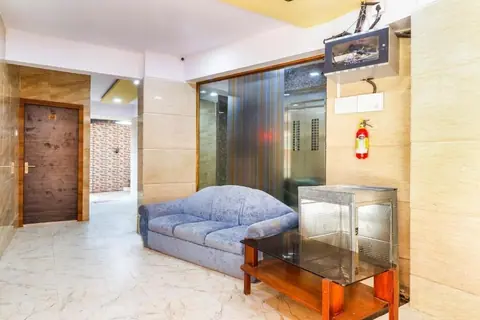
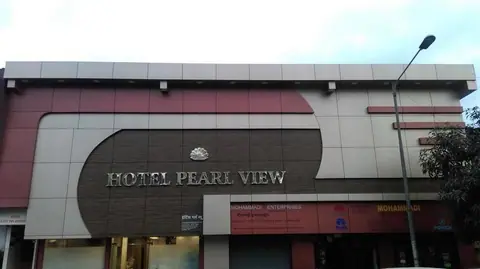
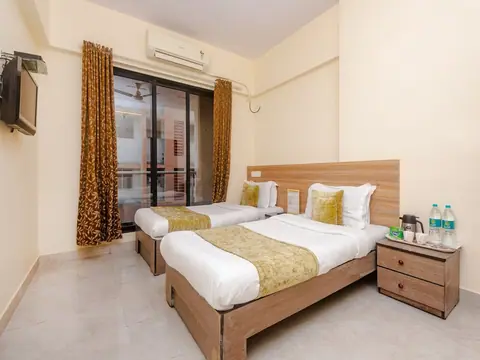
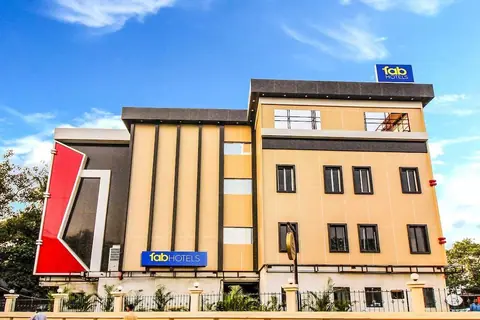
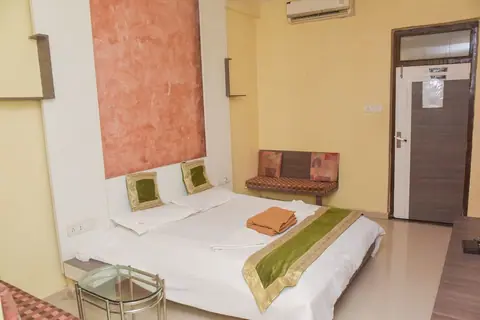
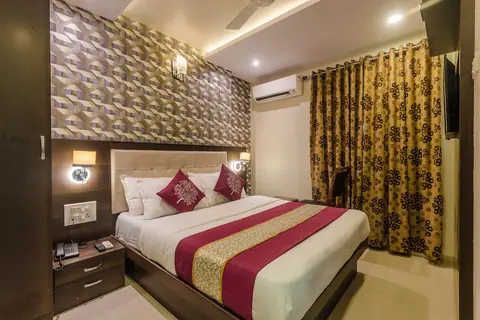
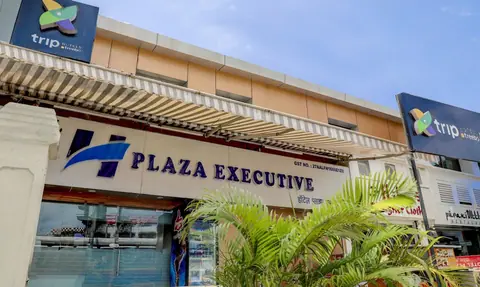
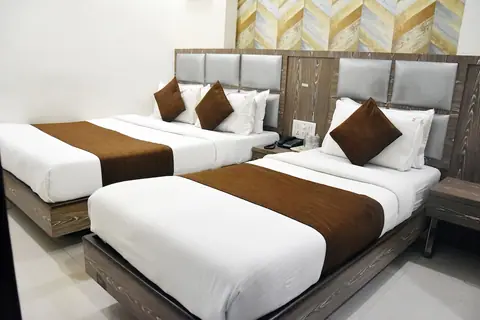
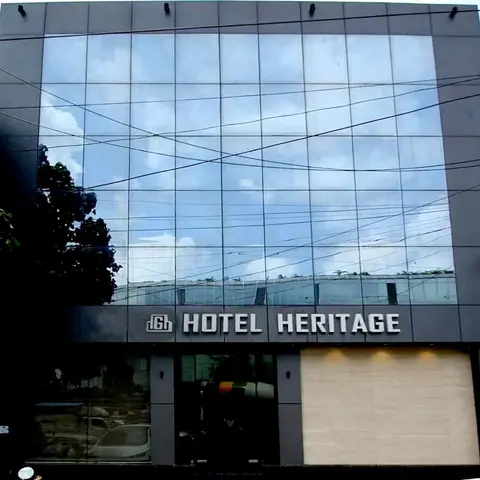
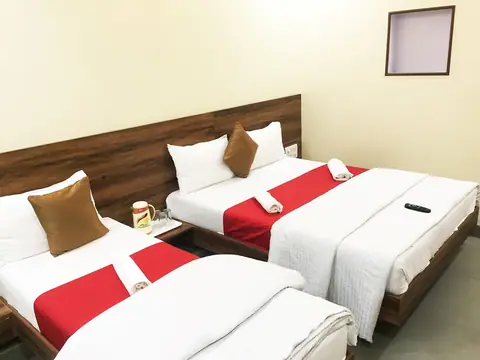
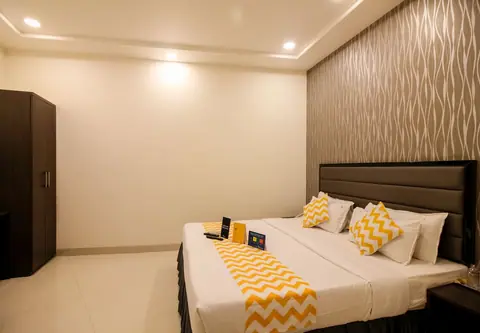
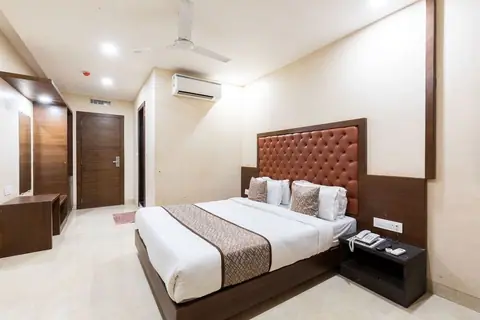
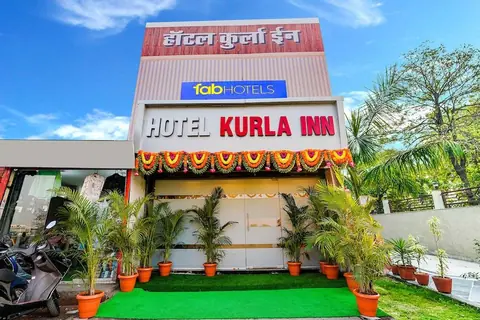
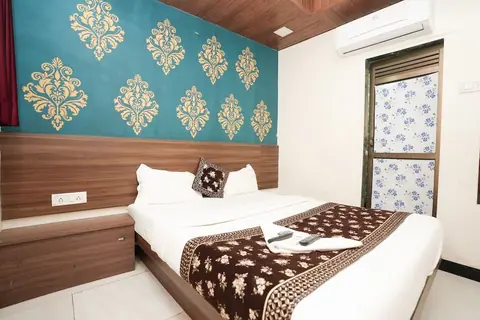
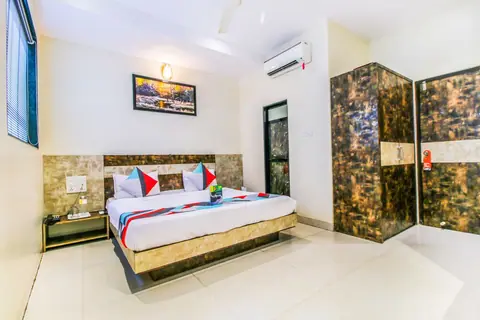
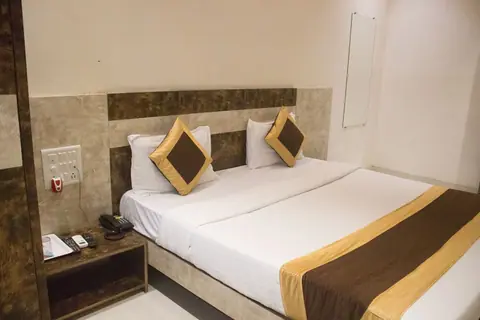
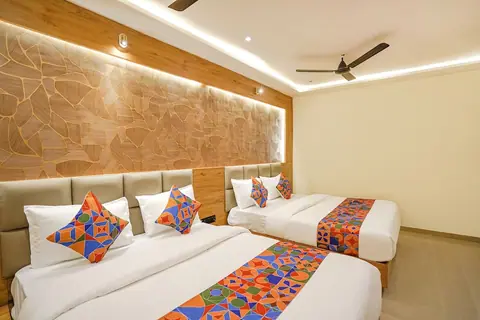
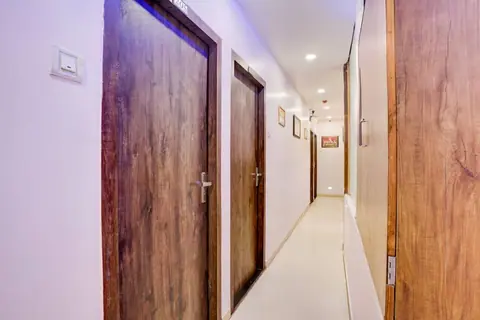
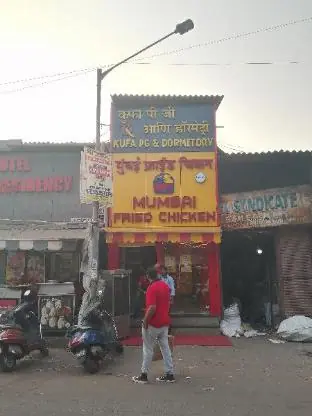
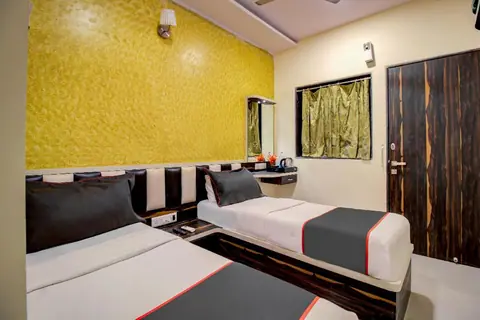
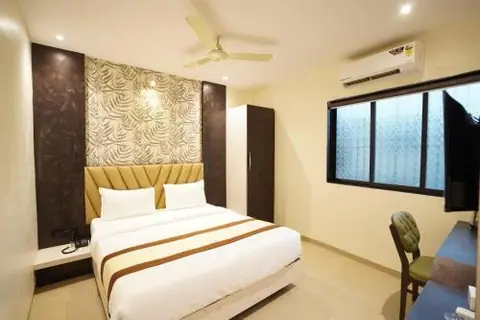
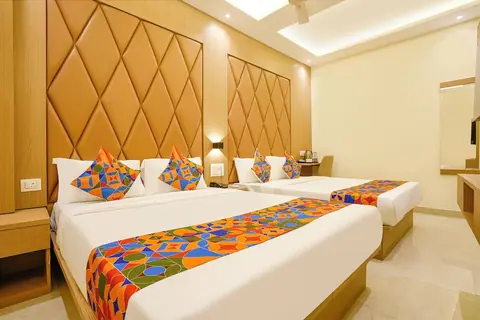
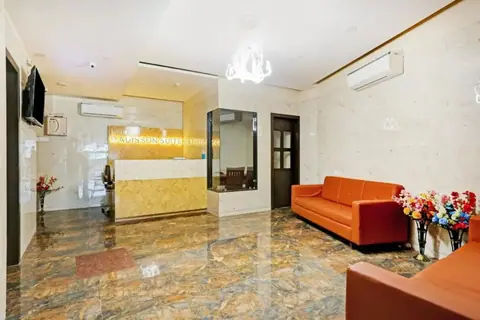
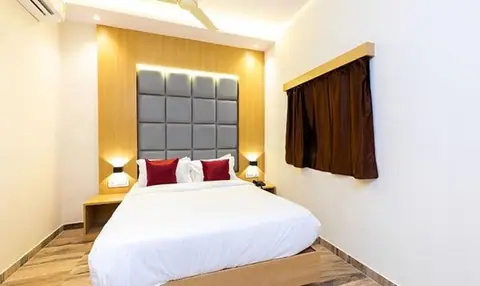
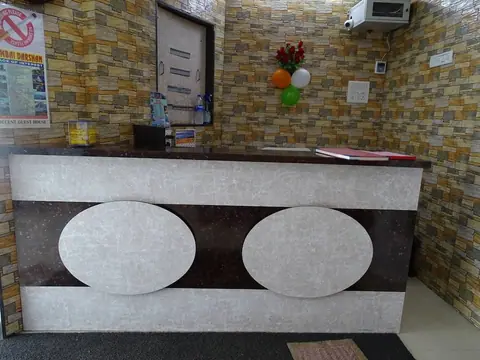
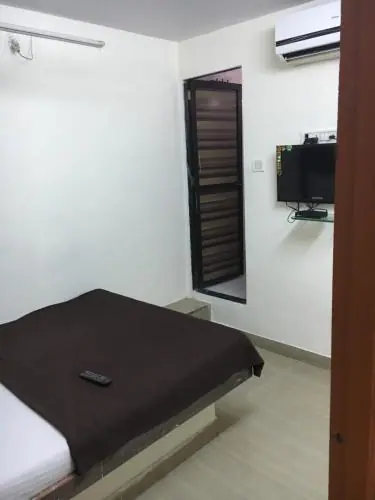
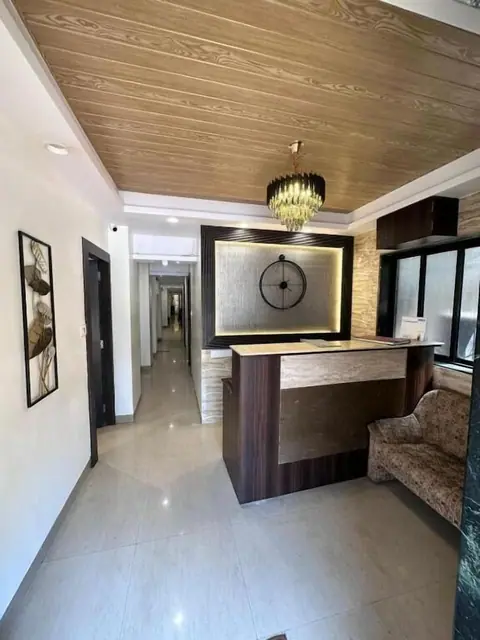
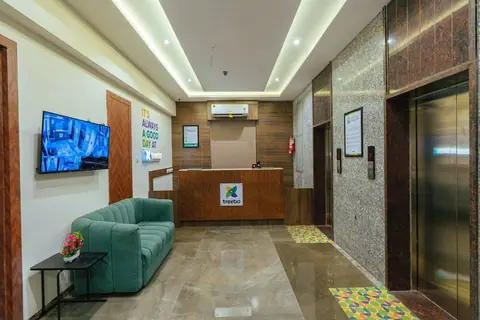
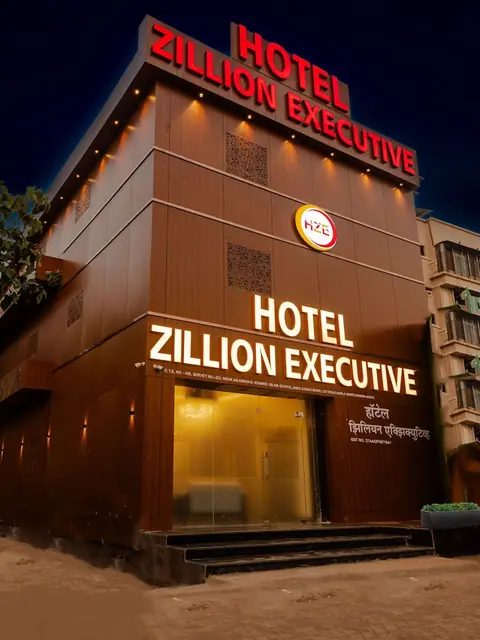
There are 44 places to stay in and around Kurla in this guide's listings, mostly practical options for travellers using LTT or the airport rather than for a sightseeing holiday. Choose by what you need: walkable access to the station for early trains, a quieter side street away from the junction, or a location between Kurla and Bandra if you want to spend your days in the western suburbs. Ask about the actual walking route to the platform, not just the distance on a map.
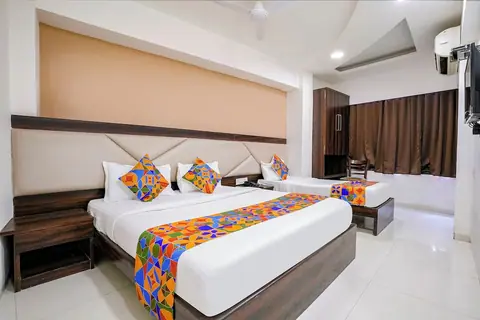
Check the room before you commit, and confirm that hot water and air conditioning work, since standards vary. The dry, pleasant months from November to February are the easiest time to stay here; March to May is hot and humid, and the monsoon from about June to September brings flooding to low-lying roads and slows the trains. Anything that changes, from train times to metro lines to festival dates, is worth confirming with the railway enquiry desk or your host before you set out.
Editorial review: 16 November 2026 · imptmumbai.in, written with AI assistance (see the editorial policy).