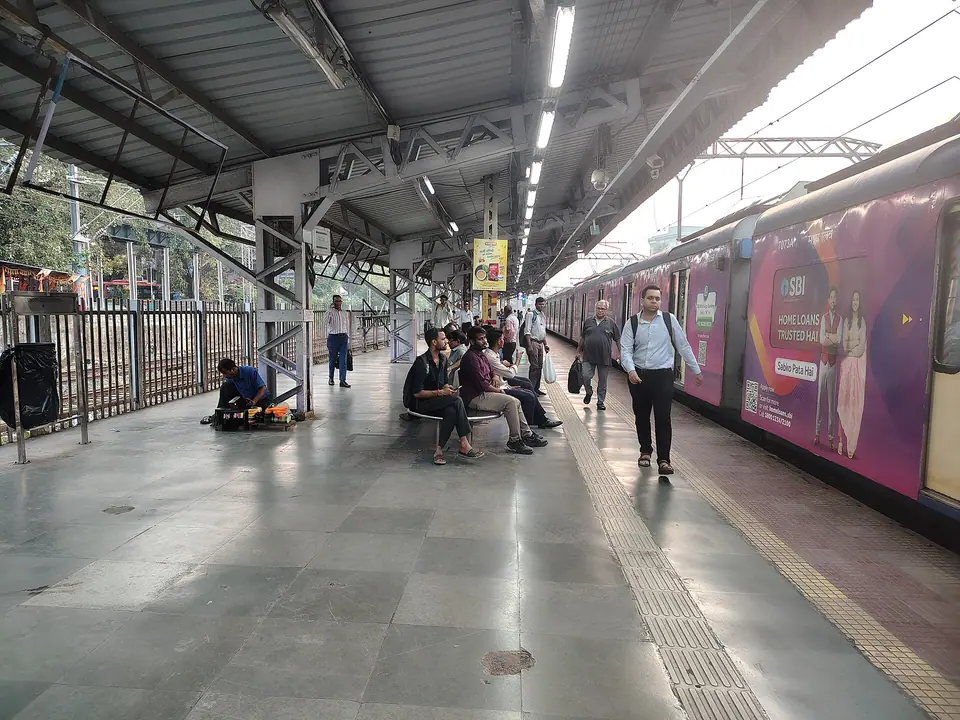
- Metro
- Line 1 terminus, opened 2014
- Railway
- Central line, via Kurla, Dadar
- Airport
- BOM 3.8 km, straight line
- Character
- Gujarati shopping and food suburb
Character and history
Ghatkopar is a busy middle-class suburb in eastern Mumbai, built around a railway station and, since 2014, around the eastern terminus of Metro Line 1. It is not a sightseeing district in the way Colaba or Fort is. It is a working shopping quarter, and that is its interest: streets given over to saris, gold, household goods and food, with a large Gujarati mercantile presence that shapes the shops, the snack counters and the festival calendar.
The name is usually explained as a corner (kopara) of a hill (ghat), though the old village was small and its lanes have largely gone. Ghatkopar grew with the Central line and with the housing colonies that spread east from Dadar and Kurla through the twentieth century. Farming and fishing families, mill and office workers, Gujarati traders and later arrivals from across India settled here. The shopping streets are the result: a suburb that became a market for a very large catchment.
A first walk through Ghatkopar
A first walk is best made without a plan, starting at the railway station on the west side and following whichever lane is busiest. The main shopping streets run with saree shops, jewellers, utensil sellers and sweet counters, and the pace is brisk in the evening. Walk the length of one street, turn into a side lane, and you will find the smaller trades: tailors, repair shops, printers, and tea stalls with a few stools outside.
Keep an eye on what people are carrying: vegetable baskets, school bags, parcels of cloth. The market side of Ghatkopar is where the suburb feeds itself, and the produce is stacked in pyramids by mid-morning. Notice the small shrines at the base of trees and the garlands sold at corners, the posters for local festivals, the queues at the snack counters in the evening. This is everyday Mumbai rather than heritage Mumbai, and it rewards slow walking and a second cup of tea.
- Start at the railway station and walk the busiest shopping street end to end.
- Turn off into the lanes behind the market for tailors, repair shops and tea stalls.
- Buy nothing at first: watch what the shops sell and who is queuing.
- Finish at a snack counter with a cutting chai and something fried.
What to see, with children
Ghatkopar has few monuments, and it would be a mistake to come expecting them. What it offers is a working Indian suburb seen at leisure: shopping streets to wander, markets to look through, temples tucked into lanes and the constant theatre of a commuter crowd. Families often find this more interesting than a museum. For children, the metro ride itself is a treat, and the snacks, the sweet counters and the fruit stalls keep a slow afternoon moving.
Plan day trips from here rather than expecting the sights at the door. CSMT and the Gateway of India are about 18 and 20 km away in a straight line, and traffic makes the road journey longer. The Sanjay Gandhi National Park at Borivali, the Thane Creek flamingo flats to the east in winter (check the season before you go) and the island city's museums and Victorian streets all make full half-days. Check metro routes and openings before setting out, since lines and timings change.
- Ride Metro Line 1 between Ghatkopar and Andheri, then return.
- Give children a small budget for the sweet counters and let them choose.
- Walk the evening market when the lights are on and the stalls are full.
- Take a half-day trip to Sanjay Gandhi National Park at Borivali.
Eating in Ghatkopar
Eating is the main reason many visitors come. The street food is standard Mumbai, done well: vada pav, pav bhaji, bhel puri, sev puri, pani puri, ragda pattice, dabeli, Bombay sandwiches, kanda poha and misal pav. Gujarati snacks appear everywhere: dhokla, khaman, fafda with jalebi in the morning, thepla and thick sweetened yoghurt. Farsan shops sell by weight, and the sweet counters do a steady trade through the evening, especially before festivals.
Most eating in Ghatkopar is casual and quick. Expect snack counters with a few benches, thali places serving unlimited Gujarati or Maharashtrian plates at lunch, chaat counters, juice centres and tea stalls. Vegetarian food is the default in many of these kitchens, and Jain versions are often available on request. For Parsi dishes such as dhansak and berry pulao, and for Irani café chai with bun maska, head to the old city around Fort, where those kitchens cluster.
Getting there and around
Chhatrapati Shivaji Maharaj International Airport is close in straight-line terms, about 3.8 km, but roads wind and traffic decides the rest. Terminal 1 is on the Santacruz side and Terminal 2 at Sahar; app cabs and prepaid taxis wait at both, and the fare varies with time and demand, so check before you set off. Metro Line 1 runs between Ghatkopar, Andheri and Versova, and the underground Aqua Line serves the airport: check the current network for interchanges.
Within the suburb, autorickshaws are common and easy for short hops, and app cabs cover longer trips. Walking works on the shopping streets but not on the main roads. The Central line connects Ghatkopar with Kurla, Dadar, Byculla and CSMT, and Metro Line 1 covers the western suburbs to Andheri and Versova. Trains are very crowded at peak hours; ladies' compartments and first class are calmer. Navi Mumbai International Airport, across the harbour, is about 20 km away in a straight line, so check which airport your flight uses.
Where to stay, and practical tips
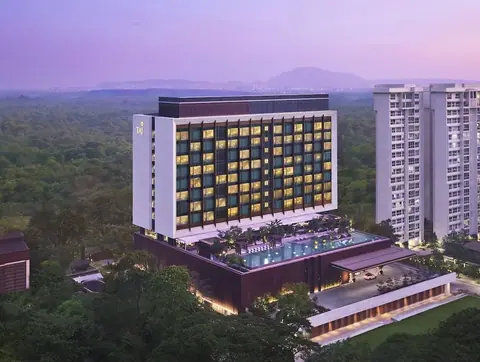
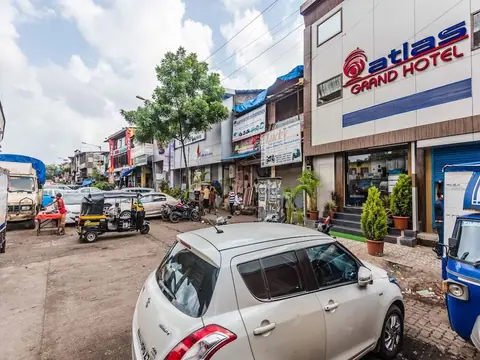
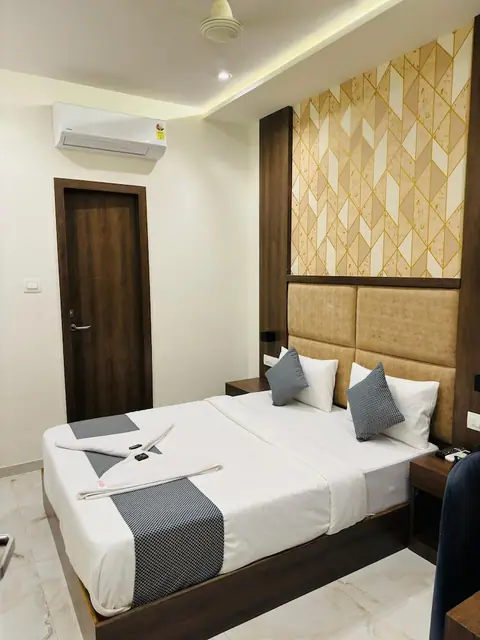
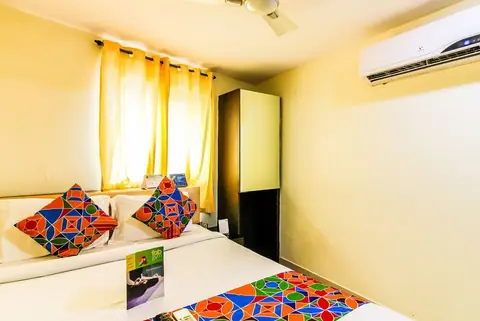
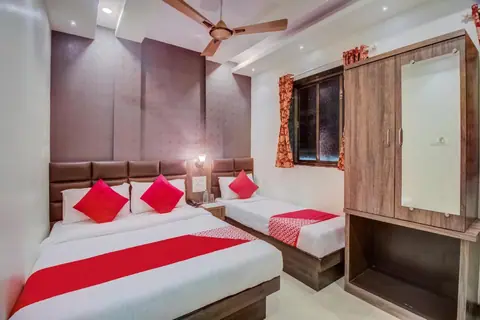
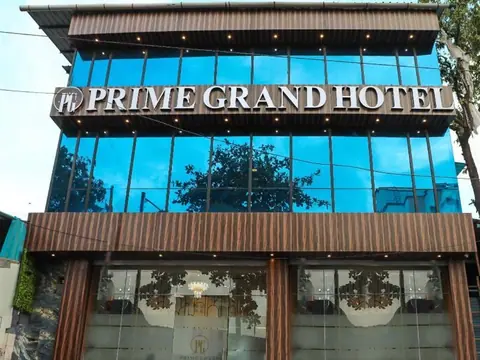
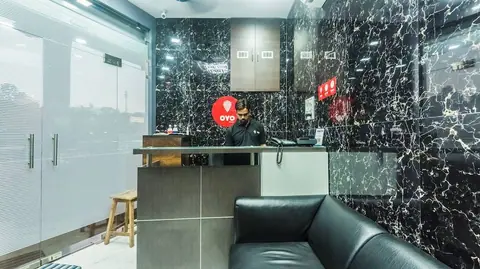
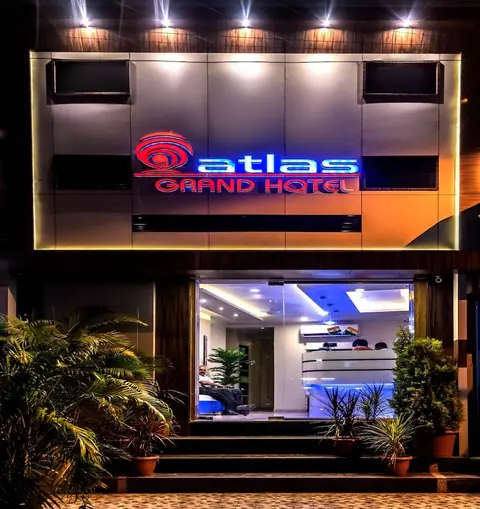
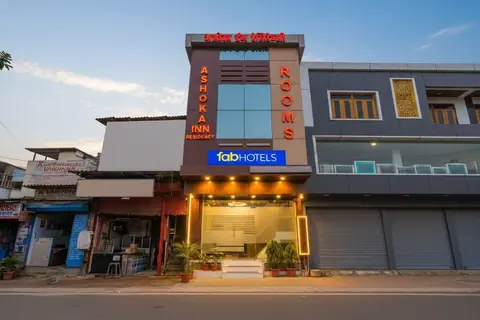
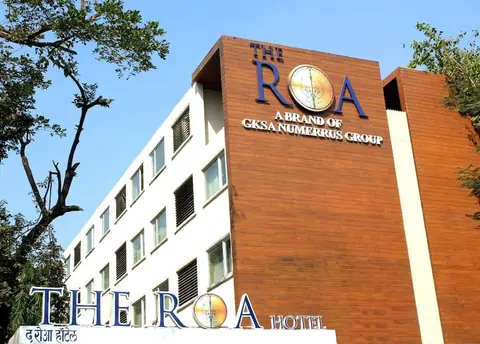
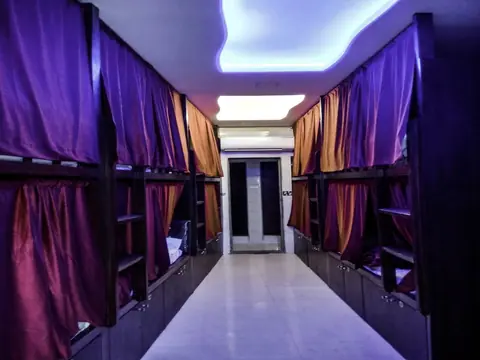
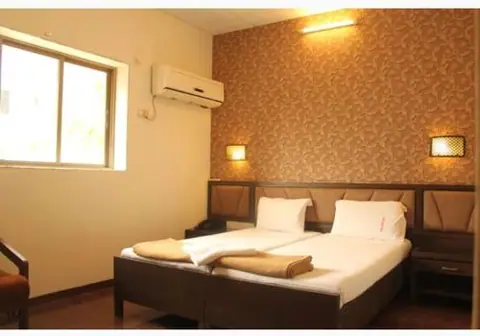
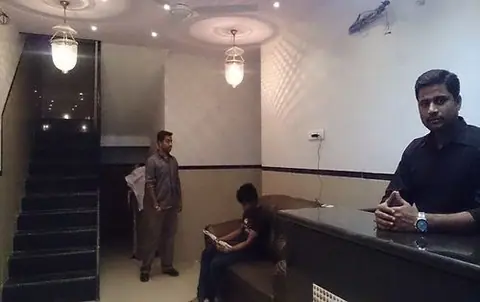
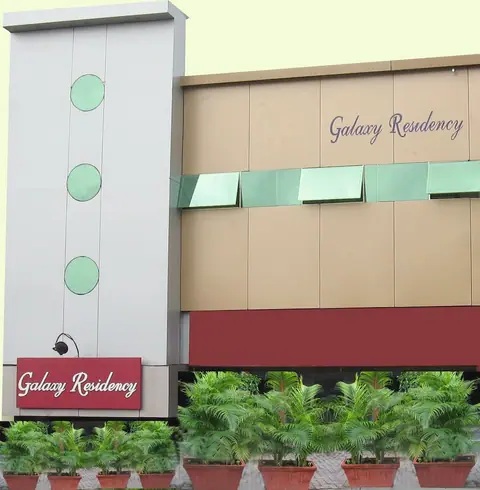
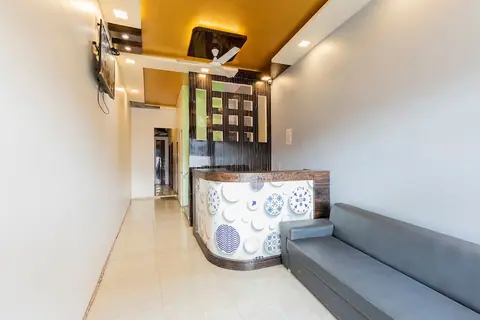
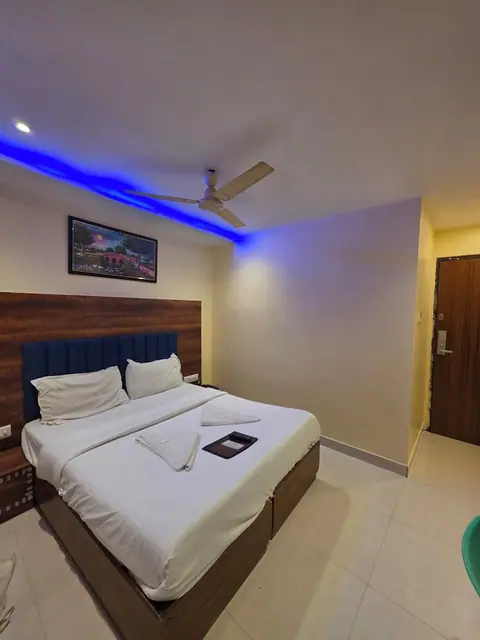
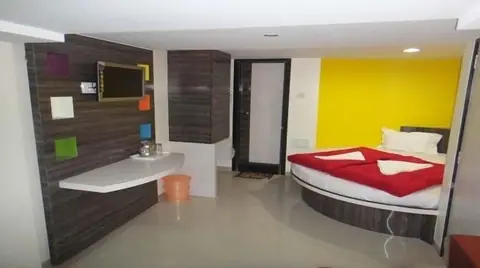
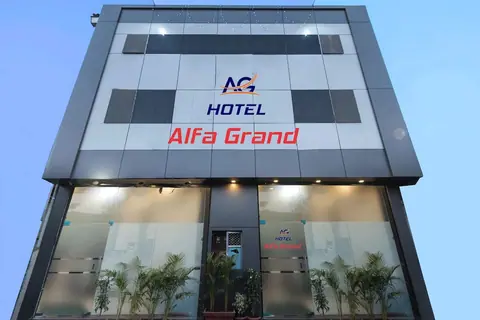
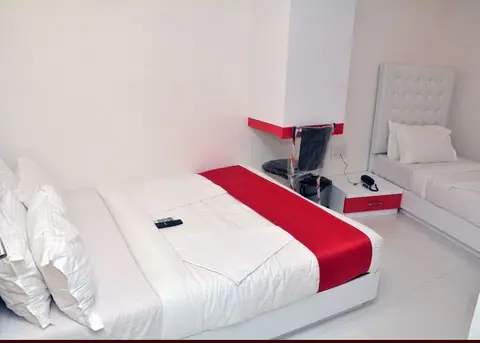
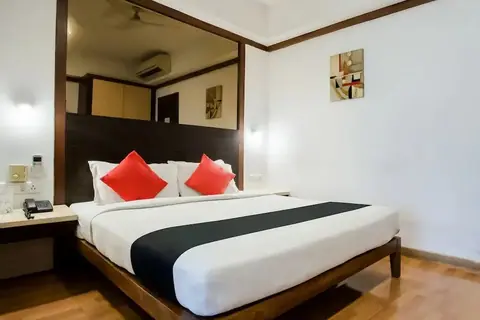
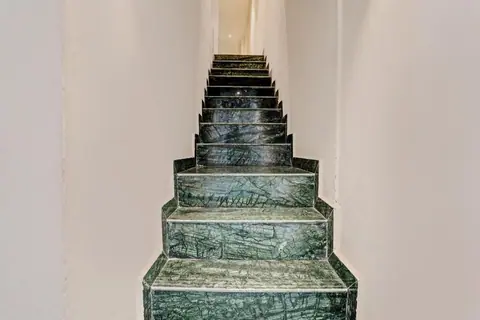
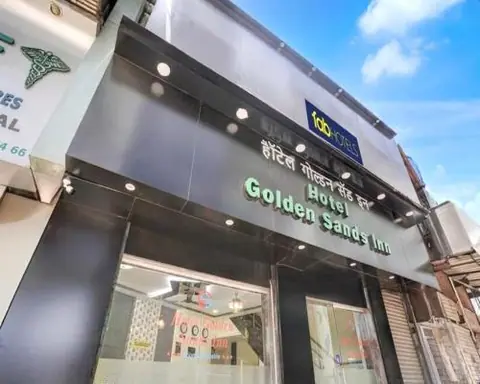
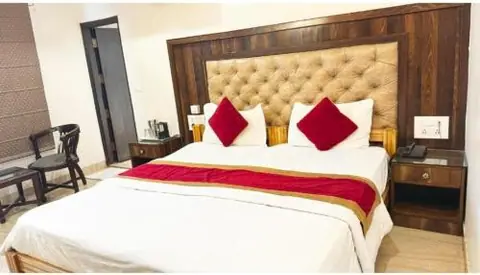
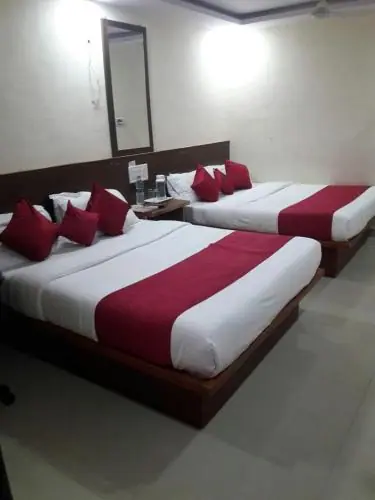
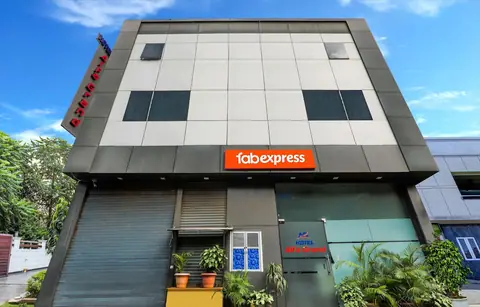
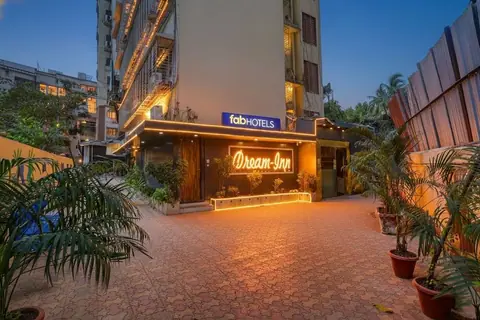
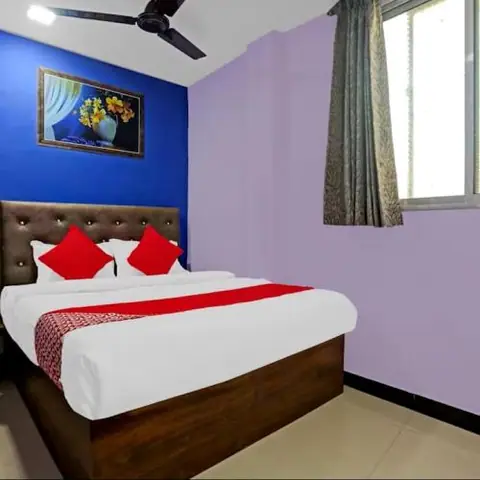
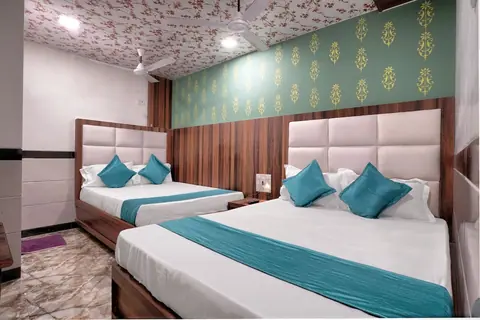
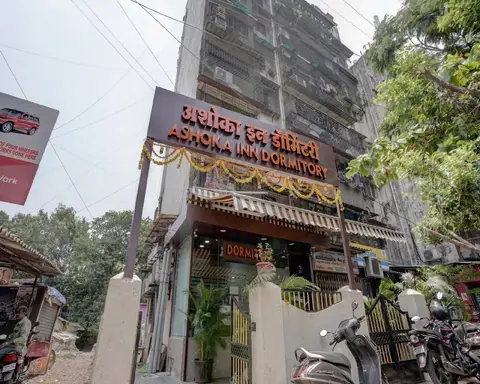
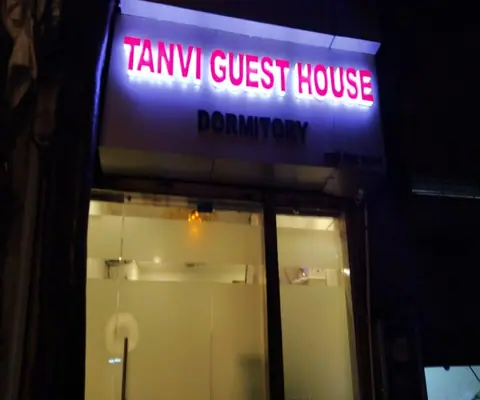
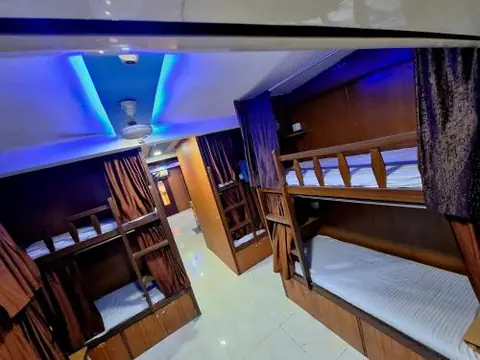
Stays here suit travellers who want the eastern suburbs and a quick run to the airport, not those who plan to walk to Colaba's sights each morning. Choose between the lanes near the station and metro terminus, which are busy and convenient, and the quieter residential streets further out. Families do better with a room away from the main road. Ask about airport transfers, check current rates directly with the property, and confirm that the room you book is the one you want.
The easiest months for walking and shopping are the dry ones, roughly November to February. March to May is hot and humid; the monsoon, from about June to September, floods low-lying roads and slows trains, so check the forecast before a day out. UPI phone payments are everywhere, though some cash is useful in small shops. Festival days, Ganesh Chaturthi and Navratri especially, fill the streets and shift the mood, and the dates move each year, so check before planning around them.
Editorial review: 16 November 2026 · imptmumbai.in, written with AI assistance (see the editorial policy).