- Area
- Powai, eastern suburbs of Mumbai
- Airport
- About 4 km from BOM
- Known for
- Powai Lake and garden walks
- When to go
- November to February
The character of Powai
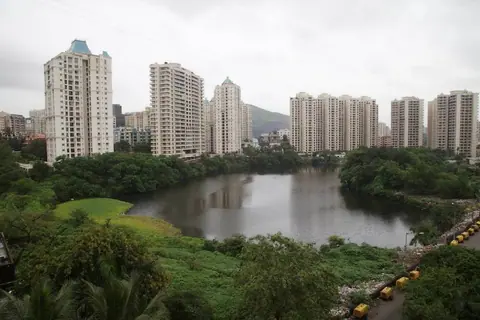
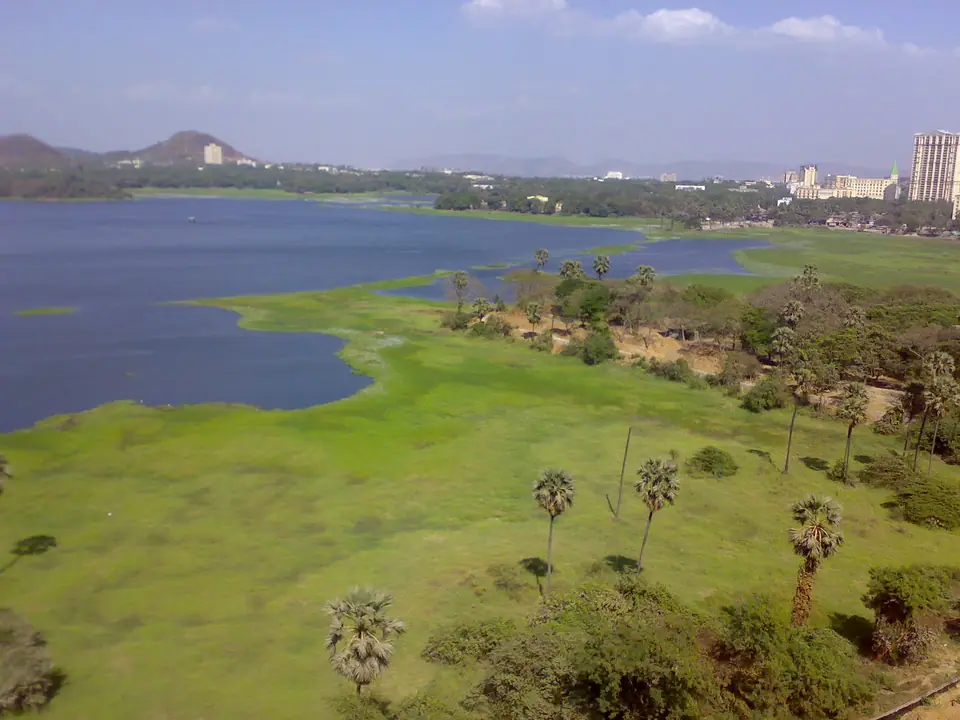
Powai lies in Mumbai's eastern suburbs, wrapped around a lake of the same name. The water was impounded in the nineteenth century as a reservoir for a growing city, and for decades the land around it stayed green and lightly built, a mix of villages, rice fields and a research campus on the slope. That green setting survives. The lake still sets the mood of the place, and the wooded far shore gives this side of the city a piece of open country.
The hill above the water changed from the 1980s onward, when a planned garden township rose on a grid of named streets: apartment blocks, planted medians, wide pavements and small parks. Powai now holds two characters at once, the quiet reservoir edge and the ordered town on the slope. Neither has the age of Fort or Byculla, and that is part of the interest. This is a piece of Mumbai built within living memory, still filling in, and easy to read on foot.
A first walk through Powai
Begin at the water. A promenade follows part of Powai Lake, and the path is at its best early, when walkers, cyclists and birdwatchers share it and the light comes off the water. Look for herons, egrets and cormorants along the edge, and for the wooded far shore, which has never been built over. Go slowly. The lake is the reason people come here, and a first walk should give it time.
From the lake, climb into the garden township on the hill. Pavements are wide, the streets are planted, and small gardens give you somewhere to sit. The architecture is recent and uniform, and the pleasure is in the tidiness: clipped hedges, benches, a lake view between the blocks. Come down afterwards to the older lanes near the market, where the shops are smaller and the pace is the village pace Powai had before the towers.
What to see and do
The lake is the main sight, and it rewards a slow look rather than a checklist. Birdlife gathers along the margins, especially in the cooler months. Walking and cycling are the obvious things to do, and the township's streets are made for both. The water itself is not for swimming or paddling, and the banks are uneven in places, so keep children back from the edge and watch your footing after rain.
With children, the gardens and open lawns do most of the work: space to run, scooters and cycles on smooth paving, birds to point at, and shade for a picnic. Older children may like the scale of the place, the lake, the hill and the long views. For the wider city, Sanjay Gandhi National Park and the Kanheri caves lie to the north, and the Thane Creek Flamingo Sanctuary is reached by road; both are best treated as separate outings.
- Walk the lakeside path early, when birds feed along the margins and the light is soft.
- Cycle or scoot the township's smooth pavements, which suit children better than the main roads.
- Look across to the wooded far shore of Powai Lake, still green and unbuilt.
- Plan Sanjay Gandhi National Park and the Kanheri caves as a separate outing by road.
Eating in Powai
Powai eats in two registers. Around the lake and the township, the emphasis is on long breakfasts, coffee and tables with a view of the water; these suit a slow morning with a book. In the older lanes and near the market, the cooking is plainer and more local, with Maharashtrian kitchens, tiffin counters and the street food that Mumbai does better than anyone. Both are worth your time, and the second is usually the more interesting meal.
Start the day with kanda poha or misal pav, and add a cutting chai. At lunch, look for a thali with puran poli, or a Konkan seafood plate of bombil, surmai, prawns and tisrya, cooked in coconut and kokum. Parsi cooking appears too: dhansak, akuri, patra ni machhi. Snacks run from vada pav to bhel puri, and the sweets are kulfi and falooda. Sabudana khichdi and thalipeeth turn up at breakfast and on fasting days.
- Order misal pav or kanda poha for breakfast, with a cutting chai on the side.
- Ask for a Maharashtrian thali and look for puran poli on festival days.
- Try a Konkan seafood plate with bombil, surmai or tisrya, cooked with coconut and kokum.
- Finish with kulfi or falooda from a stall near the market.
Getting there and around
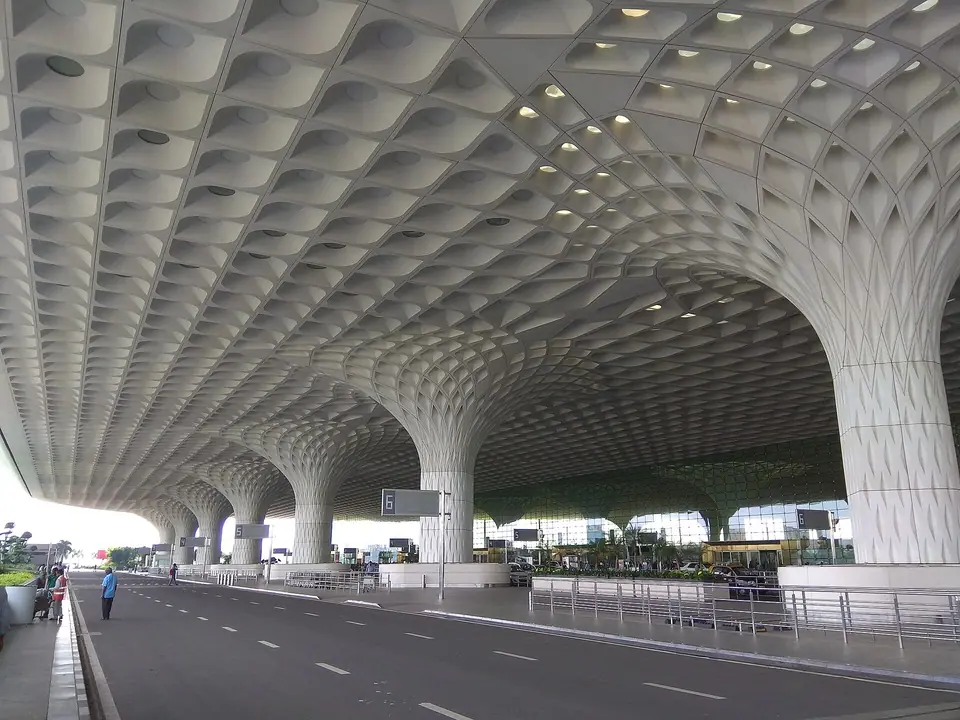
Powai is close to Chhatrapati Shivaji Maharaj International Airport, about 4 km in a straight line, though the road route is longer and slow in traffic, so leave generous time. Navi Mumbai International Airport is roughly 22 km away across the harbour. South Mumbai is a different trip altogether: CSMT is about 21 km and the Gateway of India about 23 km, so plan the heritage sights as a separate day rather than an errand.
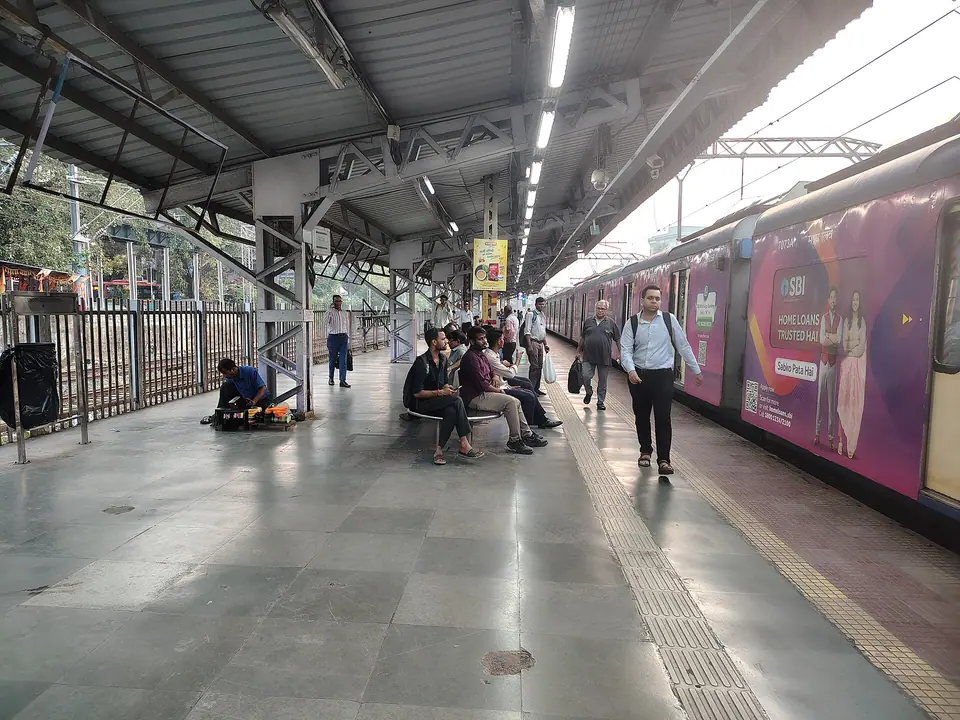
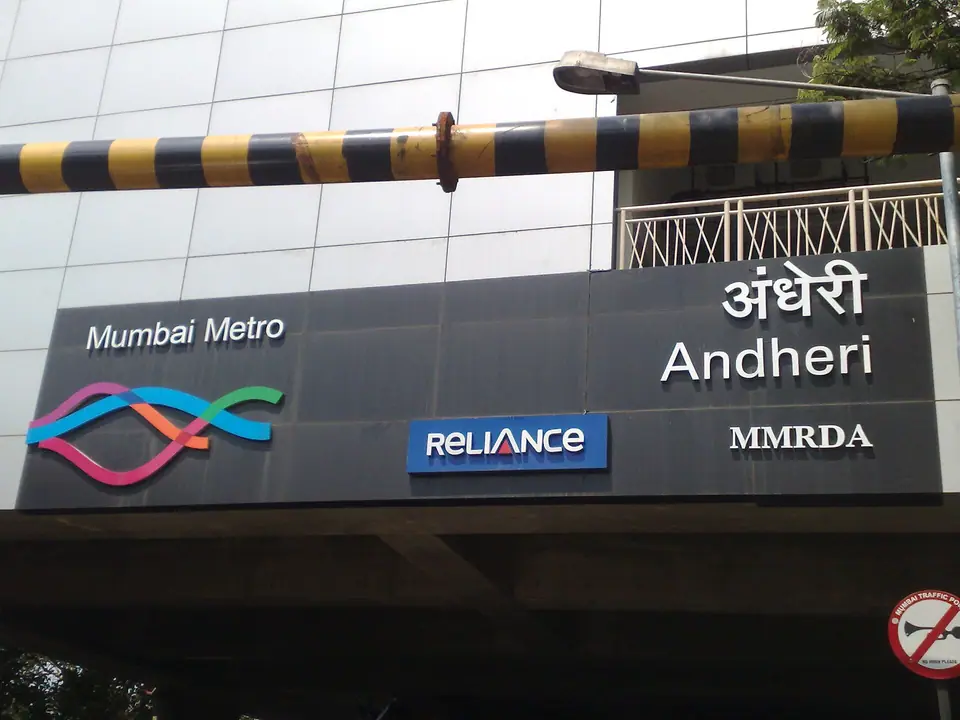
There is no suburban railway station in Powai itself. The nearest stops are on the Central line, at Vikhroli and Kanjurmarg, with a short autorickshaw ride at either end. A metro network has been spreading across the city; check the current map before counting on a line to Powai. Autos are common in this part of the suburbs, and app cabs work well. Bandra station is about 10 km away for the Western line.
Choosing where to stay
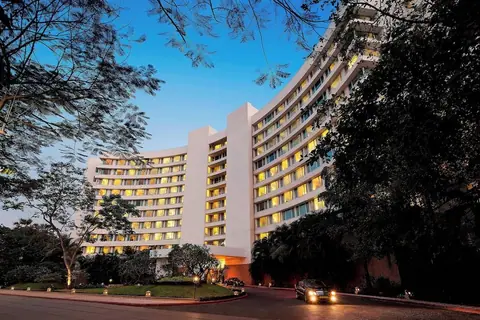
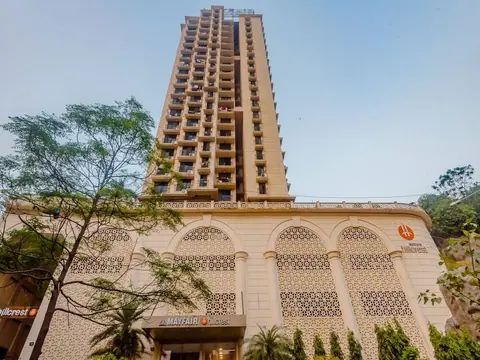
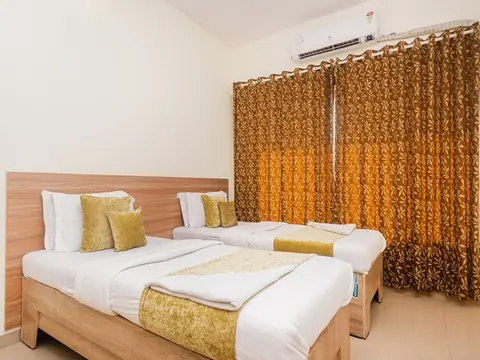
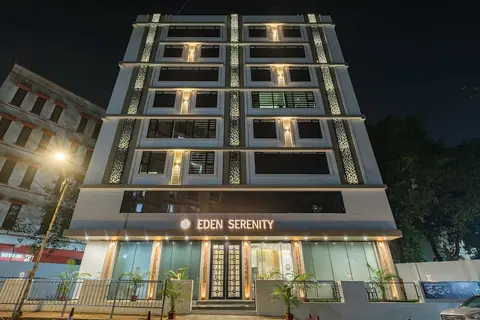
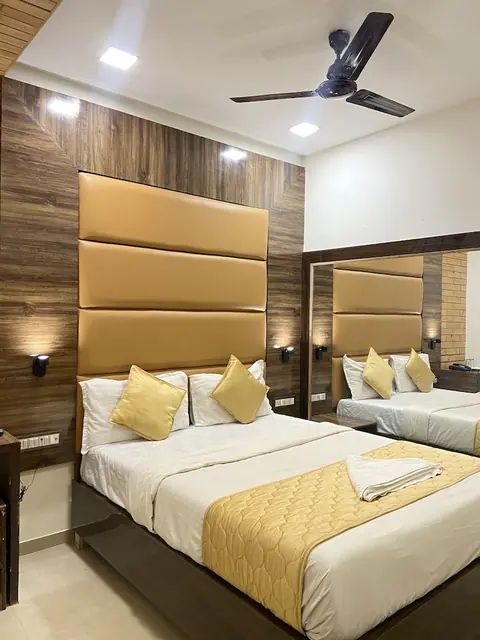
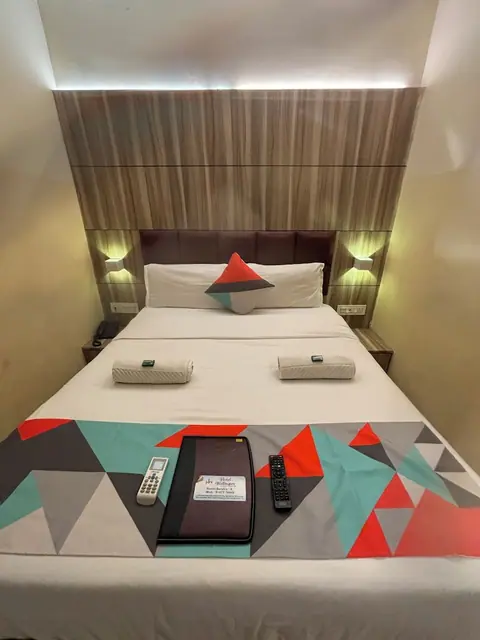
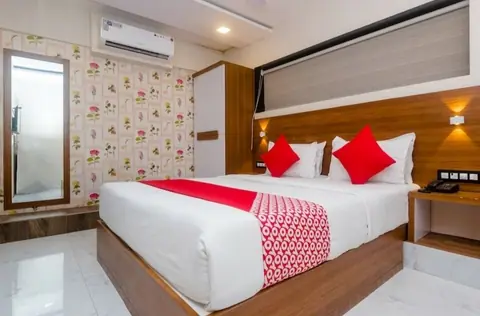
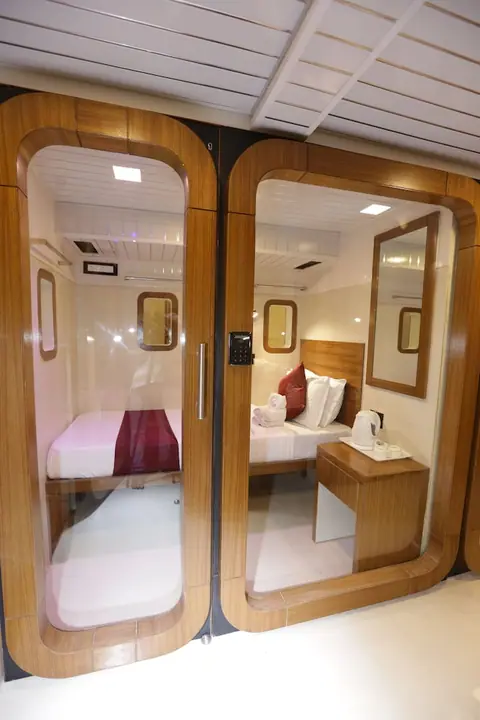
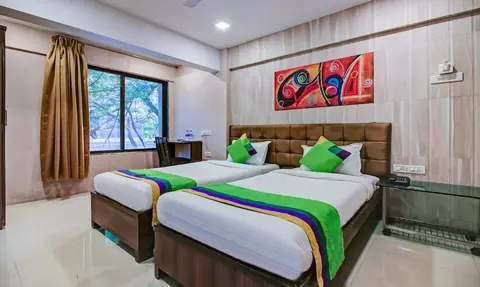
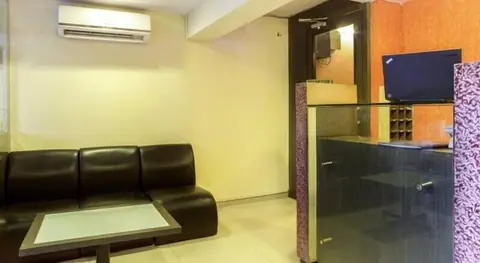
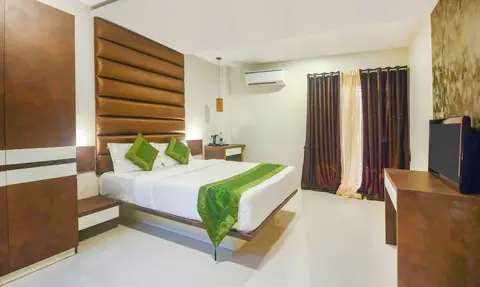
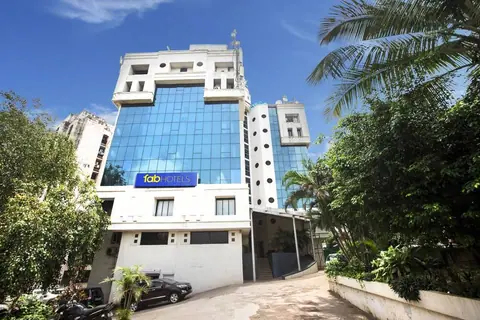
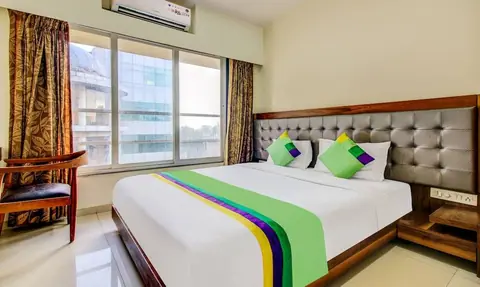
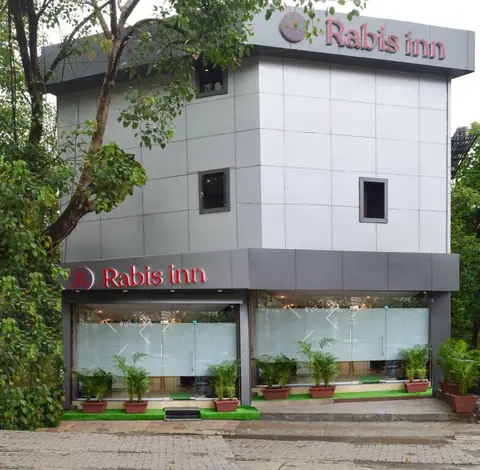
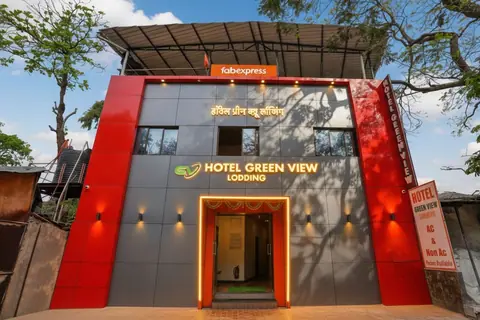
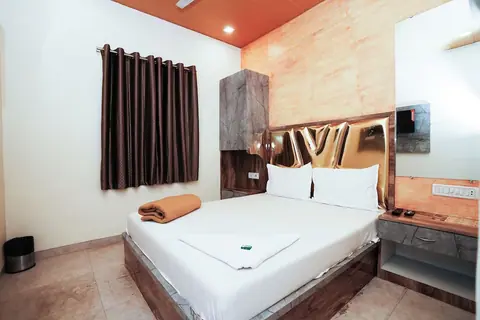
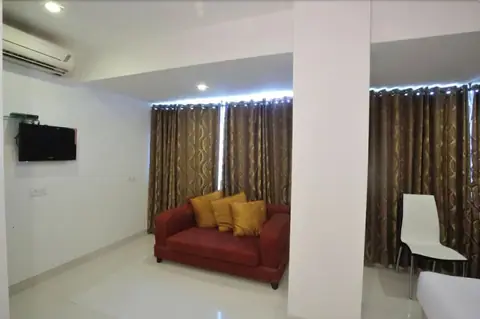
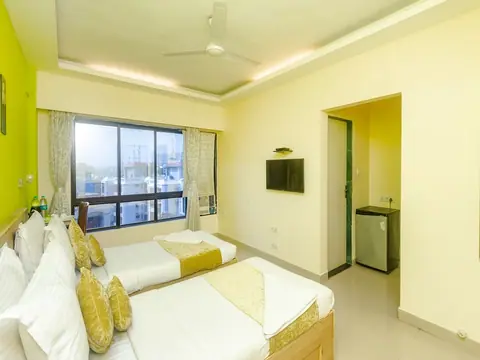
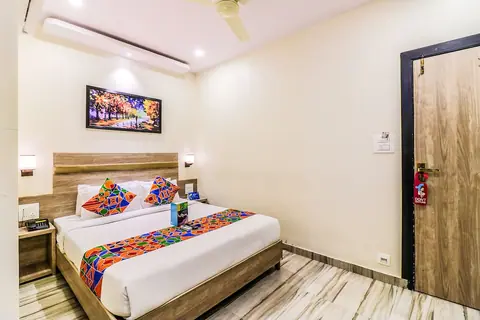
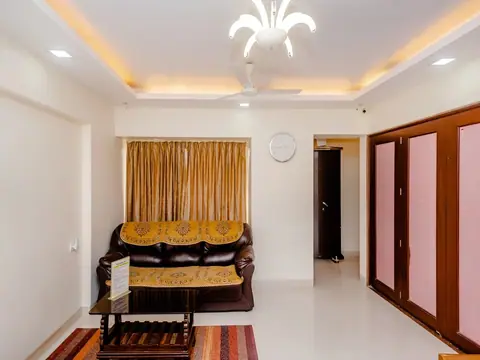
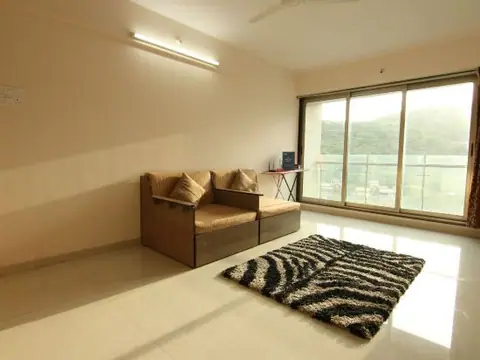
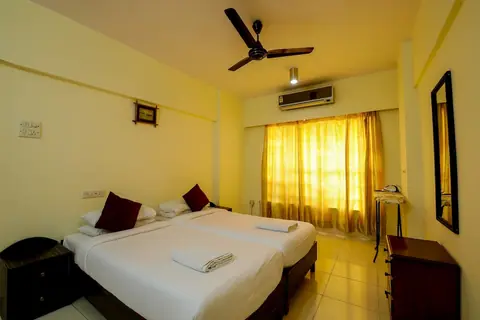
Stays cluster in two zones. The lakeside has the views and the walking, and rooms that look over the water; the garden township has wider pavements, gardens and quiet at night, and suits families with children. The two are within easy reach of each other on foot or by a short ride. Choose the lake if the view matters to you, and the township if you want space and a grocery shop around the corner.
Powai suits travellers who want a calm base and do not mind travelling to the heritage south. It is less convenient for a first visit built around the Gateway of India, Colaba and the Fort museums, which are a long ride away. Check how far a place is from the water if the lake is the reason for the trip, and read recent reviews for noise from the roads, which carry traffic late.
Editorial review: 16 November 2026 · imptmumbai.in, written with AI assistance (see the editorial policy).