- Location
- Between Bandra and Kurla
- River
- Mithi river
- Airport
- 3.7 km from BOM
- Rail
- 3.1 km from Bandra station
Character and history
Bandra Kurla Complex is a planned district laid out between Bandra and Kurla, with the Mithi river along one edge. Its story is recent: wide roads, set-back buildings and open plots were drawn up beside older neighbourhoods that grew without a grid. The result feels more open and less dense than the old city. For a leisure visitor, that openness is the point: a place to walk without crowds, eat without a long hunt and return to after a day in Bandra or the historic south.
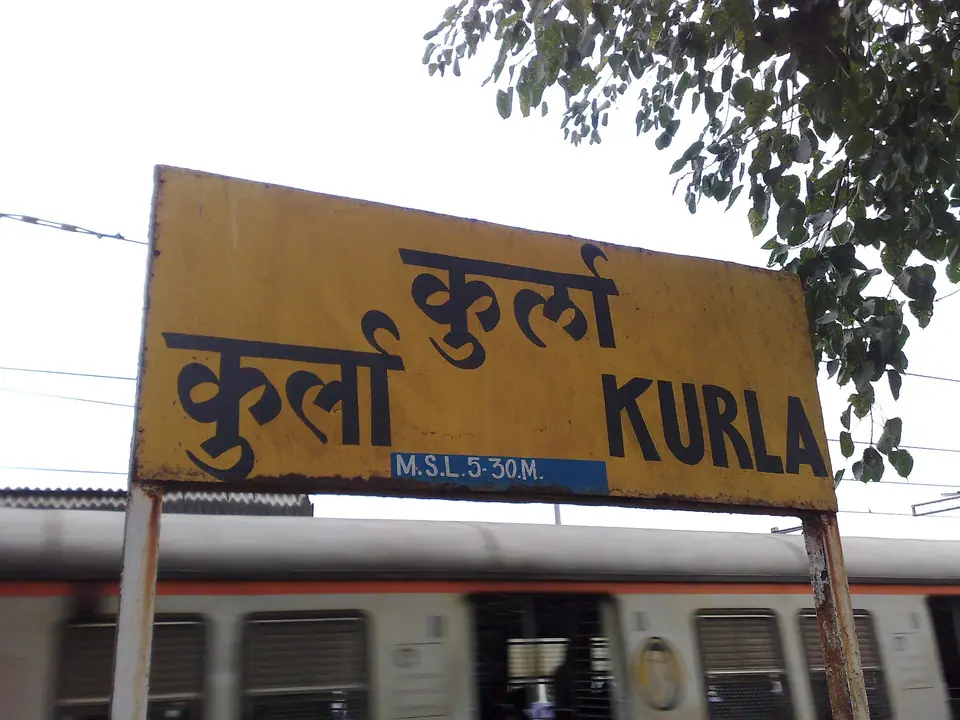
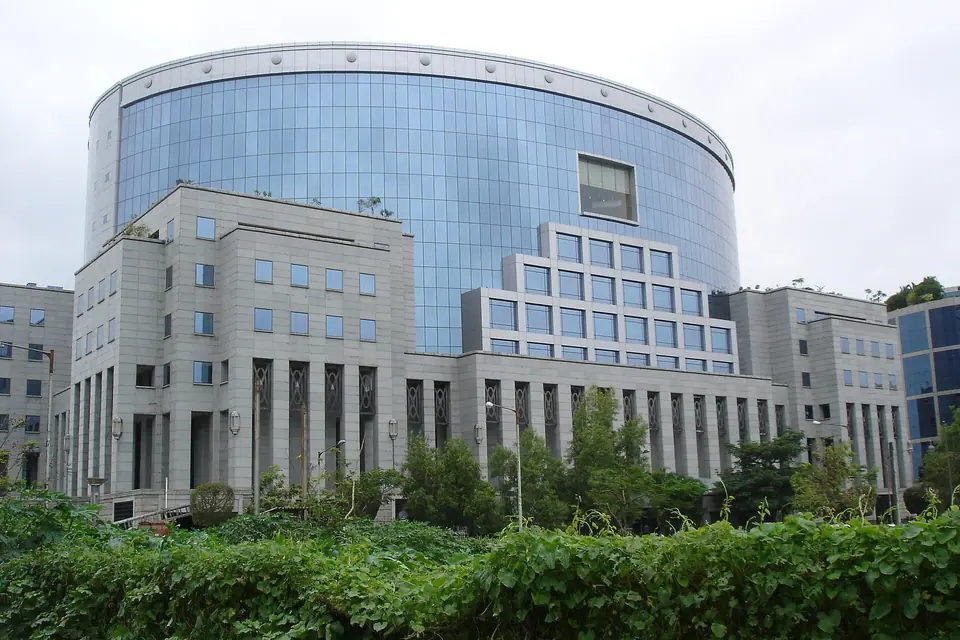
The district sits in the eastern suburbs, close to Bandra's churches and lanes and to Kurla's railway and markets. The Mithi river gives the area a natural boundary and a reminder of the city's water. There is little of the dense bazaar life found further south, and that makes the district useful as a calm base. Treat the place as a setting rather than a sight: modern architecture, public squares and short walks between meals and transport.
A first walk
Begin near the Mithi river edge and follow the broad streets inward. The district is spread out, so a walk works best as a loose loop rather than a fixed route. Look at the scale of the planned layout, the set-back fronts and the gaps left for open space. Cross only at marked crossings and keep an eye on traffic: roads here can be wide and fast. In the dry season, early morning and late afternoon are the easiest times.
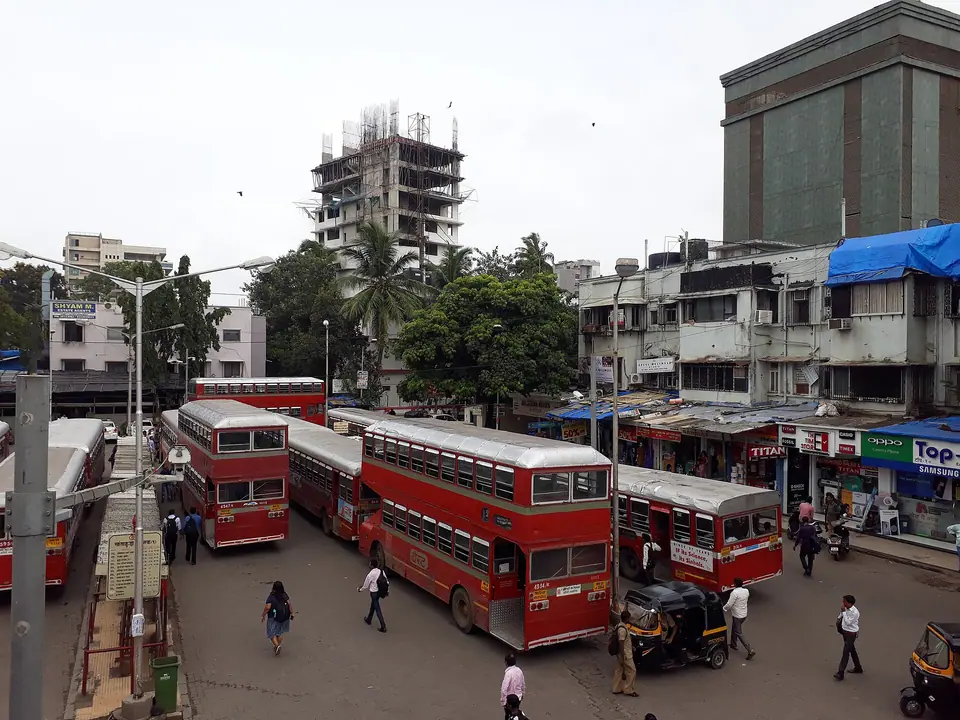
From the river side, head toward the Bandra direction for older streets, churches and food stalls beyond the district edge. A short taxi ride opens Bandra's lanes and the sea air at Bandstand. Toward Kurla, the streets grow denser and the railway is close. The pleasure of the walk is the contrast: planned order on one side, old neighbourhood life on the other. Carry water and stop often; shade is uneven between buildings.
What to see and do
Bandra Kurla Complex has few traditional sights of its own. Its appeal lies in everyday city life: a walk beside the Mithi river, views of modern buildings, a long lunch and time in public open spaces. For children, the district works best as a base with short outings rather than a full day of attractions. Plan one activity in Bandra or the wider city, then return for an early meal and an easy evening.
The wider city holds the monuments, museums and markets that fill a Mumbai visit. From this base, Bandra is the nearest older quarter, with churches, lanes and the sea. The historic south, with the Gateway of India and the Victorian Gothic and Art Deco ensembles, is a longer ride but manageable by train or taxi. Families can pair a short city outing with downtime here. Check opening days and current transport before setting out.
- Walk the planned streets between the Mithi river and the Bandra side, looking at modern architecture and public open space.
- Take a short ride to Bandra for churches, lanes and sea air at Bandstand.
- Plan a half day in the historic south for the Gateway of India and the UNESCO-listed ensembles.
- Give children a simple outdoor hour, then return for an early meal and rest.
Eating in and around
The district and its edges suit casual eating. Expect food courts, casual cafes, family restaurants, hotel dining rooms and street stalls on the approach to Bandra and Kurla. Mumbai's standard dishes are easy to find: vada pav, pav bhaji, bhel puri, sev puri, pani puri, ragda pattice, dabeli, Bombay sandwich, kanda poha, misal pav, kulfi and falooda. For a sit-down meal, look for Maharashtrian thalis, Parsi dhansak, East Indian fugias and seafood from the Konkan coast.
Breakfast can be simple: chai with bun maska or brun pav, or a plate of poha. Lunch is often a thali or a one-plate dish; dinner can stretch to a family table with shared plates. The district is spread out, so check the walk between restaurants before choosing one. Many places take UPI and cards, but some smaller stalls work better with cash. Check current opening days, especially at weekends and during festivals.
- Try vada pav or misal pav for a quick Mumbai lunch.
- Look for Parsi dhansak, East Indian fugias and Konkan seafood for a slower meal.
- Keep a simple breakfast of chai and bun maska in mind.
- Carry some cash for smaller stalls, even when UPI is common.
Getting there and around
From Chhatrapati Shivaji Maharaj International Airport, the straight-line distance is about 3.7 kilometres. The drive depends on traffic, so allow more time at peak hours. Taxis and app cabs serve the district, and the metro has a stop here on the Aqua Line. Navi Mumbai International Airport is across the harbour, about 22.7 kilometres away by straight line; check which airport your flight uses. Bandra railway station is about 3.1 kilometres away for suburban trains.
Within the district, distances between pockets can be longer than they look. Walking is pleasant in the dry season but shade is uneven; use taxis for short hops or the metro for Bandra and the airport side. Autorickshaws are common in the suburbs, though not in the island city south of Bandra and Sion. Metro lines and stations keep changing, so check the current network before relying on a route. Keep extra time for monsoon delays.
Practical tips and stays
The dry season from roughly November to February is the easiest time for long walks and outdoor meals. March to May is hot and humid; October is hot after the rains. The south-west monsoon arrives around early to mid June and lasts to about late September, with dates that vary each year. Heavy rain floods low roads and slows trains, so check before you go. Carry cash as well as a phone payment app, and keep a light layer for air-conditioned rooms.
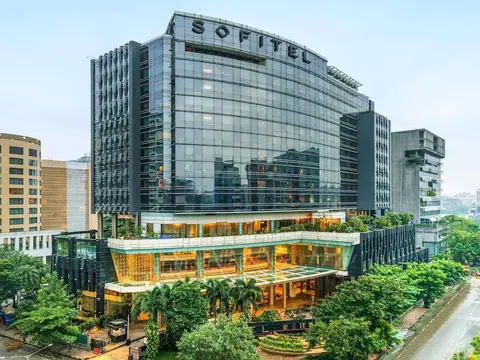
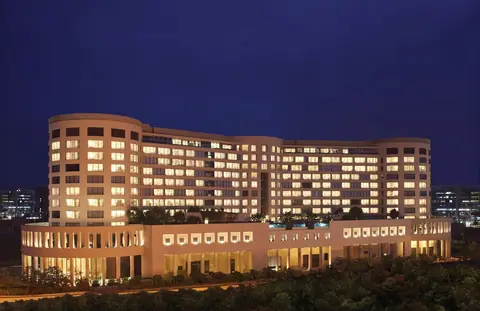
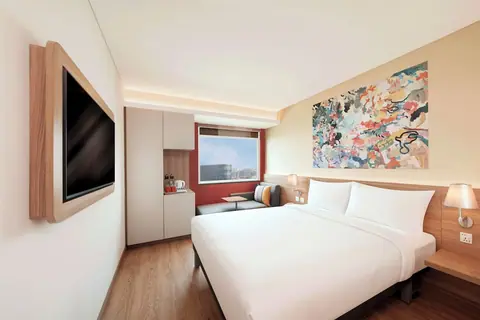
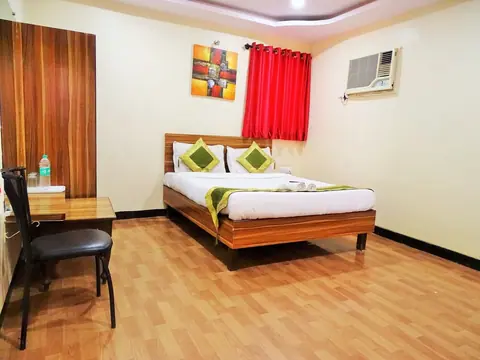
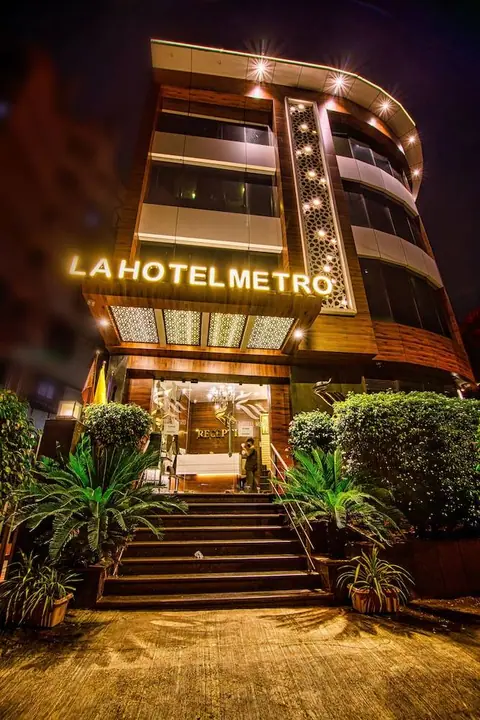
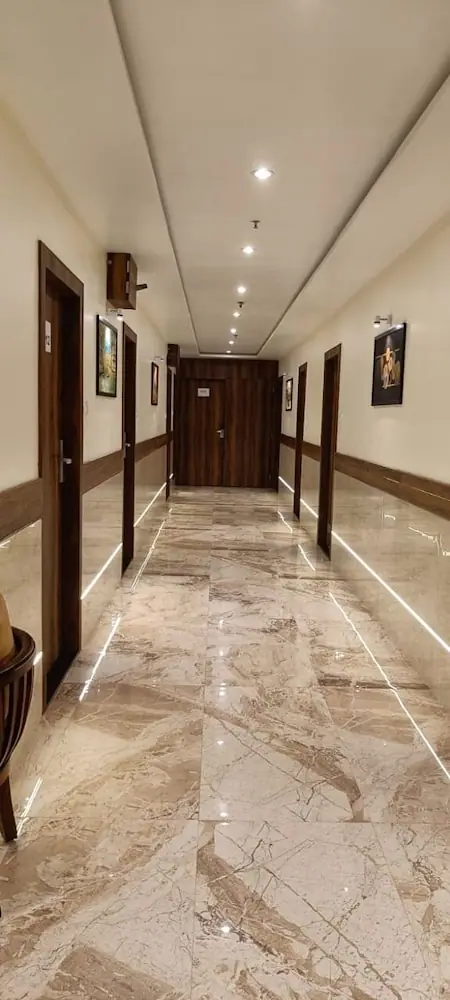
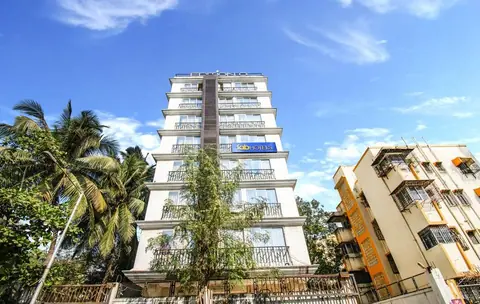
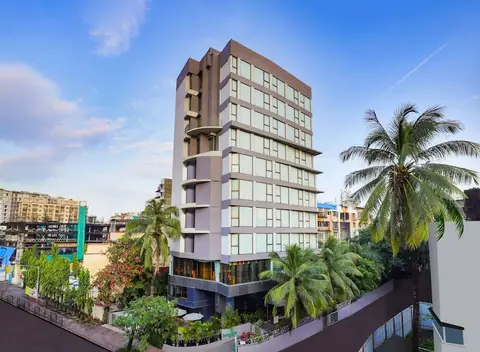
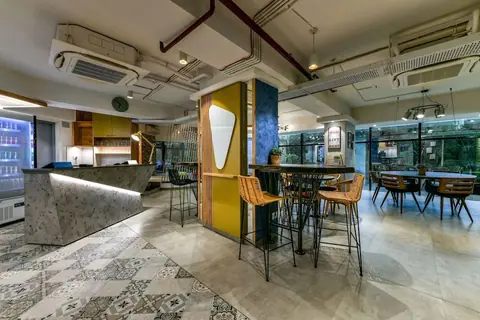
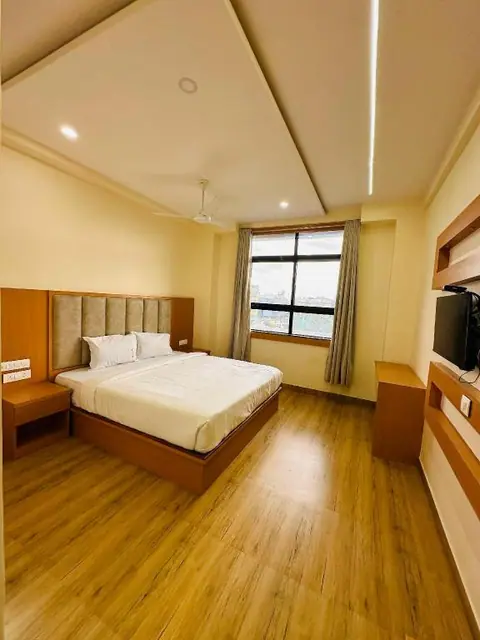
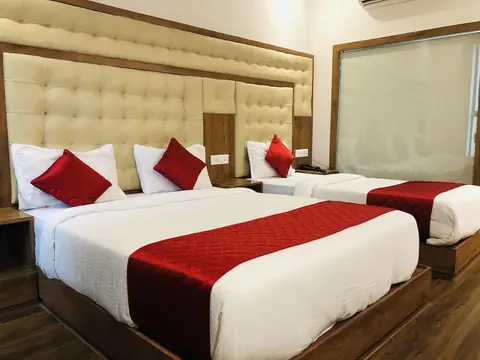
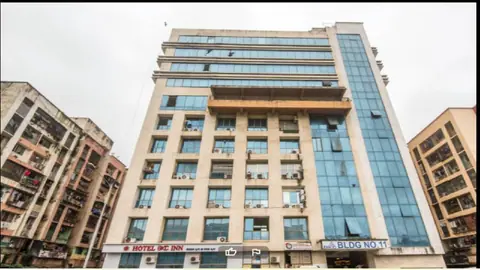
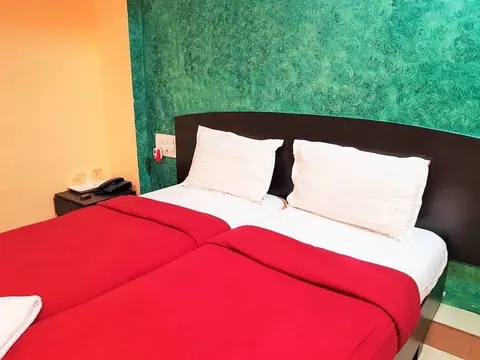
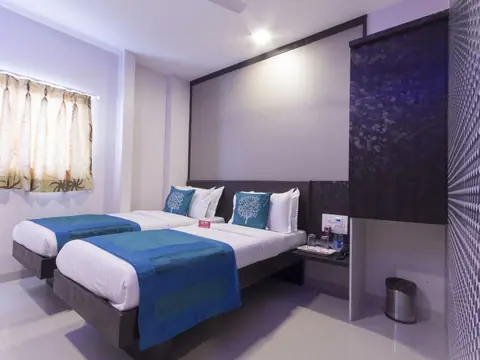
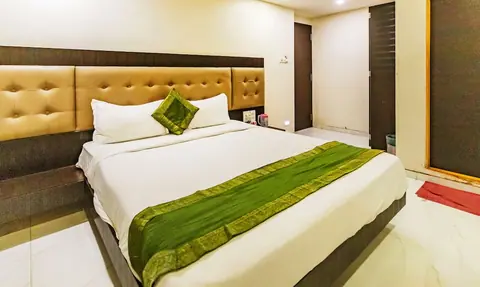
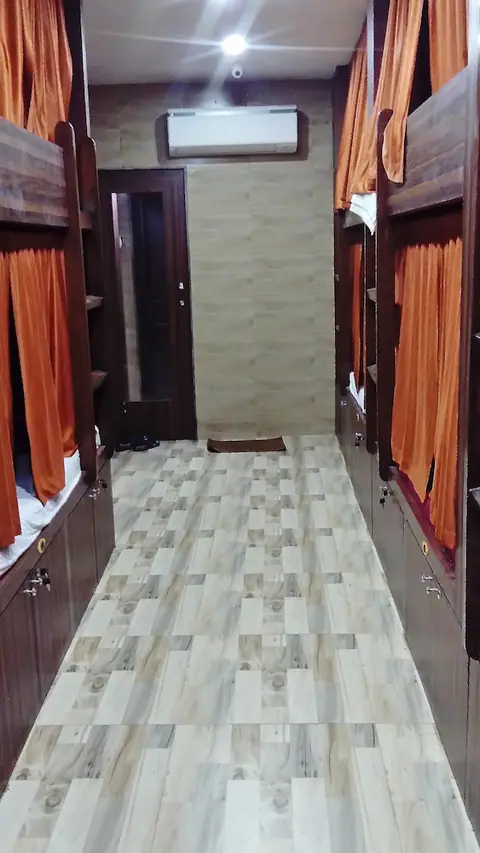
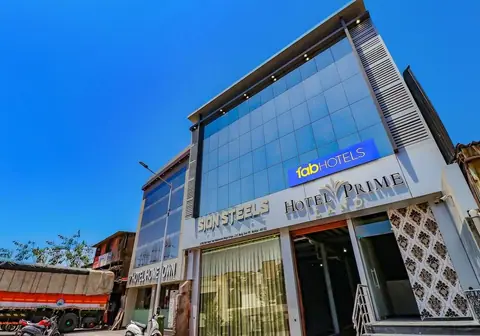
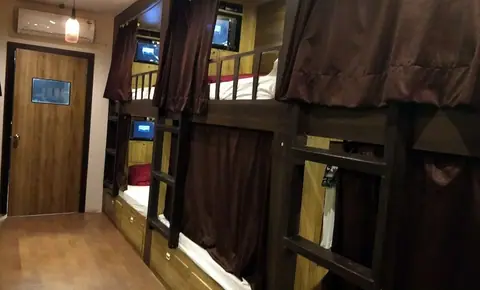
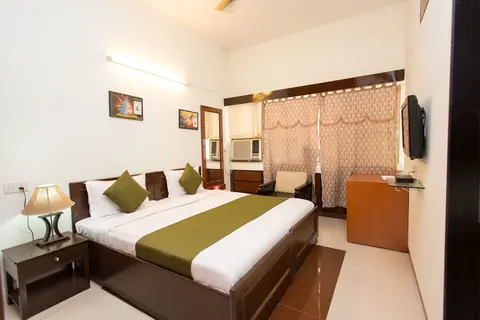
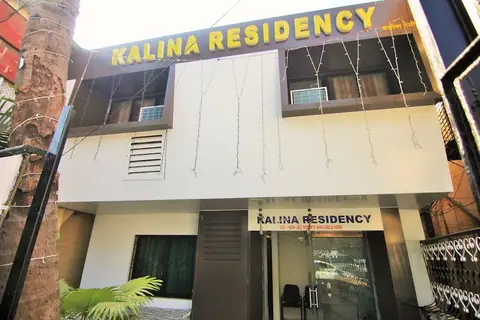
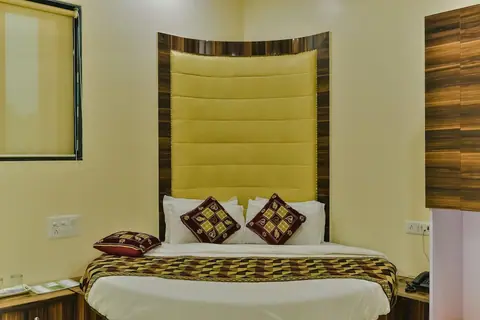
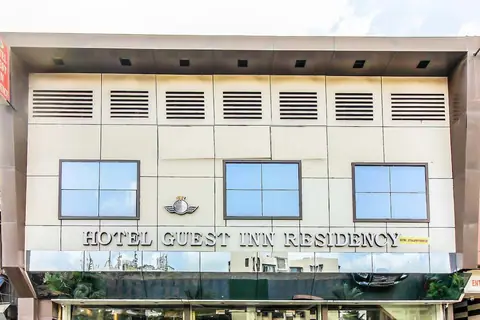
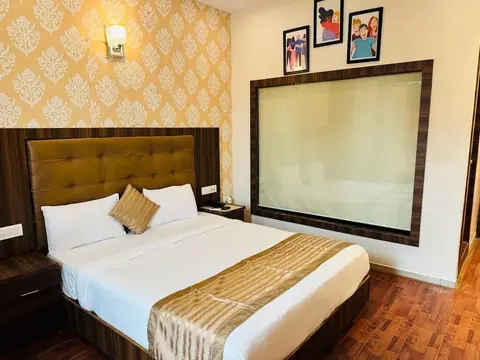
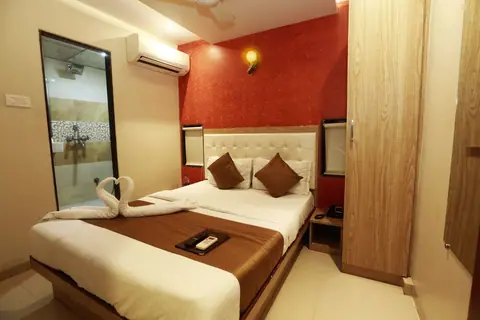
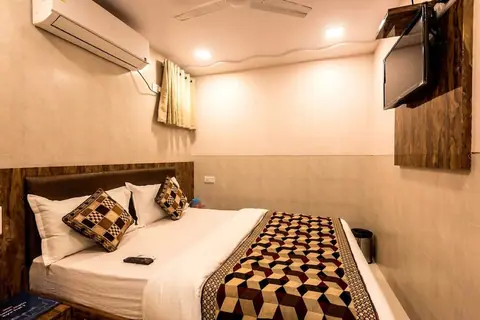
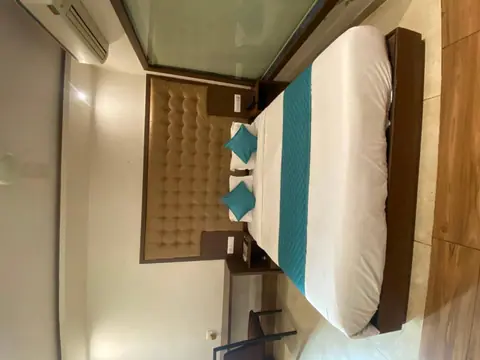
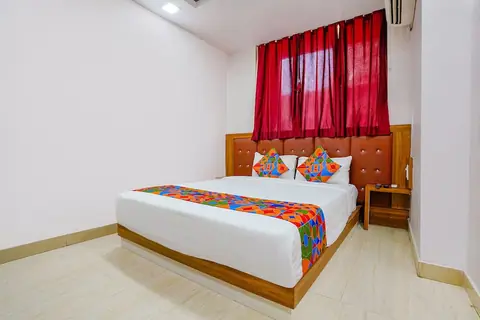
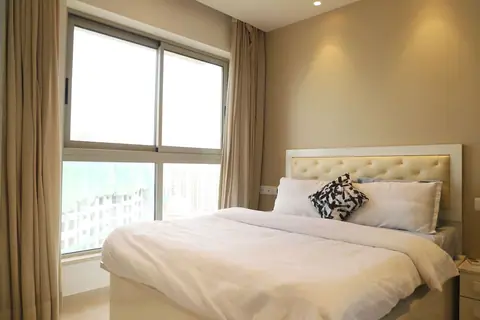
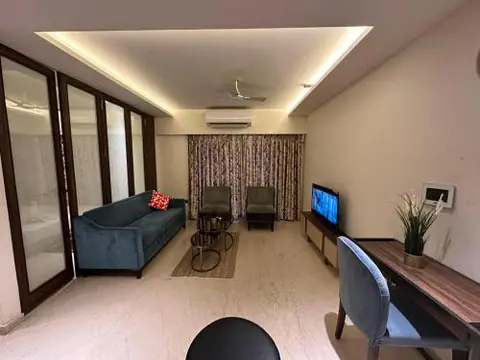
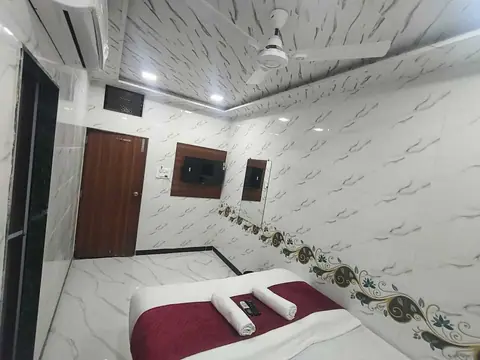
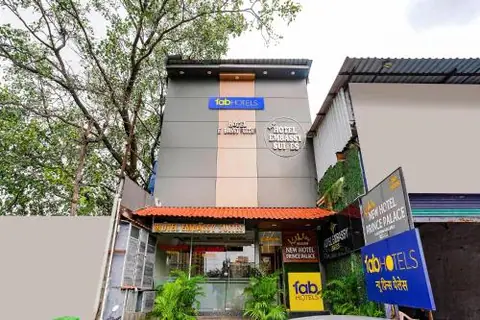
Stays here suit visitors who want newer rooms, quieter nights and easy road access to Bandra and the airport. Choose a place within walking distance of the metro or a short taxi ride from meals. For families, check room size and breakfast; for couples, check the ride to Bandra's evening streets. Confirm current facilities and cancellation terms before booking. The district is spread out, so look at the map rather than the postcode alone.
Editorial review: 16 November 2026 · imptmumbai.in, written with AI assistance (see the editorial policy).