- When
- March or April, dates change yearly
- Where
- Girgaon, Chowpatty, Dadar and Thane
- Gudi
- Silk cloth, neem, garlands, upturned pot
- On the plate
- Puran poli, modak and spring food
What Gudi Padwa Marks
Gudi Padwa falls on the first day of the Hindu lunar month of Chaitra, which usually places it in March or April. For Marathi households it marks the start of the new year and the beginning of spring. The date moves with the lunar calendar each year, so check the panchang or a local listing before you plan a morning in Girgaon. In Maharashtra the day is a public holiday, and the streets of the old city fill early.
The festival is also written as Gudhi Padwa in some listings, and the two spellings appear on the same street. Spring matters here: the mango trees, the first neem flowers and the warming sea air all belong to the day. Girgaon, the old Marathi heart of the island city, keeps the observance closely. Families clean the house, draw rangoli at the door and hang the gudi at a window or balcony before the sun is high.
Reading the Gudi
The gudi is a pole, a silk cloth, neem leaves and flowers, and an upturned pot at the top. Each part carries meaning: the silk stands for the new year's finery, the neem for health and the bitterness that spring brings with its sweetness, and the pot for a household that will not run dry. Gudis appear on balconies, window grills and shopfronts across Girgaon, in matching sets or in whatever cloth the family favours.
Walk the lanes off Girgaon's main roads early and look up. The upper floors of the old wadas and the newer chawls carry the best examples, and the morning light catches the silk. Residents live in these buildings, so keep to the street, ask before photographing a doorway and keep voices low. If you are staying nearby, a balcony view of the lane below is worth as much as any procession.
- A silk cloth tied at the top, often bright green or saffron.
- Neem leaves and small flowers tucked into the cloth.
- An upturned pot crowning the pole above the silk.
- A string of decorations or a garland hanging down the side.
- A quiet lane where several gudis are visible in one view.
The Morning Processions
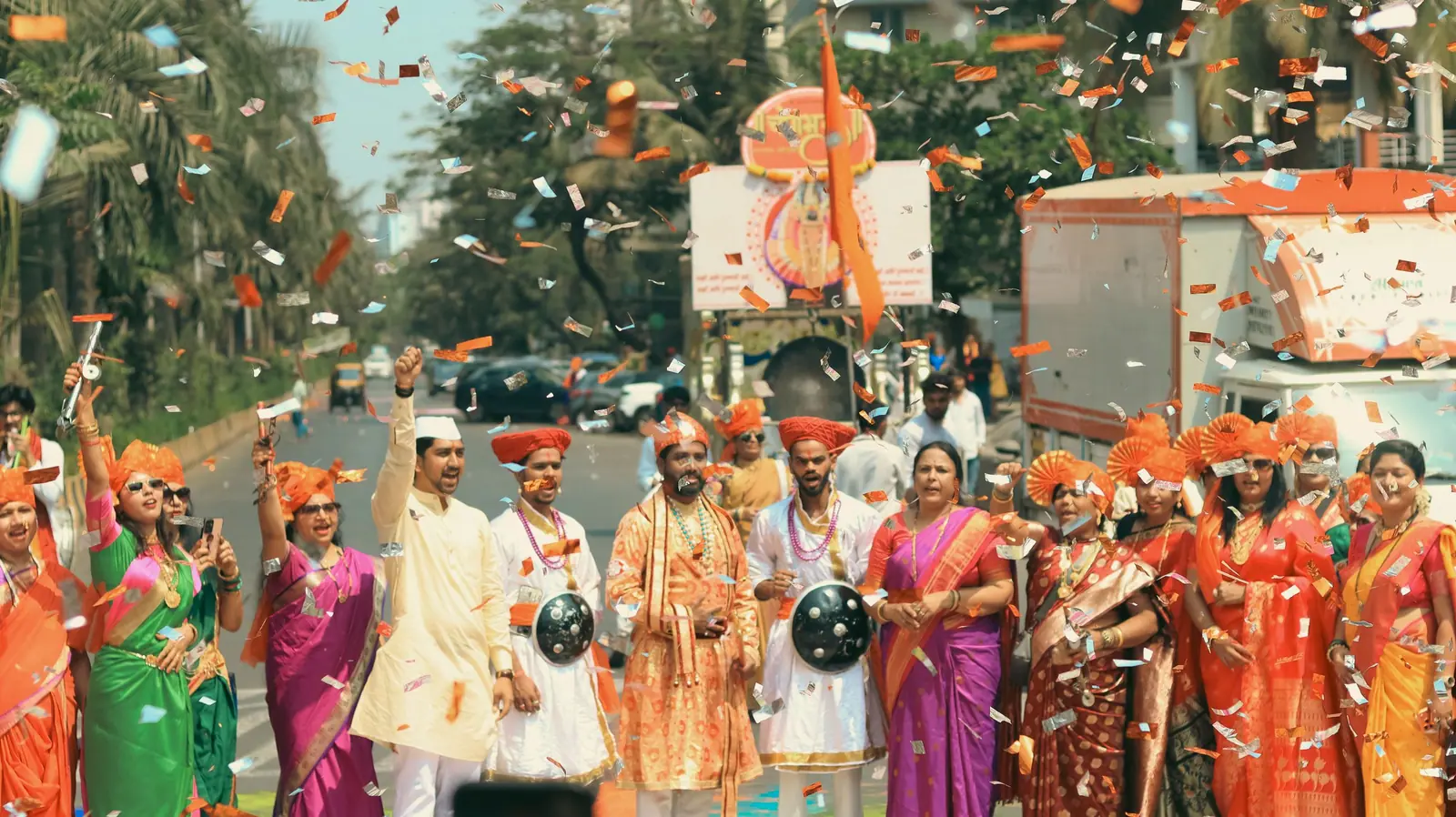
Shobha yatras, the morning processions, set out through Girgaon on Gudi Padwa. Groups walk with drums, banners and traditional dress, and the route passes the lanes that have carried them for years. The mood is celebratory and local rather than staged: families join in behind the processions, and the pavements fill with people who have stepped out from their buildings. Girgaon, Dadar and Thane all hold processions, so you can choose the one nearest your stay.
Go early. The processions are a morning affair, and the light and the crowds are kinder before the heat builds. Stand to one side of the lane rather than in it, and let the walkers pass. Drums are loud and close, which unsettles small children and animals, so keep a little distance. After the procession passes, the neighbourhood returns to its ordinary rhythm and the food stalls take over for the rest of the day.
- Drums and banners that mark the front of each group.
- Families walking together, often three generations in one line.
- Doorways and shopfronts marked with rangoli and flowers.
- Nauvari saris and traditional dress worn by many participants.
Food of the New Year
Gudi Padwa food is spring food. Puran poli, a sweet flatbread stuffed with jaggery and gram, is the day's best-known dish, and it appears on family tables and in sweet shops across Girgaon. Ukadiche modak, the steamed rice-flour dumpling with coconut and jaggery, belongs to Ganesh Chaturthi but is made in many homes here too. Neem flowers, bitter and brief, are eaten in a small preparation at the start of the meal.
Elsewhere on the plate: shrikhand, karanji and the usual Mumbai street food, which carries on all day. Girgaon's lanes have vada pav, misal pav, kanda poha and cutting chai within a few steps of each other, and the festival adds a queue rather than a new menu. Families often cook at home and visit relatives, so the busiest food streets are the ones near the temples and the seafront, where Girgaon meets Chowpatty.
Sweet shops and stalls around the temples do brisk business on the day, and many sell puran poli by the piece from early morning. If a family invites you in, expect a plate rather than a snack: puran poli, a little rice, a spoon of shrikhand, something fried at the edge and a glass of water before you are asked to eat more. Take what is offered, and finish with chai.
- Puran poli: sweet flatbread with jaggery and gram, the day's staple.
- Karanji: a fried crescent pastry filled with coconut and jaggery.
- Shrikhand: saffron-scented strained yogurt, served cold with puri.
- Ukadiche modak: steamed rice-flour dumpling with coconut and jaggery.
- Cutting chai: half a glass, taken at a stall between lanes.
Etiquette for Visitors
Girgaon is a lived-in neighbourhood, not a set. The procession is a religious and community occasion, so dress modestly, keep to the edges and follow what the people around you are doing. Some households welcome a curious visitor at the door; others prefer to keep the morning private. Ask before photographing people, and never step inside a building or a courtyard without an invitation. Footwear comes off at temple steps, and the same courtesy applies at doorways where a family is setting out its gudi.
Mornings are cool and the walking is easy; by midday the heat and the crowds both build. Carry water, wear shoes that cope with uneven lanes and keep a little cash for tea and snacks. Book a place to stay well ahead if the festival falls on a weekend, because Girgaon and the neighbouring areas fill with family visits. Check with your hosts about the local route; the timing of processions is set each year.
Around Girgaon and Grant Road
Pair the festival with the neighbourhood's standing sights. Khotachiwadi, the heritage lane of wooden houses and verandas settled by East Indian families in the 19th century, is a short walk away; residents live there, so visit quietly and in the middle of the day. Mumba Devi Temple in Bhuleshwar gives the city its name, and the lanes around it are among the oldest in Mumbai. Girgaon Chowpatty is close at hand for a sea breeze after the morning.
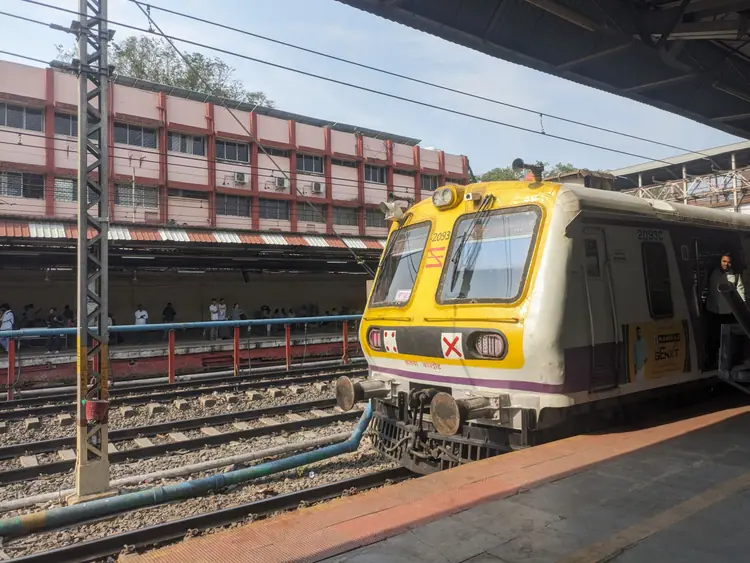
Grant Road and Charni Road are the Western line stations that serve the area, and metro lines now reach parts of south Mumbai. Traffic is light on a festival morning and heavy by noon. If you are coming from the suburbs, take the train and walk; parking in these lanes is difficult at the best of times. Check the current network before you set out, because new lines and stations keep opening.
Editorial review: 16 November 2026 · imptmumbai.in, written with AI assistance (see the editorial policy).