- Category
- Old-goods and antiques market
- Location
- Mutton Street, south Mumbai
- Nearest station
- Grant Road, about 1.2 km
- Quietest day
- Friday, when many shops close
What Chor Bazaar is
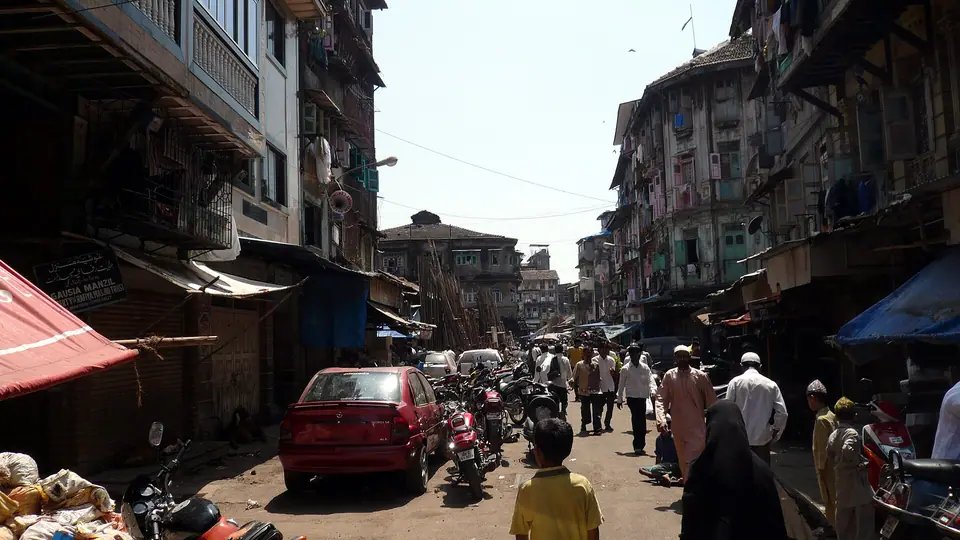
Chor Bazaar is Mumbai's old-goods market, a knot of lanes around Mutton Street in the dense quarter north of the old Fort, close to Mohammed Ali Road. Shops and stalls sell antiques, brassware, carved wooden furniture, old film posters, clocks, cameras and spare parts. Some pieces are genuinely old, some are reproductions, and much is plain salvage from a city that rarely throws anything away. The name translates roughly as thief market, and the story attached to it is that goods of uncertain ownership were once sold here.
The market belongs to the nineteenth-century city that spread north from the Fort, in a quarter of workshops, warehouses, timber yards and crowded tenements. It has long been a place where furniture, fittings and machine parts changed hands, and where a broken object could be repaired rather than replaced. That habit survives. A shop selling a gramophone may also have the horn, the needle and the polish, and the same lane may hold a specialist in bicycle hubs or hand-painted cinema signage.
What to see on Mutton Street
Mutton Street is the spine of the market, and it is narrow. Shopfronts open straight onto the lane, with stock stacked to the ceiling and spilling onto the pavement: brass lamps, copper pots, carved chests, enamel signs, typewriters, old telephones and rows of gramophone horns. Film material is a speciality, from lobby cards and hand-painted posters to old calendars and studio photographs. Between the antiques are the spare parts, the reason many Mumbaikars still come here: hubcaps, headlamps, hinges, handles and machine fittings.
Walk the whole street once before deciding on anything, and look up, because several shops keep their better stock on the first floor and in rooms behind. The lanes running off Mutton Street thin into workshops where repairs happen in the open. Ask before picking anything up, since piles are balanced and shopkeepers know where each piece sits. If a shop does not have what you want, the owner will often point to the lane that does.
- Old film posters, lobby cards and studio photographs, some of them hand-painted or touched up.
- Brass lamps, copper pots, door fittings and gramophone horns, in every state of polish.
- Carved wooden chests, frames and furniture, often salvaged from houses being cleared.
- Spare parts for cars, bicycles and sewing machines, stacked in the narrower side lanes.
How to get there
Grant Road and Mumbai Central, both on the Western line, are the closest suburban stations, about 1.2 km and 1.6 km away. From the Central line, Byculla and Sandhurst Road are a short cab ride. Black-and-yellow taxis and cabs booked by app serve this part of the island city; autorickshaws do not operate south of Bandra and Sion. Check the current metro network before you travel, as new lines and stations keep opening and one may bring you closer.
Traffic is the thing to plan around. The roads near Mohammed Ali Road and the lanes around Bhendi Bazaar are congested through most of the day, and Mutton Street itself is too narrow for a car. Ask to be dropped on Mohammed Ali Road or at the mouth of the lane and walk in. From the airport at Andheri East the straight-line distance is about 16.2 km, but the drive takes far longer in peak hours.
When to go and how long
Mornings are best. Most shops are open by mid-morning, the lanes are cooler and there is room to stand and look. Friday is the quietest day, when many shops close, so check before you go if that is your only free day. Saturdays and Sunday afternoons bring local browsers and the lanes fill up. Allow two to three hours for a proper look, and more if you are hunting for a particular part.
The dry months from November to February are the most comfortable for walking this part of the city. March to May is hot and humid, and the monsoon from June to September leaves the lanes wet and slippery, with dates that vary each year. Ramzan evenings on Mohammed Ali Road draw crowds for food; if a visit coincides with the month, check local listings for dates and plan around the evening rush.
Nearby sights
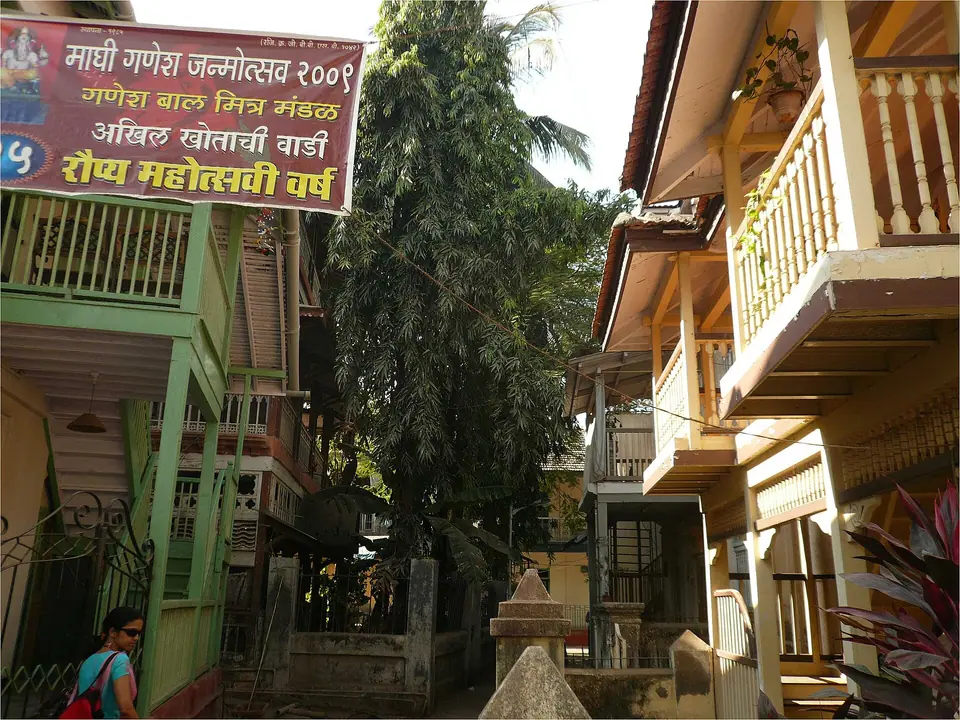
The market sits in one of the oldest parts of the city, so several sights are within walking distance. Crawford Market, properly the Mahatma Jyotiba Phule Mandai, was completed in 1869 and carries bas-reliefs by John Lockwood Kipling on its facade. Mumba Devi Temple in Bhuleshwar, the goddess from whom the city's name is traditionally derived, is a short walk north. Khotachiwadi in Girgaon, a heritage lane of wooden houses settled by East Indian families in the nineteenth century, is a little further west, and residents live there, so visit quietly.
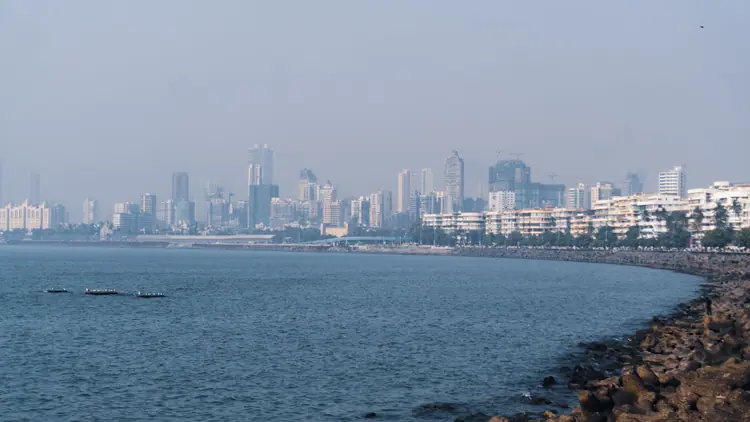
Food is part of the reason to come. Mohammed Ali Road is known for its Ramzan stalls and for sweets and kebabs through the year, and the lanes around Bhuleshwar are good for snacks and for the vegetarian Gujarati and Marwari cooking of the old city. Girgaon Chowpatty is a short ride away; swimming is unsafe there, especially in the monsoon. Marine Drive and the Fort heritage circuit are further south and reachable by taxi.
- Crawford Market, or Mahatma Jyotiba Phule Mandai, completed in 1869, with bas-reliefs by John Lockwood Kipling.
- Mumba Devi Temple in Bhuleshwar, the goddess from whom the city's name is traditionally derived.
- Khotachiwadi in Girgaon, a lane of wooden houses where residents live, so visit quietly.
- Girgaon Chowpatty, a short ride away; the sand is for walking, not for swimming.
Practical tips and where to stay
Dress with the neighbourhood in mind. This is a conservative quarter, with mosques and shrines close to the market, so covered shoulders and knees are the sensible choice for everyone. The lanes are crowded and there is little shade, so go early, carry water and keep bags in front of you. Photography is the delicate part: shopkeepers may refuse to have their stock photographed, and people in the lane should always be asked first.
Bargaining is expected on most goods, and it is done politely and slowly. UPI phone payments are everywhere and many shops take cards, but carrying some cash is sensible in the smaller lanes, so check what each shop accepts. Deliveries and shipping are usually arranged by the shop rather than carried home, and it is worth asking how that works before committing to a large piece. Never handle a fragile object without saying so first.
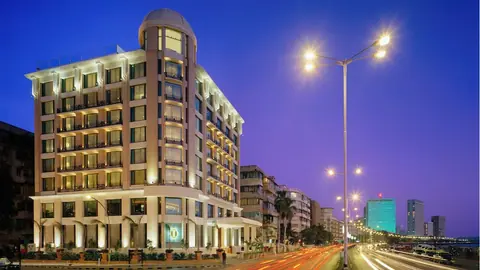
For a short stay, Girgaon and Grant Road put you within a walk of the market, with Charni Road and Marine Lines nearby for the sea front. Mumbai Central and Tardeo are slightly further out but well connected by train and taxi. Fort and Colaba, further south, suit a first visit built around the heritage buildings, while Bandra, across the suburbs, suits travellers who want the Western line and easier airport access.
Editorial review: 16 November 2026 · imptmumbai.in, written with AI assistance (see the editorial policy).