- Zone
- Thane and Mira Road, north Mumbai
- When to go
- November to February, cooler months
- Getting there
- Western and Central line trains
- Nearby park
- Sanjay Gandhi National Park
The character of the zone
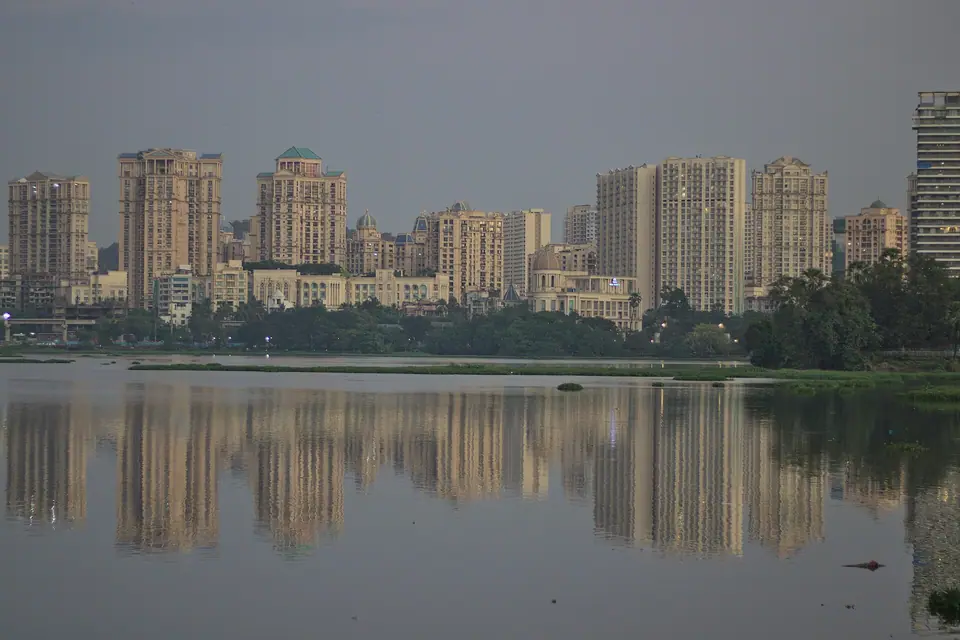
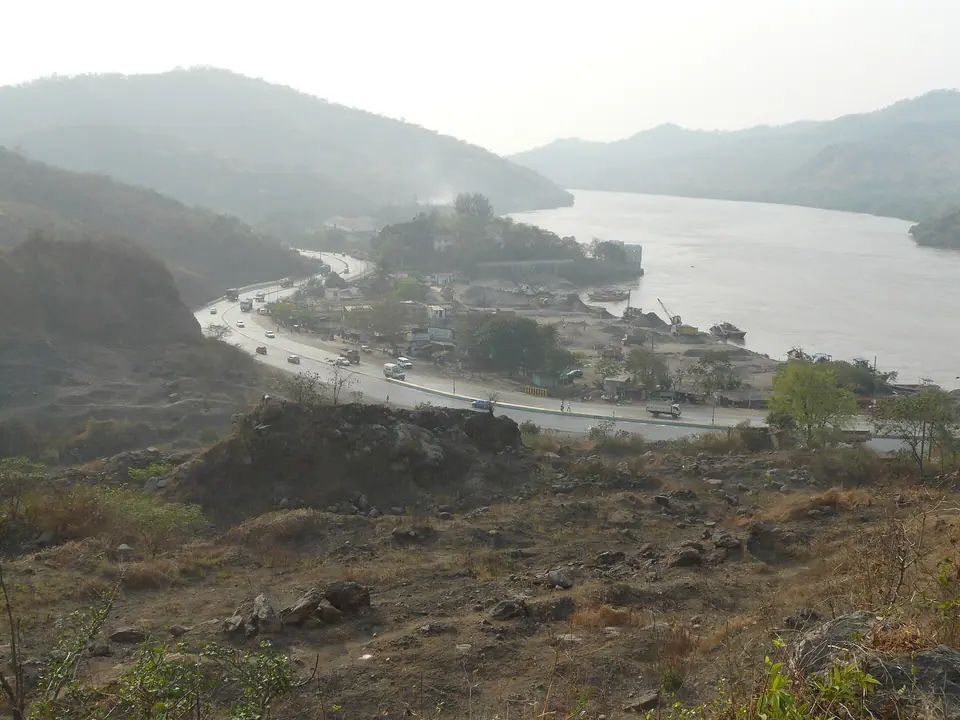
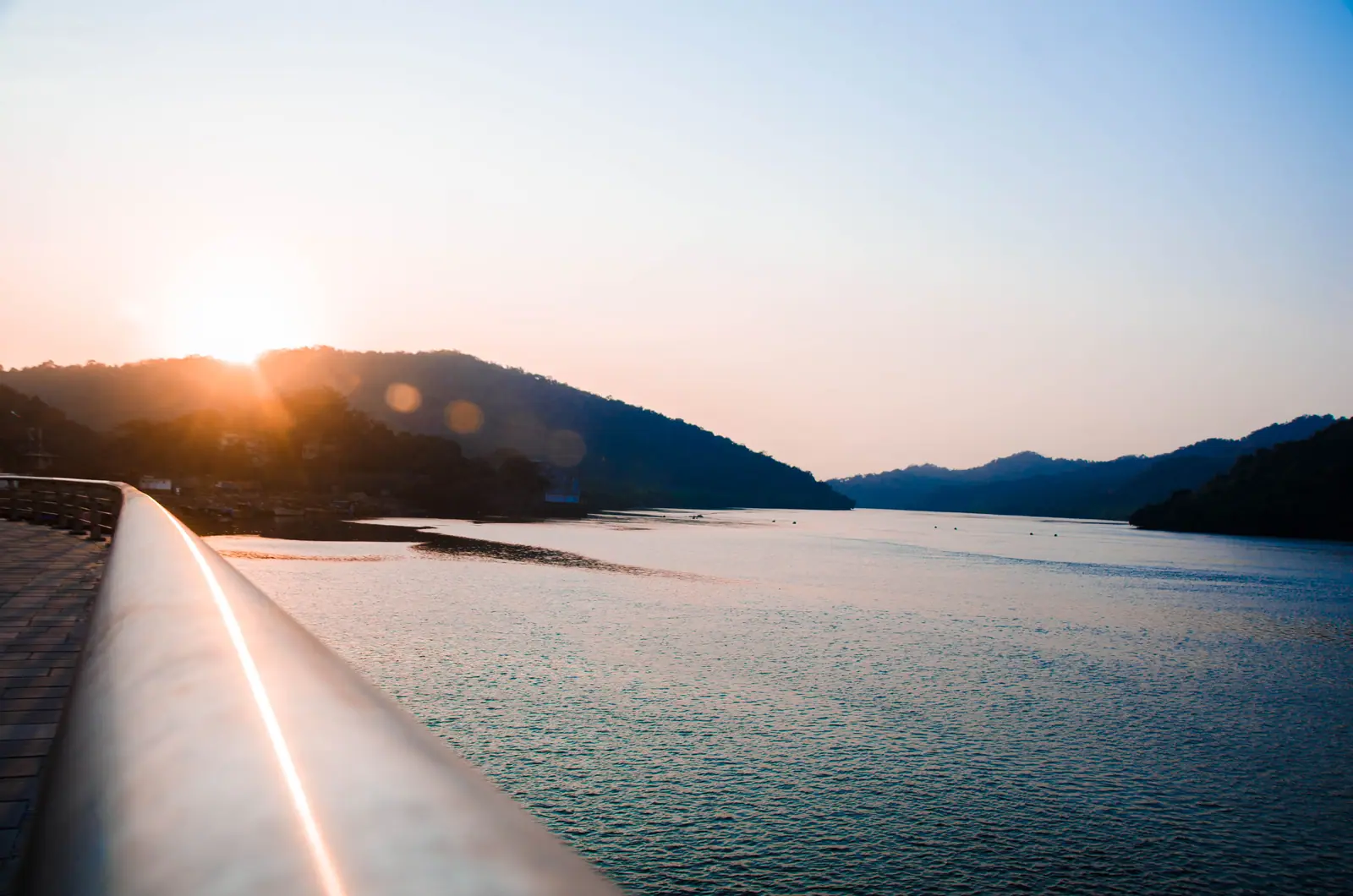
Thane lies north-east of the island city, at the head of a creek, and it earns its name as the lake city: Upvan Lake and Masunda Lake sit inside the town, ringed by walking paths, old trees and small shrines. The pace is slower than on the island. Families walk the tank edges in the evening, and the wooded hills of Sanjay Gandhi National Park rise along the western side. Mira Road, further north beyond Dahisar, is newer and flatter, a stretch of the Western line that many visitors only pass through.
Both places sit outside the usual first-visit circuit, which shapes what they offer. Thane has a creek waterfront, a long civic history and a strong Marathi cultural life; Gudi Padwa brings morning processions through the town, as it does in Girgaon and Dadar. Mira Road is younger, with a mixed population and a busy station on the Western line. The result is a zone of everyday Mumbai rather than set-piece sights: markets, temple courtyards, lake paths and long residential roads.
Thane was a separate city long before the suburbs reached it, and it still keeps a civic identity of its own, with a strong sense of local pride. The creek, the lakes and the hills give it a shape that the flat island city lacks. Mira Road grew later, as the Western line pushed north and the land between Dahisar and Bhayandar filled in. The two are neighbours on a map but not on the railway, and that distance shapes how each is used.
How the neighbourhoods differ
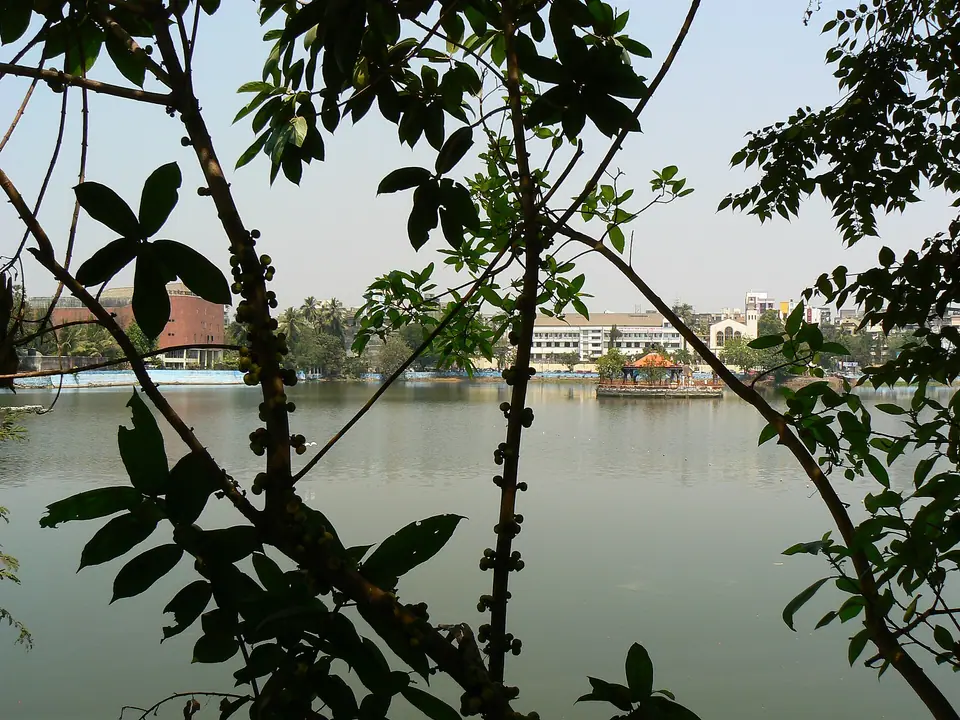
Thane town is the settled core. Masunda Lake, also called Talao Pali, has a small island temple reached by a short causeway, and Upvan Lake, below the Yeoor hills, draws morning walkers and evening crowds. Ghodbunder Road runs north from the town along the foot of the national park, where newer buildings face green slopes. Mira Road sits beyond Dahisar on the Western line, on flatter ground, and feels closer to the suburbs than to the lake city.
The three areas answer different questions. Thane suits a slow day of lakes, temples and market streets, most of it walkable around the station area. Ghodbunder Road is car country: spread out, greener, and useful for the road across to Mira Road and the coast beyond. Mira Road is the practical northern edge, used for an early start towards the park, the airport side or the highways that leave the city.
- Thane: the lake city itself, with Masunda and Upvan lakes, temple streets and a busy station on the Central line.
- Ghodbunder Road: Thane's newer north, running along the hills of the national park towards Mira Road.
- Mira Road: the northern edge beyond Dahisar, on the Western line, with its own station.
Getting around and distances
Thane is served by the Central line, with fast and slow trains from CSMT and Dadar, and by long-distance services at the station. Mira Road sits on the Western line beyond Borivali and Dahisar, so the two halves of this zone are not on the same railway; a journey between them means changing at Dadar or taking the road across Ghodbunder. Timetables, platform numbers and the mix of fast and slow services change, so check before you go.
On the ground, Thane town is walkable in the older parts, with autos and buses filling the gaps; autos are the norm in the suburbs and in Mira Road, but they do not run in the island city south of Bandra and Sion. Distances here are large by Mumbai standards, and traffic on Ghodbunder Road and the Western Express Highway can add a lot to any journey. Allow more time than the map suggests, especially in the monsoon.
Sights, lakes and the park
The main draw is water and green space. Masunda Lake has a walkway, a small island temple and boats on the water in the evening; Upvan Lake is quieter, set against the Yeoor hills, and busy at dawn with walkers. Sanjay Gandhi National Park, at Borivali, is the largest green area in the city's northern limits, with the Kanheri caves cut into the rock between the first century BCE and the tenth century CE, and the Tulsi and Vihar lakes inside.
In Thane itself, the streets behind the station hold temples, markets and lanes of older houses, and the creek waterfront is good for an evening walk. Mira Road has fewer set pieces; its interest lies in the edge of the city, the light over the water and easy reach of the park and the northern beaches. Both places reward a visit where you watch how the city works rather than ticking off monuments.
- Sanjay Gandhi National Park, Borivali: a large protected forest, with the Kanheri caves and two lakes inside.
- Masunda Lake, Thane: a walkway, an island temple and boats, busiest towards evening.
- Upvan Lake, Thane: quieter water below the Yeoor hills, popular with morning walkers.
- Thane Creek Flamingo Sanctuary: flamingos are usually seen between November and May, so check before you go.
Who should stay, and practical points
Thane suits families and slower travellers who want lakes, markets and a base with its own character, and who do not mind a longer ride to the island's sights. It also works for a stop before heading further into Maharashtra by train. Mira Road suits visitors with an early flight from the airport side, or those heading north out of the city by road. Neither is a natural base for a first visit of two or three days.
Practical points: the dry months from November to February are the easiest, while March to May is hot and humid and the monsoon from June to late September brings flooding on low roads and slows the trains. Carry cash as well as a phone payment app, since small shops and stalls may take only one. Temple visits call for covered shoulders and shoes left outside. The park and the lakes are busiest at weekends and on public holidays.
Food is a good reason to come north. Thane has a strong Maharashtrian streak: misal pav, kanda poha, thalipeeth and sabudana khichdi appear on ordinary menus, along with the vada pav and pav bhaji found everywhere. Konkan and Malvani seafood is easy to find near the creeks. Mira Road adds a broad mix of Gujarati, north Indian and Indian Chinese cooking, reflecting the people who settled there. Cutting chai and bun maska remain the reliable pause anywhere in the zone.
Editorial review: 16 November 2026 · imptmumbai.in, written with AI assistance (see the editorial policy).