- Region
- Thane district, Maharashtra
- Rail access
- Western line, beyond Dahisar
- Airport distance
- 20.3 km from BOM
- Stays listed
- 31 on this site
How Mira Road Grew
Mira Road sits at the northern end of Mumbai's western suburbs, just beyond Dahisar on the Western line, in Thane district. Late in the twentieth century this was low, wet ground: salt pans, rice fields, fishing hamlets and mangrove creeks, with a village at the centre. Builders raised and filled much of that low land, and long rows of apartment towers replaced the fields. The result is a suburb with almost no colonial monuments and a great deal of ordinary city life, which is exactly what makes a few days here interesting.
The suburb keeps one foot in the water. Koli fishing families and the East Indian villages of the northern coast belong to its older story, and the tidal creek still sets the rhythm on the western side. Mira Road and its neighbour Bhayandar share a municipal corporation and one long main road. What you feel here is not heritage but routine: school uniforms at eight, queues at the station at nine, vegetable carts and snack stalls after dark, and the calm of a place that has no need to impress anyone.
A First Walk from the Station
Begin at Mira Road station and take any road that runs away from the tracks. Both sides of the line have a bazaar street: hardware shops, mobile repair stalls, tailors, fruit carts, sweet counters, a small temple at the end of a lane. Walk for an hour without a plan. The scale is human and the pace is local, and nobody will mistake you for anything other than a visitor, which is fine. This is a walk about how the edge of Mumbai works, not about monuments.
Late afternoon is the better time to set out. The heat eases, the carts come back, and the streets fill with people who are not in a hurry. For open sky, walk towards the creek side of the suburb, where lanes end in salt pans, mangrove scrub and shallow tidal water. Access paths move with the tide and the season, so ask locally before going far, keep to firm ground, and do not walk into mangrove mud on your own.
What to See and Do with Children
Mira Road has no museum, fort or ticketed monument of its own, and for a family staying a few nights that is not a problem. The day is built from small things: a temple courtyard, a vegetable market, a park, an hour at a snack cart. Children are welcome almost everywhere and are seldom the only ones in a room. Treat the suburb as a base and the wider city as a series of day trips down the line.
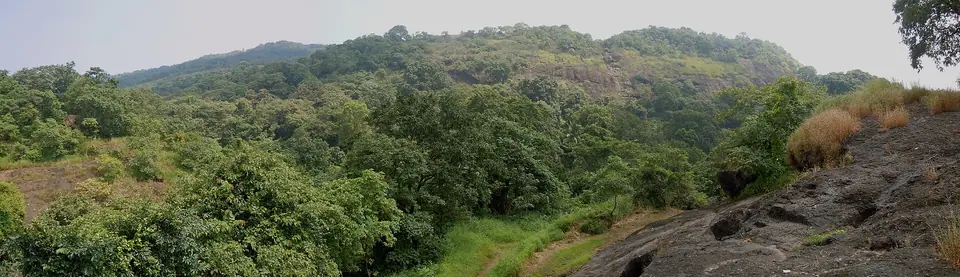
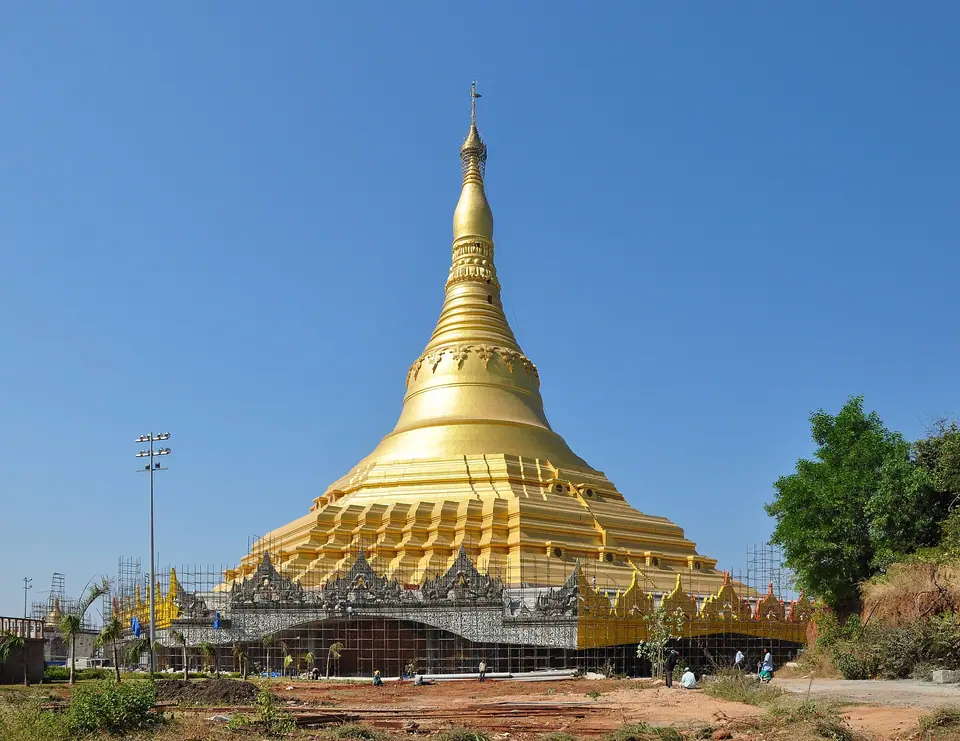
Borivali, a few stops south on the Western line, has Sanjay Gandhi National Park: about 100 sq km of protected forest inside the city's northern limits, with the Tulsi and Vihar lakes and the Buddhist Kanheri caves, cut between roughly the 1st century BCE and the 10th century CE. The Global Vipassana Pagoda at Gorai, inaugurated in 2009, is free to visit; check hours before you go. The northern beaches, among them Aksa, Madh, Marve and Gorai, are for looking rather than swimming, since swimming is unsafe at most of them, especially in the monsoon.
- Ride the Western line south to Borivali for the national park and the Kanheri caves.
- Visit the Global Vipassana Pagoda at Gorai; check hours before you go.
- Walk the bazaar streets after dark, when the snack carts and the fruit sellers return.
- Head to the creek side at low tide for open sky, keeping well clear of the mud.
Eating on Mira Road
The food is everyday Mumbai food, cooked for people who live nearby rather than for visitors. Expect vada pav, pav bhaji, misal pav, kanda poha, bhel puri, sev puri and ragda pattice from stalls and small counters, along with dabeli and the Bombay sandwich. Maharashtrian kitchens serve puran poli, thalipeeth and sabudana khichdi; Konkan and Malvani places cook bombil, surmai, pomfret, prawns and tisrya. Cutting chai, half a glass, is the standard order and the standard pause in the day.
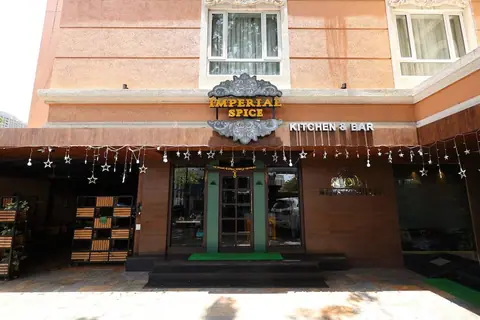
Look for the family-style vegetarian restaurants that open for lunch and again at eight, the seafood places that fill at weekends, and the sweet counters with kulfi and falooda. The East Indian community of the northern coast cooks with bottle masala, a spice blend made once a year and stored in bottles; fugias and sorpotel belong to feast days rather than everyday menus. Eat early or late to avoid the evening rush, and choose the counter with the fastest turnover and the longest local queue.
Getting There and Around
Chhatrapati Shivaji Maharaj International Airport (BOM) is about 20 km away in a straight line, though the drive can take far longer, so allow generously and check the route before setting out. Navi Mumbai International Airport, across Thane Creek near Panvel, opened in 2025 and is adding routes; check which airport your flight uses. Long-distance trains use Mumbai Central, Dadar, Bandra Terminus, CSMT and Lokmanya Tilak Terminus at Kurla, each a suburban ride away.
Mira Road has its own station on the Western line, which runs from Churchgate through Marine Lines, Mumbai Central, Dadar, Bandra, Andheri and Borivali. Trains are frequent and crowded, especially at peak hours; ladies' compartments and first class exist, and air-conditioned locals run on some routes. For the island city, the train is usually the quickest way in. South of Bandra and Sion there are no autorickshaws, so black-and-yellow taxis and app cabs take over there.
Locally, autorickshaws are the practical way to cover short distances, and they are common in the suburbs; app cabs work too. The metro is spreading northwards, with Line 1 between Versova, Andheri and Ghatkopar and Lines 2A and 7 in the western suburbs, but new lines and stations keep opening, so check the current network before you plan a journey around it. Carry some cash alongside UPI, since phone payments are widespread but not universal.
Where to Stay, and How to Choose
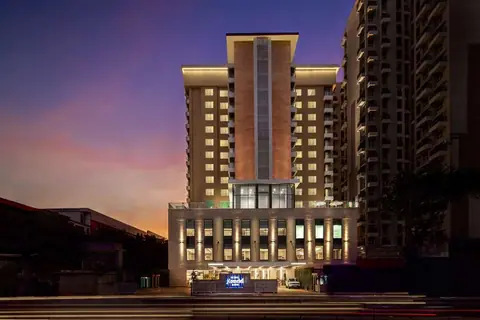
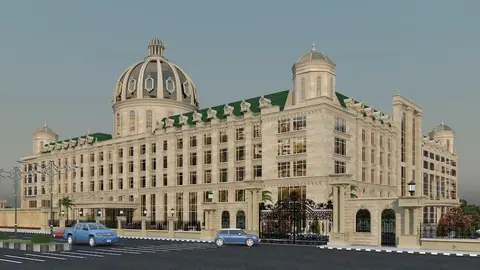
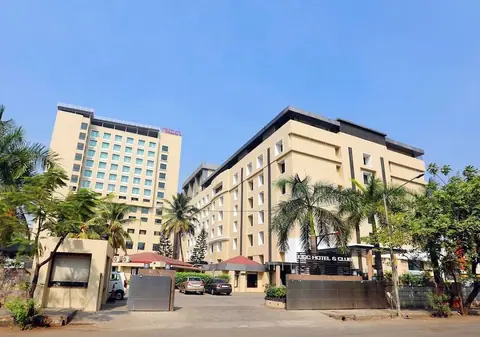
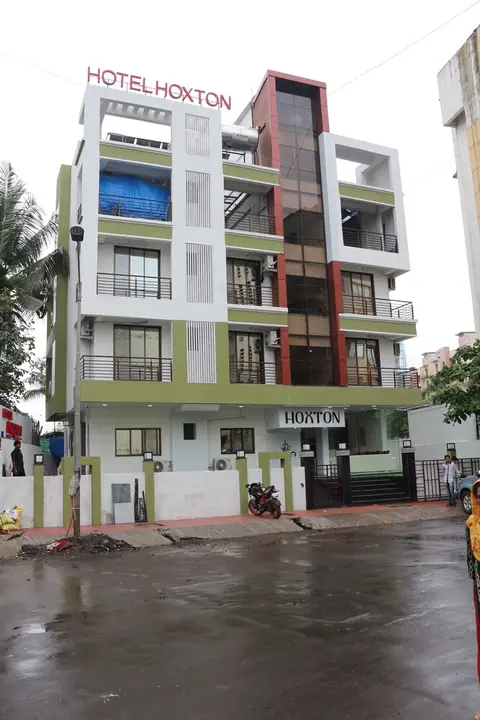
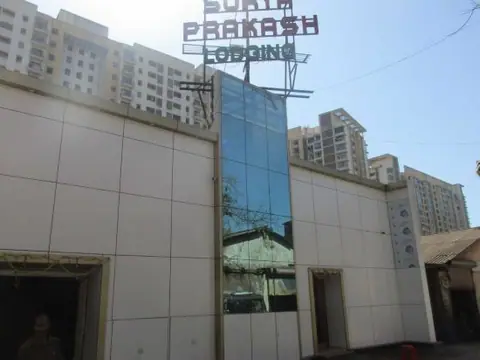
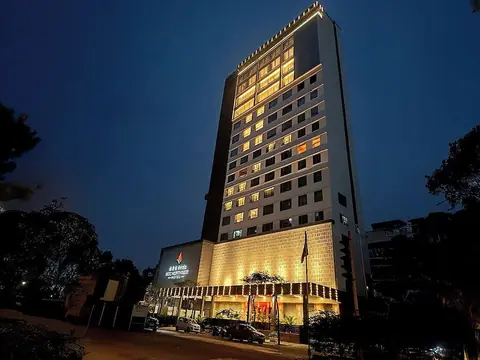
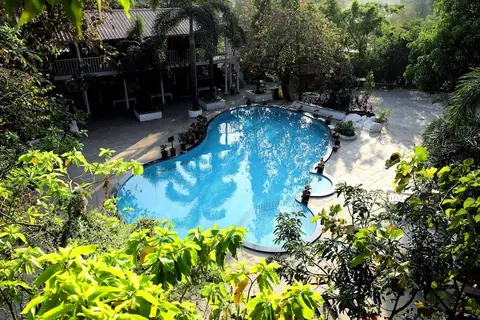
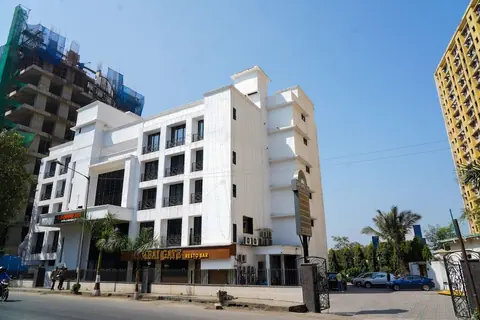
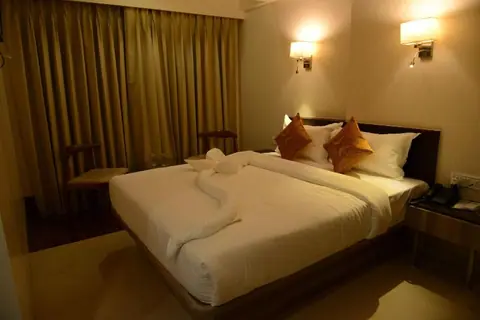
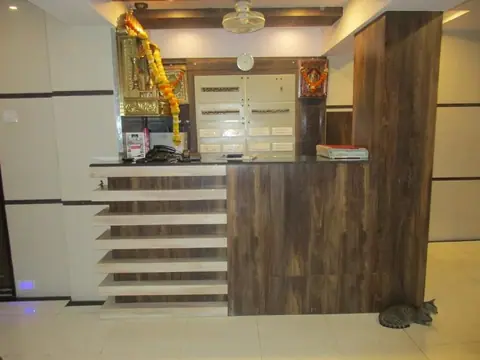
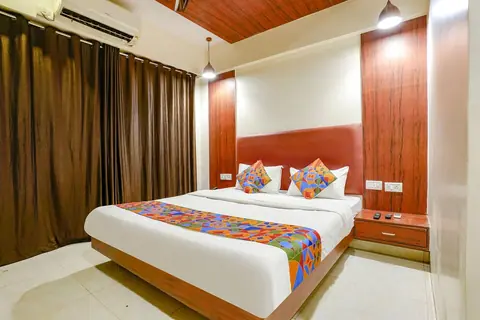
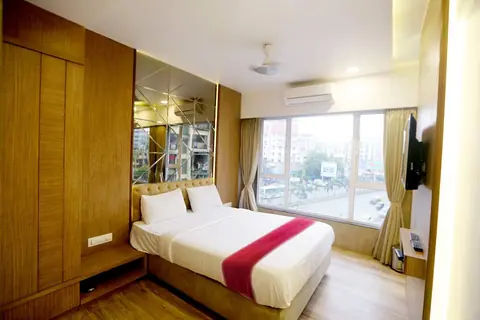
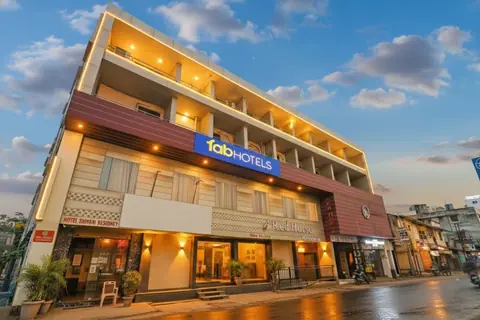
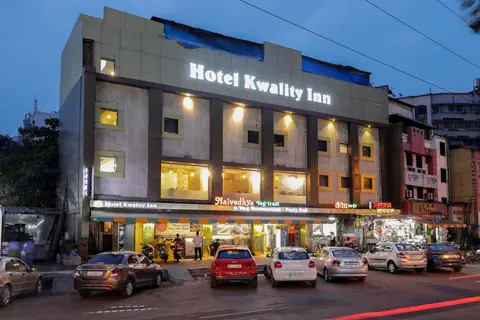
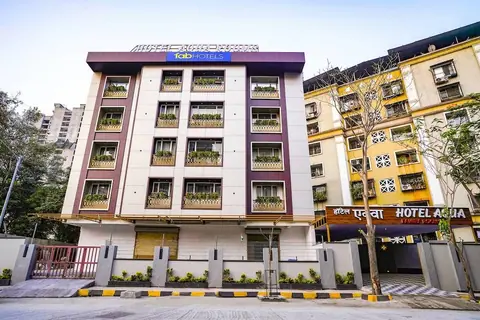
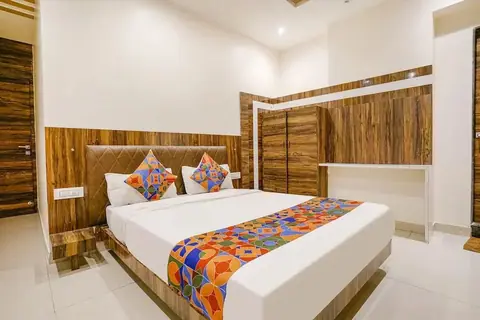
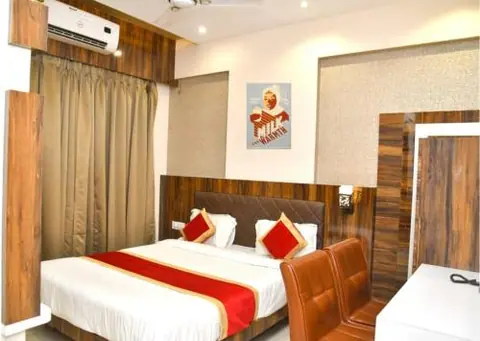
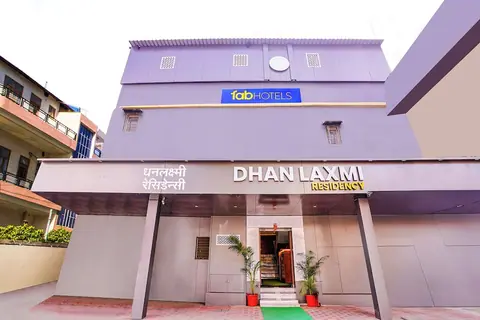
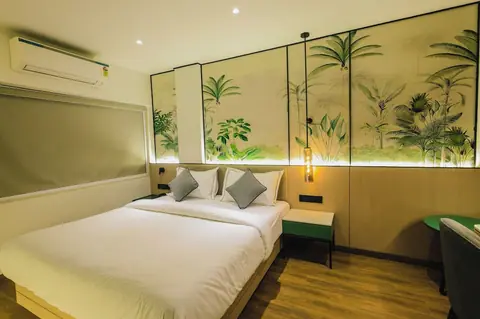
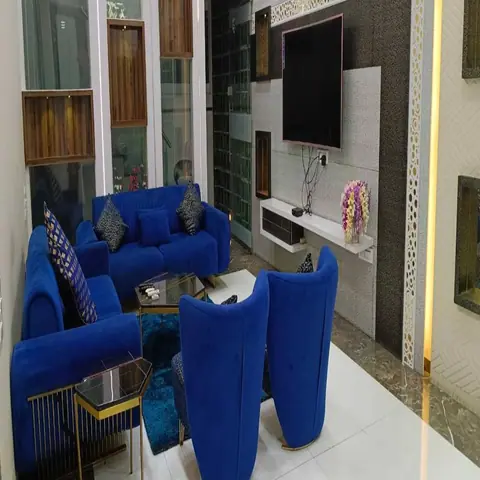
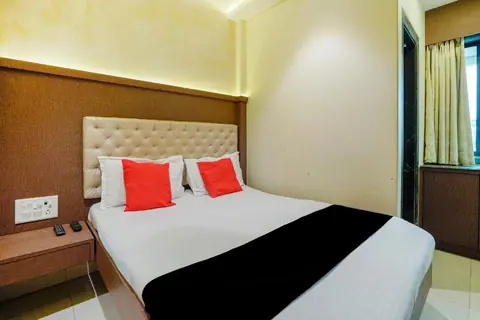
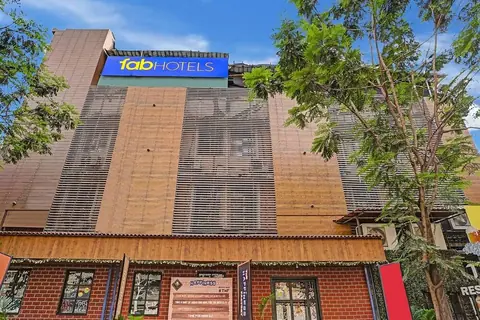
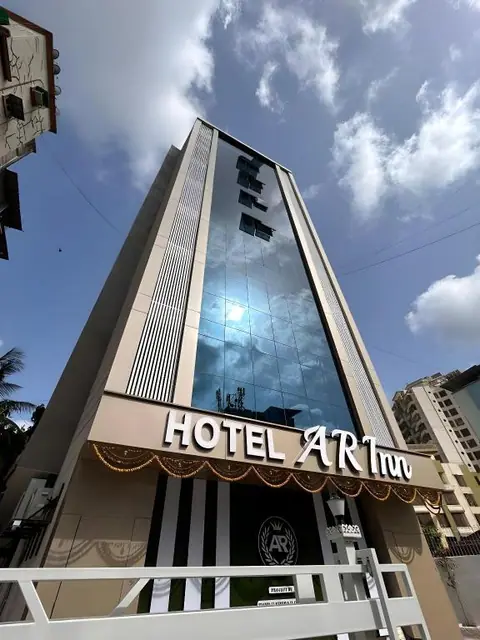
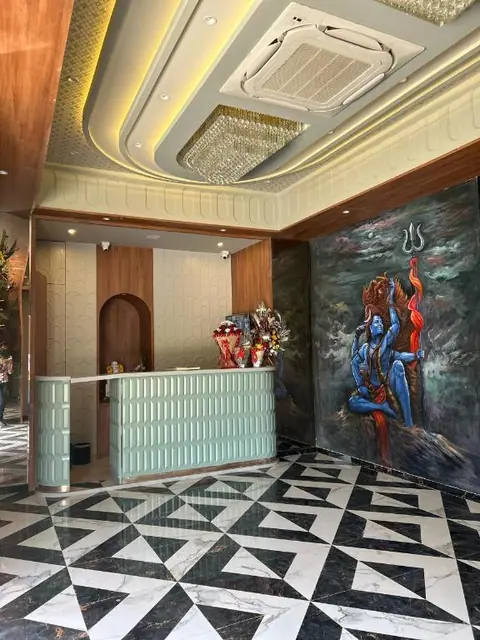
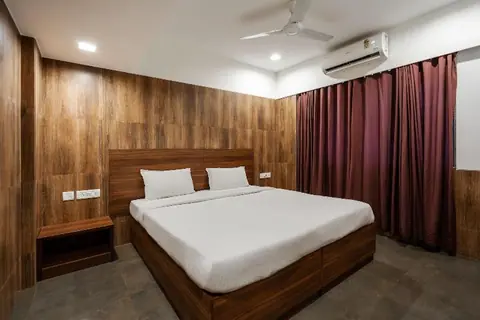
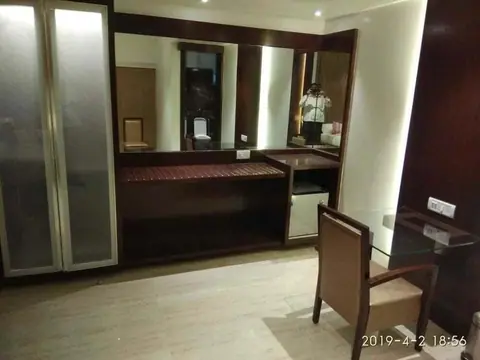
Stays here are mostly mid-range hotels, apartment hotels and guest houses serving people who need to be in this part of the city, not resort properties with a view. There are 31 places listed on this site. Choose by what your days look like: near the station if you will ride the Western line often, on a quiet lane if you are travelling with children, or away from the main road if you want to sleep past seven.
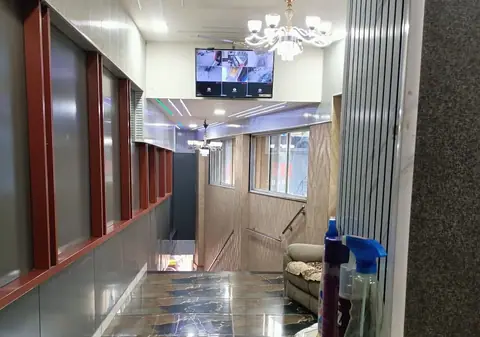
Ask for a room away from the main road, since traffic noise carries late, and confirm the practical things before booking: a lift if stairs are a problem, back-up power, hot water at all hours, air conditioning or a cooler, and the check-in time. If you plan to stay more than a few nights, ask whether a weekly rate applies. Book ahead around Ganesh Chaturthi, Diwali and Christmas, when families travel and rooms can be harder to find.
- Stay within walking distance of the station if most days will be spent down the Western line.
- Ask for a room set back from the main road, where traffic noise is less.
- Confirm the lift, back-up power and hot water before you book an older building.
- Ask about a weekly rate if the stay runs beyond a few nights.
Editorial review: 16 November 2026 · imptmumbai.in, written with AI assistance (see the editorial policy).