- District
- Thane, north Mumbai
- Airport
- About 20 km from BOM
- Best season
- November to February
- Character
- Forest edge, creek, new towers
Character and history
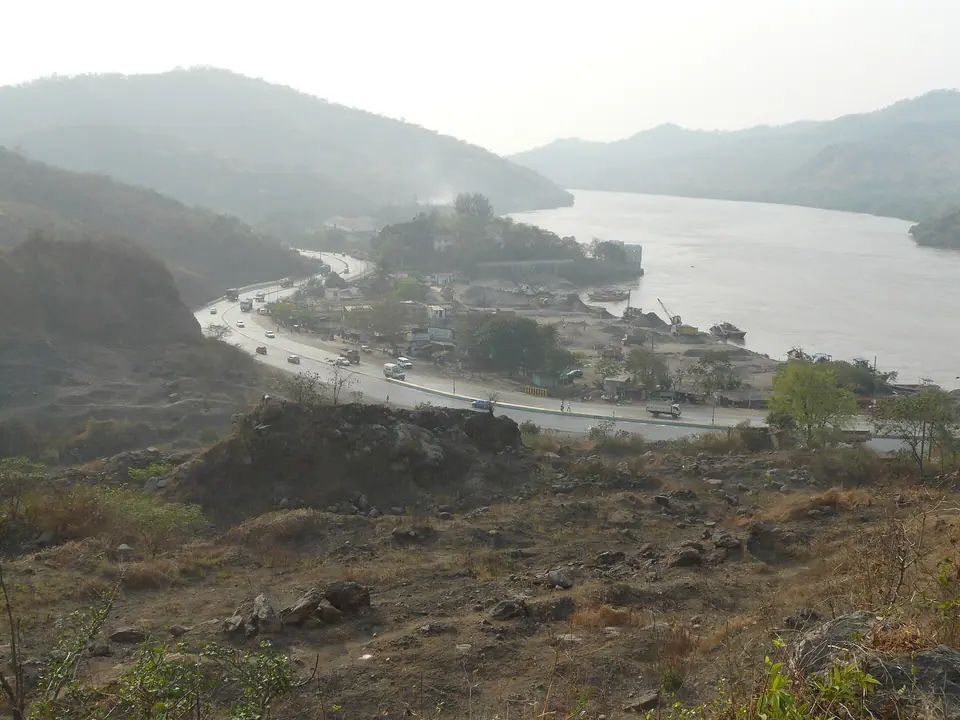
Ghodbunder Road runs west from the newer edge of Thane to Ghodbunder village on the Vasai creek, with the forested hills of Sanjay Gandhi National Park rising to the south. The name is traditionally explained by the horse trade: ghoda for horse, bandar for harbour, a place where animals were landed and sold. The Portuguese built a fort here beside the creek, and the Marathas took it in the eighteenth century.
Modern Ghodbunder Road is a long residential corridor, with apartment towers, schools, hospitals and shops thickest at the Thane end and older village lanes surviving near the water. It is not a district of monuments and museums. What brings visitors is the sense of standing at the city's edge, where national park, creek and new construction sit side by side. Traffic is constant, so the place rewards early mornings and a little planning. Weekday evenings are the worst of it.
A first walk
Walking the whole road is not realistic. It is a highway corridor, and the distance from one end to the other is long. Choose a stretch instead. At the Thane end, footpaths run past the tower complexes, and early morning belongs to walkers and joggers. Near Ghodbunder village the lanes narrow, houses sit behind walls, and the creek appears between buildings. Do the busy stretch early and the village lanes slowly, with time to look.
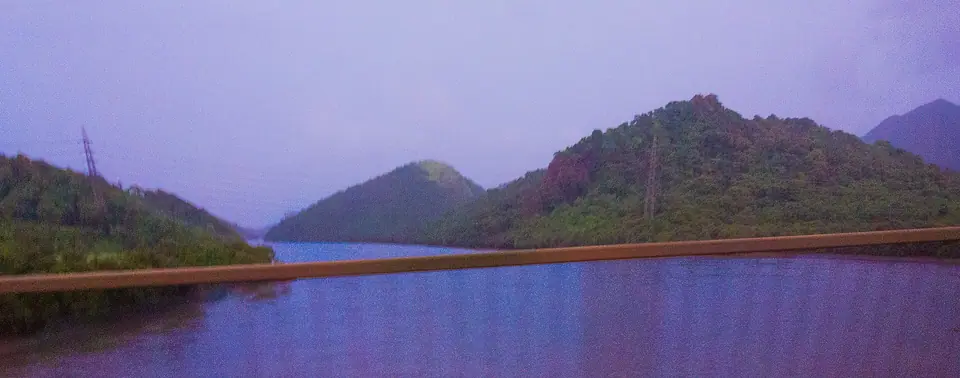
What you notice on foot: the hills change colour with the season, from parched brown in April to deep green after the rains. Kites and crows circle the towers, and parakeets are loud in the trees near the park edge. In the village, fishing boats lie on the mud at low tide, and salt and diesel drift in on the air. Evenings bring the traffic back and, over the creek, a wide sunset.
- Start at the Thane end before eight in the morning, when the footpaths are still cool.
- Carry water, because shops along the highway stretch are spaced out.
- Walk the Ghodbunder village lanes at low tide, when the boats lie grounded on the mud.
- Keep to the inside of the footpath on the highway stretch, since traffic turns in without warning.
What to see and do
The Portuguese fort at Ghodbunder is the area's one substantial historic site: stone ramparts, a gateway and bastions, later held by the Marathas, now weathered and partly overgrown. Access and the condition of the paths change, so ask locally before setting out and treat the walls with care. The creek beside the village is the other draw: fishing boats, tidal mudflats and a view across the water towards the Mira Road side. Come at low tide for the boats, at high tide for the water.
Children tend to enjoy the outdoors here more than any building. The northern hills of Sanjay Gandhi National Park lie close by, and the park arranges guided walks and nature activities at its entry points, with timings to check before you go. Elsewhere in the wider city, the Thane Creek Flamingo Sanctuary draws birders roughly from November to May, and Thane's lakes make easy half-day outings for families with small children.
- The fort walls at Ghodbunder, best seen in the dry season when the paths are firm.
- The creek edge at Ghodbunder village, where boats land and the tide sets the day.
- Forest birds along the park edge, especially early in the morning after the monsoon.
- Flamingos at the Thane Creek Flamingo Sanctuary, roughly November to May; check current access.
Eating on the road
The eating here is everyday rather than celebrated: family restaurants in the tower complexes, snack counters along the highway, vegetarian thali places, and bakeries selling bread and chai. Maharashtra's own food is the safest guide. Look for misal pav, kanda poha, thalipeeth, sabudana khichdi and puran poli, and for vada pav at any hour. Coastal kitchens serve bombil, surmai, pomfret and prawns, and Koli-style clam dishes appear in season. Portions are generous, and most kitchens will keep a dish mild for children.
Standards follow crowds. A place filling up with local families at lunchtime is a better bet than an empty one with a big sign. Mornings are for poha and cutting chai, evenings for pav bhaji, bhel puri and kulfi or falooda. During Ganesh Chaturthi, look for ukadiche modak; in the Parsi quarters of the wider city, dhansak and bun maska with chai belong to the older Bombay repertoire. Carry some cash alongside phone payments.
Getting there and around
Chhatrapati Shivaji Maharaj International Airport is about 20 km away in a straight line, and Navi Mumbai International Airport about 30 km; the road distance is longer in both cases, so allow for traffic. App cabs and the black-and-yellow taxis of the island city cover the run. Thane station, on the Central line, serves the corridor, with autorickshaws and cabs for the last stretch. Check current metro options, as lines keep opening.
Once here, plan on cabs or autorickshaws rather than walking between stops: the road is long and spread out, and the two ends feel like different places. City buses run along the corridor, with routes and stops to check locally. Peak hours are slow in both directions. If you are staying near the creek and eating near the towers, build the journey into the evening rather than treating it as a stroll. Late at night, book a cab and keep to the main road.
Practical tips and where to stay
The dry months from November to February are the most comfortable for walking and for creek views. March to May is hot and humid, and the south-west monsoon, roughly June to September, brings heavy rain, green hills and waterlogged roads; dates vary each year, so check before you go. Carry some cash alongside UPI, watch tide timings near the creek, ask before photographing fishing crews at work, and pack insect repellent after the rains.
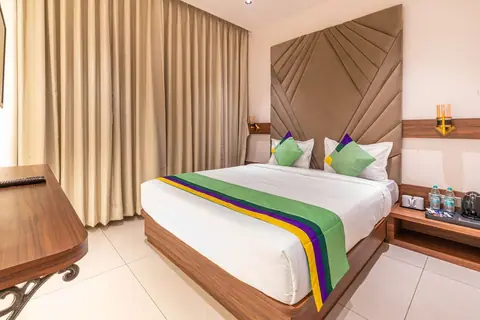
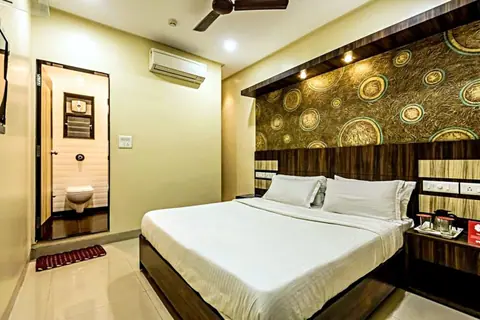
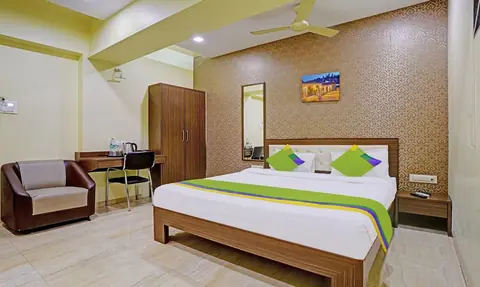
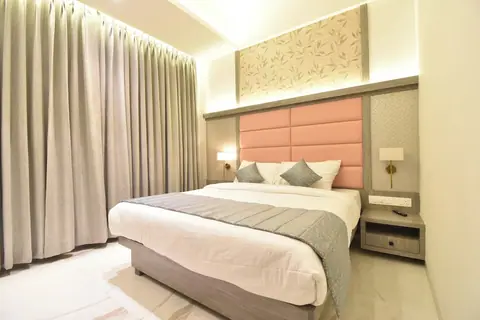
Stays cluster at the two ends: tower-side places near Thane's new edge, with shops and transport close by, and quieter options towards Ghodbunder village and the Mira Road side. Decide which matters more, convenience or forest air, then choose. Families often prefer the Thane end for space and easy meals, while walkers may prefer the creek. Ask about transfers and check current reviews before booking. Two or three nights suits the area better than a single one, since the road is slow.
Editorial review: 16 November 2026 · imptmumbai.in, written with AI assistance (see the editorial policy).