- Area
- Thane, north-east of Mumbai
- Airport distance
- About 15 km from BOM
- Lakes
- Upvan and Masunda
- Rail
- Central line from CSMT
Character and long history
Thane sits at the head of a creek on the north-east edge of Mumbai, and it was a working town long before the suburbs around it filled with towers. It grew as a port and market town on the water, trading with the coast and the interior. The first passenger train in India ran between Bombay and Thane in 1853, and the railway turned a creek-side town into a place people could live in and commute from. Old lanes and new apartment blocks now stand within sight of each other.
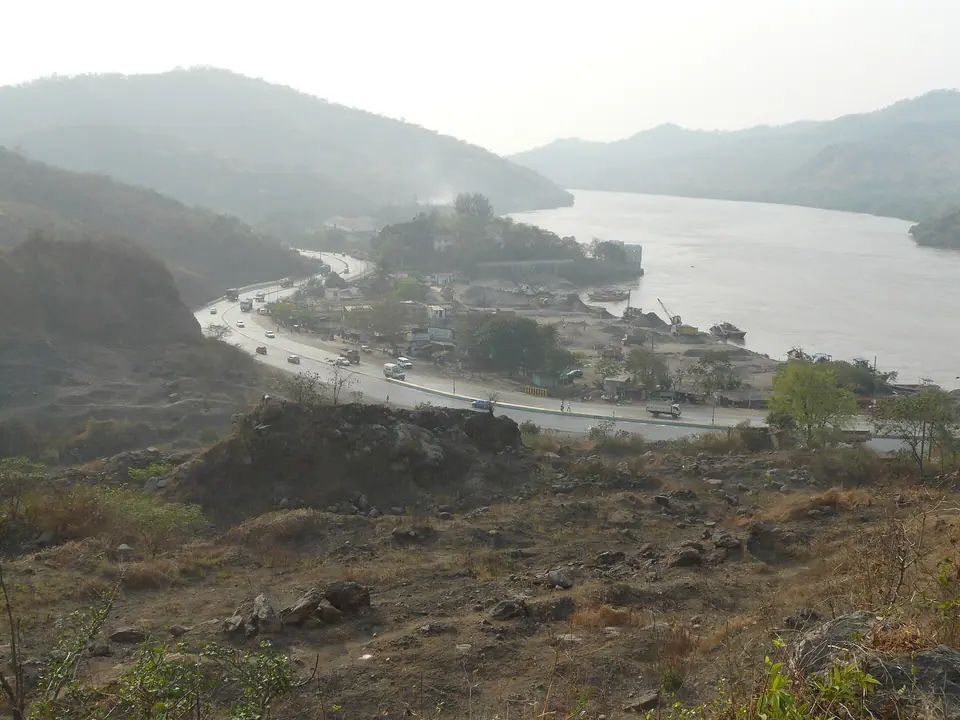
What a visitor notices first is the shape of the place: water at the centre, low hills behind, and a railway line cutting through. The city keeps a strong Marathi character, with families who have lived in the same lanes for generations beside newer arrivals from across the country. Mornings belong to walkers on the lake paths and to breakfast stalls. Evenings are for the promenades, when the heat lifts and whole families come out.
A first walk through Thane
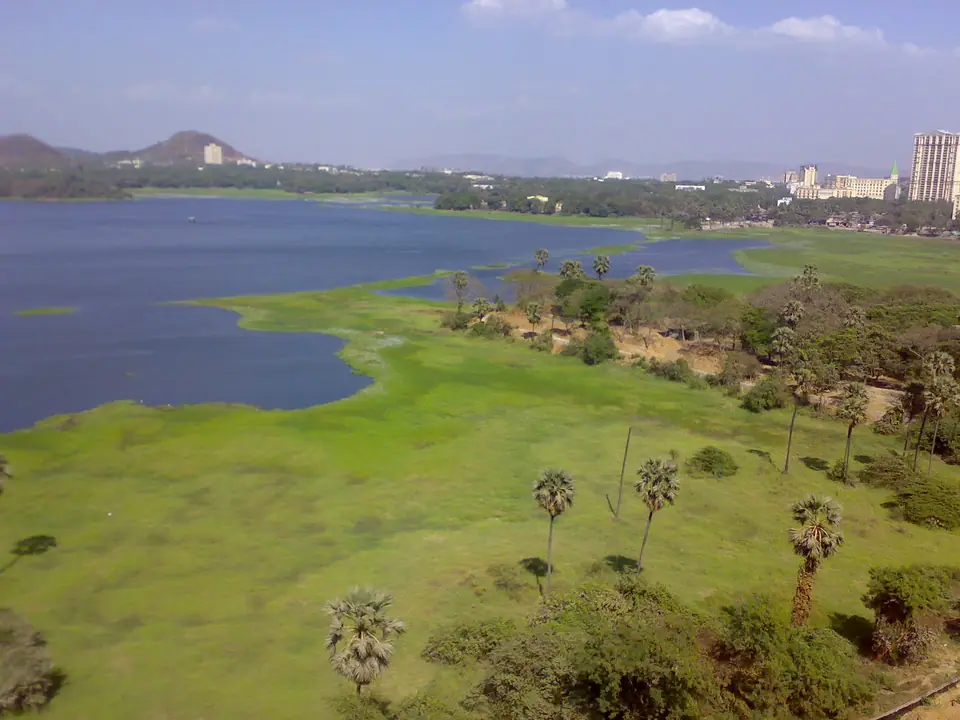
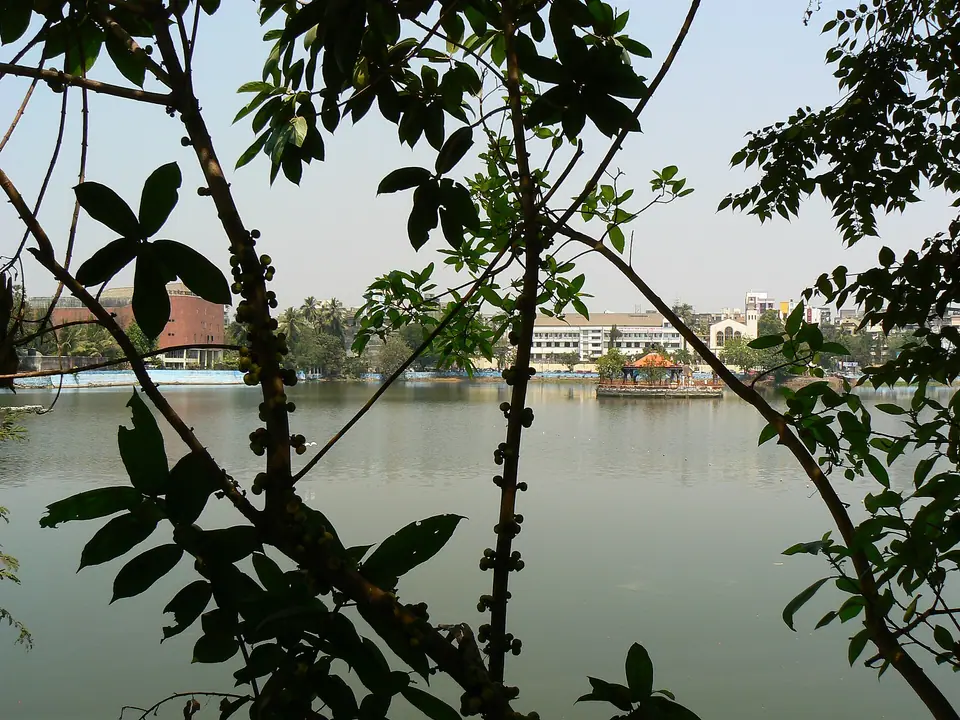
Begin at the railway station, which is the hinge of the city, and walk towards Masunda Lake, also called Talao Pali. The lake sits at the centre of the old town, ringed by a promenade, and the circuit takes in old and new Thane at once: walkers, children on scooters, small shrines under trees, snack carts, and apartment blocks rising behind the water. Early morning or after five in the evening is the easiest time, when the paths are busiest and the light is kind.
From the lake, drift into the streets behind it. This is the older city, where houses with wooden balconies and tiled roofs stand beside newer buildings, and where small shops sell spices, steel utensils, school uniforms and festival decorations. There is no formal route and no ticket, and that is the pleasure of it. Head towards the creek if you want water again, and stop wherever a crowd has gathered, because a queue outside a food stall is usually worth joining.
Lakes, creek and open air
Masunda Lake is the city's front room: a promenade, a garden and benches facing the water. Upvan Lake, below the wooded slope of the Yeoor Hills, is quieter and greener, with a longer path and more birdsong than traffic. Both are free to walk around and both are at their best in the early morning. Boats and other activities on the lakes change with the season, so check what is running on the day.
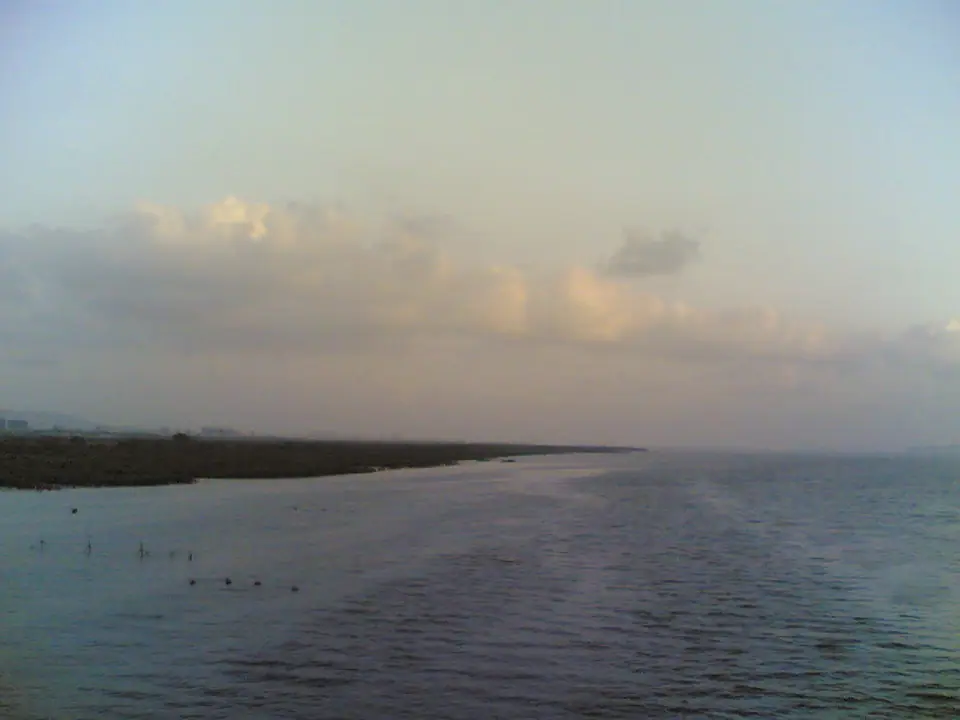
The creek is the other half of Thane's geography. Thane Creek Flamingo Sanctuary, declared in 2015, protects mudflats and mangroves where flamingos gather, roughly from November to May, though the timing shifts with the rains and the tides. Viewing points and access vary, and the birds keep their distance, so binoculars earn their place in a day bag. The remaining creekside paths and mangrove edges show what this coast looked like before the city grew around it.
- Walk the full circuit of Masunda Lake early in the morning, when the light is soft.
- Take the quieter path around Upvan Lake, at the foot of the Yeoor Hills.
- Carry binoculars for the flamingos at Thane Creek between November and May.
- Wear covered shoes on creekside paths, which turn muddy after rain.
Eating in Thane
Thane eats like a Maharashtrian city with a coastline. Kanda poha, misal pav, thalipeeth, sabudana khichdi and puran poli are everyday food, and street stalls turn out vada pav, bhel puri, sev puri, pani puri, ragda pattice and dabeli through the day. Breakfast is the meal to plan around: small khanavals, the plain local eateries, fill up early and empty by mid-morning. Order cutting chai, half a glass, to go with it.
Because the creek is close, seafood is good and plain: bombil, surmai, pomfret, prawns and tisrya, cooked in Konkan, Malvani and Koli styles, sharp with kokum and coconut. Parsi and Irani café food belongs to the wider city, with dhansak, akuri and bun maska, and East Indian kitchens add bottle masala, fugias and sorpotel. Finish with kulfi or falooda. Menus are short where the food is best, and a full thali at midday is a sensible way to eat.
Getting there and around
Chhatrapati Shivaji Maharaj International Airport is about 15 km from Thane in a straight line, and the road route through the northern suburbs is longer, especially at peak hours. Navi Mumbai International Airport, across the creek near Panvel, is roughly 25 km away and still adding routes, so check which airport your flight uses. By rail, the Central line runs from CSMT through Byculla, Dadar, Kurla and Ghatkopar to Thane, with frequent trains that are crowded at peak times.
Inside the city, autorickshaws are the usual short-hop transport and app cabs are easy to book. Metro lines have been extending towards Thane, and stations and routes keep changing, so check the current network before relying on a particular line. Distances inside Thane look short on a map and take longer on the road, and the lake areas are best covered on foot. For the creek and the hills, arrange the return trip rather than hoping to find a cab at the edge.
- Allow extra time for the road journey from the airport during morning and evening peaks.
- Keep some cash for autos and small stalls, though phone payments are widely accepted.
- Check the current metro and suburban network before travelling, as lines and stations change.
- Book the airport run in advance if you are leaving before dawn.
Where to stay, and practical notes
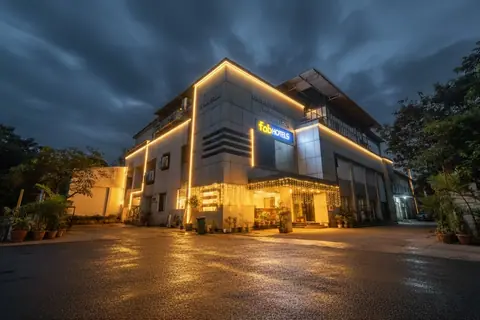
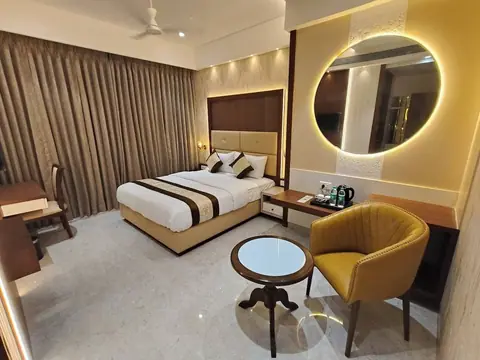
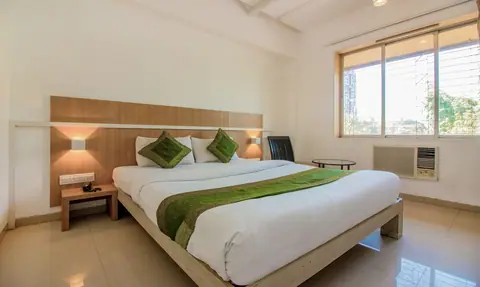
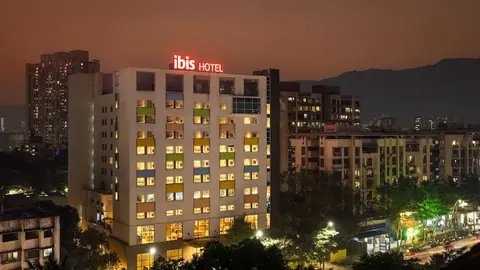
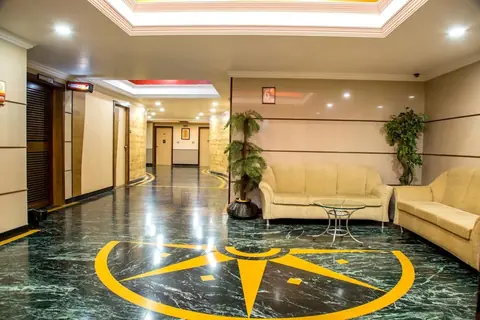
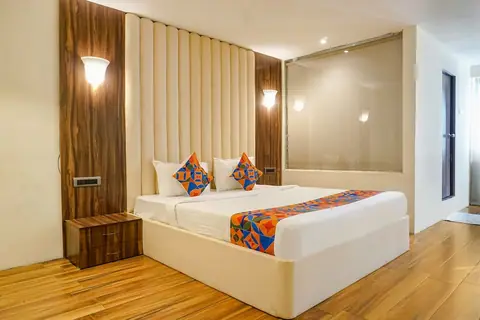
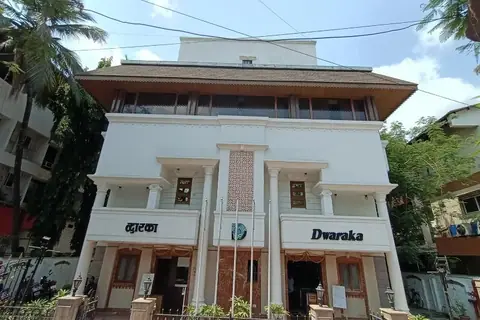
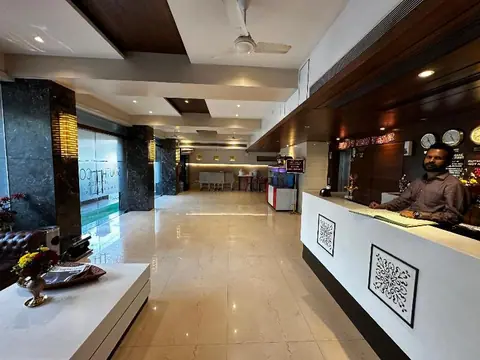
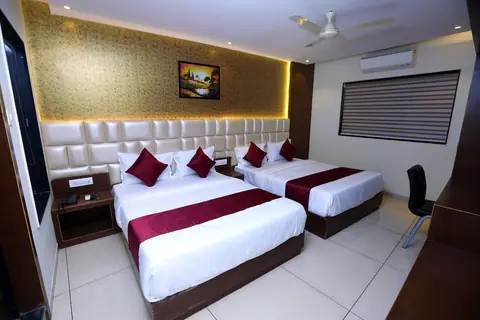
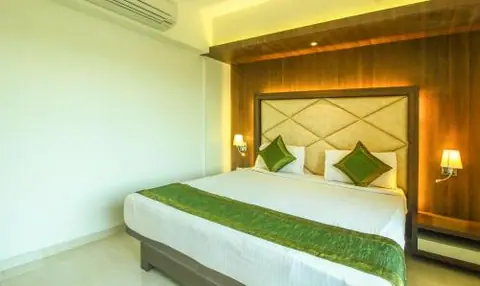
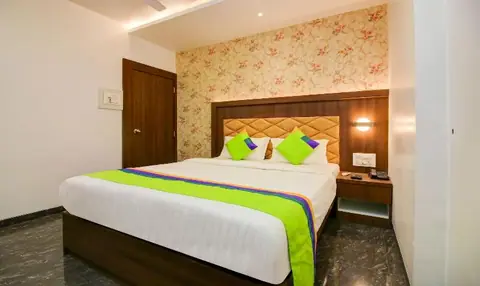
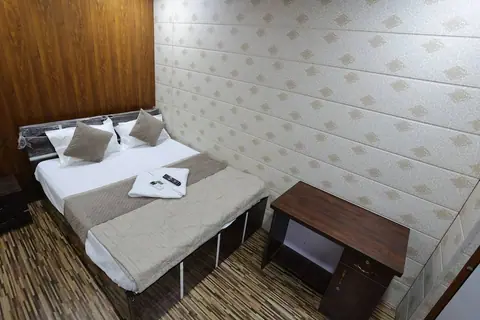
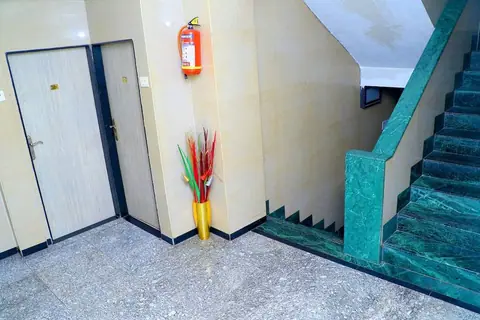
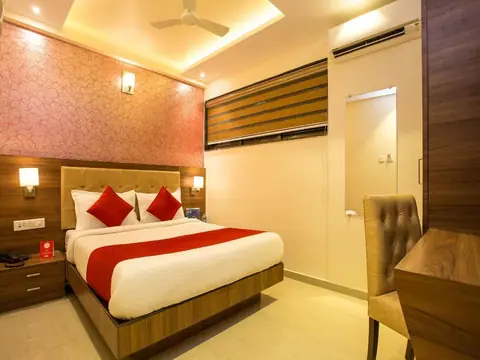
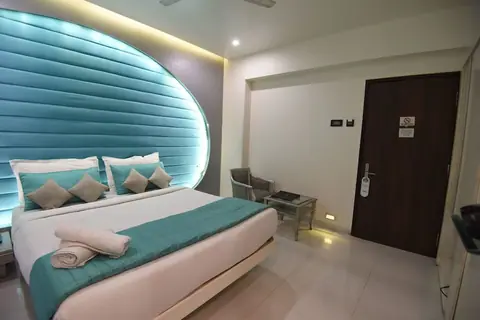
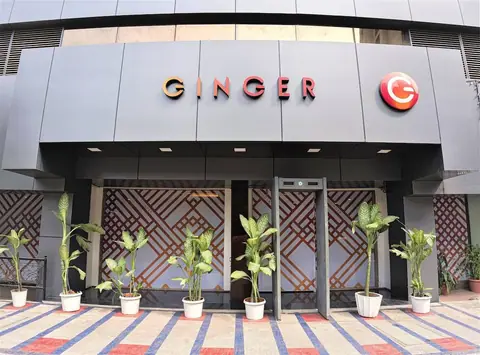
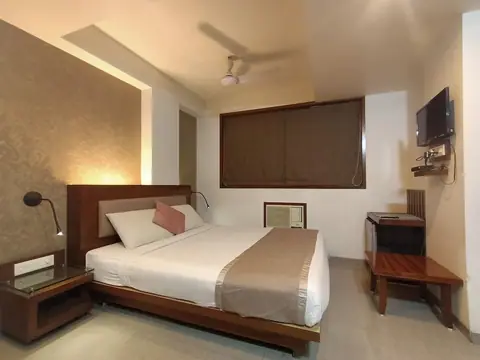
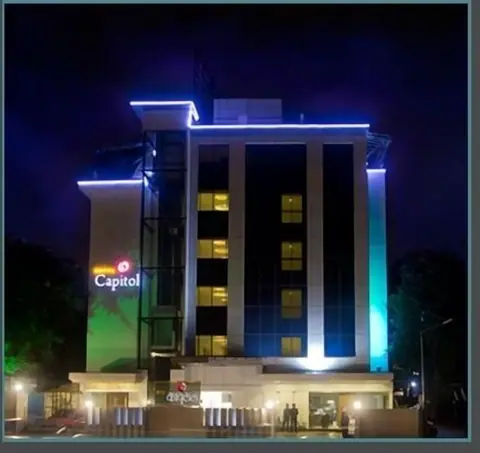
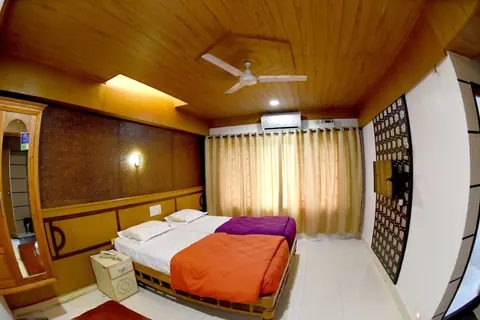
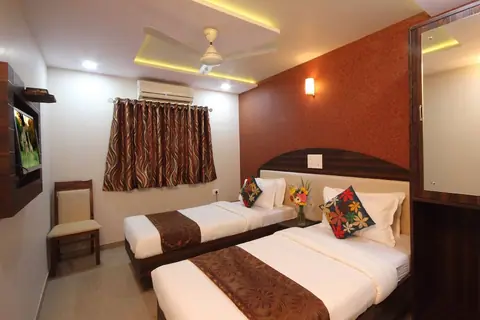
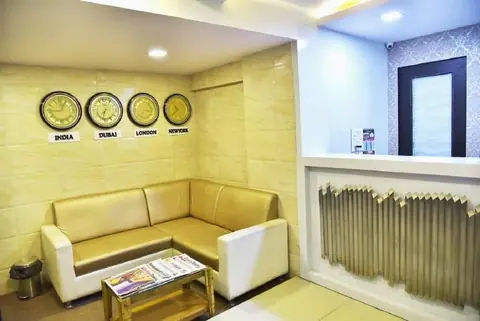
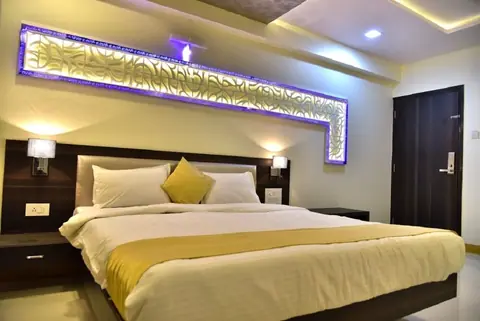
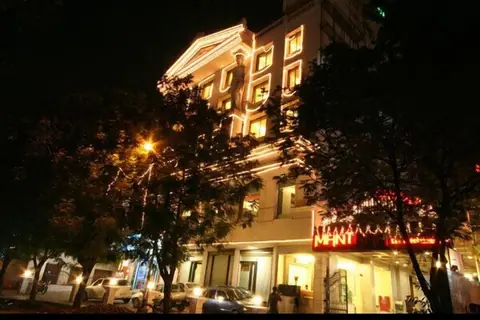
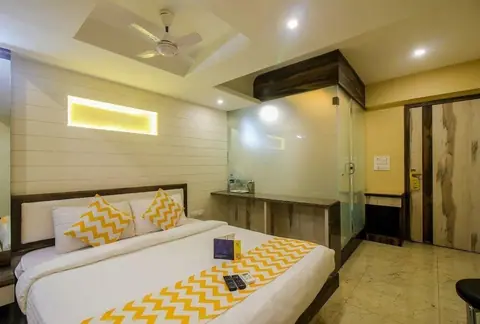
Where you stay in Thane depends on how you plan to move. Streets near the railway station and Masunda Lake put the promenade, the old lanes, breakfast stalls and the trains within walking distance, which suits a short visit. Lanes near Upvan Lake are quieter and greener, with the hills close, and suit a slower stay. Towards the edges of the city, rooms are larger and streets calmer, but every trip needs a cab.
Book ahead around Ganesh Chaturthi, Navratri and Gudi Padwa, when families travel and the city celebrates. Choose a place within walking distance of something you want to see rather than somewhere central on paper, because traffic decides how far you really are. Ask about air conditioning and hot water, both worth having in the hot months, and about how the road to the station behaves at peak hours.
Carry some cash even though phone payments are everywhere, and pack a light rain jacket from June to September, when the south-west monsoon arrives and low-lying roads flood. November to February is the kindest season, warm by day and cool in the evening. Ask before taking photographs at the creek. Festival dates move each year with the Hindu, Islamic and Christian calendars, so check before planning a trip around one.
Editorial review: 16 November 2026 · imptmumbai.in, written with AI assistance (see the editorial policy).