- Length
- ≈ 3.6 km
- Cost
- Free
- Best time
- Sunset & after dark
- Ends at
- Girgaum Chowpatty
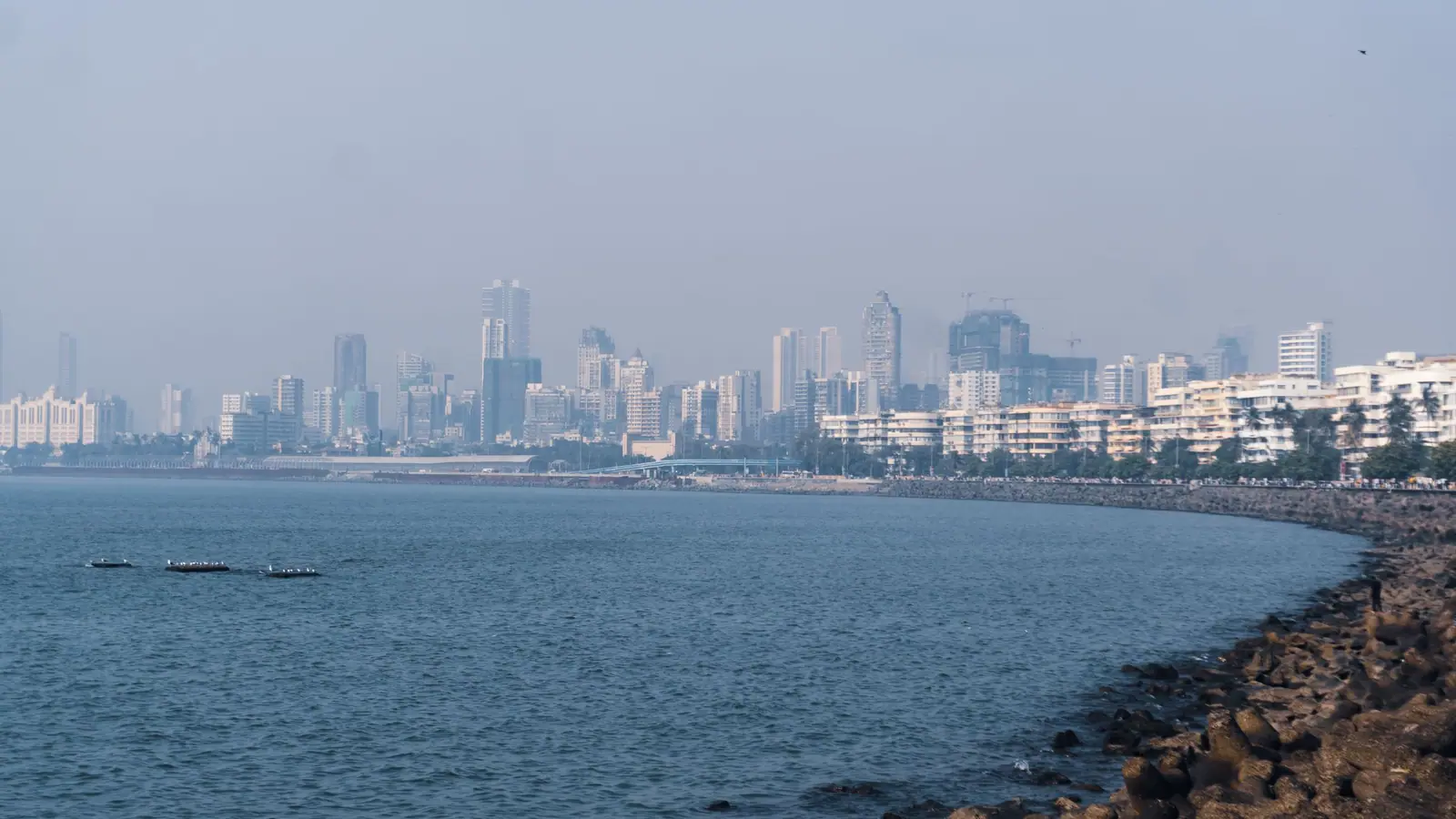
Marine Drive is the promenade and road that curves along Back Bay from Nariman Point in the south to Girgaum Chowpatty in the north. Built on land reclaimed from the sea in the early twentieth century, it is lined on its landward side by one of the world’s largest collections of Art Deco buildings — part of the Victorian Gothic and Art Deco Ensembles of Mumbai, a UNESCO World Heritage Site since 2018.
Why it’s called the Queen’s Necklace
At night, the curve of streetlights seen from Malabar Hill or a high building looks like a string of pearls around the bay. Locals sit on the sea wall in their hundreds every evening to watch the sunset, eat snacks and catch the breeze — it is the city’s great free living room.
What to do
- Walk the full length from Nariman Point to Chowpatty — about 45 minutes at a slow pace.
- Look up at the Art Deco apartment blocks with their curved balconies, porthole windows and pastel façades.
- Eat bhel puri, pav bhaji and kulfi at the stalls on Girgaum Chowpatty beach.
- Climb to the Hanging Gardens or Kamala Nehru Park on Malabar Hill for the classic view of the necklace at night.
Where to stay nearby
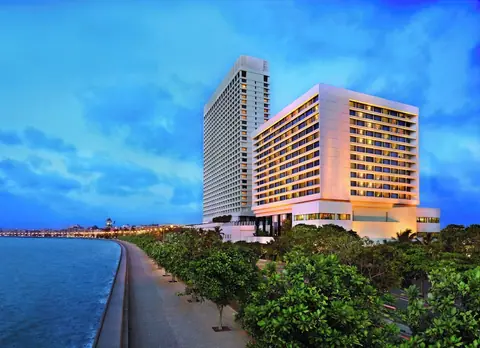
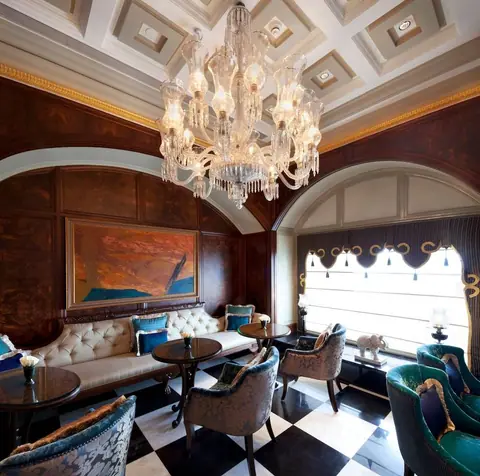
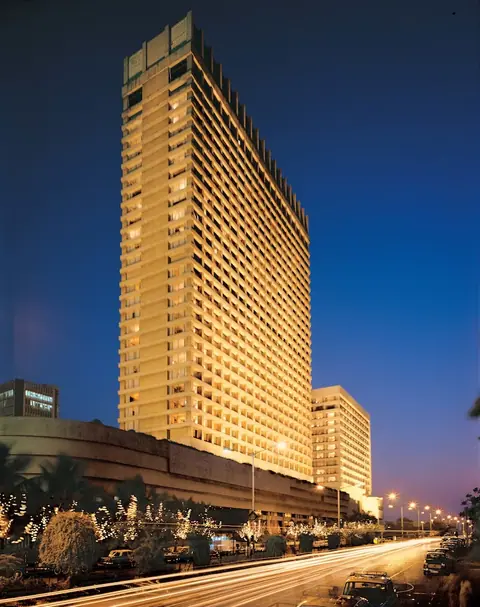
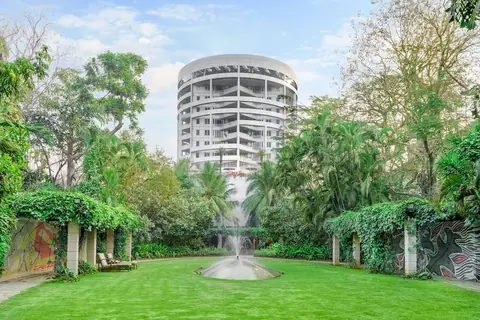
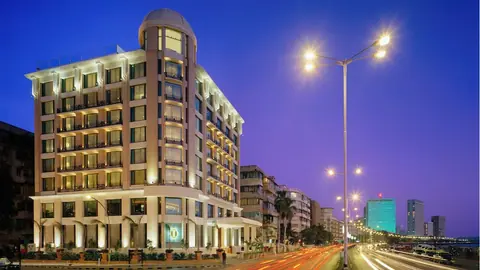
Several hotels face the sea along Marine Drive and Nariman Point; ask for a sea-view room. Churchgate station is a short walk away for trains north, and Colaba and Fort are 10–15 minutes by taxi.
Reading the sea edge
The Marine Drive promenade is best understood as a long civic balcony. The sea wall holds the edge, the walkway sets a clear line for strolling, and the lamps mark the curve after dark. The road sits between the walkway and the Art Deco blocks, so the sea view and the architecture are read in sequence. Notice how the promenade widens and narrows, and where people choose to sit. These choices show how the city uses the edge. It is a working public room, not a monument to view from a distance.
Look across the road at the building lines. The Art Deco blocks use curved corners, horizontal bands and stepped rooflines, while the older institutions inland use Gothic revival forms. The contrast is part of the UNESCO listing. From the promenade, the buildings are seen at an angle, so details appear and disappear as you move. A slow walk, with pauses, reveals more than a quick pass in traffic. Keep to public pavements and respect residential entrances. Binoculars are useful for upper-floor details. Morning light is clearer for façades.
A slow route inland
Start at the northern end of Marine Drive and walk inland through the Oval Maidan area. The High Court, the University buildings and the Rajabai Clock Tower sit close together, with the Art Deco sea front behind you. This route lets you compare the two halves of Mumbai's UNESCO ensemble in one outing. Use public pavements, keep gates and entrances clear, and check opening rules before entering any institution. The walks are short, but the heat can be tiring, so carry water.
At the southern end, Marine Drive meets Nariman Point, where the curve closes. The interest for a design walk lies in the transition, not in the tower entrances. Turn back along the sea, or cut inland to see the rear faces of the Art Deco blocks. Evening brings crowds and moving traffic; morning is calmer for details. Carry water, wear comfortable shoes and check the day's weather before setting out. Allow time for pauses rather than a rush from point to point.
Editorial review: 16 November 2026 · imptmumbai.in, written with AI assistance (see the editorial policy).