- Base
- Colaba or Fort
- Transport
- Taxi, train, ferry
- Best months
- Nov – Feb
- Pace
- Moderate
Three days is enough to see the essentials of Mumbai without rushing, if you base yourself in South Mumbai and move north on the last day. Traffic is the biggest enemy of any plan here, so this itinerary groups sights by area and uses the trains and the Sea Link where they save time.
Day 1: Colaba, Fort and Marine Drive
- Sunrise at the Gateway of India and a look into the Taj Mahal Palace.
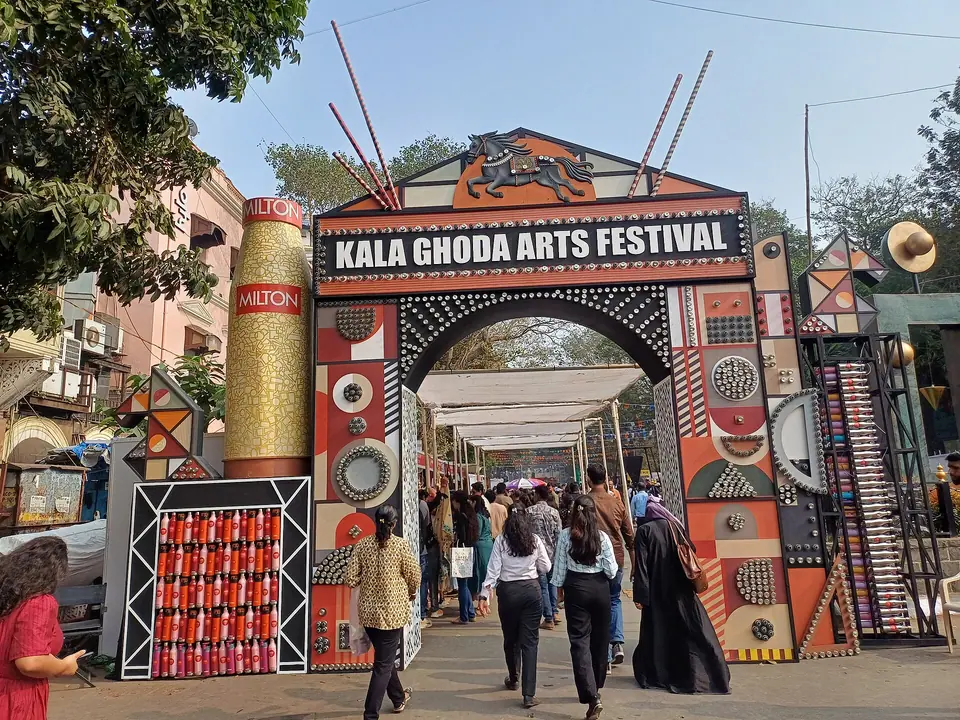
- Walk north to Kala Ghoda: the CSMVS museum (Prince of Wales Museum), the Jehangir Art Gallery and the bookshops.
- Lunch at an Irani café in Fort, then the Rajabai Clock Tower and the Bombay High Court from the Oval Maidan.
- Sunset on Marine Drive and dinner near Chowpatty.
Day 2: Elephanta and the old city
- First ferry from the Gateway to the Elephanta Caves; back by early afternoon.
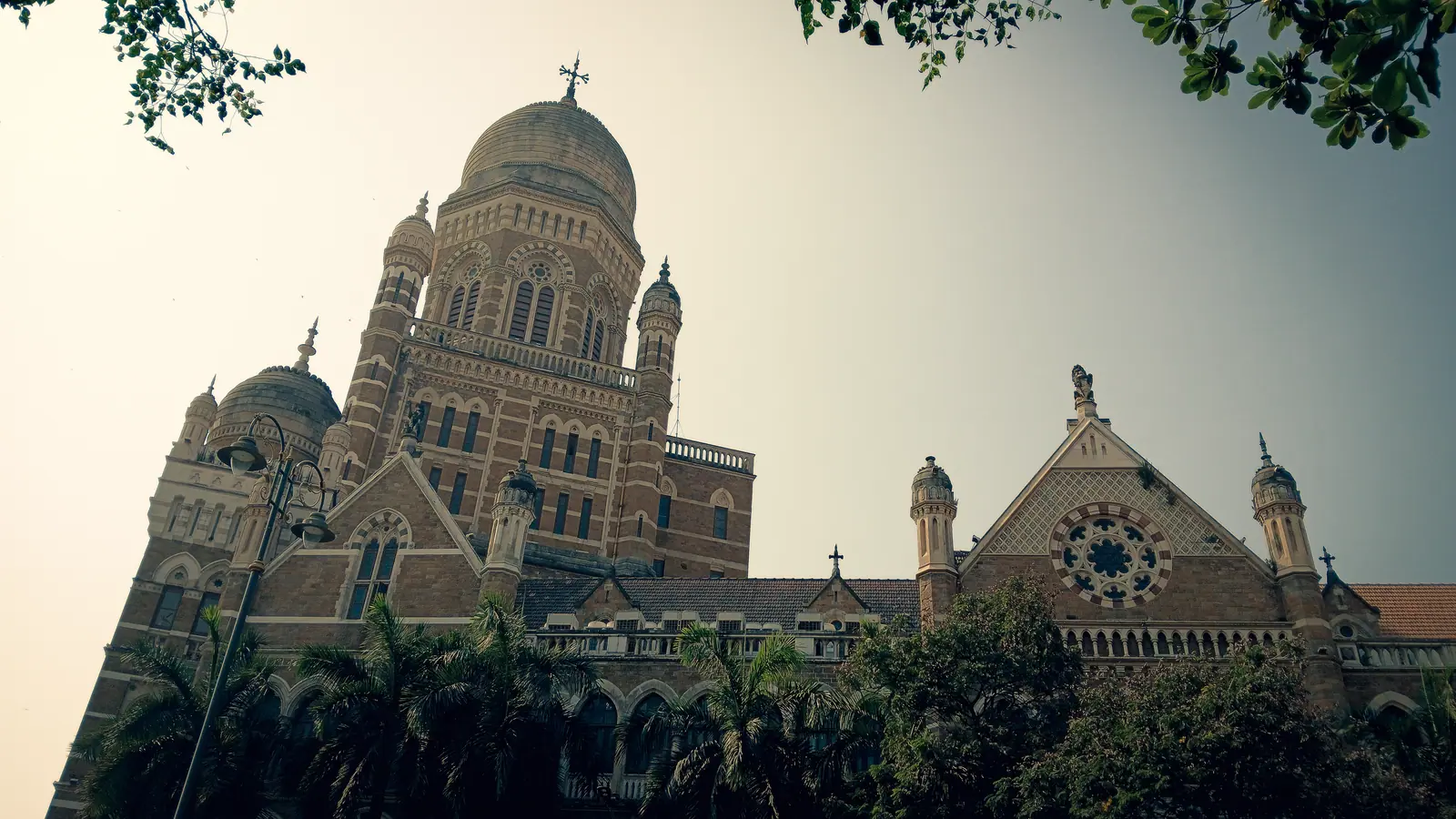
- Visit CSMT, the Victorian Gothic railway terminus — the façade is best seen from across the road.
- Walk through Crawford Market and the bazaars of Kalbadevi.
- In the evening, eat your way along Mohammed Ali Road.
Day 3: Mahalaxmi to Bandra
- Dhobi Ghat from the bridge at Mahalaxmi station, then the Haji Ali Dargah at low tide.
- Cross the Bandra–Worli Sea Link to Bandra: Bandra Fort, Bandstand and the street art of Chapel Road.
- End the trip with sunset at Juhu Beach and pav bhaji on the sand.
With an extra day, add the Kanheri Caves in Sanjay Gandhi National Park, a Dharavi walking tour with a community-run operator, or a ferry across to Alibaug for the beaches.
Moving between the sights
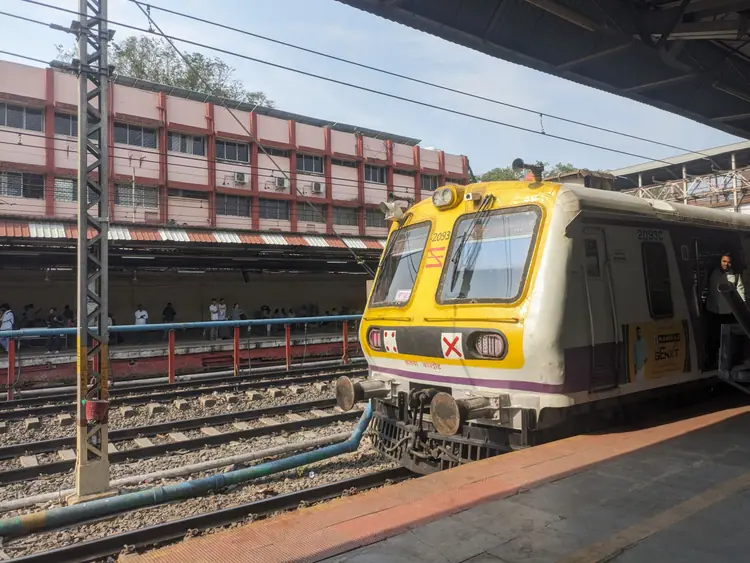
Three days in Mumbai work best when you group sights by geography rather than by fame. Keep Colaba, Fort and Kala Ghoda together; put Byculla, Worli and Mahalaxmi on another loop; save Bandra and the northern green spaces for the third. The suburban railway is useful for longer hops, but peak hours are very crowded. In the island city, black-and-yellow taxis and app cabs serve, while autorickshaws are common in the suburbs. Check the current metro network and ferry timings before you go, as services change.
Build each day around one anchor and two nearby stops, not a long list. Leave a buffer for traffic, ticket queues and monsoon showers. Start early for markets, temples and the waterfront, when heat and crowds are lighter. If a ferry or a suburban train is part of the plan, check the day's service before leaving. Keep the final afternoon loose, especially if you are heading to the airport, and confirm which terminal your flight uses. Allow extra time in festival weeks.
Timing food and festivals
Food is part of the itinerary, not a gap between sights. Plan lunches near the morning stop and dinners near the evening one, so three days in Mumbai do not dissolve into cross-city rides. Try Maharashtrian dishes, Konkan or Koli seafood, Parsi food and East Indian specialities across different meals. Street snacks suit mid-morning or late afternoon. Check opening days and festival dates before you go, as temple crowds, market closures and kitchen hours shift through the year. Keep a simple backup near your last stop.
Festivals can shape a short visit. Ganesh Chaturthi brings public pandals and immersion processions, Navratri fills temples, and the Bandra Fair follows the feast of the Nativity of Mary. Dates move with the Hindu, Islamic and Christian calendars, so check before you go. For quieter heritage, visit Khotachiwadi in Girgaon respectfully and early, and see Sassoon Dock at dawn when fishing boats land. Photography there may be restricted, so ask first. Keep festival days light, with one fixed plan and space for crowds and road changes.
Editorial review: 16 November 2026 · imptmumbai.in, written with AI assistance (see the editorial policy).