- Built
- 1884, by the Sassoon family
- Where
- Kala Ghoda, Fort, south Mumbai
- Nearest areas
- Fort and Kala Ghoda, Colaba
- Visits
- Outside prayer times, check first
A Sassoon synagogue of 1884
Keneseth Eliyahoo is a synagogue in Kala Ghoda, in the Fort district of south Mumbai. The name translates as the Gathering of Elijah, after the prophet. The Sassoon family, Baghdadi Jewish merchants who settled in the city in the nineteenth century, built it in 1884, and it has served a congregation ever since. Its pale blue facade stands out among the stone galleries, art spaces and old commercial buildings of the quarter. The building is easy to find, a minute from the open ground at Kala Ghoda.
The synagogue belongs to the Baghdadi Jewish tradition, the community that came to Mumbai from Baghdad and the Gulf in the eighteenth and nineteenth centuries and traded through the port. The Sassoons were the best known of these families, and their buildings, from the docks at Colaba to the synagogues of the old city, still stand. Keneseth Eliyahoo is the one that remains in daily use in the Fort, which makes a visit a call on a working congregation rather than a heritage monument.
What to see inside
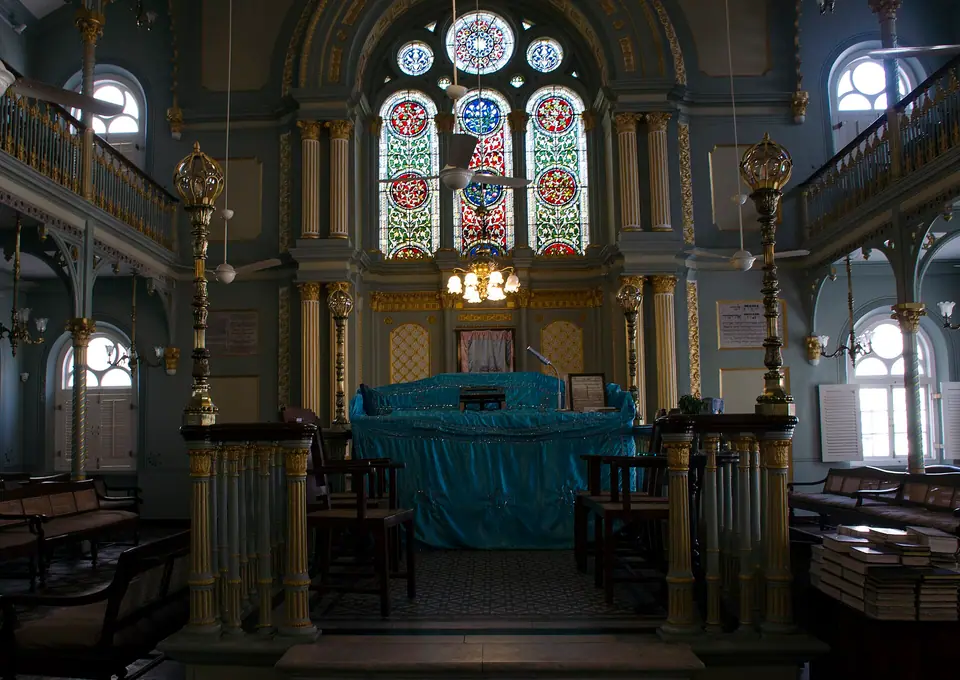
Stand outside for a moment. The front is pale blue, with arched openings and a scale that suits the lane. It is a building meant to be noticed without shouting. Inside, the plan follows the pattern of synagogues of its kind: one prayer hall, a raised platform where the Torah is read, and the ark holding the scrolls set against the wall that faces Jerusalem. Timber benches and hanging lamps keep the room close and quiet.
Look for the details that mark the building as Jewish rather than simply old. There are Hebrew inscriptions, a light kept burning above the ark, and seating that faces the ark wall. The hall is small, so twenty or thirty minutes covers it comfortably, and longer if you sit for a while. Photography inside is at the discretion of the congregation, so ask first, and never during prayer.
- The pale blue facade, best seen in soft morning light before the lane gets busy.
- The ark and its curtain, the focus of the prayer hall and the home of the scrolls.
- The calm of a hall built for a small merchant congregation, a change of pace from the street.
- The lane itself, part of the old Fort grid, between galleries, museums and old offices.
Dress, crowds and photography
This is an Orthodox Jewish place of worship, so dress modestly: shoulders and knees covered, and a head covering for men, which is usually offered at the door. The hall is small and popular with heritage walks, so one group can fill it. Weekday mornings are quietest. On Shabbat, from Friday evening into Saturday, and on Jewish festivals the building is busy with prayer, and visitors wait outside or come back later.
Photography is often allowed outside prayer times, rarely inside the sanctuary, and never of people at prayer. Ask the caretaker or the office and follow the answer. Keep voices low, put phones on silent, and explain the setting to children before you go in. The lane outside gives space to wait if the door is busy, and the open ground of Kala Ghoda is a minute away.
Getting there and when to go
Kala Ghoda lies in the island city, where autorickshaws do not run. Black-and-yellow taxis and app cabs serve the area, and the walk from Churchgate station, or from the Colaba end of the peninsula, is short and mostly level. The underground Aqua Line (Line 3) runs through this part of south Mumbai. Check the current network and the nearest station, since new stations keep opening. Buses run along the main roads at the edge of the Fort.
Allow half an hour inside and another hour for the lanes around it. Mornings are cooler and quieter, and the light on the facade is better. The pleasant season is roughly November to February. The south-west monsoon, from about early June to late September, brings heavy rain and floods low-lying roads, so keep a visit short and dry then. Dates vary each year and opening hours change, so check with the synagogue before you travel.
Nearby in Fort and Kala Ghoda
Kala Ghoda is the city's gallery and museum quarter, and most of it is a few minutes away. The Jehangir Art Gallery, opened in 1952, holds changing exhibitions. A few steps on, the Chhatrapati Shivaji Maharaj Vastu Sangrahalaya, opened in 1922, is the city's largest museum, with sculpture, painting and natural history. The Kala Ghoda Arts Festival fills these streets every February, so check the dates each year. For a pause, the old Irani cafés of Fort serve cutting chai and bun maska.
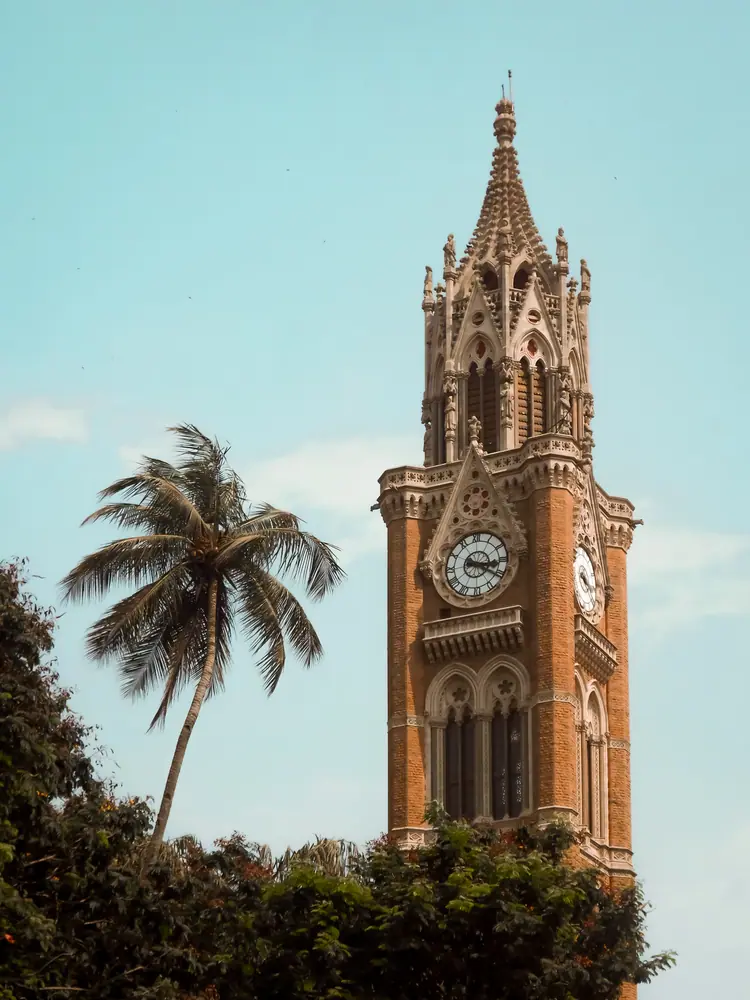
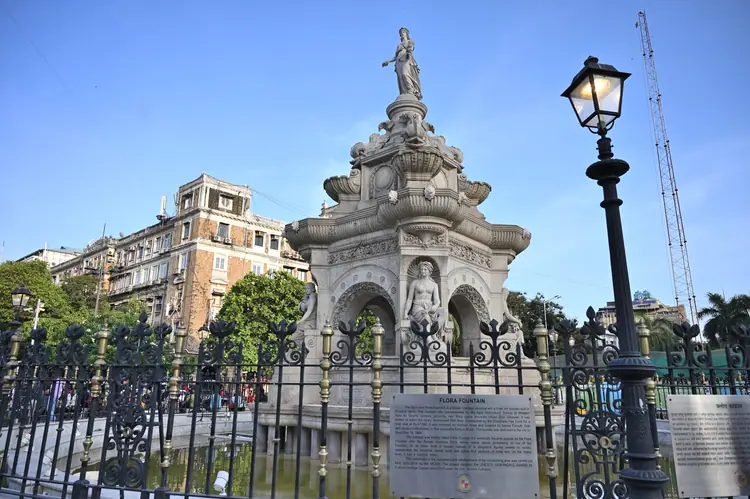
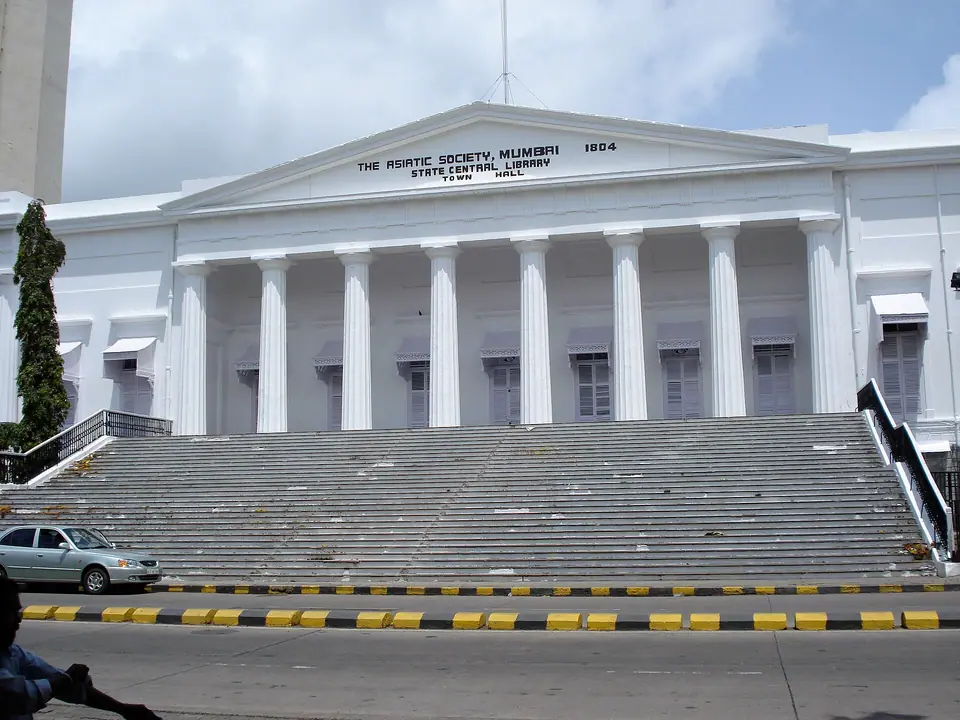
Walk west to the Oval Maidan for the Victorian Gothic and Art Deco Ensembles, a UNESCO World Heritage Site since 2018. The High Court, the University buildings and the Rajabai Clock Tower, completed in 1878 and about 85 m tall, stand on one side, with the Marine Drive frontage on the other. Horniman Circle and the Asiatic Society Town Hall, completed in 1833, lie east. Flora Fountain, erected in 1864, marks Hutatma Chowk, which honours those killed in the Samyukta Maharashtra movement.
- Jehangir Art Gallery, opened in 1952, with changing shows and a cool interior.
- Chhatrapati Shivaji Maharaj Vastu Sangrahalaya, the main museum, opened in 1922.
- Flora Fountain at Hutatma Chowk, erected in 1864, at the centre of the Fort grid.
- The Oval Maidan, the Rajabai Clock Tower and the High Court, part of the 2018 World Heritage listing.
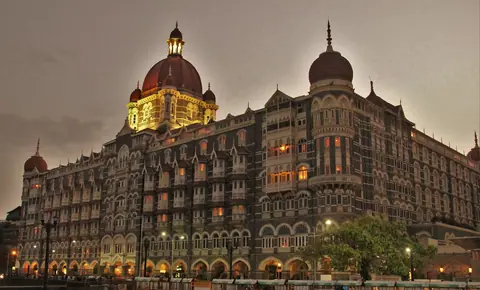
- The Gateway of India, a walk south through Colaba, where ferries leave for Elephanta.
Where to stay nearby
Stay in Fort, Kala Ghoda or Colaba if you want the synagogue, the museums and the waterfront on foot. The streets between Horniman Circle and the Oval Maidan mix old commercial buildings with places to stay, and the area is quiet at night by Mumbai standards. Colaba, a short walk south, has more choice and more going on in the evening. Marine Drive and Churchgate, to the west, are calmer and face the sea.
The northern suburbs, around Andheri and Bandra, suit the airport but sit far from Kala Ghoda by road. The suburban railway and the metro make the trip, and the Aqua Line now runs underground through the city centre, so check the current network. For a short visit, staying south keeps travel time down and puts the heritage mile within walking distance. Book ahead in the cooler months and during the February festival, when the quarter is busiest.
Editorial review: 16 November 2026 · imptmumbai.in, written with AI assistance (see the editorial policy).