- Official language
- Marathi, across Maharashtra
- Also widely spoken
- Hindi, Gujarati, Urdu, English
- Common greeting
- Namaskar, with palms joined
- Local phrase
- Aamchi Mumbai, an affectionate name
Marathi in Everyday Mumbai
Marathi is the official language of Maharashtra, and Mumbai is its capital. The city was renamed from Bombay in 1995, and both names stay in use. English and Hindi carry much of the daily conversation, so a visitor can manage without Marathi. Even so, in Dadar, Mahim, Girgaon and the markets, Marathi is the language of the shop counter, the bus queue and the family at the next table. A greeting in Marathi is noticed.
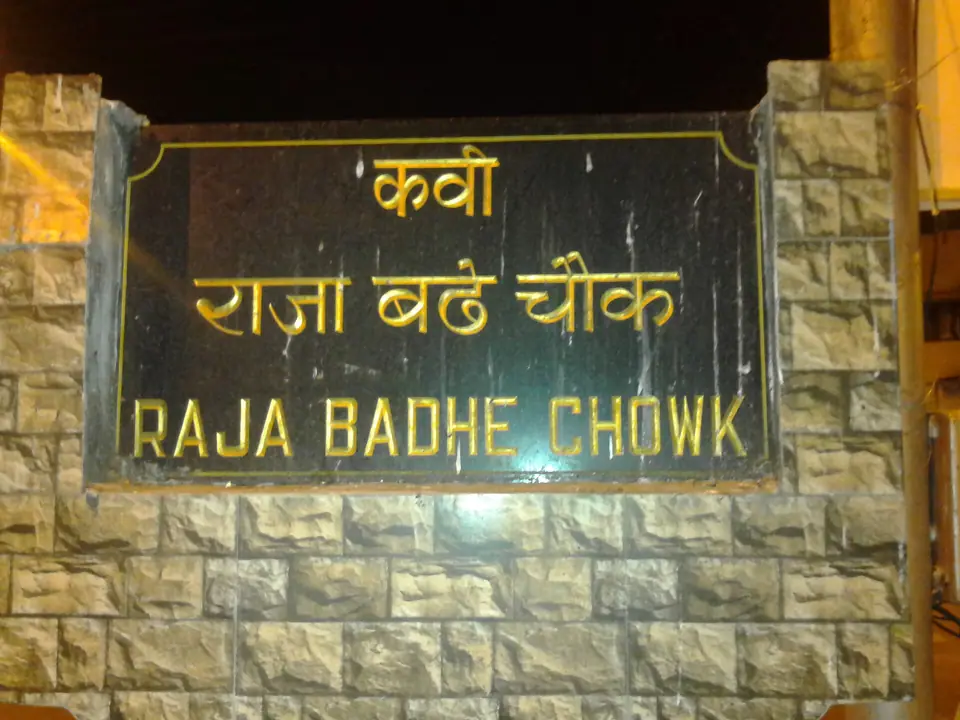
The affectionate phrase Aamchi Mumbai appears on signs, in songs and in ordinary talk, used by residents to claim the city as theirs. Marathi is written in Devanagari, the same script as Hindi, so the lettering on station boards and shopfronts will look familiar once a few shapes are known. Most Marathi speakers switch readily into Hindi or English when they see a visitor struggling. One word, spoken clearly, matters more than grammar, and nobody expects a traveller to hold a conversation.
Greetings and Everyday Courtesy
Namaskar is the all-purpose Marathi greeting, offered with the palms pressed together at chest height. It works in the morning, in the evening, on entering a temple and on taking leave. Younger people in the city often say hello instead, and either is accepted. Dhanyavaad means thank you and krupaya means please. A nod and a smile carry the rest. Offer namaskar to the person serving you and to the person at the next seat.
Ho is yes and nahi is no, short words that are easy to hear and easy to use. A clear answer is understood instantly, so answer firmly rather than mumble. If a sentence runs past you, the standard reply is mala samajle nahi, which means did not understand, or a plain request to repeat it in English. Nobody in Mumbai takes offence at a polite request. Shopkeepers and conductors deal with visitors all day and will find a way.
- Namaskar is the safest greeting anywhere, palms together, morning or evening.
- Dhanyavaad means thank you and closes a small transaction neatly.
- Krupaya means please, useful when asking for a direction or a glass of water.
- Ho and nahi are yes and no, short enough to use with confidence.
- Changle means good or fine, a mild word that answers many questions.
Asking the Way in Marathi
Directions are where a few words pay off. Kuthe means where, and it turns a place name into a question, as in station kuthe aahe, where is the station. A clear place name with a questioning look will usually earn a pointing hand anyway. In the island city, black-and-yellow taxis and app cabs cover the ground that autorickshaws cover in the suburbs. Autorickshaws do not operate south of Bandra and Sion, so do not stand at a Colaba corner waiting for one.
The suburban railway, known locally as the locals, runs on three main lines. Mahim Junction sits on the Western line between Dadar and Bandra, and the Harbour line has a branch through Bandra, Andheri and Goregaon. Peak hours are very crowded, so let passengers off before boarding and keep your bag in front of you. Ladies' compartments and first class exist, and air-conditioned locals run on some routes. Check the current timetable at the station enquiry counter before planning a day around the train.
How Strangers Address You
Marathi uses kinship words for people who are not relatives, and this is one of the quiet pleasures of the city. Tai means older sister and is used for women; dada means older brother and is used for men; bhau is another brotherly address common across Maharashtra. A shopkeeper may call you tai or dada within a minute of meeting you. It is warm rather than presumptuous, and a smile in return is the right answer.
Age and seniority shape the words people choose. A visitor who offers namaskar to an older person, and adds kaka or kaku for an uncle or aunt figure, will be treated kindly. Questions about family, work and where you are from may arrive early in a conversation; they are friendly enquiries rather than an interview. Answer as much as you wish and turn the questions back. In Dadar and Mahim, these exchanges happen at bus stops, outside temples and over a cup of tea.
Food Words Worth Knowing
Food is the quickest route into Marathi. A pav is a soft bread roll, bhaji is a vegetable dish, and misal is a sprouted pulse curry served with farsan and bread. Vada pav, a spiced potato dumpling inside a pav, is the city's standard snack. Ukadiche modak, a steamed rice-flour dumpling filled with coconut and jaggery, belongs to Ganesh Chaturthi. Cutting chai, half a glass of tea, is the normal order at a roadside stall, and the phrase is understood everywhere.
Maharashtrian home cooking brings its own vocabulary: puran poli, a sweet stuffed flatbread; thalipeeth, a savoury multigrain pancake; sabudana khichdi, eaten on fasting days; and kokum sol kadhi, a pink coconut and kokum drink from the Konkan coast. Along the shore and in Koli households, fish words matter: bombil is Bombay duck, surmai is kingfish, tisrya are clams. Irani cafés keep a vocabulary of their own, with chai, bun maska and brun pav for a morning stop.
- Pav is the soft roll that comes with vada pav, misal and almost everything else.
- Bhaji covers a vegetable dish, while farsan means the crisp savoury mix scattered on top.
- Sol kadhi is a pink drink of coconut milk and kokum, served with Konkan fish meals.
- Ukadiche modak is the steamed coconut dumpling made for Ganesh Chaturthi.
- Cutting chai means half a glass of tea, the standard order at a roadside stall.
Festival Manners in Dadar and Mahim
Gudi Padwa, the Marathi New Year in March or April, brings morning processions through Girgaon, Dadar and Thane, and gudis on the windows: a pole with silk, neem, garlands and an upturned pot. Ganesh Chaturthi follows in August or September, with ten days of public pandals and immersions at Girgaon Chowpatty, Juhu and other shores. Both dates move with the Hindu calendar, so check with Maharashtra Tourism or a local temple before building a trip around one.
Dadar and Mahim hold several communities side by side, and small habits keep a visit easy. Remove your shoes before entering a temple, cover your head where a sign asks, and ask before photographing anyone at prayer. In Mahim, an old church, a dargah and a fort stand within a few minutes of each other, each with its own etiquette. In Dadar, Shivaji Park fills with walkers at dawn and cricketers later, and both groups keep to their own ground.
Editorial review: 16 November 2026 · imptmumbai.in, written with AI assistance (see the editorial policy).