- District
- Central Mumbai, Maharashtra
- Airport
- BOM, 8.9 km away
- Rail hubs
- Dadar and Mahim stations
- Nearby sight
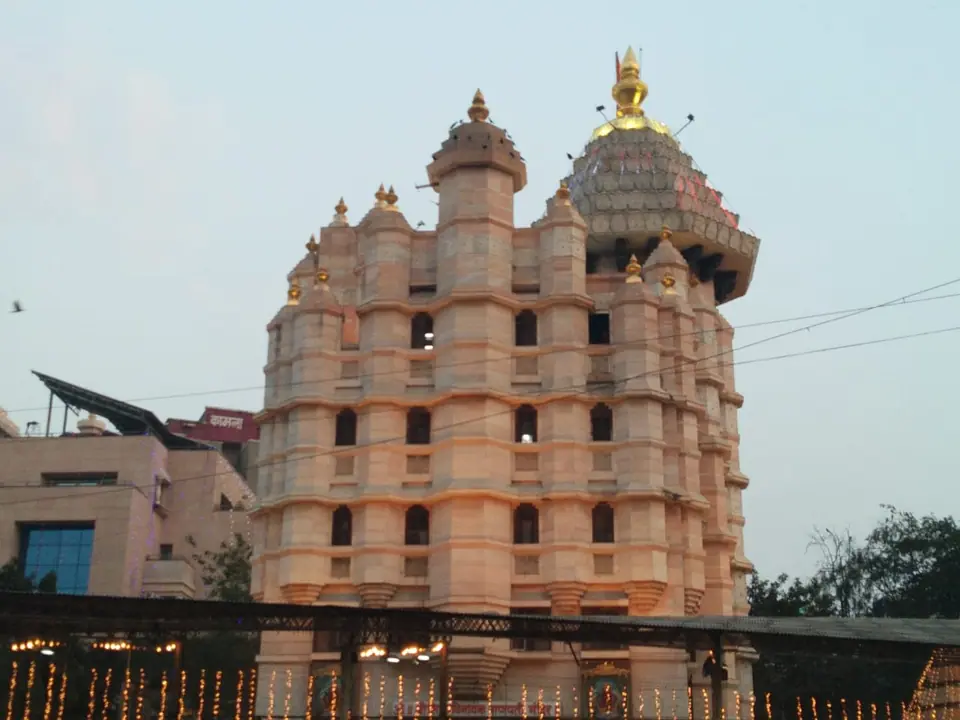
- Siddhivinayak Temple, 1.6 km
Character and history
Dadar sits at the narrow waist of Mumbai's island, where the Western and Central railway lines run close together and the old city gives way to the suburbs. It grew as a middle-class Maharashtrian neighbourhood of chawls, apartment blocks and schools, and it still feels like the place where the city speaks Marathi first. The long maidan at Shivaji Park is the area's front room: cricket in the mornings, walks in the evenings, processions and gatherings through the year.
Mahim is older. It was one of the seven islands that became the city, a fishing and farming village on a bay, and it kept a Portuguese-era church, a dargah that draws pilgrims through the year, and a shore that empties and fills with the tide. The causeway north to Bandra linked it to the growing suburbs. Koli fishing families and East Indian households are part of its story, and the streets around the station mix long-settled families with newer arrivals.
A first walk through Dadar
Start early at Dadar station, when the flower market near the station is at its busiest and the day's marigolds and jasmine are being sorted into bundles. Walk west along the main roads towards Shivaji Park, past schools, temples and old apartment blocks, and stop for poha and chai at a street stall. Mornings are the best time: the light is softer, the pavements are free and the maidan belongs to walkers, joggers and cricket practice.
In the afternoon, follow the sea south-west to Mahim, where the shore curves below the causeway and fishing boats sit on the sand. Walk the length of the bay as the tide comes in, then turn inland for the church and the market streets around Mahim station. End with a cutting chai and something fried before the evening rush. The route is flat and can be done in stages, with a train or an auto between the two halves.
- Dadar station at dawn, for the flower market and a plate of kanda poha.
- Shivaji Park in the early morning, when the maidan fills with walkers and cricket practice.
- The side streets of Dadar West, for old apartment blocks, temples and school gates.
- Mahim shore and the causeway in the late afternoon, as the tide turns.
- Mahim church and dargah, a short walk inland from the bay.
What to see and do
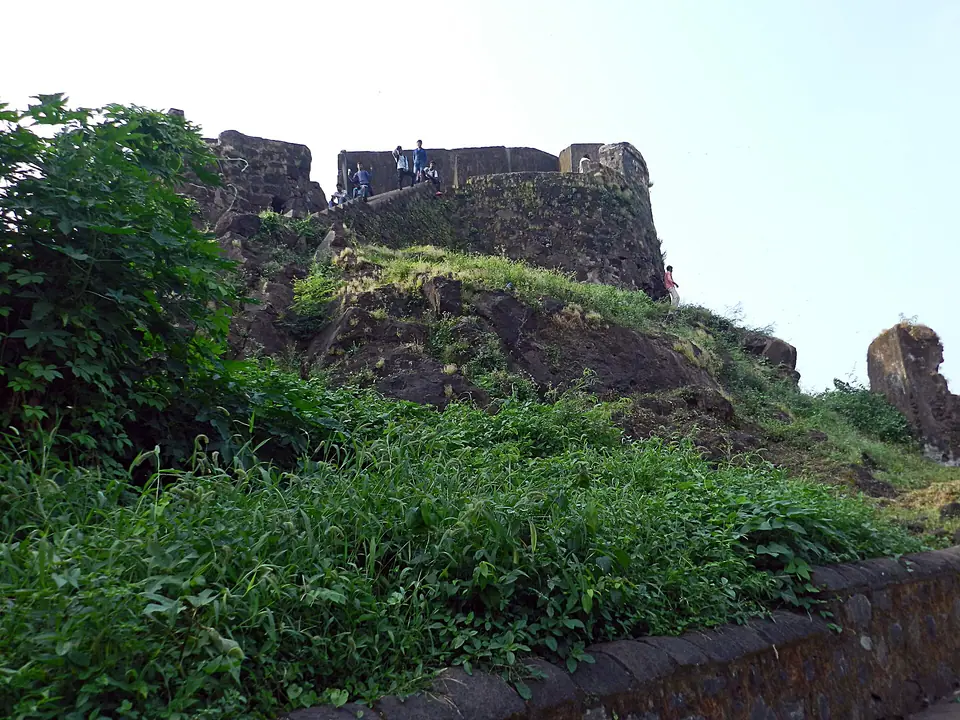
Siddhivinayak Temple at Prabhadevi, about 1.6 km from Dadar, is the area's great draw: a Ganesh temple first built in 1801, busy every day and busiest on Tuesdays (check before you go, since queues and timings shift). Dress modestly, leave shoes outside and expect to queue. Shivaji Park and the streets around it reward a slow wander. Across the causeway, Bandra Fort and Mount Mary Basilica are both within about 3.5 km.
Children do well here. Shivaji Park gives them space to run and a chance to watch cricket, the flower market is a quick, colourful errand, and the Mahim shore is good for kite flying, watching boats and looking for shells. Swimming is unsafe at Mahim and at most of the city's beaches, especially in the monsoon, so keep to the sand. The water's edge needs an adult's eye at high tide.
- Siddhivinayak Temple, Prabhadevi: go early, dress modestly and leave footwear outside.
- Shivaji Park: a large open maidan for cricket, walking and processions.
- Mahim shore and causeway: tide, fishing boats and a view across to Bandra.
- Bandra Fort and Mount Mary Basilica, both a short ride across the causeway.
Eating in Dadar and Mahim
Dadar eats Marathi. Look for kanda poha and misal pav at breakfast, sabudana khichdi on fasting days, thalipeeth with butter, and a full Maharashtrian thali at lunch with puran poli, varan, bhaaji and kokum sol kadhi. Street stalls sell vada pav, bhel puri, sev puri and ragda pattice through the day, and the standard order at any tea stall is a cutting chai: half a glass, hot and sweet.
Mahim brings the sea and the old communities to the table. Look for Konkan, Malvani and Koli seafood: bombil, surmai, pomfret, prawns and tisrya, usually fried or in a thick coconut gravy. East Indian kitchens use bottle masala, made once a year, with fugias and sorpotel at festivals. Irani cafés serve chai, bun maska and brun pav, and kulfi or falooda finishes an evening walk.
Getting there and around
From Chhatrapati Shivaji Maharaj International Airport, about 8.9 km away, a taxi or app cab is the simplest way in; check the current fare and allow extra time in the monsoon and at peak hours. Navi Mumbai International Airport lies far to the east, about 24 km, so check which airport your flight uses. Dadar station is served by the Western and Central lines, and Mahim by Western line and Harbour line trains.
Dadar and Mahim are compact and mostly flat, so walking covers a lot, though pavements are uneven and crowded. Autorickshaws are common from here northwards, and black-and-yellow taxis and app cabs serve the whole area. Trains are fast but very crowded at peak hours; ladies' compartments and first class help. Metro lines keep opening across the city, so check the current network before you plan a journey.
Where to stay, and practical tips
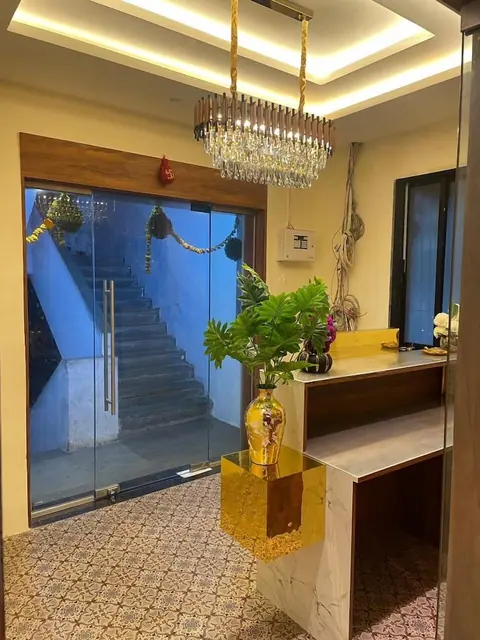
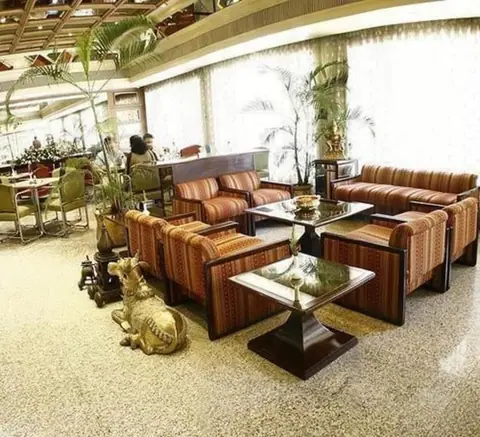
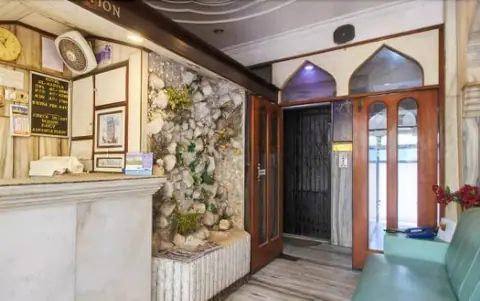
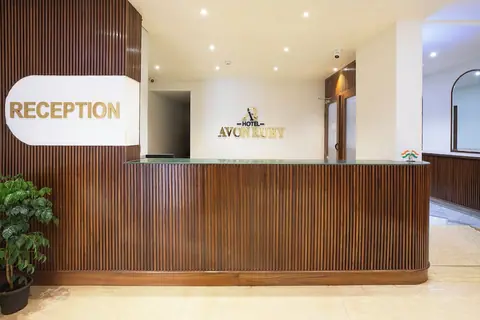
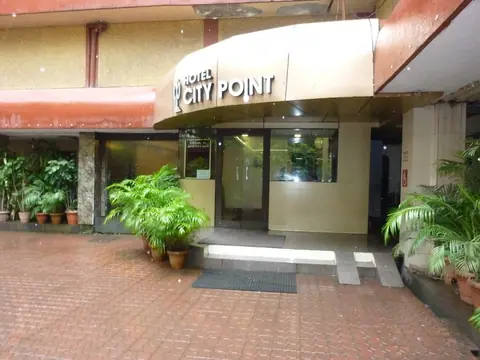
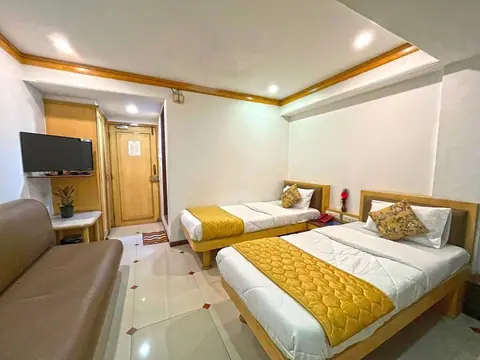
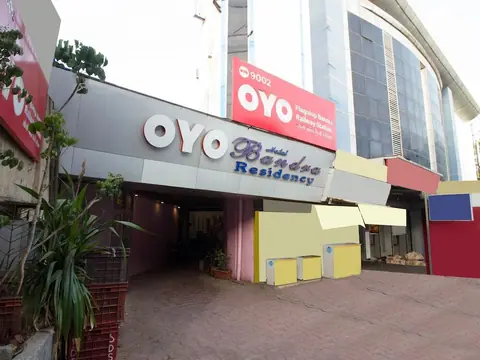
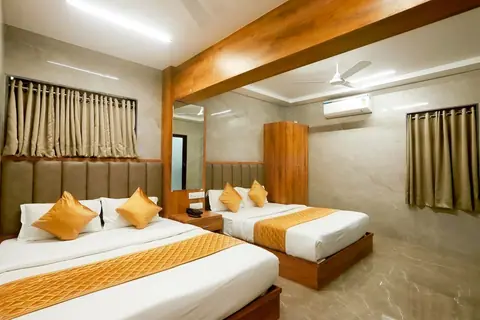
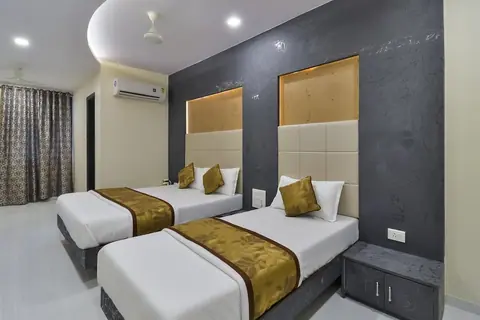
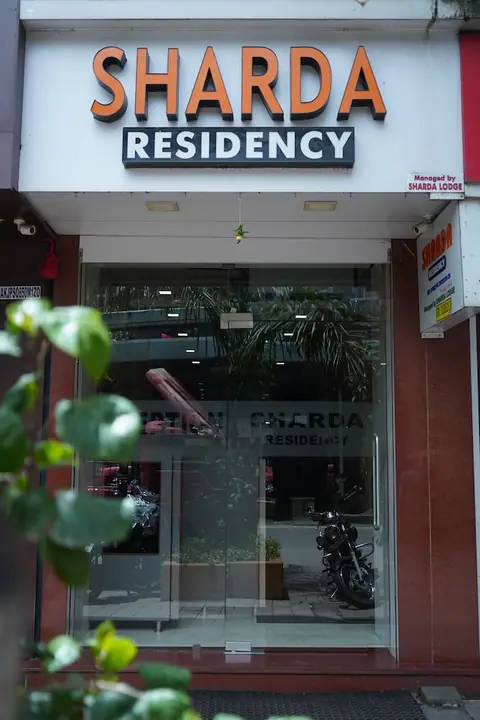
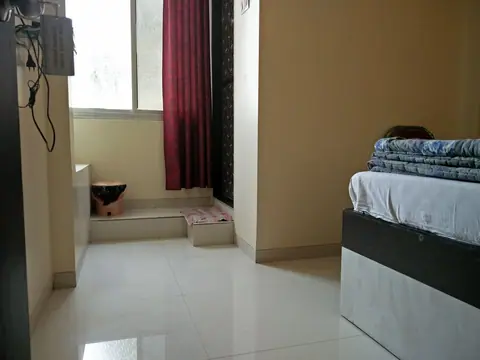
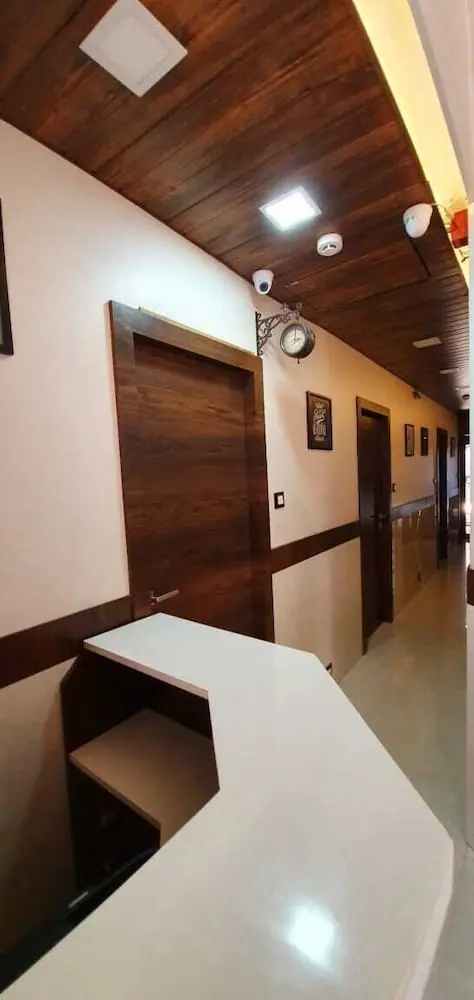
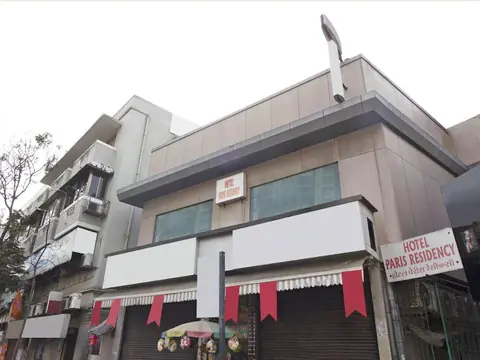
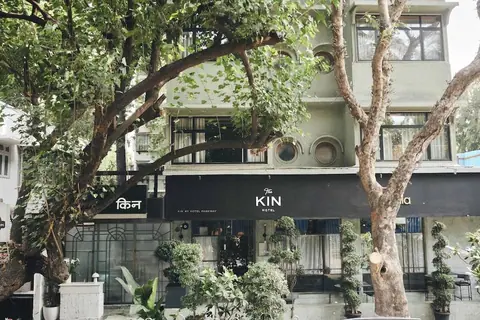
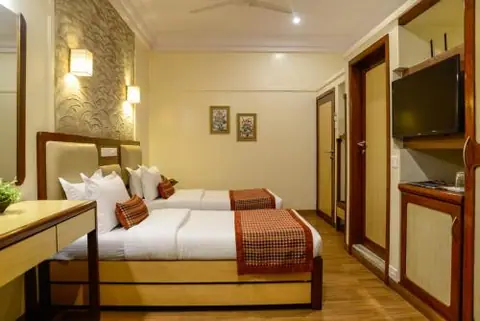
Stays here are mostly small hotels, guest houses and serviced apartments rather than large resorts, and they suit travellers who want a residential base with easy trains. Dadar West near Shivaji Park is quieter, with cafés and shops on the side streets; Dadar East near the station is convenient for early trains but noisier. Mahim is the calmer choice, close to the shore and a short ride from Bandra. Book ahead around Ganesh Chaturthi and Diwali, whose dates move each year.
Carry some cash alongside UPI, since phone payments are everywhere but not universal. The dry months from November to February are the easiest time to walk; March to May is hot and humid, and the monsoon floods low-lying roads and slows the trains (check before you go). Temple visits need modest dress and patience with queues. Festival dates move with the Hindu, Islamic and Christian calendars, so check locally before planning around one.
Editorial review: 16 November 2026 · imptmumbai.in, written with AI assistance (see the editorial policy).