- Dedicated to
- Ganesh, the elephant-headed god
- First built
- in 1801
- Location
- Prabhadevi, central Mumbai
- Busiest day
- Tuesday, from early morning
The temple and its history
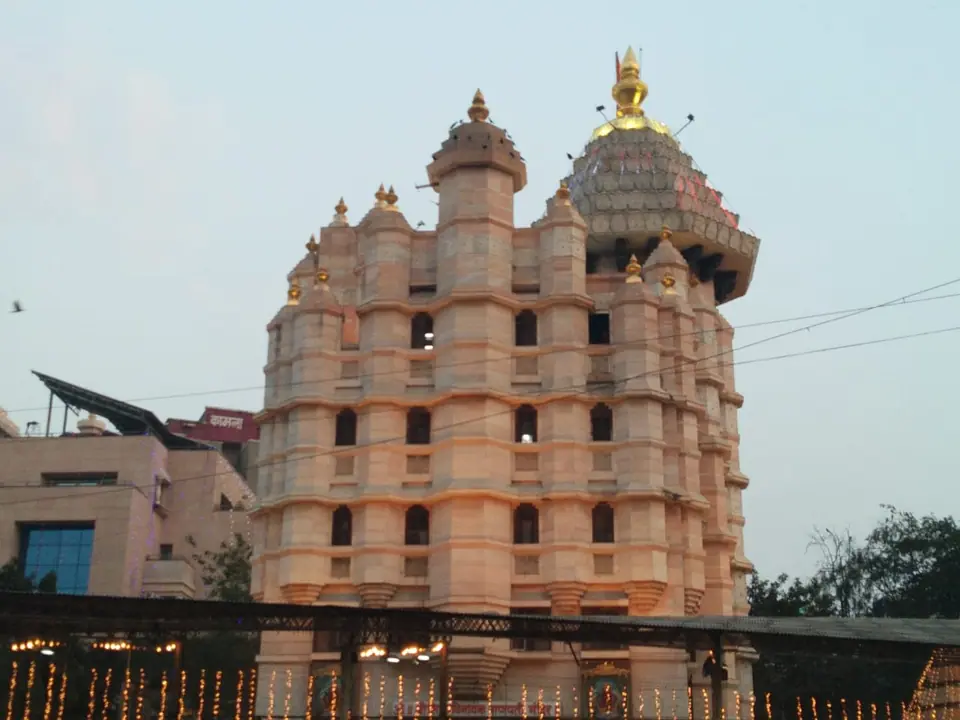
Siddhivinayak is a Ganesh temple in Prabhadevi, the neighbourhood between Dadar and Worli where textile mills once ran and old housing still stands. The shrine was first built in 1801 and has grown from a small local temple into one of the city's best-known places of worship, drawing devotees from across Mumbai and beyond. It sits at the centre of public life in the city. Politicians, film stars and families all make the same short climb up the steps, and the name means the Ganesh who grants success.
Prabhadevi has been a Marathi-speaking quarter for generations, with Koli fishing families to the west and later arrivals from the Konkan coast. Ganesh holds a particular place in the city's calendar: Ganeshotsav in August or September turns the streets into a procession route, and the temple is closely tied to that season. Tuesday is the busiest day of its week. The building seen today has been enlarged and rebuilt over the years, so this is a working modern shrine with a long memory rather than a single intact antique structure.
What to see at the shrine
Walk in from the Prabhadevi side and the approach tells you what the place is: stalls of marigolds and durva grass, trays of coconut and modak, and a steady line of people heading the same way. Inside, the queue passes through a covered hall towards the sanctum, where the deity is shown for a few seconds before the line moves on. Keep the pace, take your moment, and step aside only where the volunteers direct you.
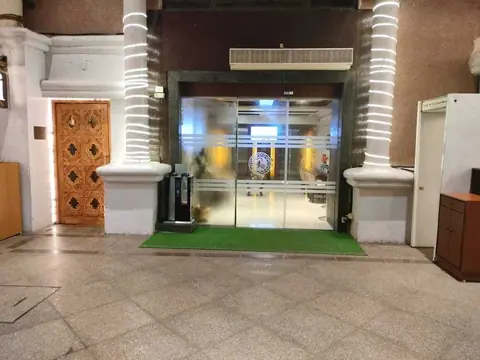
The shrine is compact and the darshan is quick, but the surroundings carry the visit: the lamp stands, the notices in Marathi and English, the heap of footwear at the gate, and the sound of the hall on a Tuesday. Families arrive with offerings, commuters stop on their way to the station, and the mood is purposeful rather than hushed. Look up at the decorated entrance and the lamps, which change with the festival calendar, then walk once around the outer hall before leaving.
- The sanctum, where the image of Ganesh is shown to a fast-moving line of devotees.
- The outer hall, where families wait, pray and meet neighbours before and after darshan.
- The flower and offering stalls on the approach road, busiest on Tuesdays and at festival time.
- The decorated entrance and lamp stands, which are redressed through the festival year.
Getting to Prabhadevi
The temple sits in Prabhadevi, with Worli about 1.5 km to the west and Dadar and Mahim roughly 1.6 km away. It is about 8.6 km from the centre of the city and 10.1 km from Chhatrapati Shivaji Maharaj International Airport, straight-line distances that road traffic can stretch considerably. Dadar is the big interchange for the Western and Central lines, and Prabhadevi has its own stop on the Western line. From the station the walk is short, though the pavements are crowded.
Autorickshaws do not run in this part of the city, so black-and-yellow taxis and app cabs do the work, and buses follow the main roads through Dadar and Worli. Metro Line 3 has a station named for the temple, and new lines and stations keep opening, so check the current network before setting out. Long-distance trains arrive at Dadar, Mumbai Central and CSMT, all within reach. Allow extra time in the monsoon, when heavy rain floods low-lying roads and slows the trains.
When to go and how long
Tuesday is the busiest day, when the line runs out of the gate and down the lane; a weekday morning is calmer, though the temple is never empty. Ganesh Chaturthi in August or September is the great festival of the city, and the shrine is at its fullest then, which is exactly what some visitors come for and what others should plan around. Navratri and Diwali bring their own crowds. Timings shift with festivals and seasons, so check before you go.
The visit itself is short: a few seconds in front of the sanctum, a little longer in the hall. Most of your time goes on the queue, the security check and finding your shoes again. On an ordinary morning the stop fits easily into a day that also takes in Worli and Dadar; on a Tuesday or during Ganeshotsav, keep the morning clear and expect to stand in the sun. Water and patience carry you further than a plan.
Nearby sights and places to stay
The temple is well placed for a wider day of sightseeing. Mahalaxmi Temple on Bhulabhai Desai Road is a short ride west, and the Haji Ali Dargah off Worli is reached by a causeway that fills at high tide. Worli has the Nehru Science Centre and the Nehru Planetarium, both useful with children. Across in Dadar, Shivaji Park is the city's great open ground, and the flower market near the station is at its best early in the morning.
For a place to stay, Prabhadevi itself is central and quiet at night, with the temple on the doorstep. Dadar and Worli next door offer plenty of choice and good transport links, which matters if you plan to travel by train. Bandra, further north, suits those who want to be near the airport road and the seafront, while Fort and Colaba in the south put the heritage sights within walking distance. Book ahead around Ganeshotsav, when the city fills up.
- Mahalaxmi Temple on Bhulabhai Desai Road, busiest during Navratri.
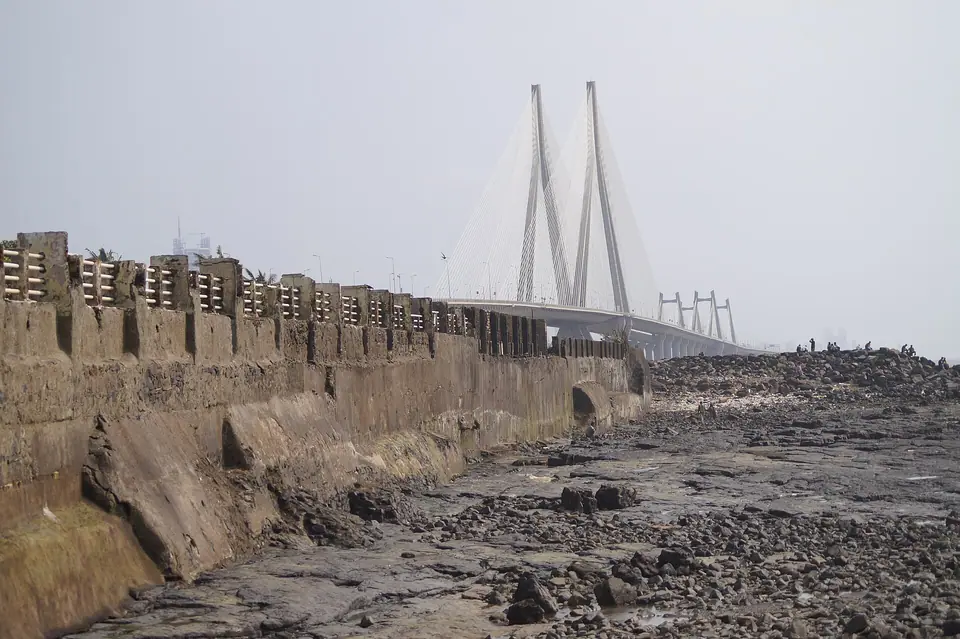
- Haji Ali Dargah off Worli, reached by a causeway at low tide.
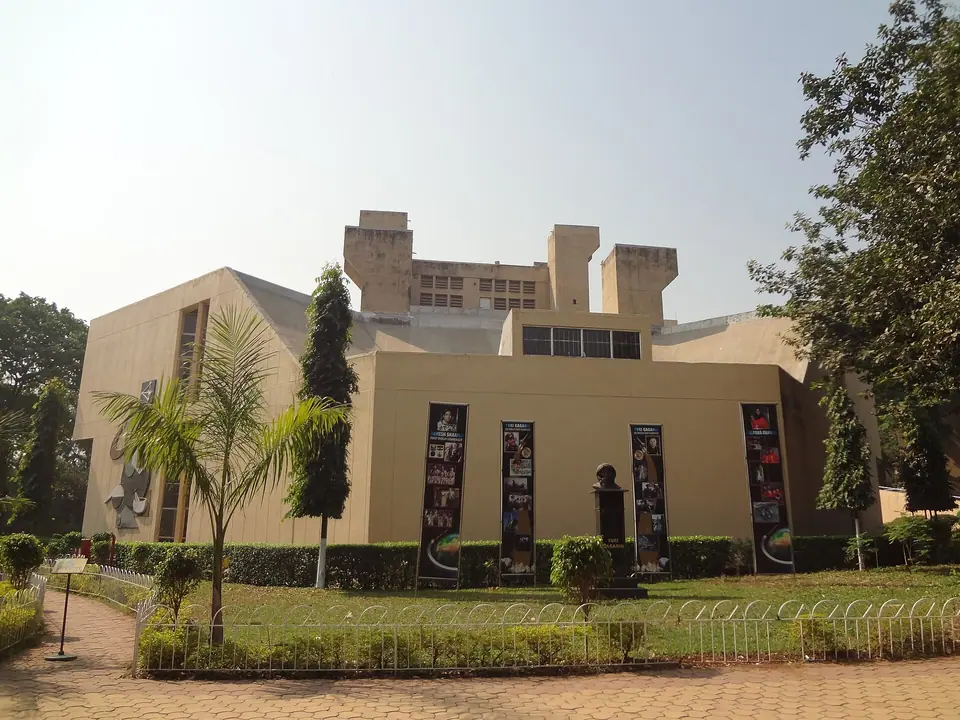
- The Nehru Science Centre and Nehru Planetarium in Worli, both good with children.
- Shivaji Park in Dadar, an open ground for walks and evening cricket.
Practical tips for visitors
Dress for a working temple: shoulders and knees covered, and loose clothes that cope with heat and a long line. Footwear comes off outside, so wear something easy to slip on and keep a bag for it. Some shrines ask that leather belts or bags stay outside, so check the notices at the gate. Inside, keep phones out of the sanctum, accept prasad with the right hand, and follow the volunteers on where to stand and which way to walk.
On Tuesdays and at festival time the queue is dense, so keep bags light and close to the body, and agree a meeting point with anyone you are with before joining it. Photography is usually restricted around the sanctum and sometimes through the whole queue; read the notices rather than assume, and ask staff if unsure. Security checks are standard at the gate. The lanes outside are narrow and full of traffic, so cross with care and keep children close.
Editorial review: 16 November 2026 · imptmumbai.in, written with AI assistance (see the editorial policy).