- Built
- 1640, by the Portuguese
- Also called
- Castella de Aguada
- Nearest areas
- Bandra West, Worli
- Timings
- Check before you go
What the fort is
Bandra Fort is the ruined shell of a Portuguese watchtower on the rocks at Land's End, the southern tip of Bandra, looking across Mahim Bay. The Portuguese built it in 1640 and called it Castella de Aguada, usually translated as the castle of the watering place, a name that recalls the freshwater springs that passing ships used. It was a lookout and a gun platform rather than a palace fort, and it watched the bay and the northern approach to the harbour.
The fort belongs to the Portuguese chapter of Bombay's history. The Portuguese held the islands from 1534, and the Catholic East Indian communities of Bandra and the northern villages grew up in that period. The islands passed to England in 1661 as part of Catherine of Braganza's dowry and were leased to the East India Company in 1668, by which time the watchtower had lost its purpose. What survives is a fragment: a landward wall of dark stone, an arched gateway, and a rock terrace above the water.
What to see
Walk in through the landward side and the scale is clear at once: this was a small post, not a fortress town. The wall is built of the dark basalt that underlies the whole island, laid in rough courses with a few later repairs in brick and cement. The gateway is the most complete piece and frames the sea behind you. Beyond it, the enclosure opens onto bare rock, with the tide below and gulls working the water.
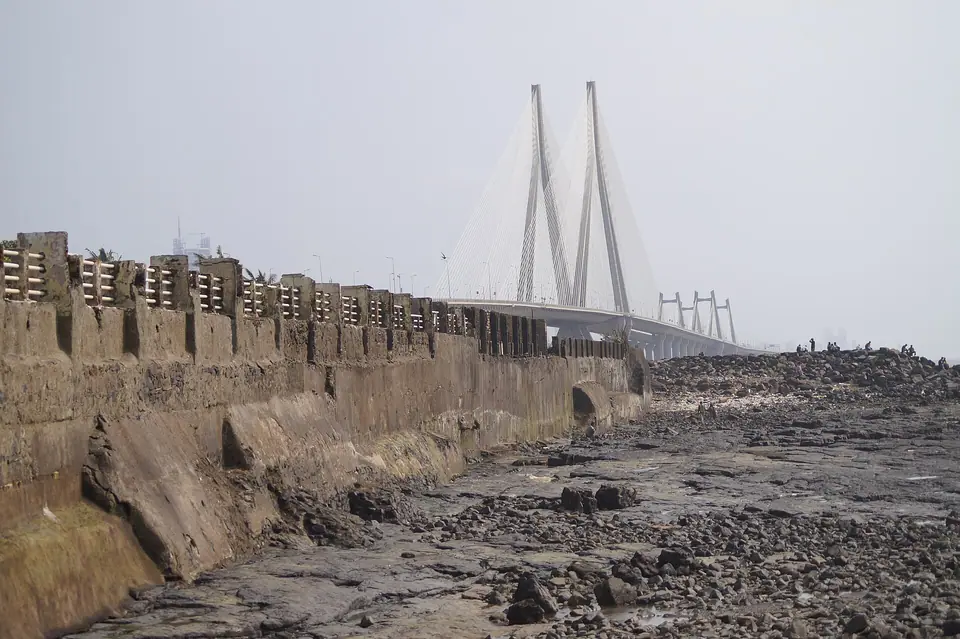
The reward here is the outlook rather than the masonry. Mahim Bay opens to the north-east, with the causeway carrying the road to Mahim and, further round, the towers of the western suburbs. To the south, the sea link between Bandra and Worli, opened in 2009, sweeps across the water towards Worli. At low tide the rocks below the fort show their full length, and fishermen work the shallows. There is no museum and no ticket office inside the walls, so the visit is all open air.
- The arched landward gateway, the most complete surviving piece of the Portuguese structure.
- The rock terrace above the bay, where the watchtower's lookouts kept an eye on shipping.
- The view south to the sea link between Bandra and Worli, opened in 2009.
- The tide line below the wall, best seen at low water when the rocks run out furthest.
Getting there
Bandra station is the obvious arrival point. It sits on the Western line, which runs from Churchgate through Marine Lines, Mumbai Central, Dadar and Bandra on its way to Andheri and Borivali, and it is also served by a branch of the Harbour line. From the station, taxis and app cabs cover the last stretch to Land's End. Walking is possible through the lanes of Bandra West, though the turns are not obvious to a first-time visitor.
By road, the fort sits a short distance from the northern end of the sea link between Bandra and Worli, which opened in 2009, and from the Mumbai Coastal Road, opened in stages from 2024. Autorickshaws are common in the suburbs; in the island city to the south, black-and-yellow taxis and app cabs do the work. Chhatrapati Shivaji Maharaj International Airport is the nearest airport, with two terminals, while Navi Mumbai International Airport opened in 2025, so check which one your flight uses.
When to go and how long
The dry months from November to February are the kindest: warm days, cooler evenings, and light that stays clear over the bay. March to May is hot and very humid, and the rock terrace holds the heat. The south-west monsoon arrives around early to mid June and lasts to about late September, bringing heavy rain, spray over the sea wall and slippery stone; dates vary each year, so check before you go. October is hot and humid again after the rains.
Give the fort a short stop rather than a half day. The enclosure is small, the walls carry no labels, and there is nothing to queue for, so the visit is mostly looking and standing about. Early morning is quiet and good for birds over the bay; late afternoon brings walkers to the Bandstand promenade and softer light on the seaward rock. Most people pair the fort with the promenade and Mount Mary Basilica, which makes a natural few hours on foot.
Nearby sights and food
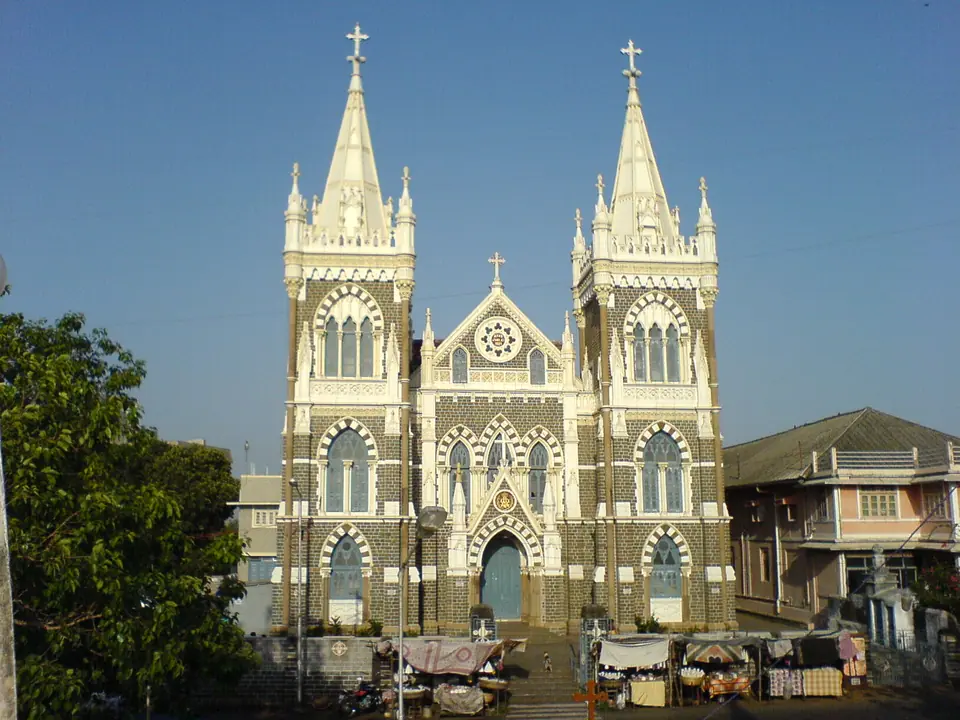
Bandra Fort sits at the end of the Bandstand promenade, so the walk back is the point as much as the fort. Mount Mary Basilica stands inland, its present church dating from 1904, and the Bandra Fair fills the lanes in the week after 8 September. Bandra West keeps traces of its East Indian and Portuguese past in church names, lane names and old houses, and the food follows the same history: fugias and sorpotel from East Indian kitchens, Parsi dhansak, and Irani cafe chai with bun maska.
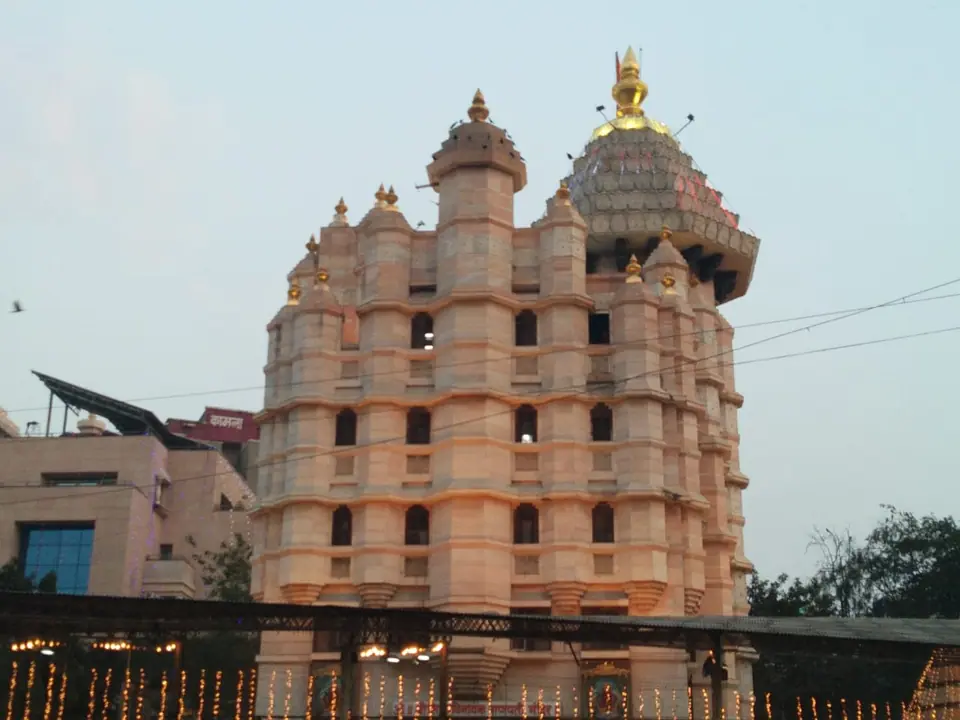
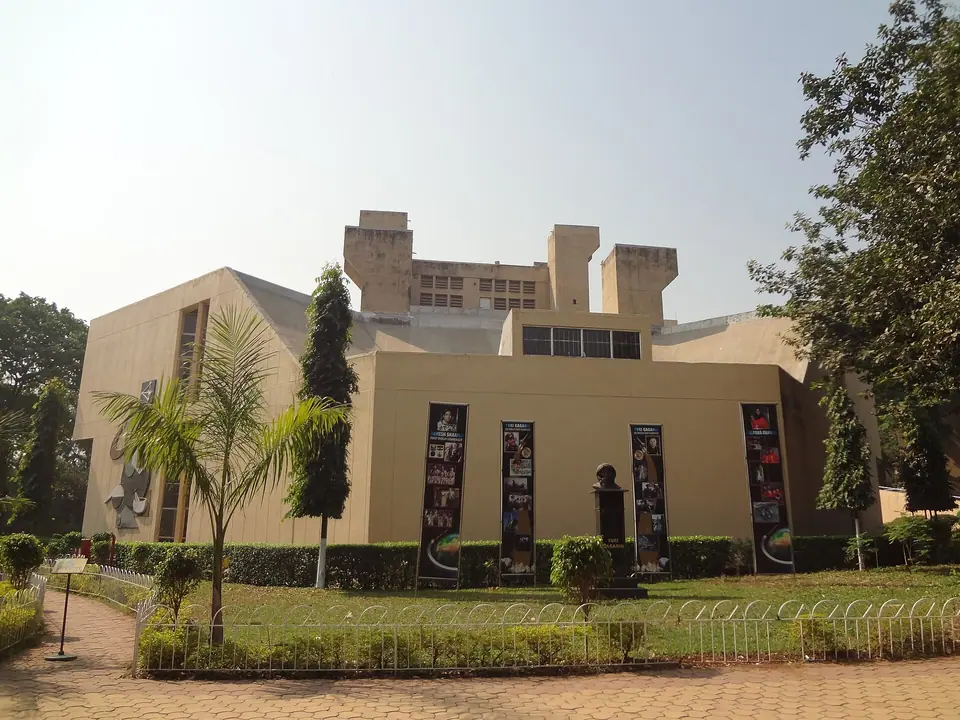
Worli lies 3.2 km away in a straight line and brings Haji Ali Dargah, built in 1431 on its islet and reached by a causeway at low tide, along with the Nehru Science Centre and the planetarium. Siddhivinayak Temple in Prabhadevi and the Mahalaxmi Temple on Bhulabhai Desai Road are both within reach by cab. North of Bandra, Juhu beach draws evening crowds; swimming is unsafe at most of the city's beaches, especially in the monsoon.
- Mount Mary Basilica, whose present church dates from 1904, a short walk inland from the fort.
- The Bandstand promenade, which fills with walkers towards evening and faces the open sea.
- Haji Ali Dargah in Worli, built in 1431 and reached by a causeway at low tide.
- Juhu beach to the north, where the sand is busy and swimming is unsafe.
Practical tips and where to stay
Dress for a seafront, not a monument: the fort is open to the weather, there is little shade on the rock, and a hat and water matter in the hot months. Nearby Mount Mary Basilica is a working church, so shoulders and knees covered is the polite default. Weekends and the Bandra Fair week are the busiest times, when the lanes to Land's End clog with traffic. Photography is straightforward in the open air, with the best light early and late; ask before photographing people at work on the rocks.
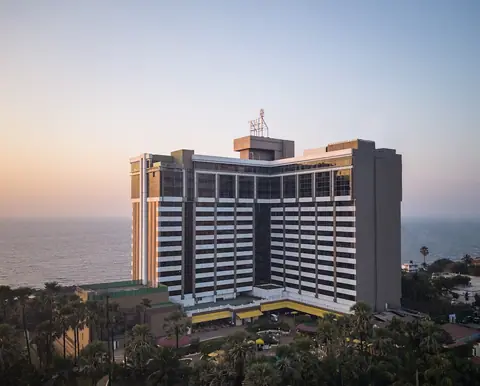
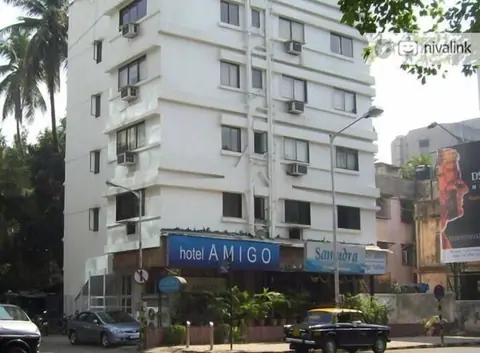
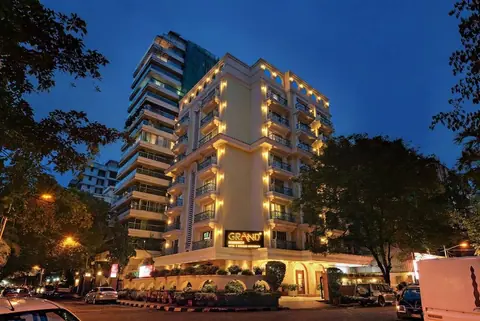
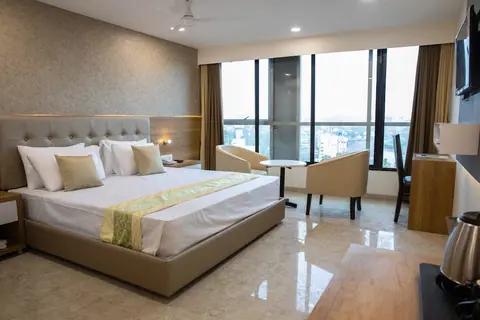
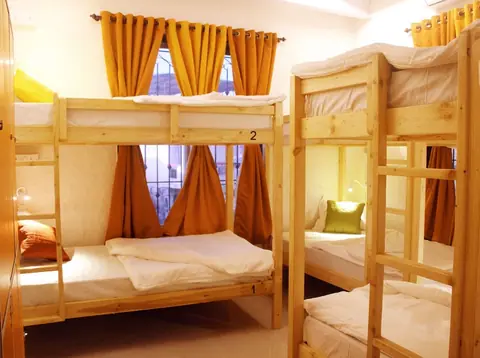
Bandra West is the natural base: the lanes between Bandra station and the Bandstand hold small places to stay, with the fort, the promenade and Mount Mary within walking distance. Worli, 3.2 km away in a straight line, suits a stay split between the sea link, Haji Ali and the science centre. First-time visitors often choose the island city around Colaba, Fort and Kala Ghoda for the heritage circuit, while Santacruz and Andheri East near the airport suit early flights. Book ahead for the Bandra Fair and the festival season, when dates move each year.
Editorial review: 16 November 2026 · imptmumbai.in, written with AI assistance (see the editorial policy).