- District
- Bandra West, Mumbai
- Community
- East Indian Catholics
- Village names
- Ranwar, Chimbai, Sherly
- Main feast
- Bandra Fair, after 8 September
Villages before the suburb
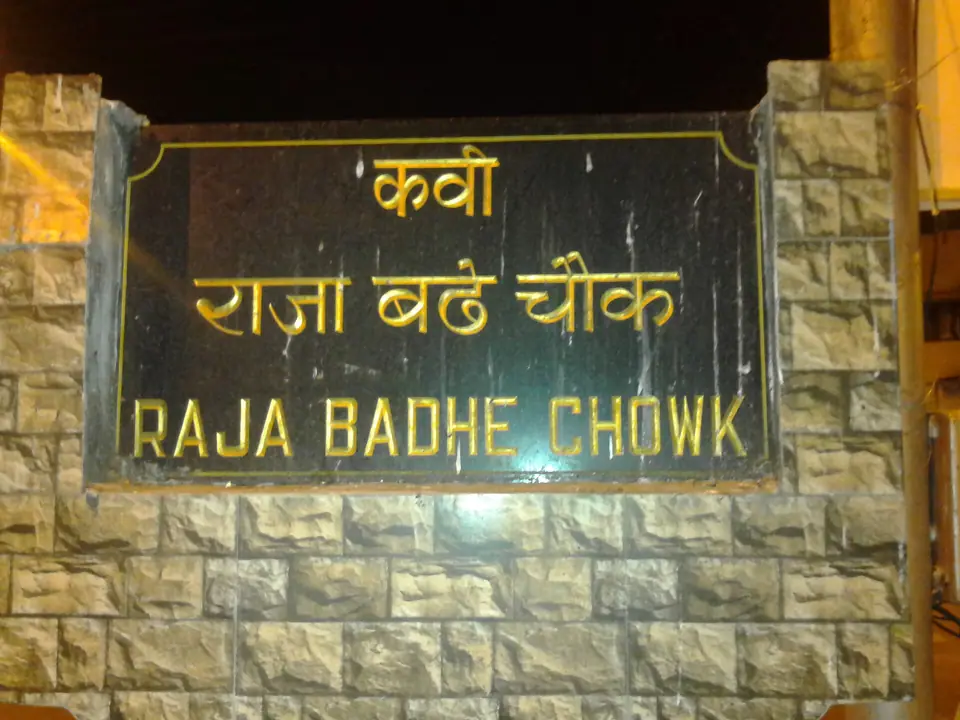
Bandra was a cluster of East Indian Catholic villages long before the railway and the apartment towers arrived. The community traces its roots to the early converts and the Portuguese period, and its villages kept a distinct pattern of lanes, crosses and small houses. Ranwar, Chimbai and Sherly are among the names that still appear on street signs and in local speech. The old village plan survives in patches, not as a museum set piece but as a lived-in quarter of Bandra West.
The East Indian identity in Bandra is tied to parish life, family names and feast days rather than to a single monument. Villagers speak of their own lanes as distinct places, with a cross, a chapel or a well at the centre. Many families have moved away, while others have restored or rebuilt houses within the old plots. The result is a layered streetscape where a Portuguese-era plot boundary can sit beside a modern block, and where the village name still carries meaning for residents.
Crosses at the lane ends
A village cross is often the first sign that you have left the main road for an older settlement. These crosses stand at junctions, outside chapels or near the seaward end of a lane. Some are simple stone forms; others carry a metal figure and a small shelter. They mark the Catholic life of the village and are treated as places of local devotion. Residents may stop to make a sign of the cross as they pass, and the cross can become a meeting point during feast days.
Look for the crosses on Chapel Road, in Ranwar and near the Chimbai lanes, where the old village grid is still readable. They are not formal sights and there is no ticket window. Approach them as you would a parish shrine: quietly, and without blocking a doorway or a resident's gate. If a service or a gathering is under way, wait or move on. Photography should be discreet, especially where people are praying or where a house entrance is in view.
- Start at the cross near Chapel Road, then follow the narrow lanes towards Ranwar.
- In Ranwar, watch for small shrines set into compound walls and above doorways.
- Near Chimbai, the cross and the sea air together mark the edge of the old village.
- On feast days, expect flowers, candles and visitors at the larger crosses.
Cottages and village streets
The old cottages of Bandra's East Indian villages are modest in scale: low fronts, sloping roofs, wooden balconies and small courtyards. Some have been repaired with concrete and tiles, while others keep carved woodwork and ochre or whitewashed walls. The pleasure is in the street rather than in a single house. Lanes bend around old plot lines, widen at a cross or a well, and narrow again between compound walls. These are homes, not heritage exhibits, so the view from the lane is what you can reasonably see.
Ranwar is the most often walked of the villages, with a compact network of lanes behind Hill Road. Chimbai sits closer to the shore and has a stronger sense of a fishing quarter, though the old houses and the newer buildings now share the same streets. Sherly, near Mount Mary, is quieter and more residential. A walk between them takes in parish churches, schools and small shrines, but the route is not a formal trail. Use the main roads as anchors and turn into lanes where the old houses are visible.
- Walk Ranwar's lanes slowly and look up at the wooden balconies and gables.
- In Chimbai, follow the lanes towards the shore and notice the mix of cottages and newer houses.
- Near Sherly, keep to the public lanes and respect gates and private courtyards.
- Use Hill Road and the Mount Mary area as landmarks rather than a fixed route.
Mount Mary and feast days
Mount Mary Basilica is the spiritual centre of Bandra's Catholic life and the focus of its main public feast. The present church dates from 1904, and the feast of the Nativity of Mary on 8 September draws pilgrims and visitors. The Bandra Fair follows in the week after the feast, with stalls and crowds around the basilica. For the East Indian villages, the fair is both a religious occasion and a homecoming, when families return to the lanes and meet outside the church.
Feast days in the villages are smaller than the Bandra Fair but no less important. A chapel may hold a Mass, a lane may be decorated, and a cross may be garlanded. Christmas and Easter bring their own observances, and the East Indian kitchen takes centre stage at family gatherings. Dates move with the liturgical calendar, so check the parish notice or a local church bulletin before planning a visit. The fair dates also change each year, even though the feast itself falls on 8 September.
Food and community life
East Indian cooking is one of the clearest ways the villages remain distinct. Bottle masala, the spice blend made once a year and stored in bottles, gives many dishes their colour and heat. Fugias, the small fried breads, appear at celebrations, and sorpotel is a feast dish with Portuguese roots. The food is home cooking rather than restaurant fare, tied to family recipes and parish occasions. If you are invited to a village home during a feast, accept the offer and expect a table shared with several generations.
Community life still revolves around the parish, the village cross and the school. The East Indian community in Bandra has produced teachers, musicians, cooks and church workers, and the villages hold their own informal networks. A wedding, a funeral or a feast can bring a lane to a standstill, with neighbours helping and visitors arriving. This is not a performance for outsiders. The traveller's role is to observe the public side of these occasions with respect, and to leave the private side of family and faith alone.
Visiting with care
These villages are residential, so the first rule is to treat lanes as someone's front yard. Keep to public roads and paths, do not open gates or peer into windows, and ask before taking a photograph of people or a doorway. Sunday mornings are busy around the churches, while weekday afternoons are quieter for a walk. The monsoon brings slippery lanes and standing water, so footwear and timing matter. None of this is a formal visitor site with opening hours; the streets are simply part of Bandra West.
Start from Bandra station or the Mount Mary area and use the main roads to move between Ranwar, Chimbai and Sherly. Buses and taxis serve the main roads, and the lanes are best walked. Check the current transport arrangements before setting out, as routes and services change. Carry water and some cash, since small purchases are part of daily life, and keep a map on your phone. The aim is a slow, quiet walk that notices the crosses, cottages and parish buildings without turning a neighbourhood into a sightseeing circuit.
Editorial review: 16 November 2026 · imptmumbai.in, written with AI assistance (see the editorial policy).