- Location
- Central Mumbai, mill district
- Nearest station
- Lower Parel, Western line
- Airport distance
- 12.2 km from BOM
- Good for
- Theatre, food, families
From Mills to Mill Compounds
Lower Parel lies on the flat western side of the old island city, between the sea at Worli and the Central line at Parel. In the nineteenth century this was Girangaon, the mill district, where cotton mills spun and wove in long sheds and thousands of workers lived in low chawls around them. The names of the mill compounds survive on gateposts and in street names, and a few of the old sheds and chimneys still stand among the towers.
The textile strike of 1982 and 1983 lasted more than a year and left many mills unable to reopen. Over the following decades the land was sold and redeveloped. From the early 2000s the compounds filled with towers, shopping centres, cinemas and theatres, and with restaurants that spill into the old courtyards at night. The district now holds two faces at once: the sheds and chawls that survive, and the lit-up leisure ground built beside and above them.
A First Walk Through
Start at Lower Parel station on the Western line and walk west with the railway at your back. The road opens where the mill compound walls give way to a long stretch of shops, cinemas and eating places, and the footbridge above is a good place to take stock. Turn into the smaller lanes to see the chawls, the low two-storey rows where mill families lived, still hung with washing lines and small shrines. Keep the sea side in view as the street runs down towards Worli.
The walk is short and changes character twice: first the wide redeveloped stretch, then the quiet lanes behind it. Go in the morning for the light and the working streets, or in the evening when the courtyards fill and the theatres open. Weekdays are calmer than weekends, when the shopping centres draw crowds. Carry water and wear shoes that cope with uneven pavements and monsoon puddles. The old gateposts and chimneys are easy to miss from a moving car, so go on foot.
- The station footbridge, for a view across the old mill roofs towards the new towers.
- A surviving mill gateway or chimney, where the compound walls still carry the old names.
- The chawl lanes behind the main road, best walked quietly on a weekday morning.
- A converted mill building in the evening, for a play, a film or a concert.
- The western edge of the district, where the streets run down towards the sea at Worli.
Sights and Things To Do With Children
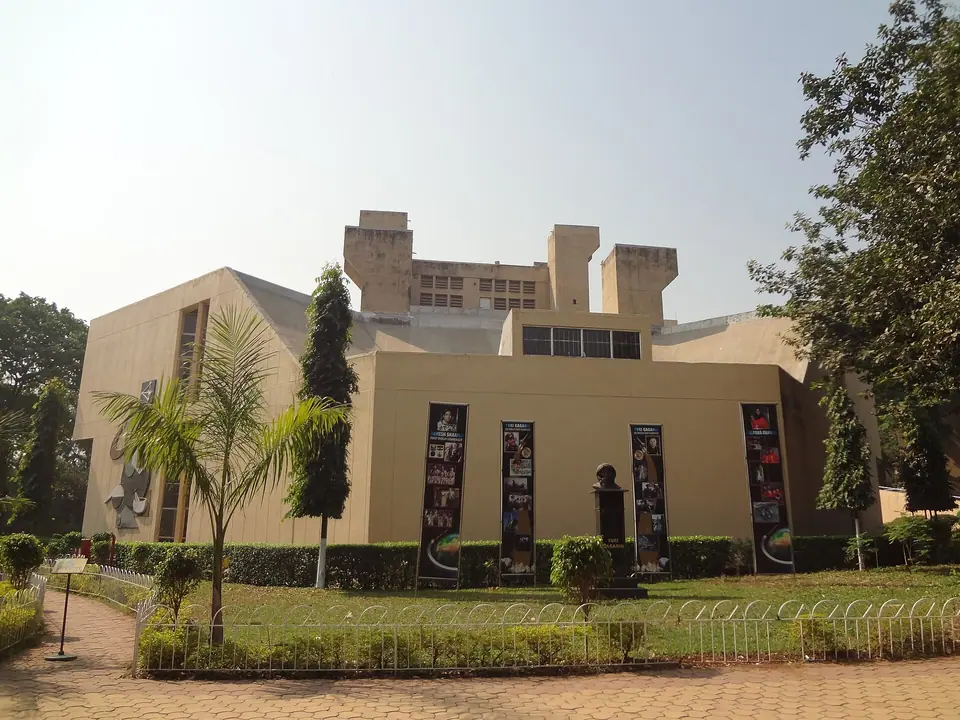
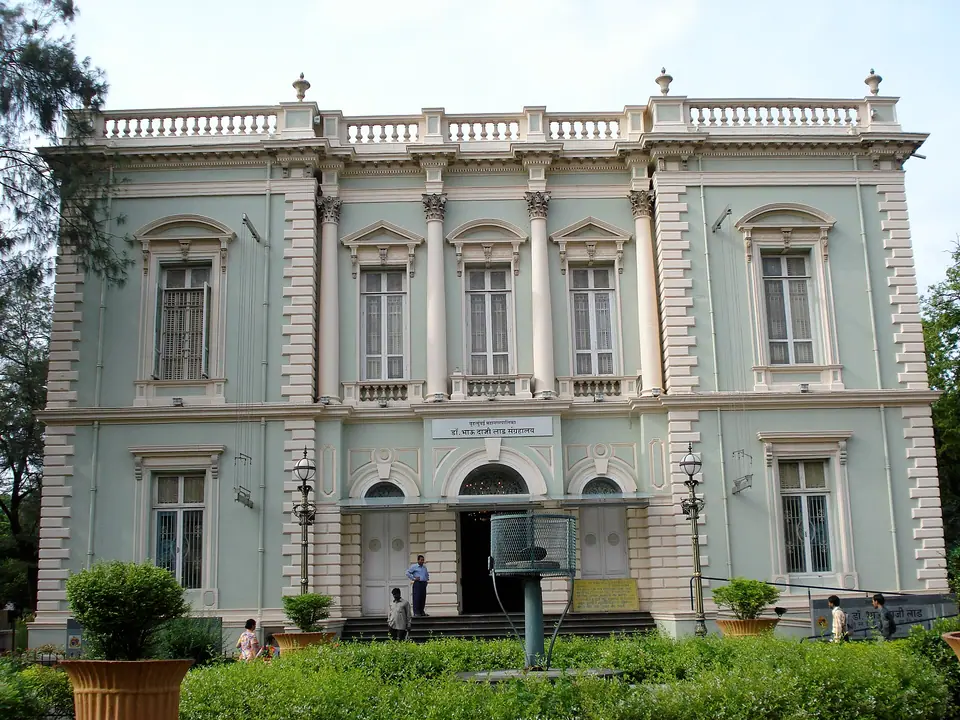
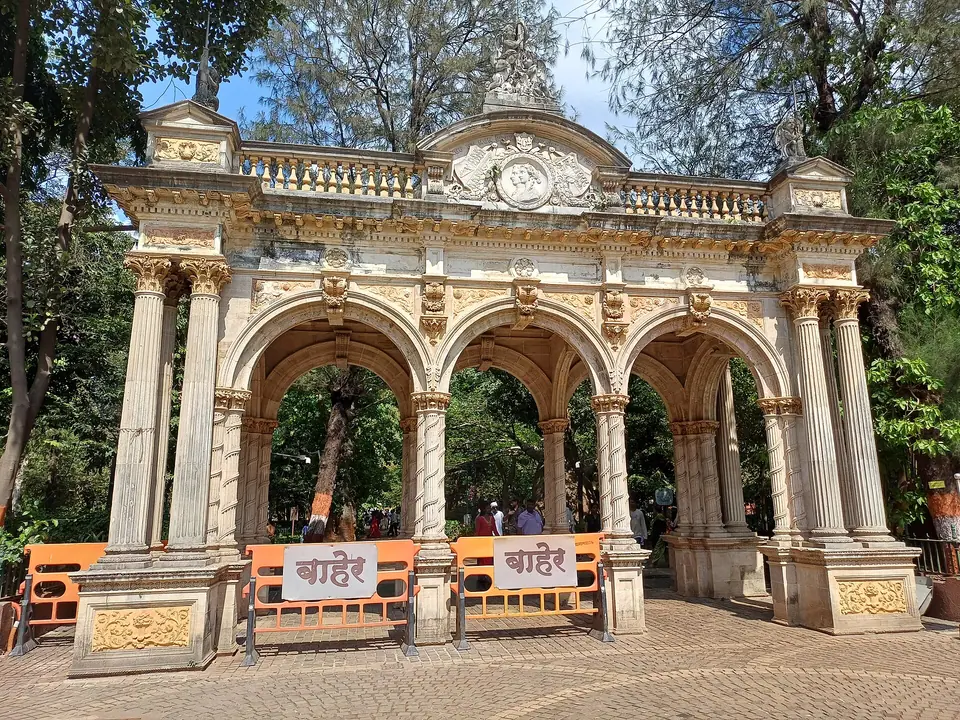
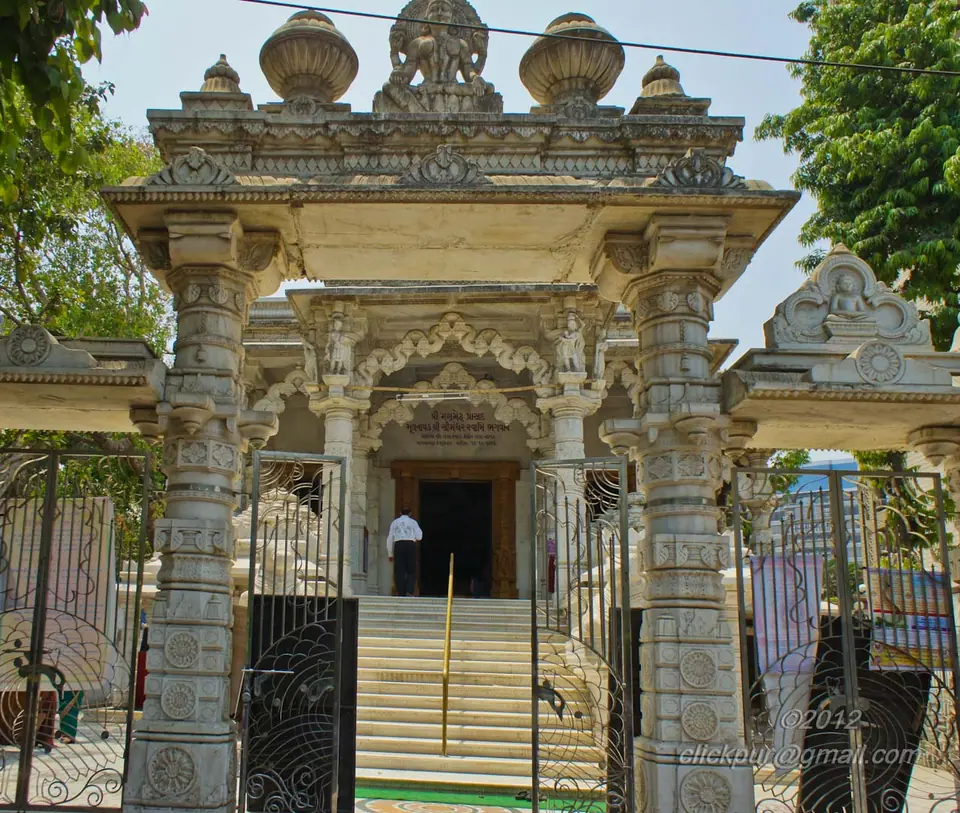
The district's biggest draw for families sits just outside it. The Nehru Science Centre in Worli, about 1.3 km away, has hands-on galleries and an outdoor science park, and the Nehru Planetarium is nearby. Rani Baug in Byculla, about 2 km, holds the zoo, gardens and the Dr Bhau Daji Lad Museum. Two busy temples are close: Siddhivinayak in Prabhadevi, roughly 2.3 km, and Mahalaxmi by the sea, about 3.2 km. Tuesdays are the busiest day at Siddhivinayak, and Mahalaxmi fills at Navratri.
Inside the district, the pleasure is mostly indoors and in the evening: cinemas, theatres and concert rooms in converted mill buildings, and shopping centres with food halls that suit a rainy afternoon. Children are welcome in most of these, though check the age guidance for a show before booking. Weekend programmes often include workshops and family screenings, so check what is on. For a slower hour, walk the courtyards and look for the old machinery, plaques and brickwork left in place.
- The science centre and planetarium, a short ride away and good for a wet afternoon.
- The zoo and botanical gardens at Rani Baug, with wide paths for small legs.
- A family film or a matinee show in one of the converted mill buildings.
- The courtyards of the mill compounds, where children can move about between shops.
- An early dinner of snacks and kulfi, before the evening crowds arrive.
Eating: Dishes and Kinds of Places
Street food is the quickest introduction. Look for vada pav, pav bhaji, bhel puri, sev puri, pani puri, ragda pattice, dabeli, Bombay sandwiches, kanda poha and misal pav, sold from stalls and small counters through the day. Cutting chai, half a glass, is the standard order. Finish with kulfi or falooda. Vegetarian stalls are common, and the busiest ones turn over their stock fastest. Portions are small, so try more than one.
For a sit-down meal, the district runs from seafood kitchens to Parsi and Malvani places. Order bombil, surmai, pomfret, prawns or tisrya (clams) if seafood suits you, or Parsi dhansak, patra ni machhi, berry pulao and akuri. Maharashtrian kitchens serve puran poli, thalipeeth, sabudana khichdi and kokum sol kadhi. Irani café fare, chai with bun maska or brun pav, is a good breakfast. Many restaurants take bookings, which helps at weekends, and the courtyards are pleasant after dark.
Getting There and Around
From Chhatrapati Shivaji Maharaj International Airport the district is about 12.2 km by road, and from the Navi Mumbai airport about 25.3 km; allow time for traffic, which is heavy through much of the day. Lower Parel station on the Western line is the simplest rail arrival, and CSMT is about 6.3 km away, Bandra about 6.6 km, the Gateway of India about 8.3 km. The underground Aqua Line runs through nearby Worli, and new stations keep opening, so check the current network before you travel.
Within the district you can walk between most of the mill compounds, though the main road is wide and fast and the heat slows you between ten and four. Autorickshaws do not operate in the island city, so black-and-yellow taxis and app cabs fill the gap; expect short waits at peak hours. The station footbridge links the two sides of the railway. In the monsoon, low-lying stretches flood and traffic stalls, so build slack into any plan.
Choosing Where to Stay
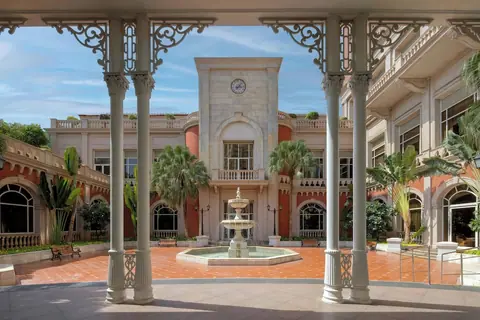
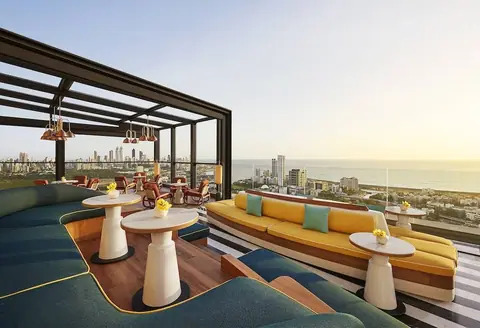
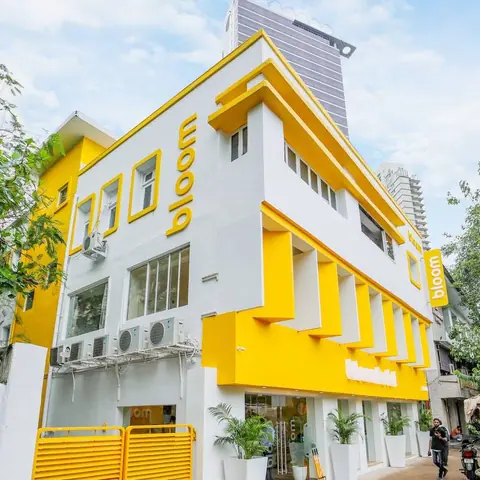
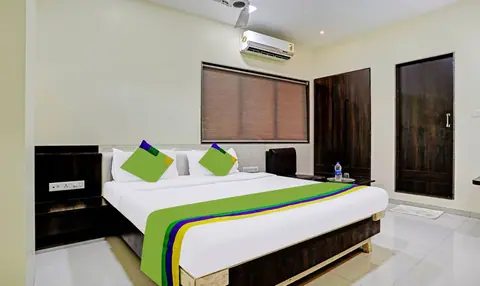
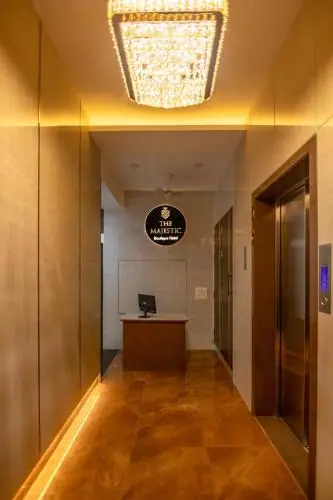
Stays in Lower Parel fall into two rough kinds: full-service hotels inside or beside the converted mill compounds, and smaller places on the main roads and the lanes off them. The first puts restaurants, cinemas and theatres within a short walk; the second is usually quieter and closer to the station. Neither is a beach stay: the sea at Worli is close but the water is not for swimming. Look at a map before booking, because the lanes behind the main road twist and the entrances are easy to miss.
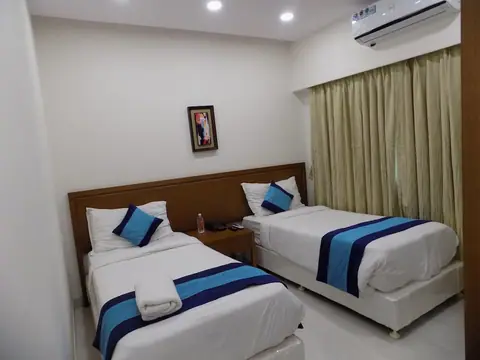
Weigh three things: noise, walkability and the monsoon. Rooms facing the main road or the railway carry traffic and train sound late into the night, so ask for a higher floor or an inner side. Walkability matters more here than a view, since most evenings end in a courtyard or a theatre a few streets away. In June to September, check how the entrance handles heavy rain before you commit. Families should ask about room size and whether a cot is available.
Editorial review: 16 November 2026 · imptmumbai.in, written with AI assistance (see the editorial policy).