- Area
- Central Mumbai, east of the island city
- Airport distance
- 6.5 km from Mumbai airport
- Rail access
- Central line at Sion; Harbour at Wadala
- Best season
- November to February, cooler and dry
The character of Sion and Wadala
Sion and Wadala sit on the eastern side of the island city, between the markets of Parel and the creeks that separate Mumbai from Navi Mumbai. This is not a sightseeing district and makes no claim to be one. It is where people live, study, work and catch trains. The streets fill early with commuters, students, hospital visitors, porters and traders, and the tea stalls stay open through the day.
The two neighbourhoods have different rhythms. Sion is the busier of the two: a Central line station, a large government hospital, colleges and a knot of roads that carry traffic south to Parel, west to Bandra and north to Kurla. Wadala is lower and quieter, with salt pans, older housing colonies and the Harbour line. Both are residential first. Move quietly, dress plainly, and treat station areas and markets as places where people are working.
Salt, rail and the Sion fort
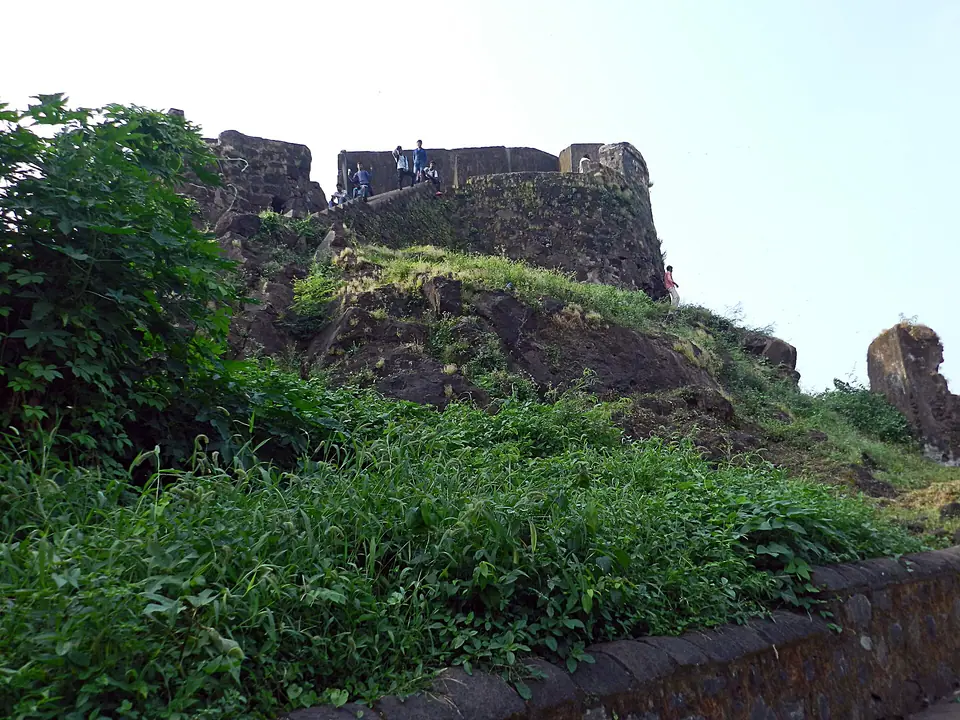
For a long time the low ground here was marsh and salt pan, flooded by high tides and worked seasonally by salt makers. The railways and the causeways of the 19th century pulled the area into the growing city, close to the mills of Parel and the docks to the south. Sion Fort, on its hillock above the road, was a lookout of the 17th century, held in turn by the British and the Marathas. A gateway, a small tank and stretches of wall remain.
The 20th century added the institutions that define Sion today: the big public hospital, the colleges, the bus depot and the housing colonies. The salt pans shrank as the city spread. Some are still worked in the dry months, and the creeks to the east draw flamingos and waders in winter, which is reason enough for a slow walk along the edge at dusk. Check before you go, as access to the pans is not always open.
- Sion Fort's gateway, tank and walls, on the hill above the station.
- The salt pans and creek edge in Wadala, best in the dry months.
- The parish churches of the old Koli and East Indian settlements, still in weekly use.
- The railway colonies and chawls near Wadala Road station, with shaded verandas.
A first walk through the area
Begin at Sion station on the Central line. The hill with the fort is close by and visible above the roofs; ask at the station for the path, and check whether the gate is open, because access is not always granted. The climb is short and the view is wide: the creek, the highway, the salt pans and the towers of the city fading north and south. Allow an hour.
From the fort, walk down towards the creek edge in the late afternoon, when the light softens and the birds come in to roost. Then take a train or a cab to Wadala Road for the evening. The market streets there are at their best after five, when the fruit carts, snack stalls and household shops are all open and the air smells of frying oil, diesel and the sea. Finish with tea and something sweet.
What to see and do with children
The area has few ticketed sights, and that is the point. It rewards walking, looking and eating rather than queuing at a counter. The fort hill, the creek edge, the market streets and the station footbridges make a half day. For the bigger draws, the wider city is close: the museums of Byculla and Kala Ghoda, the science centre and planetarium at Worli, and the Gateway of India, where ferries leave for Elephanta.
Children tend to enjoy this area more than adults expect. Trains are constant entertainment, the fort hill is a small climb with a big view, and the creek holds birds for anyone patient enough to stand still. The market streets supply colour, noise and snacks. Watch children closely at station entrances and on footbridges, keep hold of hands in crowds, and avoid the water's edge in the monsoon.
- Climb the fort hill for the gateway, the tank and the view.
- Watch the suburban trains from a station footbridge.
- Look for flamingos and waders at the creek edge between November and May (check before you go).
- Walk the Wadala market streets for fruit, snacks and everyday household goods.
- Ride a train to Byculla or Kala Ghoda for the museums.
Eating: thalis, seafood and street snacks
Maharashtrian cooking is the base here: kanda poha for breakfast, misal pav, vada pav, thalipeeth, sabudana khichdi, and puran poli at festival time. The coast shows up in Koli and Konkan kitchens, where bombil, surmai, pomfret, prawns and tisrya (clams) are fried, curried or cooked in a thick masala. East Indian families cook with bottle masala, a spice blend made once a year, and serve fugias and sorpotel at celebrations.
Places to eat are plain and useful rather than designed for visitors. Expect station-side snack counters, thali rooms with steel plates and quick service, family seafood kitchens with plastic chairs, and vegetarian lunch houses near the colleges where students eat at midday. For Parsi dishes such as dhansak and akuri, head south to the old Irani cafés of the Fort. End the day with kulfi or falooda from a sweet counter, eaten standing up.
Arriving, getting around and where to stay
Chhatrapati Shivaji Maharaj International Airport is about 6.5 km away in a straight line, and the drive via the Eastern Express Highway is short in distance but slow in traffic at peak hours. Navi Mumbai International Airport, across the creek, is about 22.5 km off; check which airport your flight uses. From CSMT, take a Central line local to Sion, or a Harbour line train to Wadala Road. Bandra station is under 3 km away.
Within the area you can walk most of what is worth seeing. Black-and-yellow taxis and app cabs serve the whole island city. Autorickshaws are common in the suburbs but do not operate south of Bandra and Sion, so confirm before you get in near the boundary. The suburban railway is the quickest way south and to Bandra. New Metro lines keep opening across the city; check the current network before you plan a route.
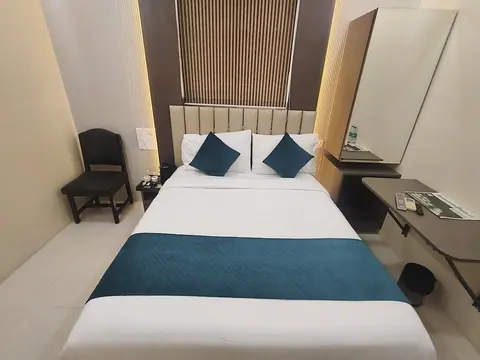
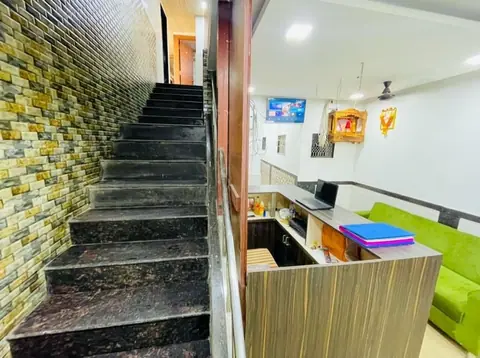
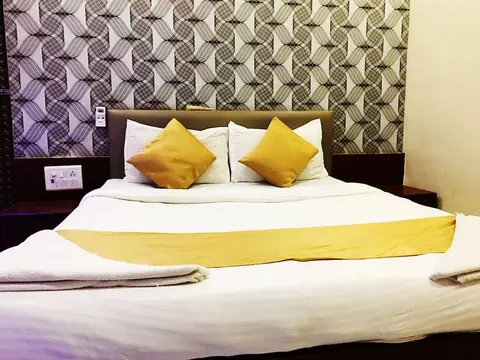
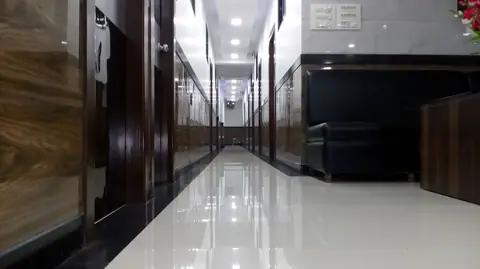
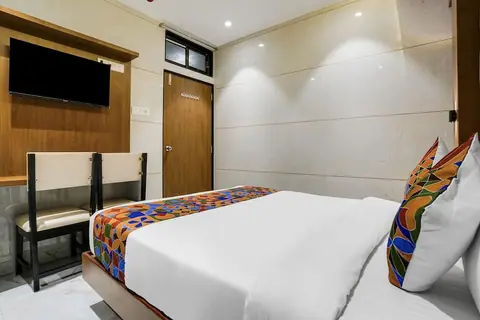
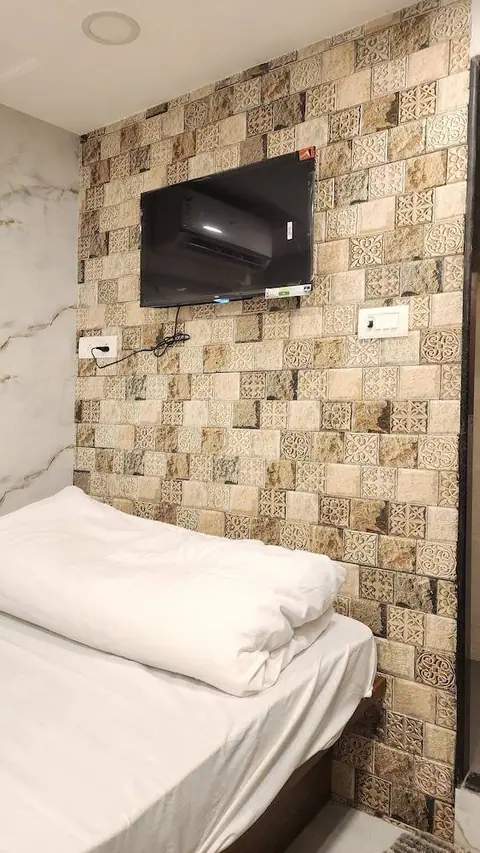
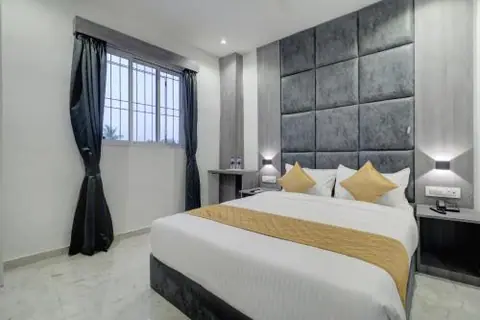
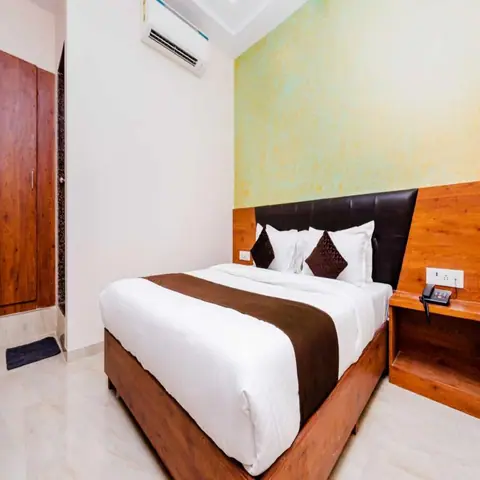
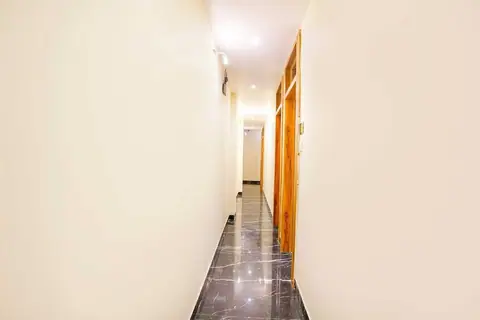
Stays here are mostly small hotels, guesthouses and serviced flats in newer buildings rather than large hotels. Choose near Sion station if rail access matters, near Wadala Road for quieter streets and the creek, and near the hospital only if you have reason to be there, since traffic is heavy. Ask about road noise, about backup power in the monsoon, and whether the lane outside floods. Check before you go, and book ahead in the dry season.
Editorial review: 16 November 2026 · imptmumbai.in, written with AI assistance (see the editorial policy).