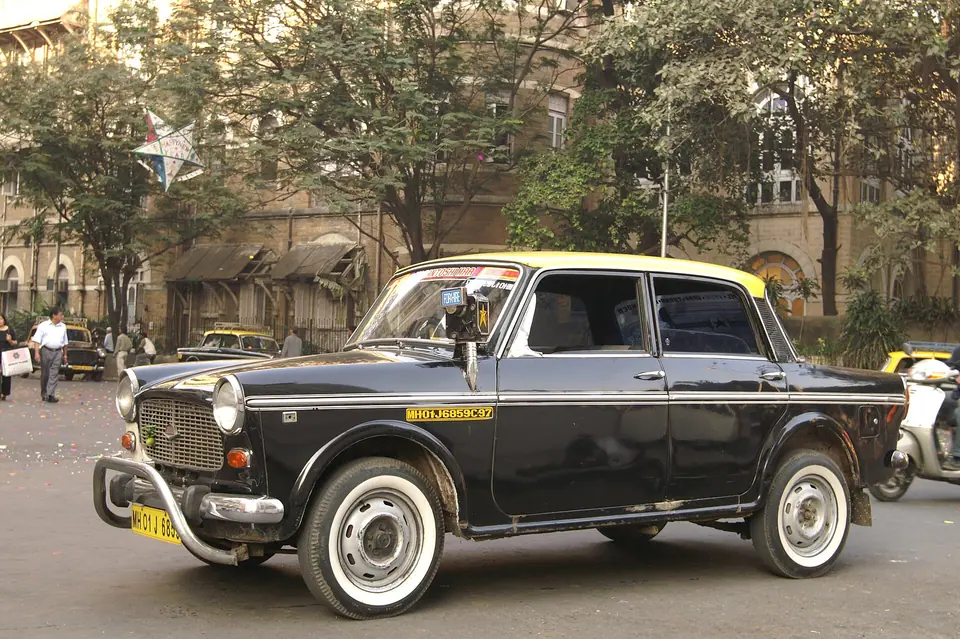
- Area
- CSMT and Crawford Market
- Good for
- Spices, textiles, leather, brass
- Local buys
- Bottle masala, Kolhapuri chappals, chai
- Plan around
- Morning visits; check closing days
Crawford Market and the old bazaars
Mahatma Jyotiba Phule Mandai, known to everyone as Crawford Market, was completed in 1869 and carries bas-reliefs by John Lockwood Kipling above its entrances. Inside, the stalls run from fresh fruit and vegetables to dry fruit, groceries and spices, with wholesale counters set behind the retail ones. It sits within walking distance of Chhatrapati Shivaji Maharaj Terminus, so the whole area works as a single shopping walk. Mornings are calmer, the light is better and the stallholders have time to talk.
The lanes around the market matter as much as the market itself. Abdul Rehman Street is known for dry fruit and nuts, Mutton Street for Chor Bazaar and its old brass, furniture and film posters, and Kalbadevi and Bhuleshwar for cloth and household goods. Most Chor Bazaar shops close on Fridays, so check before you set out. Wear shoes you can walk in, carry water, and keep a little cash for the small purchases that card machines cannot always handle.
Spices, masalas and kokum
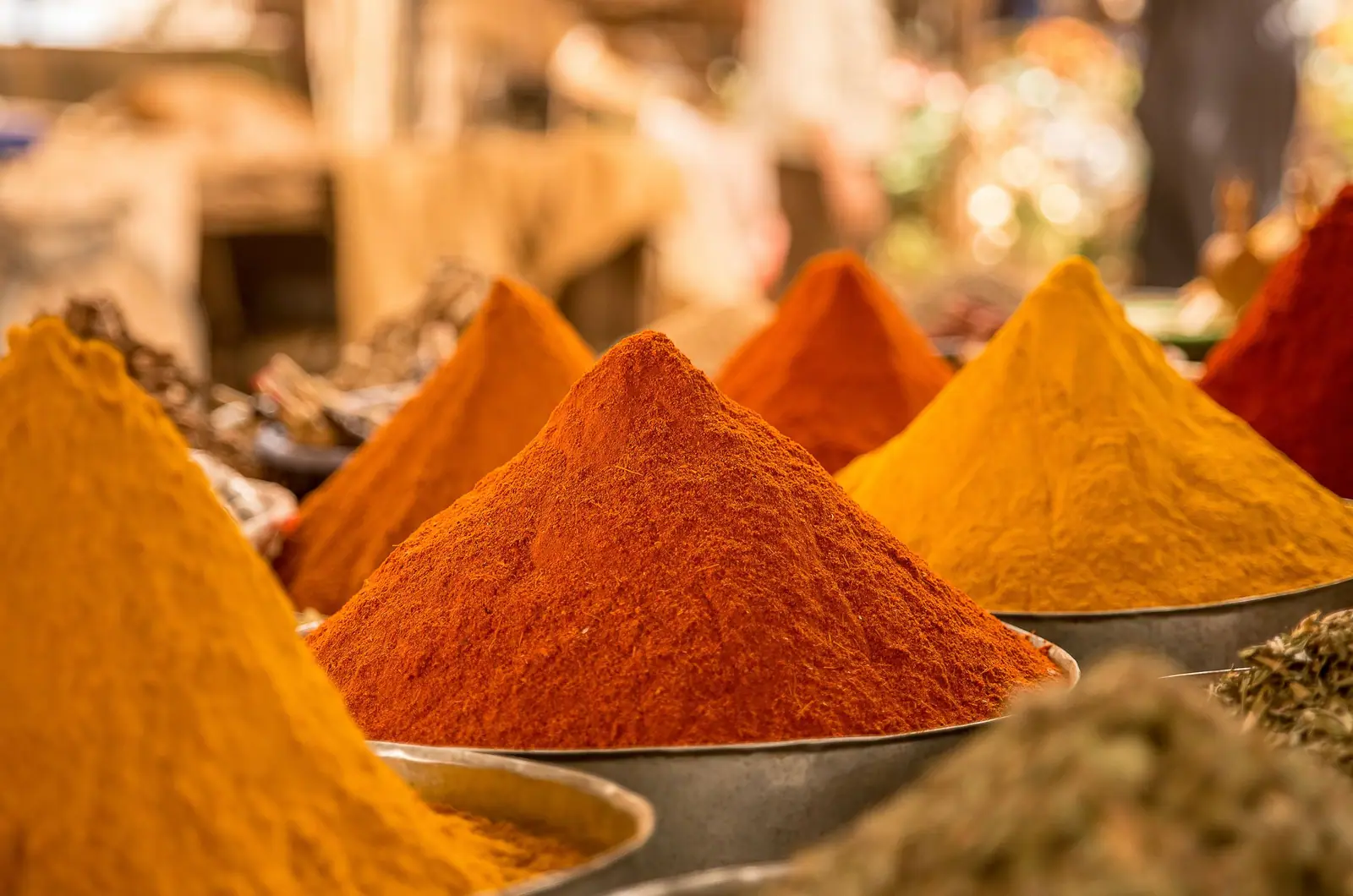
Loose spices are sold by weight from open sacks, and the busiest stalls are usually the freshest. Look for whole spices: cumin, coriander seed, mustard, cardamom, cloves, black pepper and dried red chillies, plus turmeric and chilli powders. Ask to smell before you buy, since ground spices fade faster than whole ones. Konkan and Malvani blends sit alongside East Indian bottle masala, a family mixture made once a year and stored in bottles, which is how it got its name. Vendors will usually bag and seal purchases for travel.
Kokum is the other useful buy. The dark purple fruit is dried and sold in pieces, and kokum syrup makes a summer drink in many homes; sol kadhi, the pink coconut and kokum broth served with seafood, uses it too. Dried fruit and nuts from the stalls nearby travel well and weigh little. Before packing any food, check your own country's rules on seeds, plants, dairy and meat products; customs and agriculture authorities publish what they allow.
Cloth, block print and Paithani
Mangaldas Market, in the lanes behind Crawford Market, is the old cloth bazaar: bolts of cotton, dress material, furnishing fabric and lace stacked to the ceiling. Bhuleshwar and Kalbadevi nearby add sarees, dupattas and ready-made pieces. Fixed-price shops sit next to wholesale counters, so ask which one you are standing in before you start choosing. Cotton yardage is the easiest thing to carry home: it is light, it folds flat and it makes a useful gift in lengths of two or three metres.
Maharashtra's own weaving is worth seeking out. Paithani sarees, woven at Paithan and around Yeola, are known for their silk, gold borders and peacock motifs, so buy only where the seller can explain the weave. Bandhani tie-dye from Gujarat and block-printed cloth from Rajasthan are sold widely in the same lanes. For everyday gifts, look at handloom cotton towels and stoles. Ask whether a dye is colour-fast, and check the label if you want genuine handloom.
Kolhapuris and leather goods
Kolhapuri chappals are the soundest small purchase in the city for most travellers. They are hand-stitched in Kolhapur and usually tanned with vegetable dyes, so the leather softens and moulds to the foot. New pairs can be stiff; wear them indoors for a few days before a long walk. In Mumbai they turn up in the lanes around Bhuleshwar and Dadar and in the arcades near Crawford Market. Buy in the morning, when the shopkeepers are less hurried and the fitting takes as long as it needs.
Leather bags, belts, jackets and sandals are made in small workshops in Dharavi, where many units have worked for decades. Visits are possible but should be arranged in a way that respects the workshops and the people working in them. In the monsoon, leather needs care: dry wet shoes away from direct heat, keep them in cloth rather than plastic, and use a neutral wax or cream now and then. A well-kept pair of chappals can last for years.
- Check the stitching at the toe post, where most wear begins.
- Look at the sole: a stitched leather sole can be repaired, a glued one often cannot.
- Smell the leather; a strong chemical smell suggests poor tanning.
- Try the pair on in the afternoon, when feet are slightly larger.
Food gifts that travel well
Packaged farsan is the simplest edible souvenir: sev, chakli, chivda and similar savouries are sold sealed in sturdy packets and survive a flight better than anything soft. Chai masala and loose-leaf tea are light and welcome. Sweet shops sell mithai by weight, but milk-based sweets have a short life and fare badly in heat; the cool, dry months from November to February are more forgiving. Kokum syrup and pickle travel in bottles, so wrap them well and expect a second look at security.
Alphonso mangoes arrive in the hot weeks before the monsoon, and boxes are sold for gifting. Fresh fruit is restricted in many countries, so check before you plan around a box. Bottle masala, dried kokum and whole spices last longer and raise fewer questions. If you are buying for people at home, think about what they will actually cook: one good masala blend, a packet of sev and a jar of pickle say more about the city's kitchens than a decorative tin.
- Choose sealed packets with a clear date printed on the label.
- Carry bottles upright, each one wrapped in a cloth and a plastic bag.
- Keep strong-smelling spices away from tea and sweets.
- Check the security rules on liquids before packing syrups.
Packing, bargaining and rules
Bargaining is expected in the loose-goods markets around Crawford Market and in Chor Bazaar, and it is done with a smile and a rough idea of what you want to pay. Fixed-price shops, craft outlets and government emporia mark their goods and expect the marked amount. Ask before taking photographs of stalls and of people. Say no clearly if you are not interested, then walk on; a long negotiation that ends in nothing wastes everyone's morning.
Pack textiles flat at the bottom of the case, spices double-bagged in the middle, and leather in cloth bags with room to breathe. Old objects need care: antiques and antiquities above a certain age need an export certificate, and ivory and sandalwood are restricted, so ask the seller and check with the Archaeological Survey of India before buying. Keep receipts for anything valuable, and read your own country's import rules on food, leather and wooden items.
Editorial review: 16 November 2026 · imptmumbai.in, written with AI assistance (see the editorial policy).