IMPT MumbaiPowered by IMPTRegisterFind a stay
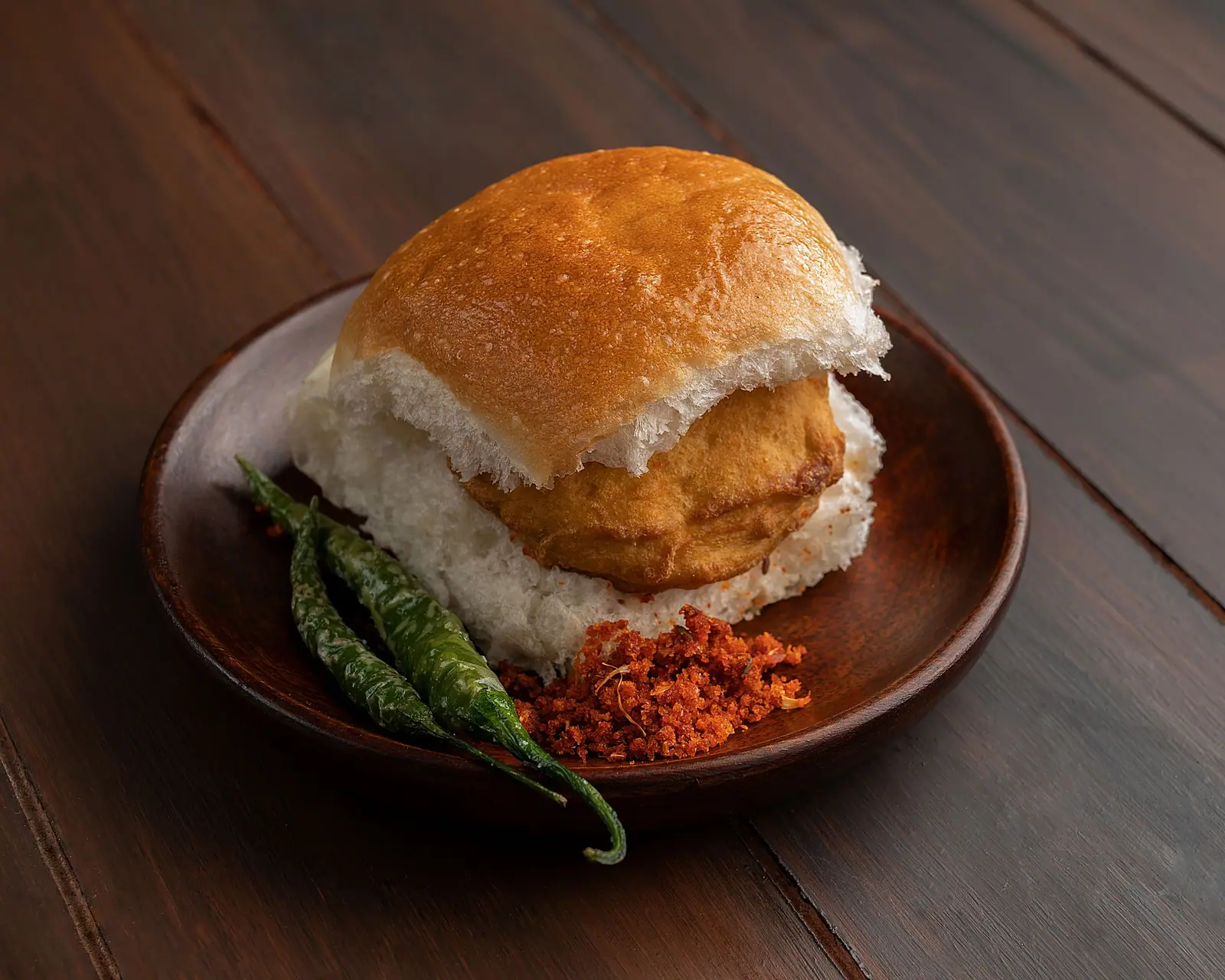
Vada pav with a fried green chilli and chutney
Blog · Food

Mumbai street food: what to eat

From the station-stall vada pav to bhel on the beach — the snacks that power the city.

Must-try
Vada pav
Beach snack
Bhel puri
Late night
Mohammed Ali Road
Drink
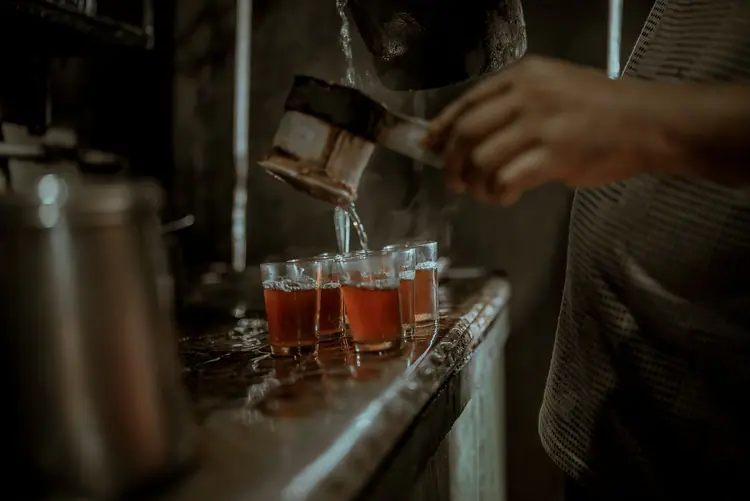
Cutting chai

Mumbai eats on the move. Millions of people travel long distances every day, and the city’s food culture grew up around stations, beaches and office districts — quick, cheap and full of flavour. Street food here is a shared experience across every income and community.

The essentials

  • Vada pav: a spiced potato fritter in a soft bun with dry garlic chutney and fried green chilli — Mumbai’s signature snack.
  • Pav bhaji: a buttery, spiced mash of vegetables served with toasted buns, a beach favourite at Juhu and Chowpatty.
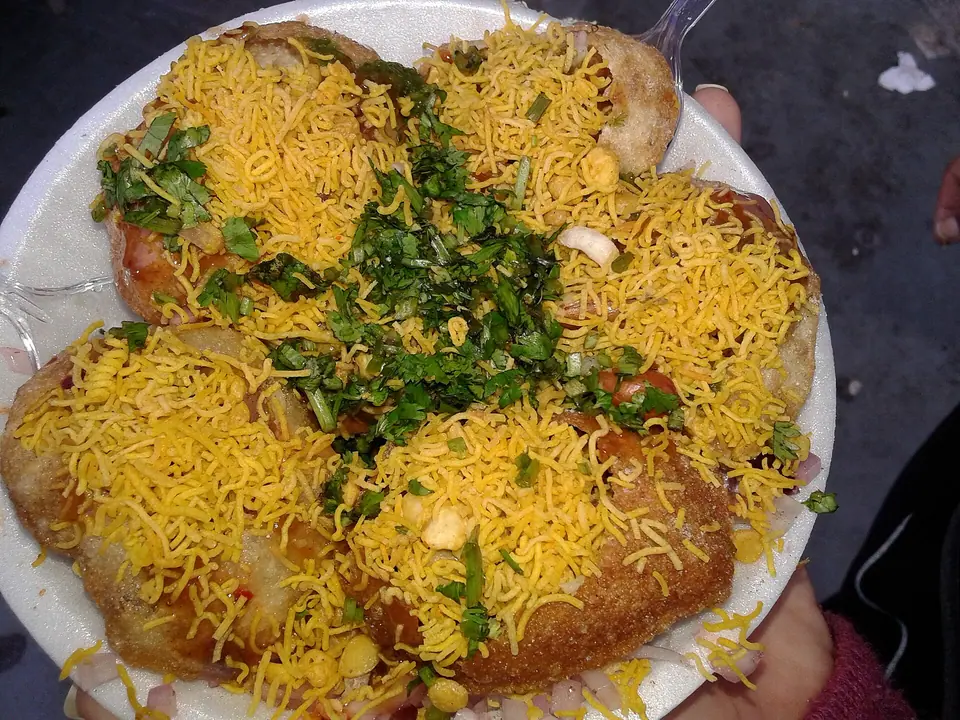
  • Bhel puri and sev puri: puffed rice or crisp puris with onion, potato, tamarind and green chutneys.
  • Pani puri: hollow puris filled with spiced water — eat them in one bite.
  • Misal pav: a spicy sprouted-bean curry topped with farsan, from Maharashtrian kitchens.
  • Kebabs, baida roti and malpua along Mohammed Ali Road, especially during Ramzan evenings.

Irani cafés and chai

The city’s surviving Irani cafés, founded by Zoroastrian migrants from Iran, serve bun maska (buttered bun), brun pav and sweet milky chai at marble-topped tables. ‘Cutting chai’ — a half glass of tea — is sold from stalls on almost every corner.

Eating safely

  • Choose busy stalls with high turnover, where food is cooked in front of you.
  • Drink bottled or filtered water; be cautious with ice and uncooked garnishes if your stomach is sensitive.
  • Carry small notes or use UPI; most vendors accept phone payments.

Ordering At A Stall

Watch the stall before joining the queue. A steady flow of local customers, food fried or assembled to order, and a clean serving surface are useful signals. State whether you want the dish plain or with chutney, and ask for less chilli if needed. Many stalls cook in batches at peak times; waiting for a fresh batch can improve the texture. Payment methods vary from stall to stall, so keep a small cash reserve and check card or phone payment before ordering.

Eat where you stand if the stall has no seating, and move aside for the next customer. Carry napkins or a hand sanitiser, and use bins where provided. Some stalls expect plates and glasses to be returned; others collect them. If a dish is meant to be shared, ask for extra spoons or paper plates. Photography may be unwelcome at working stalls, so ask first. At markets, keep bags close and avoid blocking narrow lanes. Keep a little space at the counter so orders can be passed through.

Neighbourhood Food Walks

Girgaon and Chowpatty suit an evening walk: start near Khotachiwadi, move through Bhuleshwar for Mumba Devi temple, then finish by the sea for bhel puri and kulfi. Mohammed Ali Road is busier during Ramzan, when dates move each year and crowds swell after sunset. Dadar has a mix of Maharashtrian snacks and street chaat. Bandra and Juhu are more spread out, so choose one area rather than trying to cover both on foot. Carry water and a small bag for your own waste.

Crawford Market and the lanes around Fort reward a morning visit, when produce and snack stalls are active. Chor Bazaar sells old goods rather than food, and most shops close on Fridays. Colaba suits a short walk from the Causeway towards Sassoon Dock, with early ferry traffic nearby. For seafood, follow the Koli areas near the shore and ask what is fresh. Timings and closures change, so check before you go. Keep to public roads and pavements, and avoid entering private lanes.

Editorial review: 16 November 2026 · imptmumbai.in, written with AI assistance (see the editorial policy).
Keep exploring

Bhel, sev puri and ragda explained Food glossary · GirgaonBhel, sev puri and ragda explained The best time to visit Mumbai Blog · SeasonsThe best time to visit Mumbai Cutting chai, Mumbai's half-glass habit Food · CSMT and Crawford MarketCutting chai, Mumbai's half-glass habit

Mumbai street food: what to eat: questions

What defines Mumbai street food for a first-time visitor?

Mumbai street food is built for eating on the move: vada pav, pav bhaji, bhel puri, sev puri, pani puri, ragda pattice, dabeli, Bombay sandwich, kanda poha, misal pav, kulfi and falooda. Expect small stalls, shared counters and fast service. Vegetarian choices are common, but seafood and meat stalls sit alongside them. Go where the turnover is steady and the food is cooked in front of you.

Where can you sample Mumbai street food in Colaba and Fort?

In Colaba, the lanes around Colaba Causeway and Sassoon Dock suit early walks, though photography at the dock may be restricted. In Fort, look around Horniman Circle, Kala Ghoda and Crawford Market for snacks and chai. Evening crowds gather on the main roads. Stalls change with the hour and the season, so check before you go.

How does Mumbai street food cater to vegetarian and non-vegetarian tastes?

Many stalls specialise in one side of the divide. Maharashtrian snacks such as misal pav, thalipeeth and kanda poha are usually vegetarian, while seafood stalls serve bombil, surmai, pomfret, prawns and tisrya. Parsi and East Indian dishes add meat and fish. Ask clearly about ingredients, cooking surfaces and stocks if that matters to you.

When should you eat Mumbai street food during the day?

Mornings suit kanda poha, chai and vada pav, when stalls serve people on their way to work. Evenings bring longer queues for chaat, pav bhaji and grilled snacks. Many stalls set their own hours and some close on particular days, so check before you go. During the monsoon, heavy rain can interrupt service and slow traffic.

How spicy is Mumbai street food?

Spice varies by stall and dish. Pani puri, misal pav and some chaats can carry a sharp chilli heat, while vada pav and kanda poha are milder. Ask for less teekha or for the chutney separately. Yoghurt, kulfi and falooda cool the palate. Taste before adding extra chutney, and check with the stallholder if a dish contains a particular chilli paste.

How do festivals shape Mumbai street food?

Ganesh Chaturthi brings ukadiche modak and busy pandals. Navratri affects menus at temples and stalls near Mahalaxmi and Mumba Devi. Ramzan nights fill Mohammed Ali Road with food after sunset. Christmas brings East Indian and Bandra specialities. Dates move with the Hindu, Islamic and Christian calendars, so check before you go and expect crowds.

Is Mumbai street food suitable for families with children?

Families can eat well at street stalls, but choose with care. Pick stalls with steady turnover, food cooked to order and clean serving areas. Mild dishes such as vada pav, kanda poha and plain pav bhaji suit children. Carry water and napkins. Avoid cut fruit and unpasteurised drinks if sensitive stomachs are a concern, and check before you go during the monsoon.

What drinks pair with Mumbai street food?

Cutting chai is the standard order: half a glass of strong tea. Falooda and kulfi work as cooling finishes after chaat or biryani-style rice dishes. Kokum sol kadhi appears with Konkan and Malvani seafood. Fresh lime soda and bottled water are common. Check that water and ice come from a reliable source, and carry your own bottle if you prefer.

Find a stay in Girgaon

Guests
Find a stay →

Live prices and availability open in the IMPT app in a new tab. Every booking funds one tonne of verified CO₂ offset.

Photo credits: Aditya Mara / Pexels; Harmeet, CC BY-SA 4.0, via Wikimedia Commons; Roman Saienko on Pexels; anil kumar on Pexels.