- Opened
- Inaugurated in 2009
- Entry
- Free, check current hours
- Setting
- Gorai shore, near Borivali
- Nearest areas
- Borivali, Kandivali and Malad
What the pagoda is
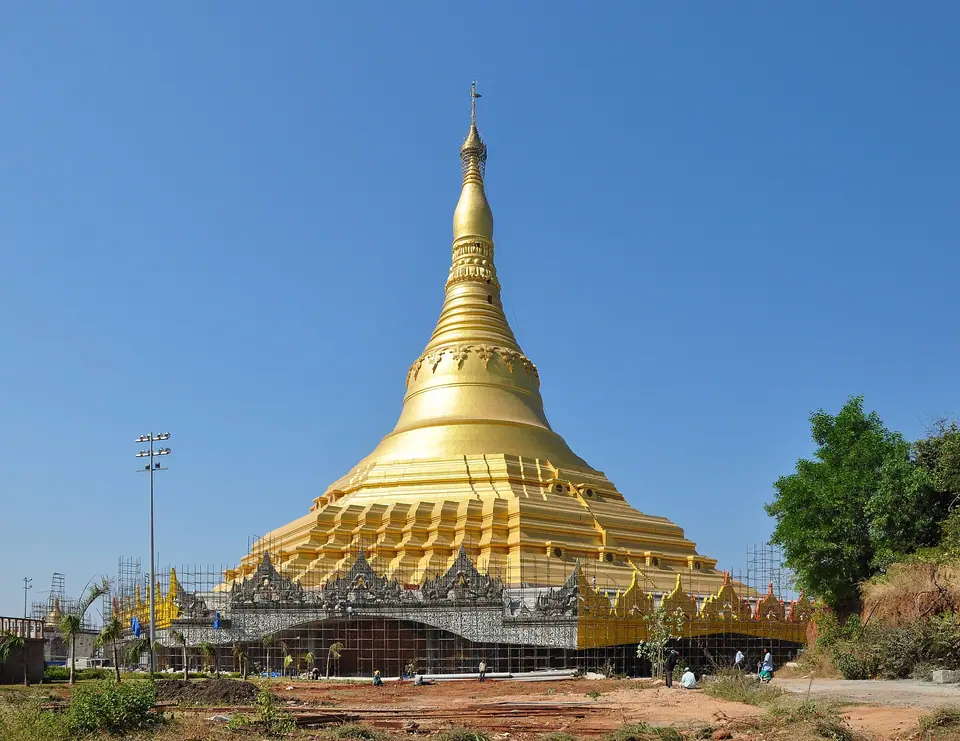
The Global Vipassana Pagoda stands on the Gorai shore in north-west Mumbai, across a creek from Borivali. Its gilded dome is visible from the road long before you reach it. The pagoda was inaugurated in 2009 and was built as a place of meditation rather than as a temple: there is no deity here, and the great hall under the dome exists for silent sitting. Entry is free, though opening hours change with the course calendar.
The form follows the great pagodas of Myanmar, and the cone of gold that rises above the trees is meant to be read as a monument to the teaching of the Buddha. Relics are enshrined in the hall, and the building was raised over years by the Vipassana community, which runs meditation courses here. Visitors are welcome to look, to sit, and to ask questions, but this is a working place of practice rather than a sight with a turnstile.
What to see inside
The dome sits on a broad stepped base, and a walkway circles it, giving views over the creek, the palms and the low roofs of Gorai village. Come up slowly: the gilding changes colour as the light moves. Inside, the hall is plain and cool, and the scale of the space is the point. There is no queue to see a shrine; you simply walk in and sit. Shoes come off at the step.
Displays around the hall explain the technique and the life of the Buddha, and an information desk answers questions about the courses, which run for days at a time and are not open to casual visitors. If a public sitting is on, you can join the row of cushions at the back and sit for a while. Outside, lawns and palms make a shaded place to wait, and the terrace gives the best view back over the water to the city.
- The gilded dome, seen from the causeway and from the ferry across the creek.
- The great hall under the dome, where visitors may sit quietly.
- The lawns and the walkway around the base, with views over the creek.
- The information desk, where staff explain the courses and the technique.
How to get there
Gorai sits across a creek from Borivali, and there are two ways over. By road, drivers go through Borivali and cross the causeway to Gorai village, then follow the lane to the pagoda. By water, the short ferry from the Gorai jetty on the Borivali side lands near the village, and the pagoda is a short walk or auto ride from there. Ferries are the older habit; the road is quicker when traffic is light.
From the airport at Andheri, the pagoda is on the same side of the city, so a taxi can go north through the western suburbs rather than through south Mumbai. Borivali railway station on the Western line is the nearest big station, and buses and autos run from there towards the jetty and the causeway. Check the current arrangements locally: the bridge, the jetty and the ferries each change in the monsoon.
When to go and how long
The dry months from November to February are the kindest, with warm days and cooler evenings, and the walk around the dome is pleasant at any hour. March to May is hot and very humid, and the open terrace offers little shade. The south-west monsoon arrives around early to mid June and lasts to about late September; dates vary each year, and the creek crossing and the lanes can be affected. October is hot and humid after the rains, though the light is clear.
Allow about half a day if you come by ferry, since the crossing and the wait set the pace, and less if you drive. A quiet hour in the hall and a circuit of the terrace is enough for most visitors. Check the opening days and hours before setting out, because the pagoda closes to casual visitors while courses are running, and the schedule changes through the year. Weekday mornings are the calmest.
Nearby sights
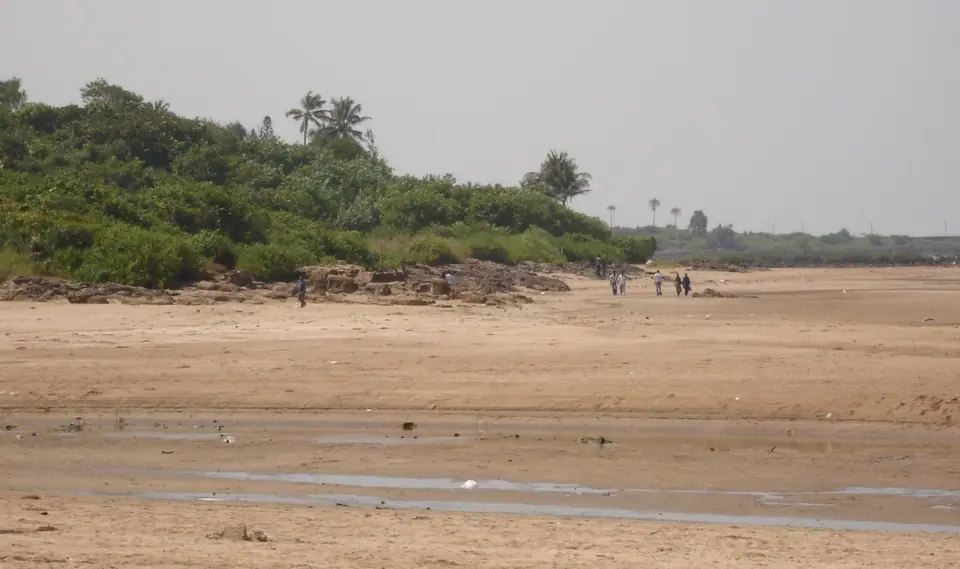
Gorai is a village shore, and the pleasures around the pagoda are simple ones: beaches, a creek, and the big forest park at Borivali. Gorai beach itself is a short ride from the pagoda, wide and empty on weekdays, with fishing boats pulled up at the tideline. Swimming is unsafe at most of Mumbai's beaches, especially in the monsoon, so treat the water as a view rather than a pool.
Inland, Sanjay Gandhi National Park at Borivali protects a large forest inside the city's limits, about 100 sq km, with the Tulsi and Vihar lakes and the Buddhist Kanheri caves, rock-cut halls carved from about the 1st century BCE to the 10th century CE. The park is a half day in itself. Further north along the coast, Manori and Marve are quieter beaches reached by road, and the lanes between them fill with walkers at weekends.
Practical tips and where to stay
The pagoda is a place of practice, so dress as you would for a temple: shoulders and knees covered, shoes off at the hall, voices low inside. Photography is usually allowed on the terrace and restricted in the hall, and a quiet word at the entrance settles it. Weekends, school holidays and festival days bring the crowds; weekday mornings are calmest. Carry water, a hat and some cash, since small stalls and the ferry may not take a card.
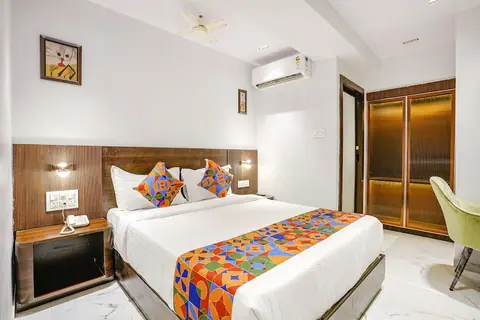
For a night or two, stay on the western suburbs line and travel out to Gorai in the morning. Borivali and Kandivali are the closest bases, a short drive from the causeway and the jetty. Andheri suits anyone arriving at the airport, with the metro and the suburban railway to hand. Bandra and the island city are further, but they make sense if the pagoda is one stop in a longer Mumbai visit rather than the whole point.
- Borivali and Kandivali, the closest bases to the causeway and the jetty.
- Andheri, handy for the airport and the metro and suburban lines.
- Bandra, further south, with the sea link and the old churches nearby.
- South Mumbai, if the pagoda is one stop on a longer city visit.
Questions about the pagoda
The Global Vipassana Pagoda raises a few practical questions from first-time visitors, mostly about the water crossing, the dress code and the silence inside the hall. The answers below keep to what is known and point you to whoever checks the rest.
Gorai is a working village shore rather than a resort, so plan the day around daylight and the ferry timings. If in doubt about anything on the day, ask at the information desk or at the jetty.
Editorial review: 16 November 2026 · imptmumbai.in, written with AI assistance (see the editorial policy).