- Beach type
- Wide western beaches
- Nearest railhead
- Malad, Western line
- Distance from centre
- 24.8 km straight line
- Nearest areas
- Andheri West, Versova, Goregaon
Two beaches on one shore
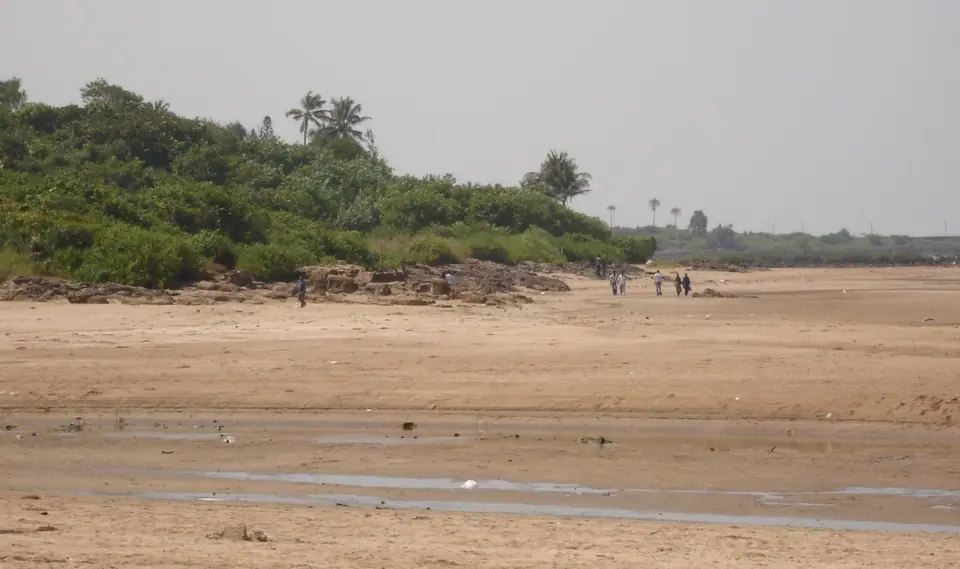
Aksa and Madh sit at the northern end of Mumbai's western shore, in Malad West, where the built city thins into creeks, coconut groves and fishing settlements. Both are wide, open beaches with a shallow sea and a long reach of sand at low water. Aksa is the more open and the more visited of the two, with a road running close to the sand. Madh stretches north towards the creek, past villages and the headland where the old fort stands.
Both are working shores as much as leisure ones. Fishing boats are hauled above the tide line, nets are dried on the sand, and the villages behind have shrines, chapels and lanes of low houses where families have lived for generations. Weekends bring pony rides, snack stalls and groups walking the waterline. On a weekday morning the beach can be almost empty, with only the boats and the crows for company. Behind Madh the land breaks into a creek, and the ferry from Versova lands at a small jetty.
The fort above Madh
The old Madh fort, sometimes called Versova fort, stands on the northern headland of Madh Island, looking across the water towards Versova and the city. The Portuguese built it as a watch post on this coast, and it later passed into Maratha hands. Parts of the walls and bastions remain, weathered and overgrown. It is not a monument that can be wandered through freely; access is restricted, and the surrounding ground is not open to casual visitors. Ask locally before walking out to it.
Even from outside, the fort gives the coast its shape and its history. The usual approach is along the road that runs up Madh Island, where the walls appear above the trees, or by the Versova ferry, which crosses the creek nearby. Photography from a public path is fine. Anything closer needs permission, and the people on the ground will make that clear.
Getting to Aksa and Madh
Malad station on the Western line is the railhead for both beaches. Outside the station, autorickshaws and buses cover the road west to Aksa and the longer run along Marve Road to Madh. The distance looks short on a map and takes longer on the ground, particularly in the evening peak. App cabs are easy to book from Andheri West or Goregaon; the return trip can be harder to arrange late at night.
Water is the other way in. Ferries cross from Versova to Madh Island, a short hop over the creek that avoids the road entirely; check timings and whether services are running, because crossings are suspended in the monsoon. From the airport, both beaches lie a short drive north, and taxi and app cab ranks stand outside the terminals. Allow extra time for the last stretch through Malad, which slows at rush hour.
- Malad station on the Western line is the nearest railhead.
- Autorickshaws run from Malad station to Aksa and along Marve Road to Madh.
- Ferries cross from Versova to Madh Island; check timings before setting out.
- The beaches lie a short drive north of the airport at Santacruz and Sahar.
- App cabs are easy to book outwards and harder to find for the return.
When to go and how long
November to February is the comfortable window, with warm days, cooler evenings and dry sand. March to May is hot and humid, and the light is hard by mid-morning. The south-west monsoon, roughly early June to late September, brings rough surf, some flooding and the suspension of ferry services; the beaches are quiet then, but the water is dangerous. October is hot and humid again after the rains. Dates shift each year, so check before you go.
A half day covers one beach and a look at the fort headland at Madh. A full day allows both beaches, a slow lunch, and a detour to Marve or Manori. Weekday mornings are the quietest hours; Sunday evenings bring the largest crowds. Tides matter here more than on the city's southern beaches, because the sea draws back a long way and returns quickly. Check a tide table for the day and plan the walk accordingly.
What else is nearby
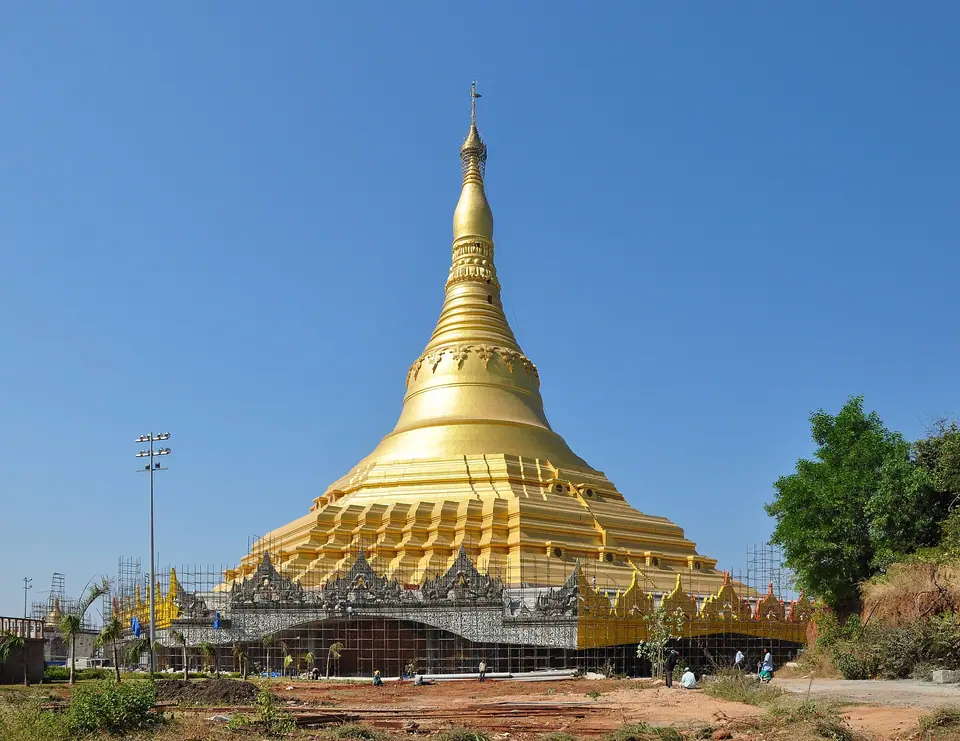
The coast north of Madh continues to Marve, Manori and Gorai, each with a small beach and a creek crossing of its own. Gorai is the landing point for the Global Vipassana Pagoda, a large meditation hall under a dome, free to visit, with hours that vary through the year, so check ahead. Marve and Manori are quieter than Aksa and work well as a second stop on the same afternoon.
Inland, the Sanjay Gandhi National Park at Borivali protects a large forest inside the city's northern limits, with the Buddhist Kanheri caves cut into the rock inside it. A morning there pairs well with an evening on the sand. Versova, to the south, has its own beach and a Koli fishing village behind it. Andheri West and Goregaon are the practical bases for this stretch, with more places to eat and easier transport.
- Marve and Manori beaches lie north of Madh, quieter and less built up.
- Gorai is the crossing point for the Global Vipassana Pagoda.
- The Global Vipassana Pagoda is free to visit; check opening hours.
- Sanjay Gandhi National Park at Borivali holds the Kanheri caves.
- Versova, to the south, has a beach and a fishing village.
Practical tips and where to stay
Dress for sun and for walking on sand: light cottons, a hat, and footwear that can be rinsed afterwards. Shorts and swimwear suit the beach, but cover up in the villages behind it, where people live and work. Swimming is unsafe at both beaches, especially during the monsoon; keep to the sand and watch the water from dry ground. Carry water and some cash, since small stalls may not take phone payments.
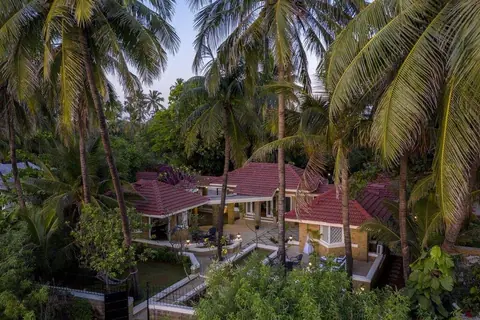
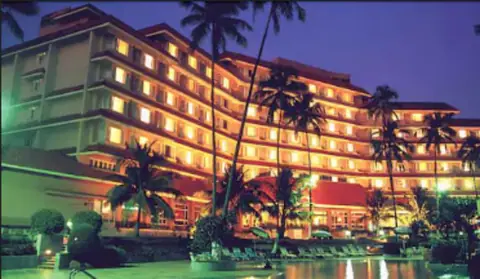
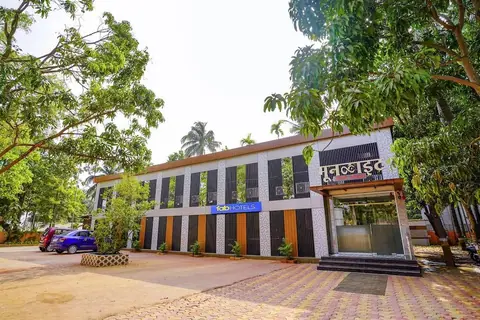
Photography on the open sand is straightforward; fishing boats, nets and the fort headland make good subjects. Ask before photographing people, and put the camera away in the villages and near any post marked as restricted. For stays, look in Andheri West, Versova, Goregaon or Malad, which offer the widest choice and the easiest transport. Madh Island has guest houses and homestays, but fewer of them and slower connections.
Editorial review: 16 November 2026 · imptmumbai.in, written with AI assistance (see the editorial policy).