- Category
- Heritage, stepped temple tank
- Area
- Walkeshwar, Malabar Hill
- Nearest stations
- Churchgate and Grant Road
- Time to allow
- About an hour
What the tank is
Banganga Tank is a rectangular stepped water tank at the foot of Malabar Hill, in the Walkeshwar area of south Mumbai. Stone steps run down to the water on four sides, forming ghats, and the tank is still used for ritual bathing and small ceremonies. Shrines, old houses and religious maths stand around the rim. It is a public place, free to enter, and one of the few stepped tanks left in the island city.
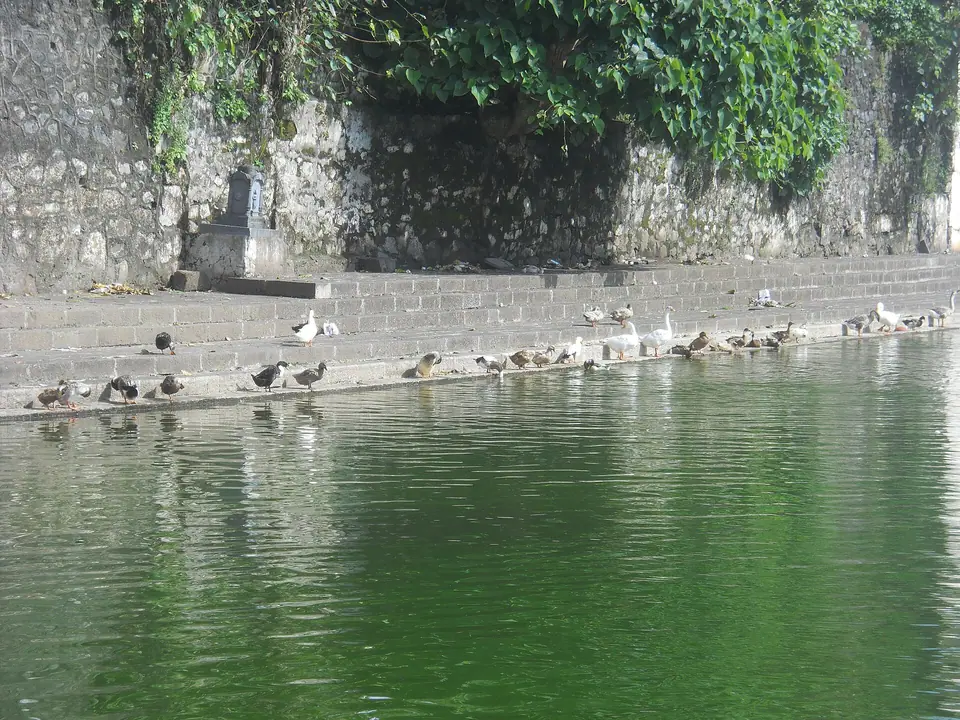
The tank sits in a hollow below the road, so you arrive at the top of the steps and look down. The water is usually still and holds a grey-green reflection of the surrounding buildings. Fish and turtles live in it and are easy to spot from the lower steps. On ordinary mornings the place is quiet, with a few residents and a priest or two, and the traffic of Bhulabhai Desai Road is close but out of sight.
History and the Walkeshwar name
Tradition ties the site to the Ramayana. The name is read as bana, an arrow, and Ganga, the river: water is said to have sprung from the ground where an arrow struck it. Tradition dates the first tank to the 12th century, and the present tank was rebuilt in 1715. The Walkeshwar temple beside it is named for a lingam of sand said to have been shaped here.
Because the site is both a temple tank and a residential lane, it feels like a working place rather than a monument. Priests, residents and visitors share the steps. Ritual bathing, offerings and ceremonies for ancestors still take place here, and the shrines around the rim belong to different communities. Conservation work has repaired stretches of the steps and the boundary walls, and the lanes behind the tank keep their old houses.
What to see around the tank
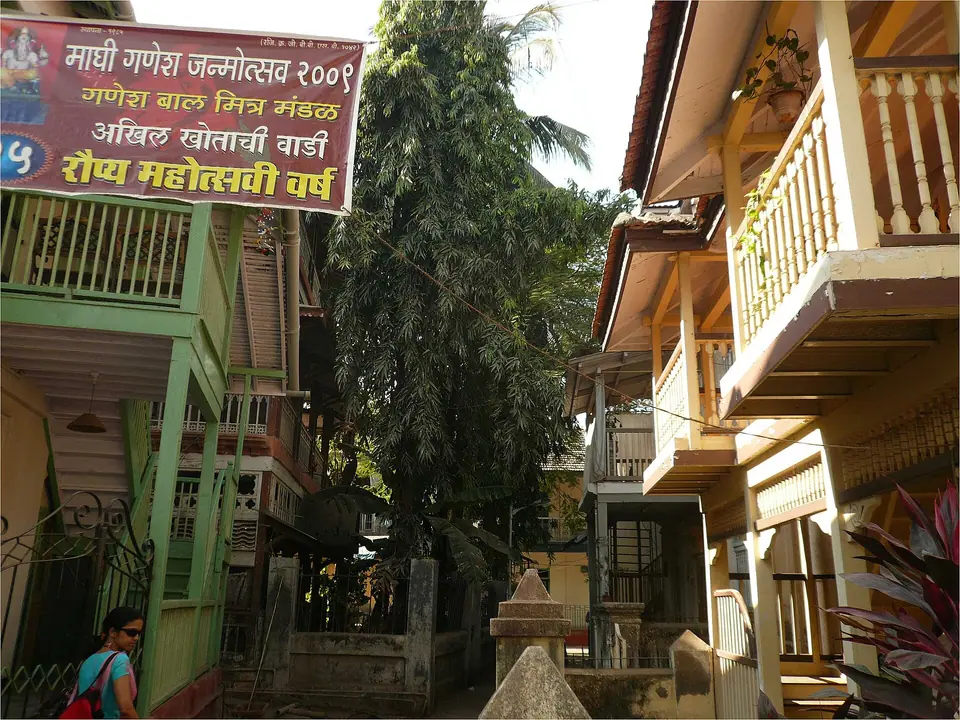
Walk down the steps slowly: they are worn and steep, and some have no railing. At the water's edge, look for the small shrines set into the rim, each with an image, a bell and a stone for offerings. The Walkeshwar temple stands at the head of the tank, and maths and smaller temples sit in the lanes behind. Old houses with tiled roofs and wooden balconies look down on the water.
Mornings bring bathers and a few people praying; the rest of the day is quieter. Look at the water itself: it comes from a spring and stays fresh, and fish and turtles gather near the lower steps. From the upper ghats there is a clear view across the tank to the shrines and the houses behind, which is the photograph most visitors take. Keep to the sides as people come down to bathe.
- The Walkeshwar temple at the head of the tank, above the northern steps.
- The shrines around the rim, each with an image, a bell and an offering stone.
- The old houses behind the ghats, with tiled roofs and wooden balconies.
- The fish and turtles in the water, best seen from the lower steps.
- The January music festival, when the steps become seating (check dates).
Getting to Banganga Tank
The tank sits on the western side of Malabar Hill, in Walkeshwar, off Bhulabhai Desai Road. The nearest suburban railway stations are Churchgate and Grant Road: the tank is about 3.2 km from Churchgate and Marine Drive, and about 2.9 km from Girgaon and Grant Road. From either, a taxi, app cab or short bus ride along Bhulabhai Desai Road brings you to the top of the steps. Check current bus routes locally.
By road, the tank is about 4.4 km from the centre of the city and about 18.9 km from Chhatrapati Shivaji Maharaj International Airport, though traffic can lengthen either trip. There is no metro station within easy walking distance, so check the current network before planning a route. Cars drop on the main road and the last stretch is on foot, down steps or along a sloping lane.
When to go and how long
Early morning is the quietest and coolest time, when bathers come and the light falls across the water. Late afternoon is also good, once the steps are in shade. Allow about an hour for the tank, the temple and the lanes, and longer if a festival or concert is on. The most comfortable months are the dry ones from November to February. March to May is hot and humid, and midday is best avoided.
A classical music festival is held beside the tank in January, with the ghats used as seating; dates move each year, so check before you go. Festival days in the Hindu calendar bring more people to the steps. In the monsoon the tank fills and the stone turns slippery, and heavy rain can make the lanes difficult. At any season the site is small, and a short visit is enough unless something is being performed.
- Early morning, for still water and soft light.
- Late afternoon, when the steps are in shade.
- January, for the classical music festival beside the tank (check dates).
- November to February, the driest and most comfortable months.
Nearby sights and places to stay
The tank sits in a quiet pocket of Malabar Hill, and the nearest sights are close. Kamala Nehru Park and the Hanging Gardens on the hill's western side look over the sea and the city. Girgaon Chowpatty and the northern end of Marine Drive are a short ride away, as are the lanes of Khotachiwadi and the Mumba Devi temple in Bhuleshwar. To the west, the Mahalaxmi temple and Haji Ali Dargah sit along the shore.
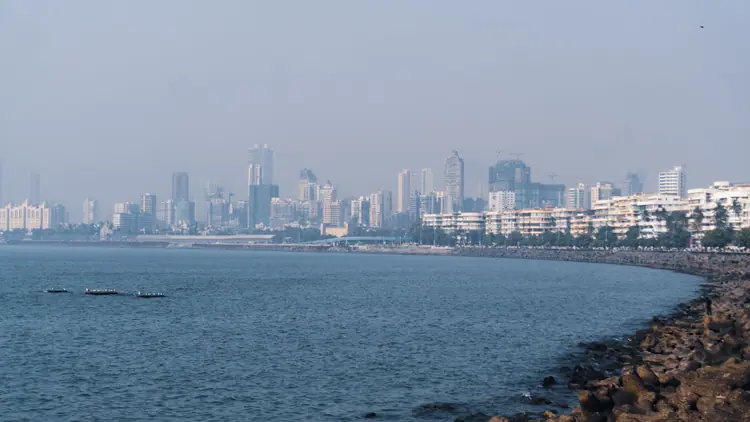
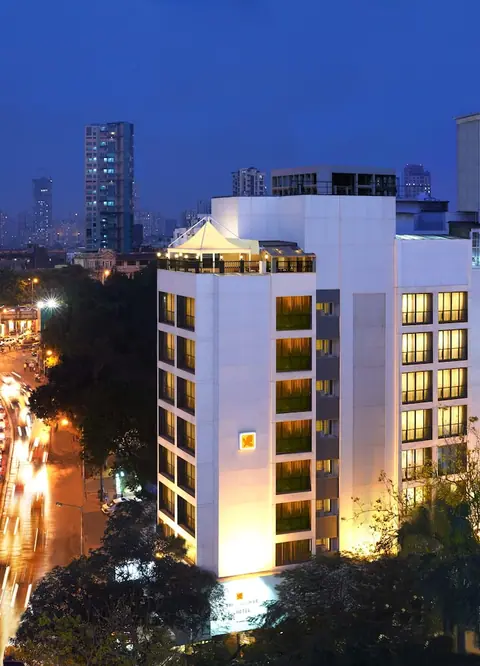
For a stay, Churchgate and Marine Drive put the sea front, the Art Deco buildings and the railway within walking distance. Colaba and Fort suit first-time visitors who want the Gateway of India, the museums and the old streets. Girgaon and Grant Road are everyday neighbourhoods with good railway links. Bandra and Andheri East are convenient for the airport. Book ahead in the dry season, when the city is busiest.
Editorial review: 16 November 2026 · imptmumbai.in, written with AI assistance (see the editorial policy).