- Area
- North Navi Mumbai
- Airport
- BOM 14.2 km; NMI 19.7 km
- Flamingo season
- Roughly November to May
- Best months
- November to February
Character and history
Airoli and Ghansoli are two of the northern nodes of Navi Mumbai, the mainland city planned from the 1970s to ease pressure on the island of Mumbai. Both are laid out in numbered sectors, with wide roads, mid-rise housing, a market at the centre of each and mangroves at the edges. Ghansoli keeps a village feel around its older lanes; Airoli grew quickly once the road bridge over Thane Creek tied it to Mulund.
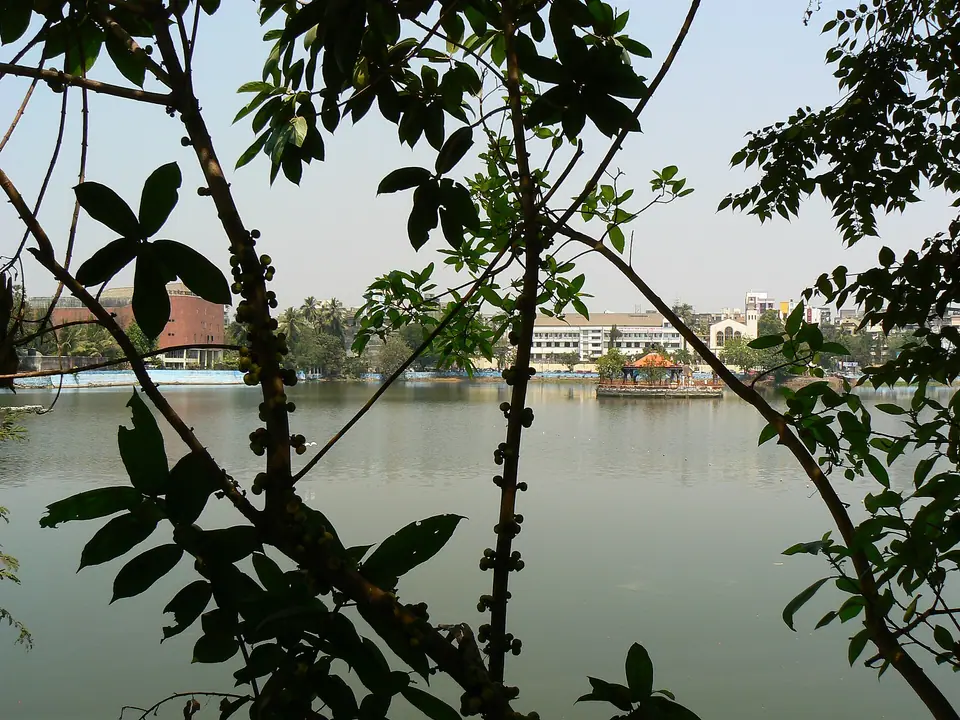
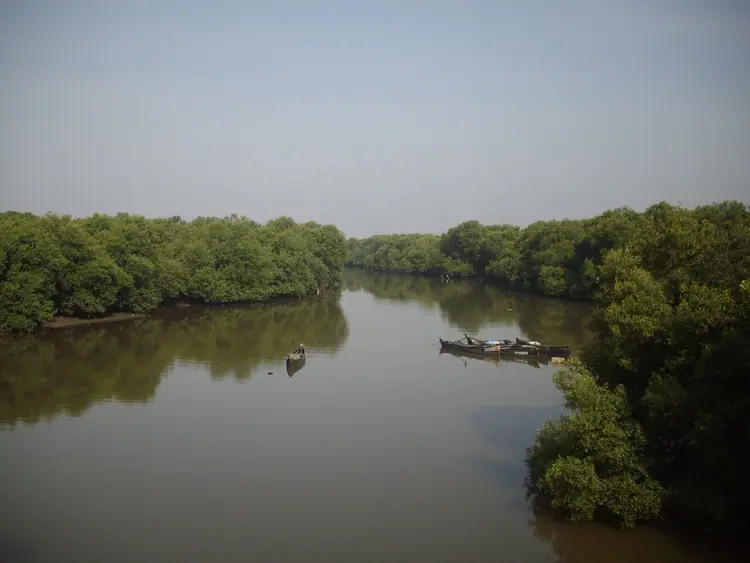
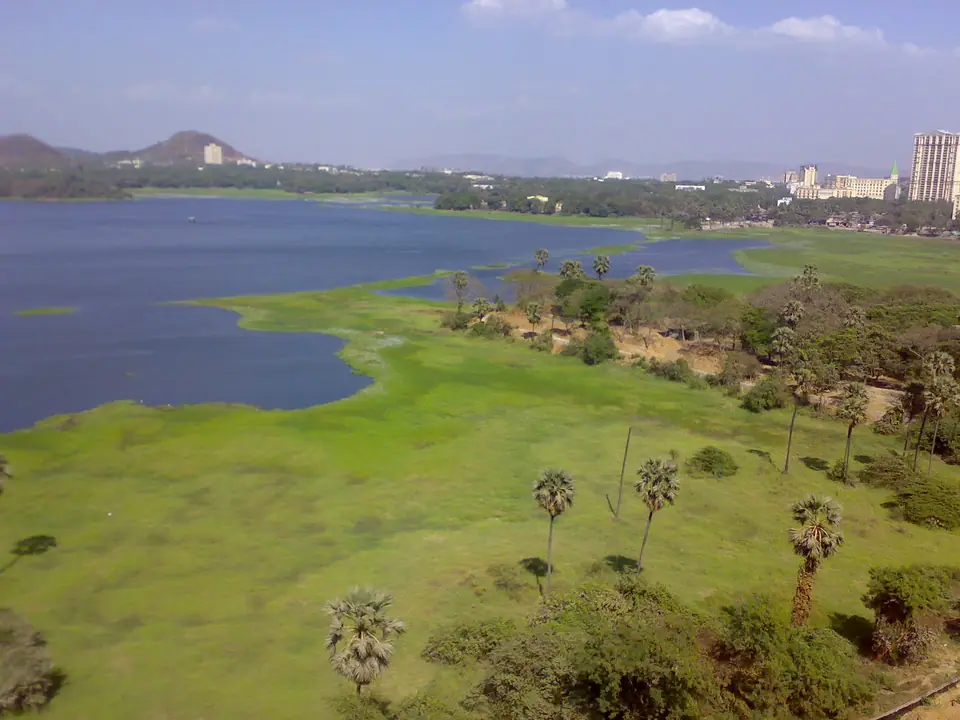
The creek is the older story. Fishing communities worked these waters long before the sectors were drawn, and the mudflats and mangroves that survive between the nodes are now protected: Thane Creek Flamingo Sanctuary was declared in 2015 and covers the creek between Mumbai and Navi Mumbai. In winter the shallows fill with flamingos. The same edges give the area its quietest walks, its best morning light and its most reliable birdwatching.
A first walk through
Begin at Airoli station and walk into the sector market behind it: vegetable carts, flower stalls, small shrines at street corners and tea stalls that fill in the evening. From there, head west towards the creek, where the buildings thin out and the mangroves begin. The walk is flat and unhurried, and the change from market noise to bird noise happens within a few streets. Allow an hour or two and no plan at all.
Ghansoli rewards a slower wander. Its market streets are denser and more mixed, with shops selling school uniforms, utensils and fish, and older houses surviving between new blocks. Walk towards the creek side in the late afternoon, when the light softens and the tide is out. Bring water, wear shoes you can get dusty, and stay on the roads rather than the mudflats, which are soft and protected.
What to see and do
The chief sight is the creek itself. Thane Creek Flamingo Sanctuary protects the water and mudflats between Mumbai and Navi Mumbai, and the northern Navi Mumbai shoreline is one of the simpler places to look at it. Flamingos are present roughly November to May and most active in the morning; at other times you still see waders, herons, kingfishers and the occasional kite. Bring binoculars if you have them, keep your distance and stay off the mud.
Inland, the pleasure is everyday city life rather than monuments. Sector markets are good for fruit, flowers, spices and household goods; neighbourhood temples are busiest on Tuesdays and during Navratri; the gardens and playgrounds inside the sectors suit children in the cooler hours. The wider city provides the day trips: the rock-cut caves of Elephanta and the old streets of the island city are within reach by train or road. Treat Airoli and Ghansoli as a calm base, not a sightseeing hub.
- Watch flamingos and waders from the creek edge on a winter morning, with binoculars if you have them.
- Spend an hour in a sector market for fruit, flowers, spices and everyday things.
- Take children to the sector gardens and playgrounds in the early evening.
- Use the bridge and the suburban trains for day trips to Thane and the island city.
Eating and food streets
Food here is everyday Mumbai cooking, eaten close to where it is made. Carts and small stalls sell vada pav, kanda poha, misal pav, bhel puri, sev puri and cutting chai, the half glass that is the city's standard order. Sector markets have Maharashtrian thali places doing puran poli, thalipeeth, sabudana khichdi and, in season, modak. Konkan and Malvani kitchens, run by families from the coast, serve bombil, surmai, pomfret, prawns and tisrya clams with rice and kokum sol kadhi.
The rhythm follows the day: poha and chai early, a thali at midday, pav bhaji or a dosa in the evening, kulfi and falooda after. Vegetarian food is easy to find and most of it is mild unless you ask otherwise. During Ganesh Chaturthi the sweet of the season is ukadiche modak. Ask what came in that morning before ordering fish, and expect small places to be busiest at lunchtime and again in the evening.
- Start with kanda poha and a cutting chai at a market stall.
- Order a Maharashtrian thali at midday, with puran poli or thalipeeth if it is on.
- Try Konkan or Malvani seafood: bombil, surmai, prawns and tisrya with sol kadhi.
- Finish with kulfi or falooda from a cart in the evening.
Getting there and around
Chhatrapati Shivaji Maharaj International Airport is about 14 km away in a straight line, but the road route is longer, crossing the creek by the Airoli bridge or looping through Vashi. Navi Mumbai International Airport, near Panvel, opened in 2025 and is adding routes, so check which airport your flight uses. Both nodes have stations on the Trans-Harbour line, with Thane, Vashi and CSMT as the useful interchanges; check the current timetable before a day trip.
Within the nodes, autorickshaws take the short hops and app cabs work well; the sectors are spread out, so a ride between station, market and creek edge is normal. Roads are wide and the bridge is the quick link north to Mulund and the western suburbs. In the monsoon, low-lying stretches and creek edges flood and traffic slows, so allow more time. Metro lines are still being extended across Navi Mumbai, so check the current network before planning a journey.
Where to stay
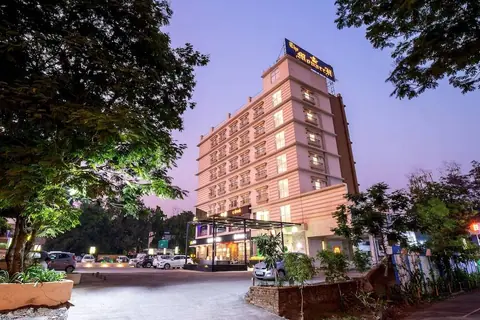
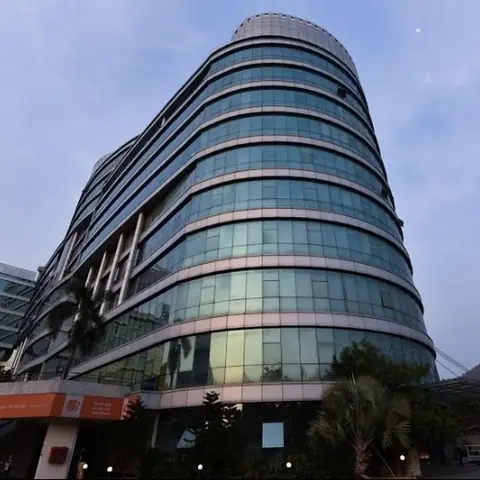
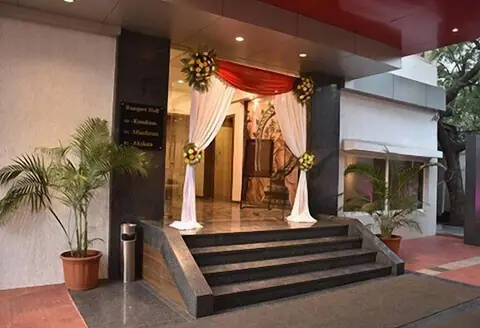
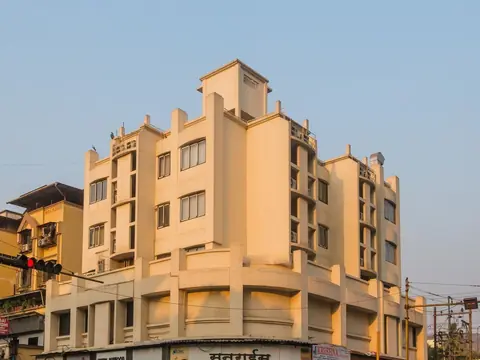
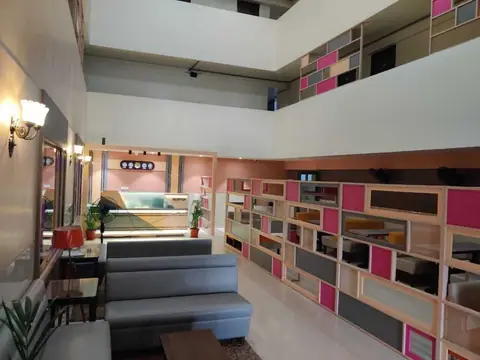
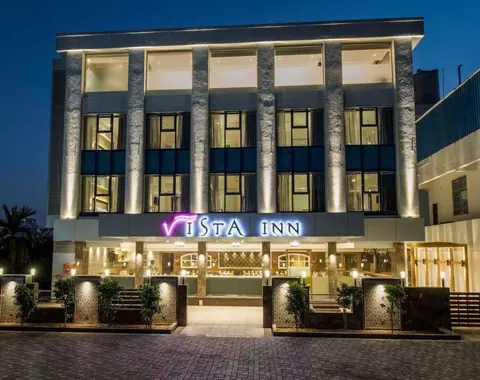
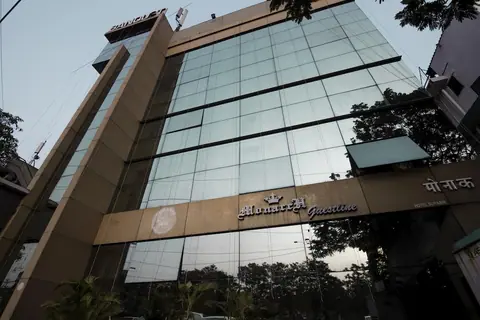
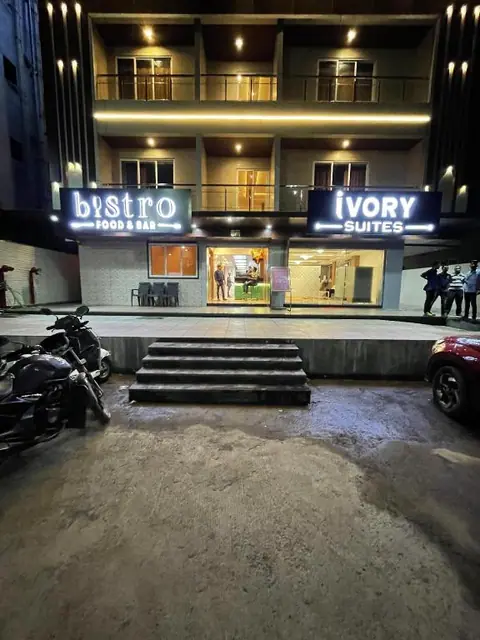
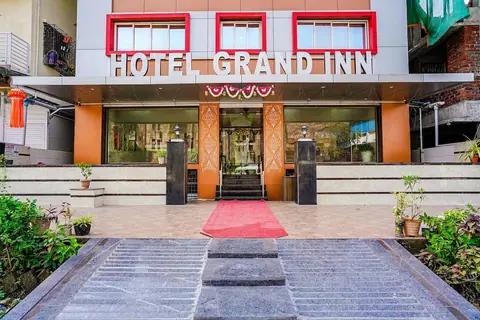
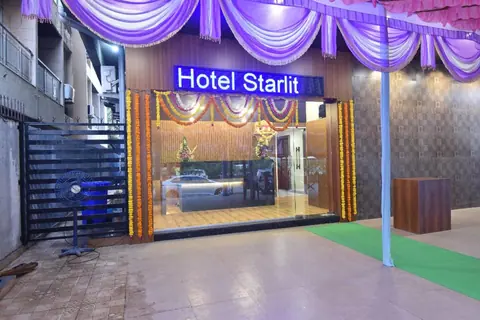
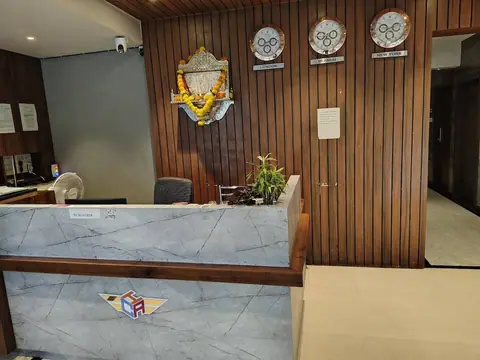
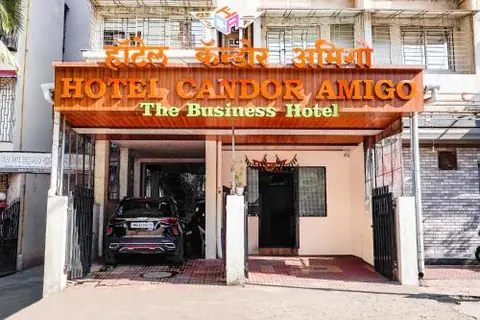
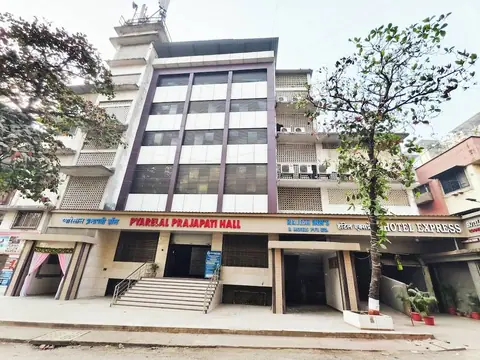
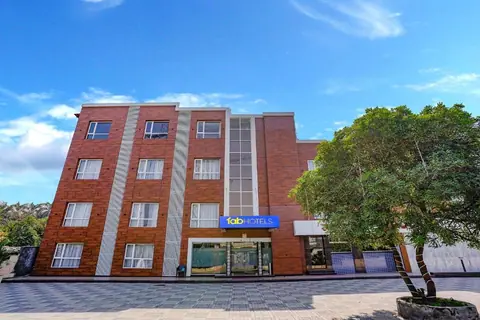
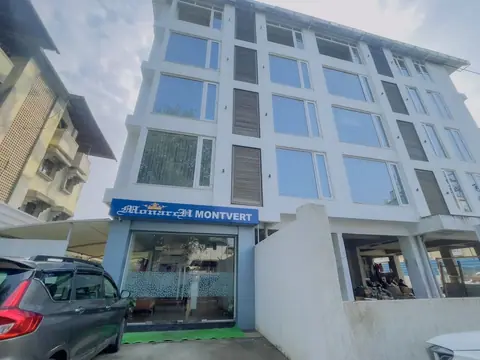
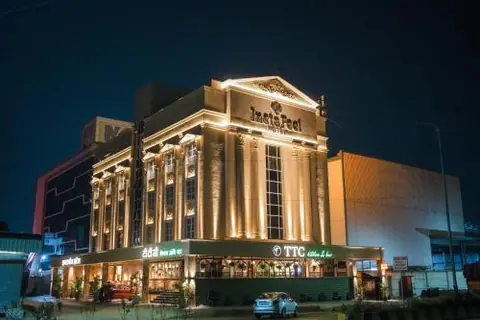
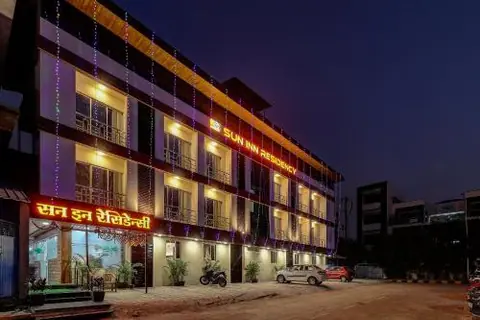
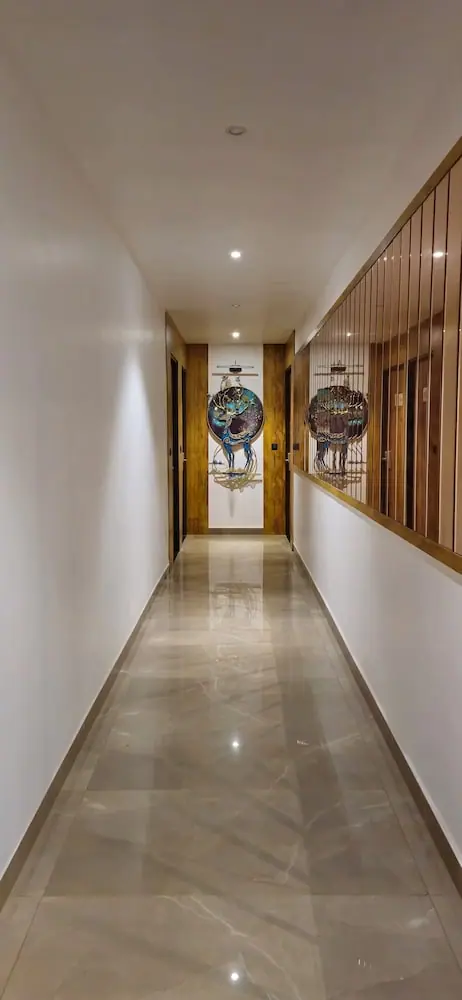
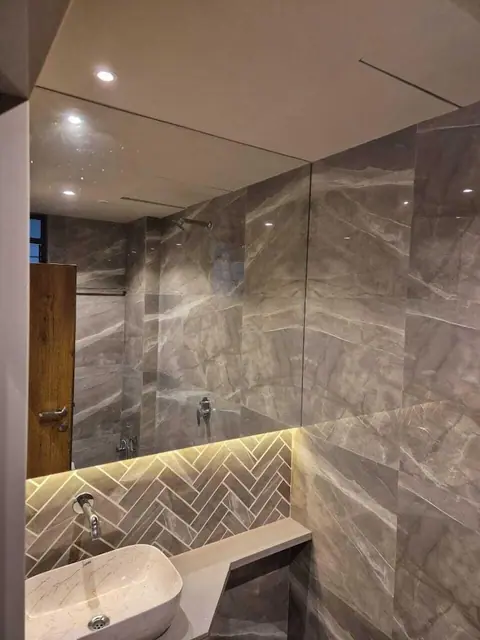
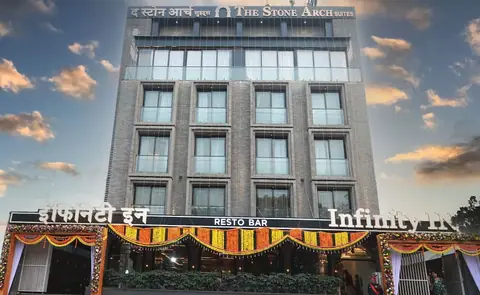
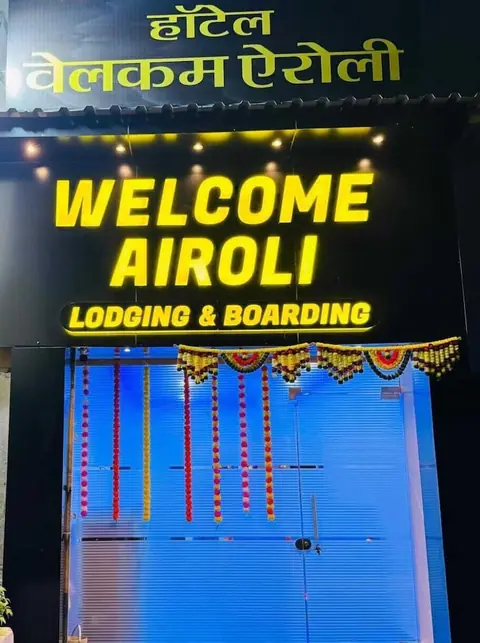
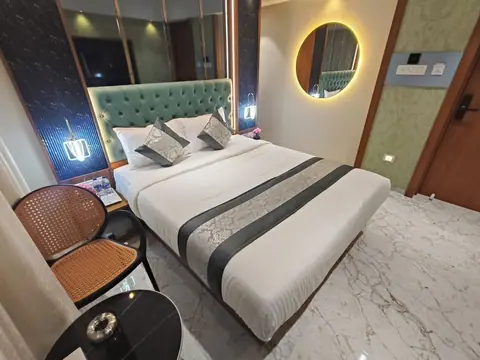
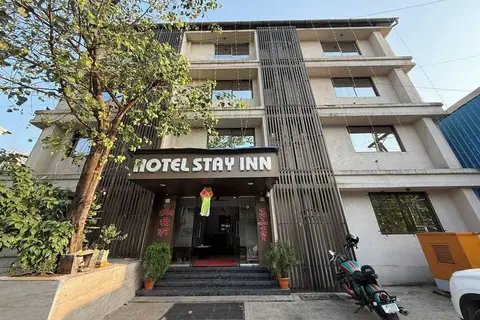
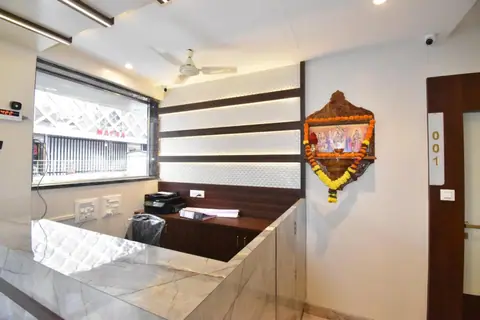
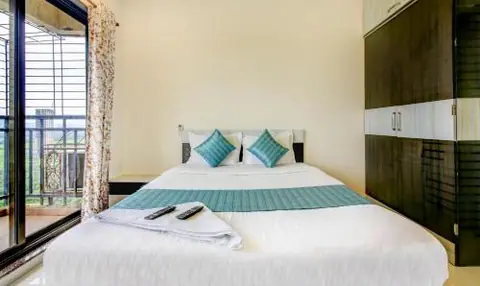
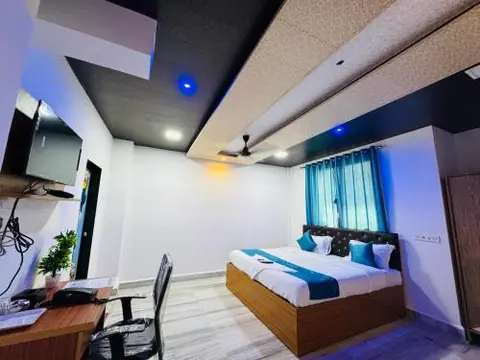
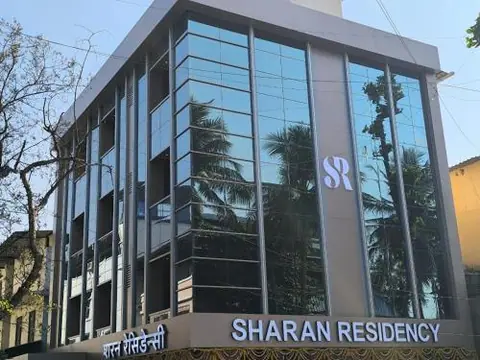
Places to stay in Airoli and Ghansoli are mostly mid-range hotels and serviced apartments in the sectors, without the grand old addresses of the island city. Choose by what you want within walking distance: a railway station for day trips, a sector market for food and shopping, or the creek side for quieter evenings. Read the location line carefully, because both names cover a wide area, and ask about the view before booking.
Families tend to do well in the quieter sectors, where apartments come with kitchens and parking; couples and solo travellers may prefer a short walk to a station. Ask about airport transfers and about the crossing to the island city before booking, and check whether the room faces a main road, since traffic noise carries at night. Confirm cancellation terms, and book ahead around Ganesh Chaturthi and Diwali, when the city is at its busiest.
Editorial review: 16 November 2026 · imptmumbai.in, written with AI assistance (see the editorial policy).