- Location
- Byculla, central Mumbai
- Holds
- Zoo, botanical garden, city museum
- Museum founded
- 1855, building opened in 1872
- Nearest station
- Byculla, on the Central line
A garden with a long history
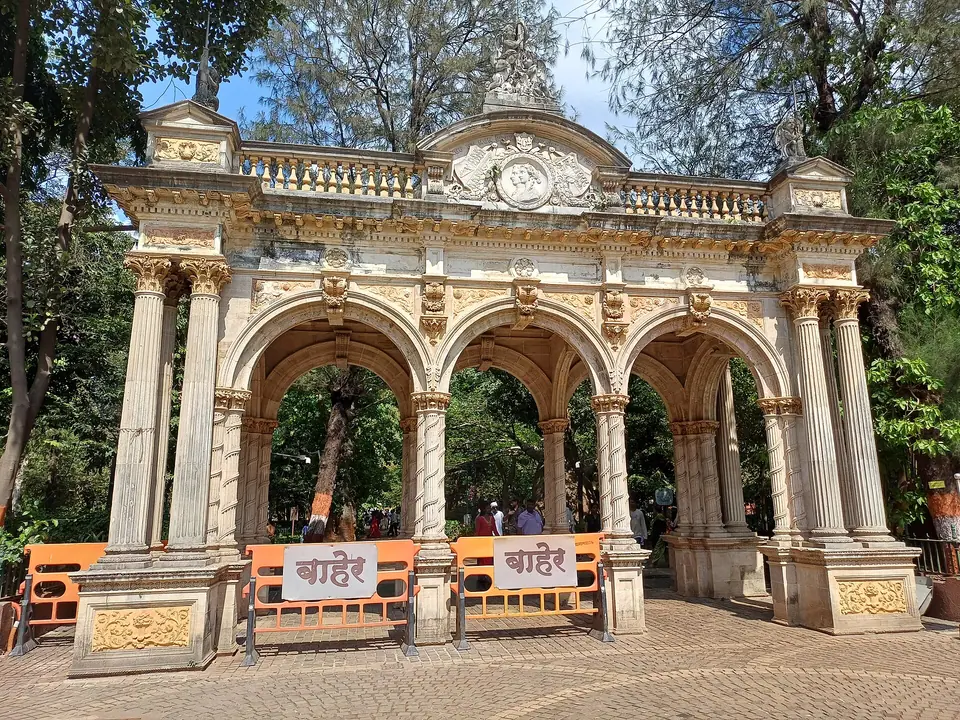
Rani Baug, more fully the Veermata Jijabai Bhosale Udyan, is a walled green space in Byculla holding the city's zoo and botanical garden. The name means Queen's Garden in Marathi, and the garden honours Jijabai, mother of Chhatrapati Shivaji Maharaj. Under the British it was laid out as Victoria Gardens and has been a public garden since the 19th century. The zoo here is among the oldest in India. Its walled boundary keeps the traffic of Byculla at a distance.
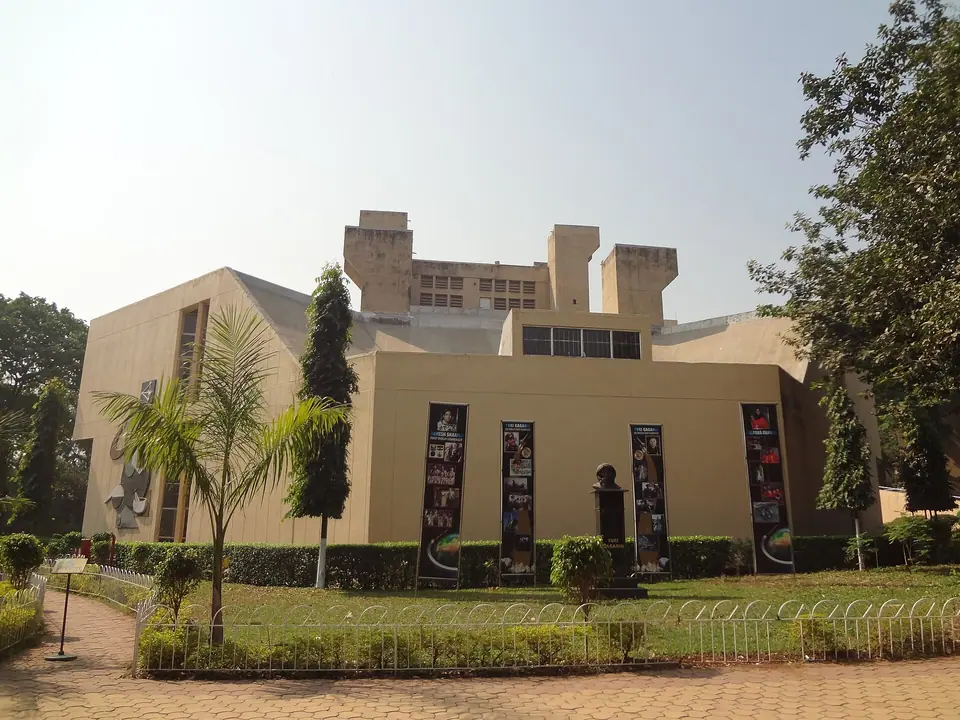
The garden shares its grounds with the Dr Bhau Daji Lad Museum, the city's oldest museum, founded in 1855; the building opened in 1872. Garden and museum sit inside the same walls, so a single visit covers both. The site is in the flat, dense heart of the old city, a short walk from Byculla station and roughly 4.3 km by straight line from the centre of Mumbai. Plan on a half day rather than an hour.
What to see on a walk
Paths run between open lawns, old shade trees and animal enclosures, with benches where families stop for a drink and a rest. The botanical side rewards slow walking: mature trees, a palm section and planting labelled in places for visitors. The zoo itself is small and old-fashioned rather than a modern safari park, and children tend to move between the two quickly. Feeding animals is not allowed, so carry out whatever you bring.
Allow time to sit. The garden is a working public park as much as a visitor attraction, and mornings bring walkers, school groups and families. Weekdays are quieter than Sundays and public holidays. Photography of the garden and the museum building is generally fine, but ask before photographing other people's children, and follow notices where a camera is not welcome. Not every enclosure is open at every hour, so expect to miss a few.
- The botanical collection, with mature shade trees and labelled planting along the main paths.
- The zoo enclosures, small in scale and easy to walk round with young children.
- The Dr Bhau Daji Lad Museum at the centre of the grounds, entered on its own ticket.
- Open lawns near the museum, useful for a picnic break with children.
- Benches in the shade, for a rest between the zoo and the museum halls.
The museum at the centre
The Dr Bhau Daji Lad Museum began in 1855 as the Victoria and Albert Museum, a collection built around the city's art school, and its present building opened in 1872. Galleries hold decorative arts, sculpture, maps and models that record the 19th-century city. It is the oldest museum in Mumbai, and the restored halls are quiet and cool after the noise of the road outside. Entry is by a separate ticket.
For children, the scale models and the objects hold attention longer than labels do; for adults, the building itself, with its high halls and columns, is worth the visit. The museum sits within Rani Baug's grounds, so tickets and timing need planning together. A good rhythm is the zoo first, the museum second, when the day grows hotter. Check the museum's own notices for opening days and the current entry fee.
Getting to Byculla
Byculla station on the Central line is the nearest railhead, about 0.2 km from the garden and an easy walk. Mumbai Central and Tardeo are roughly 2 km away, and the airport at Santacruz and Sahar is about 13.8 km by straight line. Taxis and app cabs can drop you at the gate. Autorickshaws do not operate in the island city, so plan on a black-and-yellow taxi or an app cab for the last stretch.
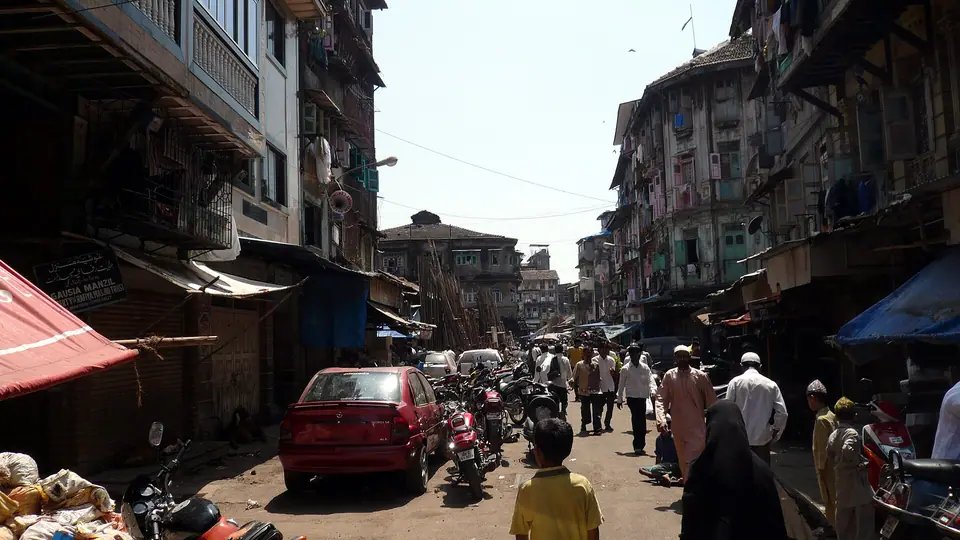
Traffic in this part of the city is heavy through the working day, and the last kilometre by road can take longer than the whole train journey. Trains are quicker from the suburbs or from CSMT. On foot, the approach roads around Byculla are busy and footpaths narrow in places, so hold children close and cross at marked points. Metro lines keep opening, and entrances change, so check locally on the day.
When to go and how long
The dry months from November to February are the kindest, with warm days and cooler evenings, and early morning is the best hour inside the garden. March to May is hot and very humid. The south-west monsoon, from about early June to late September, brings heavy rain, flooded roads and few visitors; dates vary each year. October stays hot and humid after the rains. Rani Baug keeps a weekly closing day and adjusts its hours, so check before you go.
Two to three hours covers the zoo and a walk through the botanical side at an easy pace, and the museum adds an hour or more. Families with small children often do better with a shorter first visit and a second trip for the galleries. Weekday mornings are the calmest. Paths are uneven in places, particularly after rain, and shade is thinner near the enclosures than on the museum lawns, so carry water.
Nearby sights and where to stay
Byculla adds a stop or two beyond the garden. The Magen David Synagogue, built in 1864, stands in the neighbourhood, and the streets around Byculla station are busy with everyday shopping and street food. Mumbai Central and Tardeo, about 2 km away, have more places to eat. Further south, the Fort and Kala Ghoda areas hold the main museums and galleries, a short train ride from Byculla station.
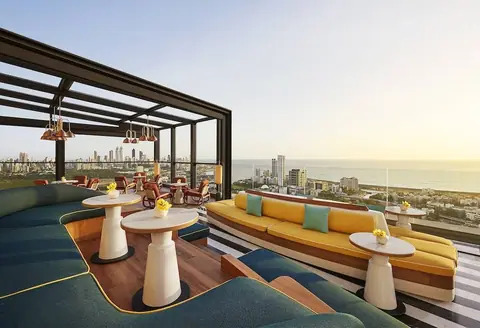
For a stay, Byculla itself is central and quieter at night, with the garden as its main draw. Mumbai Central and Tardeo put you nearer restaurants and the sea. Fort, Colaba and Bandra suit those who want the sights or the shore within walking distance. All are reachable by train or a short cab ride. Rooms fill in the dry season and around festivals, so book ahead.
- Magen David Synagogue in Byculla, built in 1864 and a short ride from the garden gate.
- Mumbai Central and Tardeo, about 2 km away, for restaurants and shopping streets.
- The Fort and Kala Ghoda museum quarter, reached by a short train ride south.
- Bandra, with Mount Mary Basilica and Bandra Fort, further out along the Western line.
Editorial review: 16 November 2026 · imptmumbai.in, written with AI assistance (see the editorial policy).