- Location
- Thane Creek's east shore, Navi Mumbai
- From BOM airport
- 13.8 km straight line
- Rail
- Harbour line, Vashi and Sanpada
- Markets
- Wholesale produce, flowers and goods
Character and history
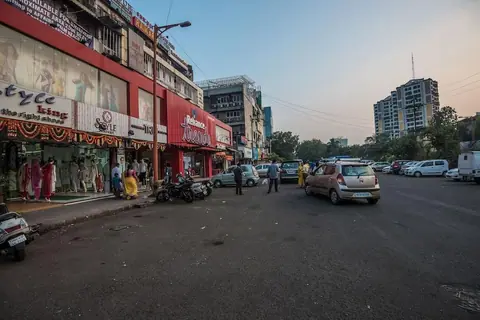
Vashi is the first node of Navi Mumbai, the planned city laid out east of Thane Creek from the 1970s to take pressure off the island. Before the grid arrived, this was village land, salt pans and mudflats at the head of the creek. Sanpada, immediately south, followed as the plan spread. Both are now settled and noticeably quieter than most of Mumbai, with wide roads, sector markets and gardens between the blocks.
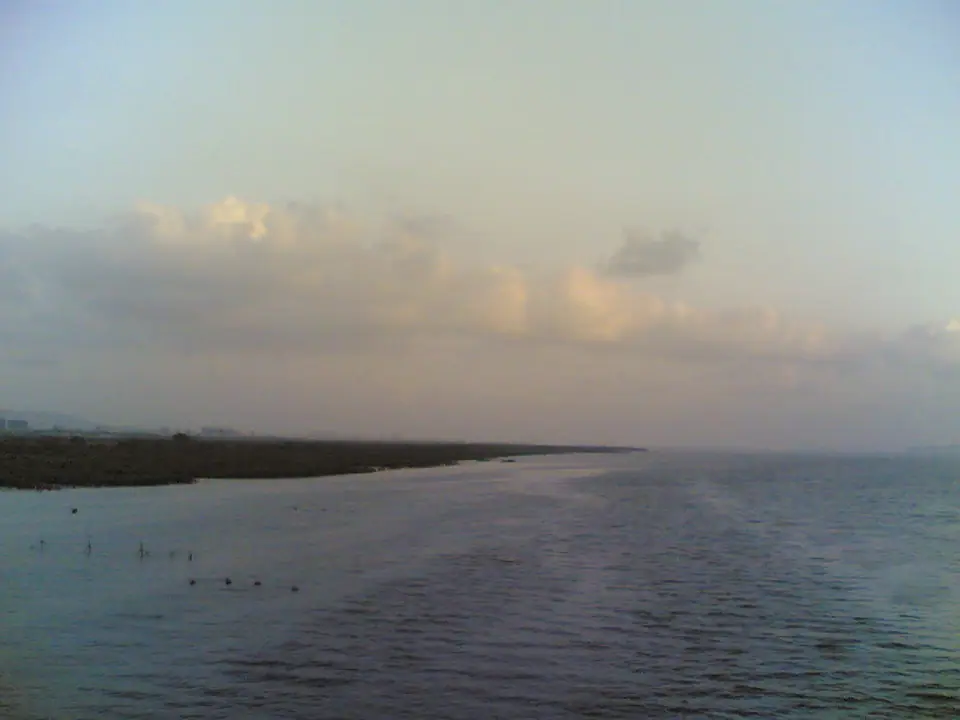
The Vashi bridge is the hinge of the journey. Cross it from Mumbai and the city changes character within a few minutes: lower buildings, more trees, a slower pace and water on both sides of the road. The Harbour line runs through Vashi and Sanpada, so the area works as a base for the whole harbour shore. Wholesale markets, moved here from the older parts of Mumbai, give the place a working rhythm that visitors can watch.
A first walk through Vashi
Begin at Vashi station. The grid is easy to read: numbered sectors, broad roads and shade in the older lanes. Walk away from the station through the market streets, where fruit, vegetables, flowers and household goods are sold from shops and pavement stalls. Mornings are the most active. By afternoon the trade thins and the streets belong to shoppers, schoolchildren and tea stalls. Carry a bottle of water and keep the pace easy.
From the market, head for the creek. The waterfront has been made into public space, with paved paths, railings, lawns and benches facing the water. On a clear evening you can look across to Mumbai and watch the traffic crossing the bridge. In the other direction, Sanpada's grid is quieter, with gardens between residential blocks and a station of its own. Finish with a cutting chai at a corner stall.
- Start at Vashi station and walk the market streets before the heat builds.
- Follow the creek-side path in the late afternoon for views of the bridge.
- Look for the flower sellers near the wholesale market, busiest in the early morning.
- Wear shoes that can handle a wet pavement during the monsoon months.
The creek, parks and children
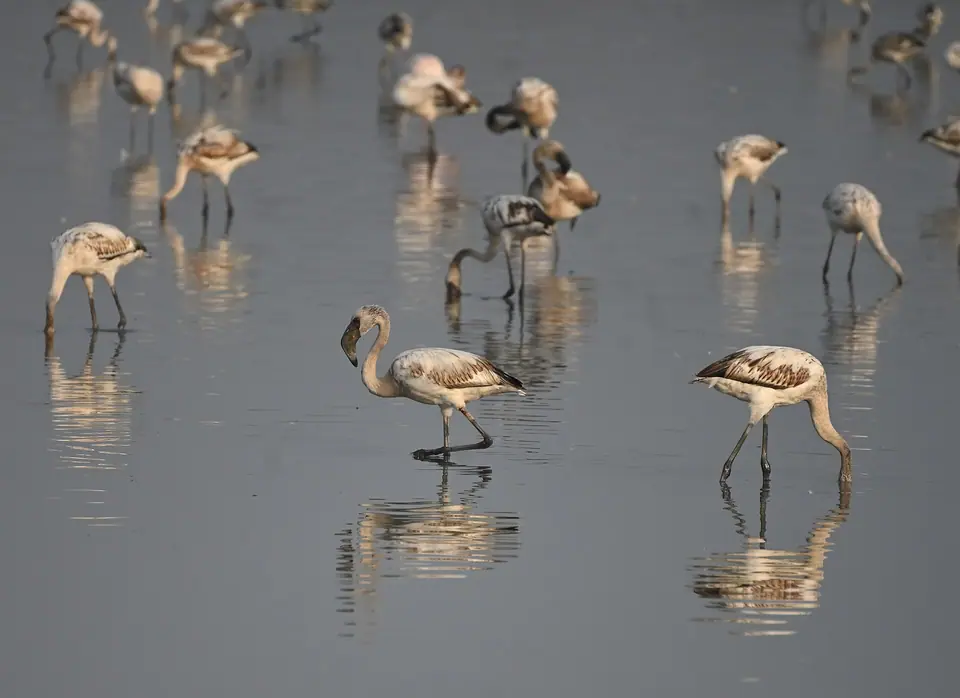
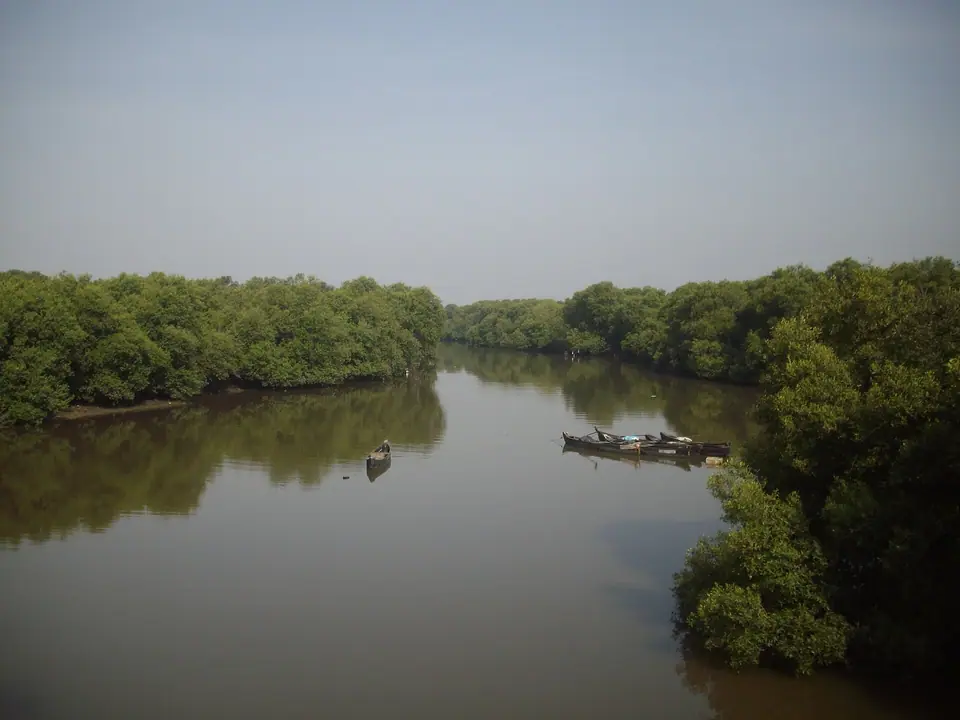
The creek is the area's best free attraction. These waters form part of the Thane Creek Flamingo Sanctuary, and flamingos are seen roughly November to May; check before you go, as numbers and timings shift with the tide. The waterfront gardens suit an early walk, a picnic or an hour with a book, and children can run on the lawns while you keep an eye on the water. Birdwatchers should bring binoculars and go at low tide.
The wholesale market is a sight in itself: crates of produce, auction calls and porters moving fast between loading bays. Go early, keep clear of trolleys, and ask before photographing anyone. For a longer day out, the wider city is within reach: the Elephanta caves by ferry from the Gateway of India, the heritage buildings around CSMT, and the forest and Kanheri caves in Sanjay Gandhi National Park. Each needs half a day or more.
What to eat here
The kitchens follow the coast. Malvani and Koli seafood is the local strength: bombil, surmai, pomfret, prawns and tisrya clams, usually fried or served in a thin, sharp curry with kokum sol kadhi on the side. Maharashtrian thalis bring puran poli, thalipeeth and sabudana khichdi. Vegetarian food is easy to find and often very good, from misal pav at breakfast to a full thali at midday, and the sector markets keep the kitchens supplied.
Street food is the quickest introduction: vada pav, pav bhaji, bhel puri, sev puri, ragda pattice and kanda poha, with kulfi or falooda afterwards. Parsi and East Indian cooking appears on some menus, including dhansak, akuri, fugias and sorpotel. Order cutting chai at any hour of the day. Many places take UPI payments and cards, though smaller stalls prefer cash, so carry a little with you.
Getting there and around
Chhatrapati Shivaji Maharaj International Airport is 13.8 km away in a straight line, and the road route crosses the eastern suburbs before the Vashi bridge. Navi Mumbai International Airport, across the creek near Panvel, is 11.3 km away and adding routes, so check which airport your flight uses. CSMT is 22.9 km away and the Gateway of India 24.3 km. Allow generous time in peak hours and through the monsoon.
The Harbour line is the simplest way in. Trains run from CSMT through Dadar and Kurla to Vashi and Sanpada and on towards Panvel. Long-distance trains use CSMT, Mumbai Central, Dadar, Bandra Terminus and Lokmanya Tilak Terminus at Kurla. The metro network keeps growing, so check the current lines before relying on it. Autorickshaws and app cabs handle local trips, and an airport run is best arranged ahead.
- Harbour line trains from CSMT stop at both Vashi and Sanpada.
- Autorickshaws work here; they do not run in the island city south of Bandra and Sion.
- Check whether your flight lands at BOM or at Navi Mumbai International.
- Avoid the bridge at peak hours if you are heading into Mumbai for the evening.
Where to stay, and practical tips
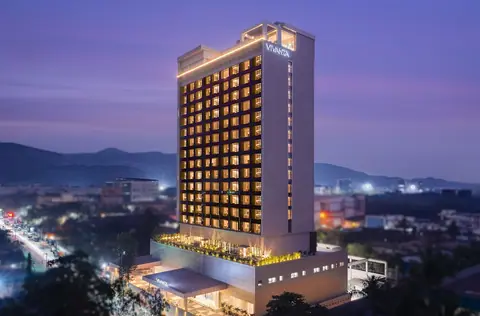
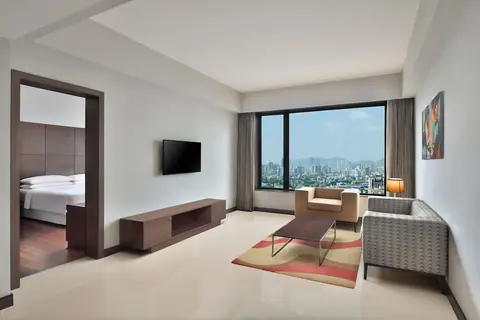
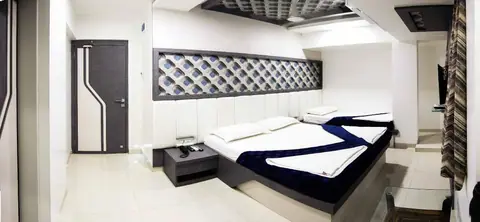
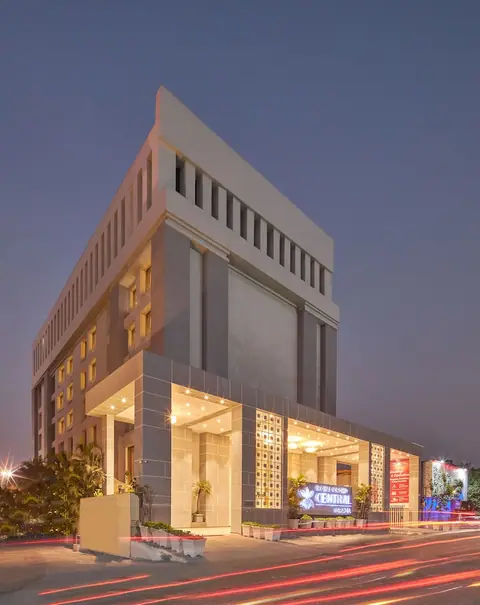
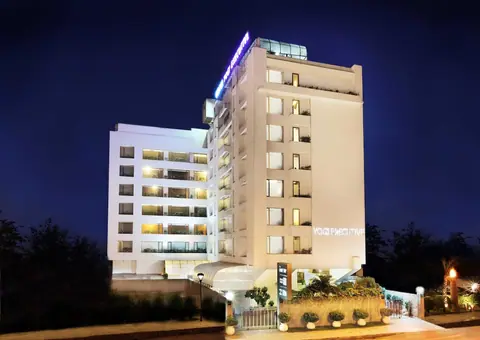
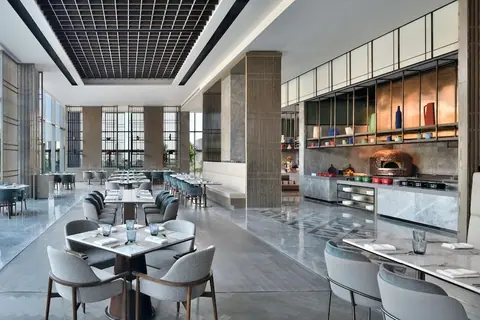
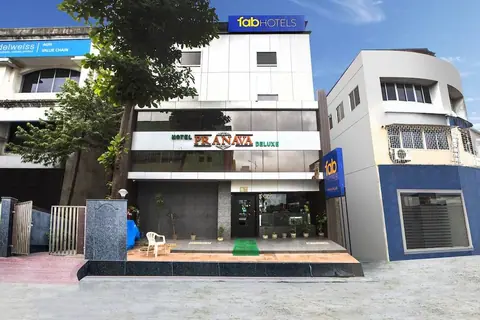
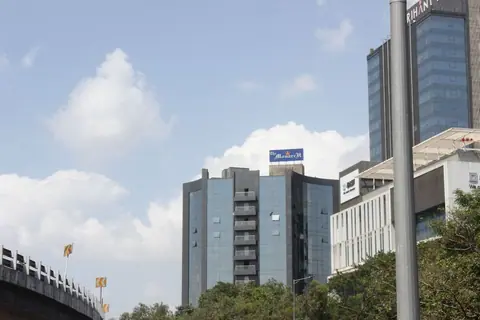
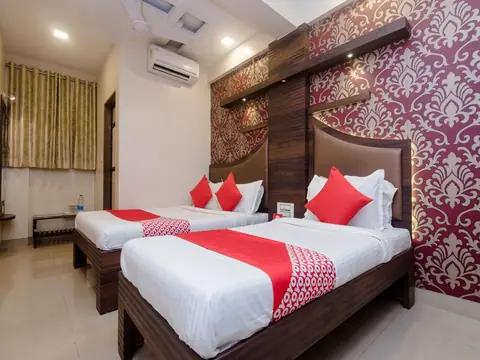
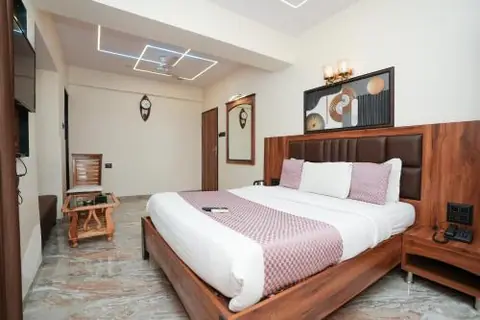
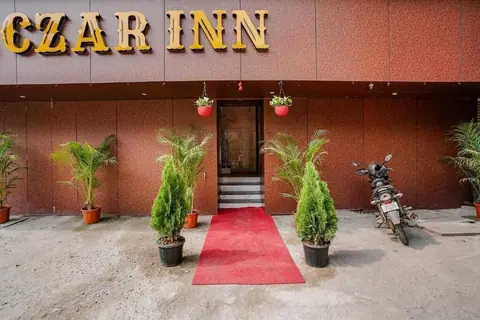
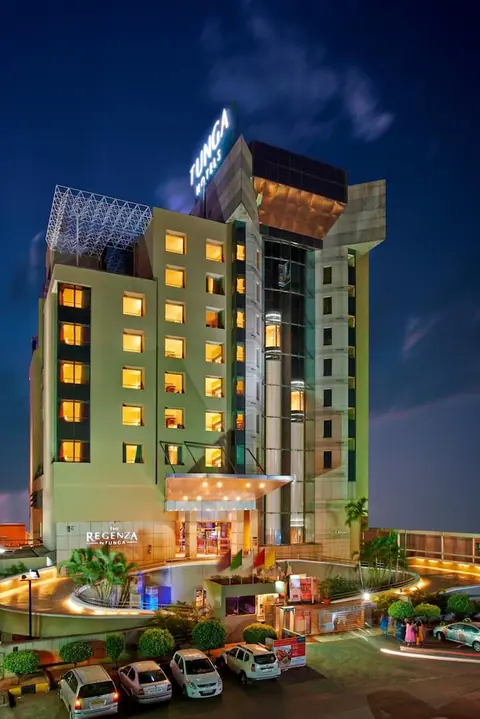
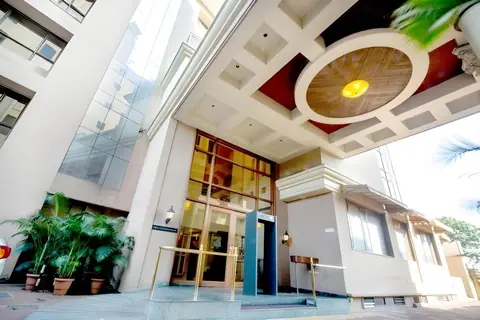
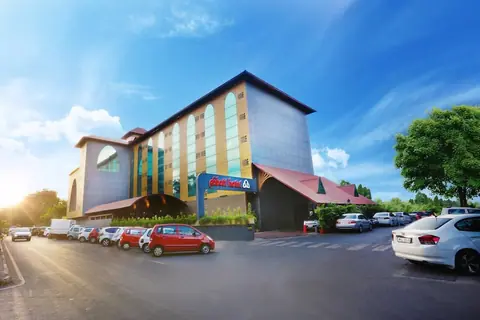
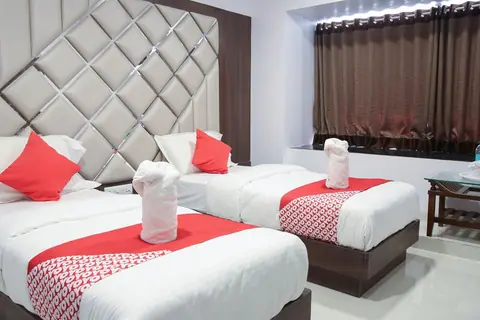
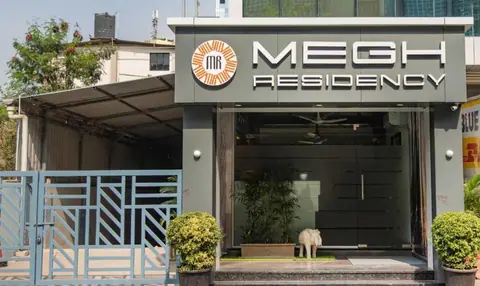
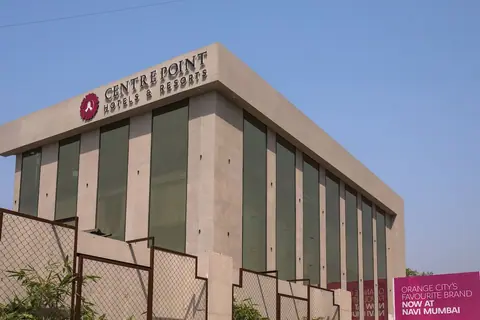
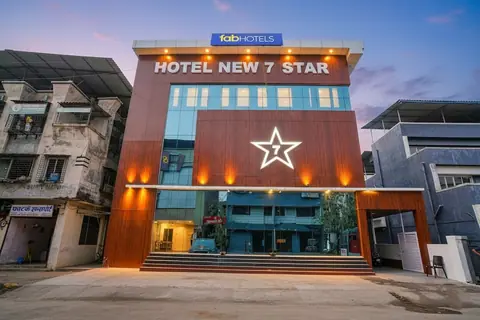
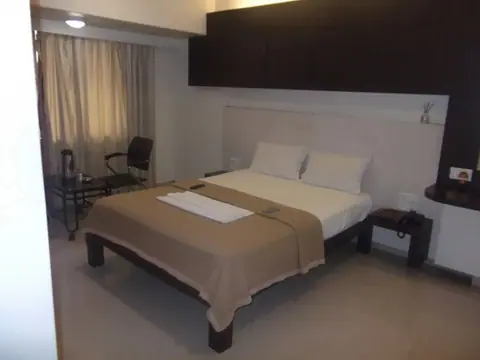
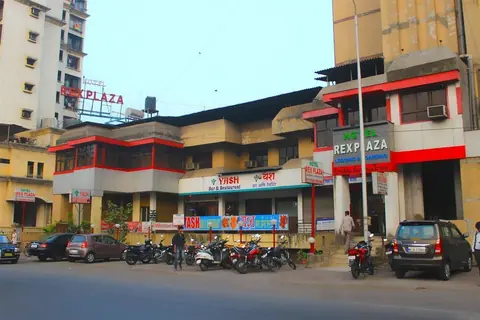
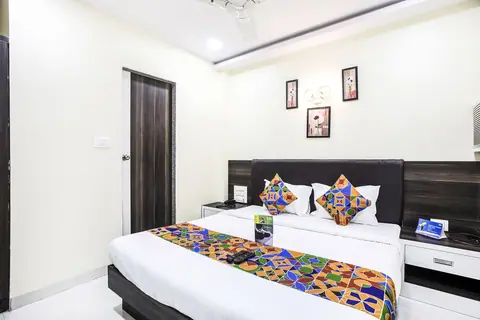
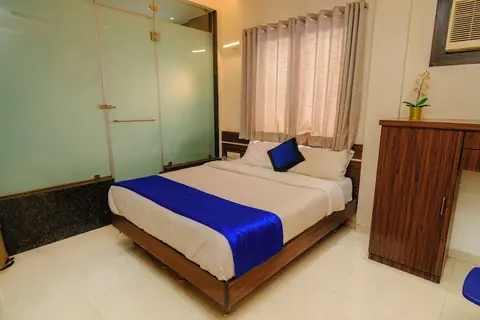
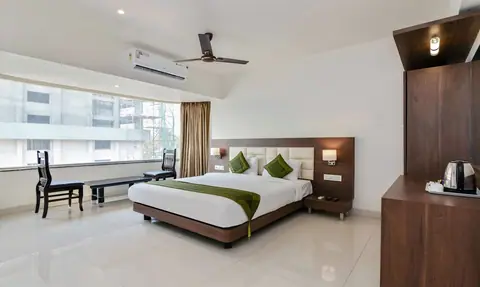
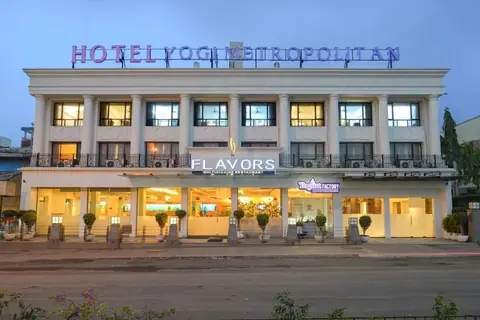
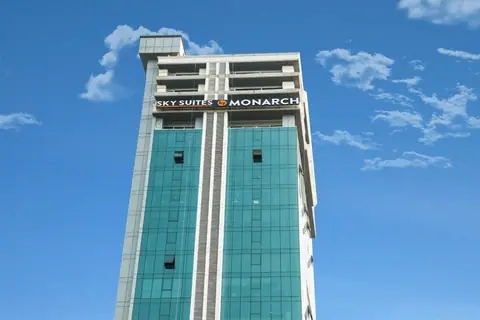
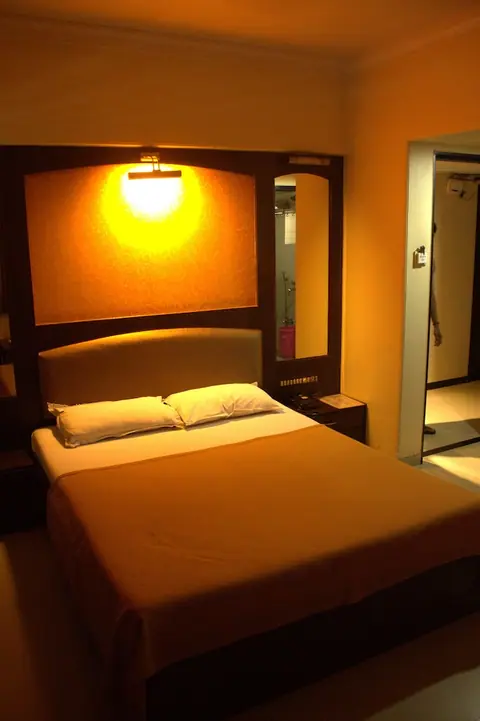
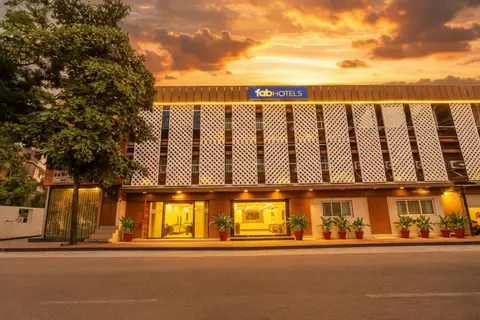
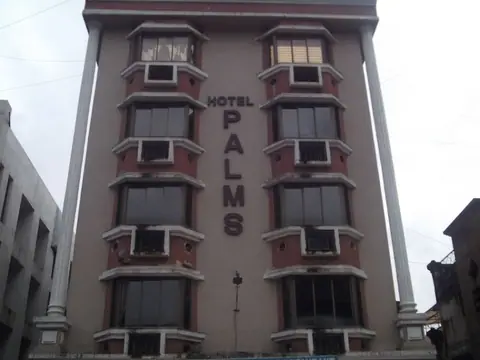
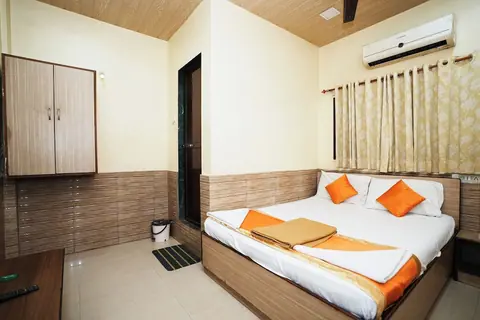
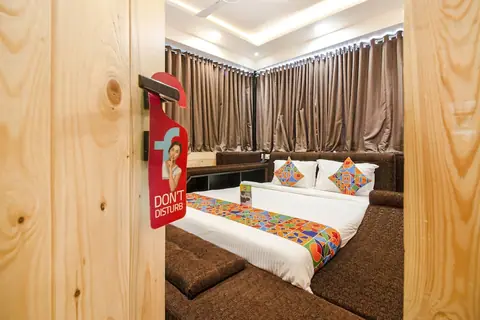
There are 81 stays listed in the area, from simple guesthouses to full-service hotels, and the choice comes down to position. Near Vashi station you are close to the markets, the shops and the trains; near the creek you get quieter evenings and the waterfront walk. Sanpada is the calmer option for families, with gardens between blocks. Both are within reach of the two airports, which suits a first or last night in the region.
Plan around the weather. November to February is dry and pleasant, March to May is hot and humid, and the monsoon from June to September floods low roads and slows trains. Carry some cash alongside UPI, use sun protection, and note that swimming is unsafe at most beaches around Mumbai. Festival dates move each year with the calendar, so check before you go, and book stays early around Ganesh Chaturthi and Diwali.
Editorial review: 16 November 2026 · imptmumbai.in, written with AI assistance (see the editorial policy).