Getting There and Getting Your Bearings
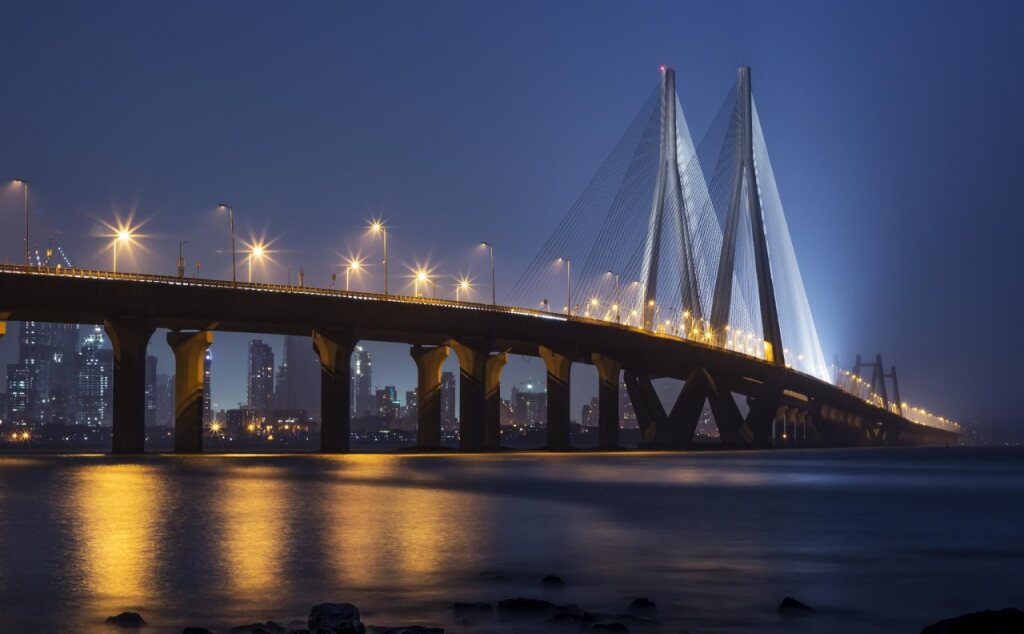
Worli Koliwada sits at the southern tip of Worli, on the seaward side of the Maharashtra Nature Park and just north of the Bandra–Worli Sea Link toll plaza. The nearest suburban rail station is Mahim Junction on the Western Line, about 2.5 km away, or take a taxi from Lower Parel or Prabhadevi in roughly 10–15 minutes outside peak hours. If you are coming from the airport, allow 45–60 minutes by road. Ask the driver for Worli Koliwada village, near Worli Fort, not the Worli sea face.
The village is a warren of lanes between the fishing jetty on the north and Worli Fort on the south. Start at the jetty end in the early morning and walk south. There is no ticket office, no gate and no formal trail. Wear shoes that can handle wet, uneven ground and fish scales. Avoid monsoon months of June to September, when lanes flood and boats stay in; November to February is the most comfortable window, with cooler mornings and clearer light on the water.
What You Will See on the Walk
The working heart of the village is the fish drying area and the jetty where Koli boats land their catch. Mornings, roughly 6 to 9 am, are when the auction energy is highest and the light is best. Expect baskets of pomfret, prawns and bombil laid out on mats, nets being repaired, and hand-painted boats pulled onto the sand. This is a living neighbourhood, not a museum: keep to the edges of drying mats, ask before photographing people, and do not block anyone hauling a basket.
Inland, the lanes open onto small shrines, the old Koli temple dedicated to the goddess Ekvira, and tightly packed homes with painted doorways. Worli Fort itself sits on a rocky outcrop at the southern end of the village, a small Portuguese-era watchpost with cannon still in place and a wide view back toward the Sea Link and the Mahim coast. There is no entry fee and no guide service at the fort. The walk from jetty to fort is under a kilometre and takes 45–60 minutes at a slow pace.
Eating, Etiquette and What to Skip
There is no restaurant strip here, and that is part of the appeal. A few local kitchens and stalls serve Koli-style seafood — fried bombil, prawn curry with rice — mostly at lunch, and mostly to people who live and work in the village. If you want a sit-down meal, walk or take a short taxi to the Worli sea face or Lower Parel, where the choice widens considerably. Carry water; there are few shops inside the lanes. Cash is useful for small purchases, though many stalls now accept UPI.
Skip the temptation to treat the village as a photo backdrop. Do not enter private courtyards, do not photograph women and children without clear permission, and dress modestly — shoulders and knees covered is the respectful default. Do not expect signage or English spoken widely. A local guide is not essential but genuinely improves the visit if you want context on the Koli community and the fishing calendar. Combined with a sea-face walk and the Sea Link drive, this makes an easy half-day.
Where to Base Yourself
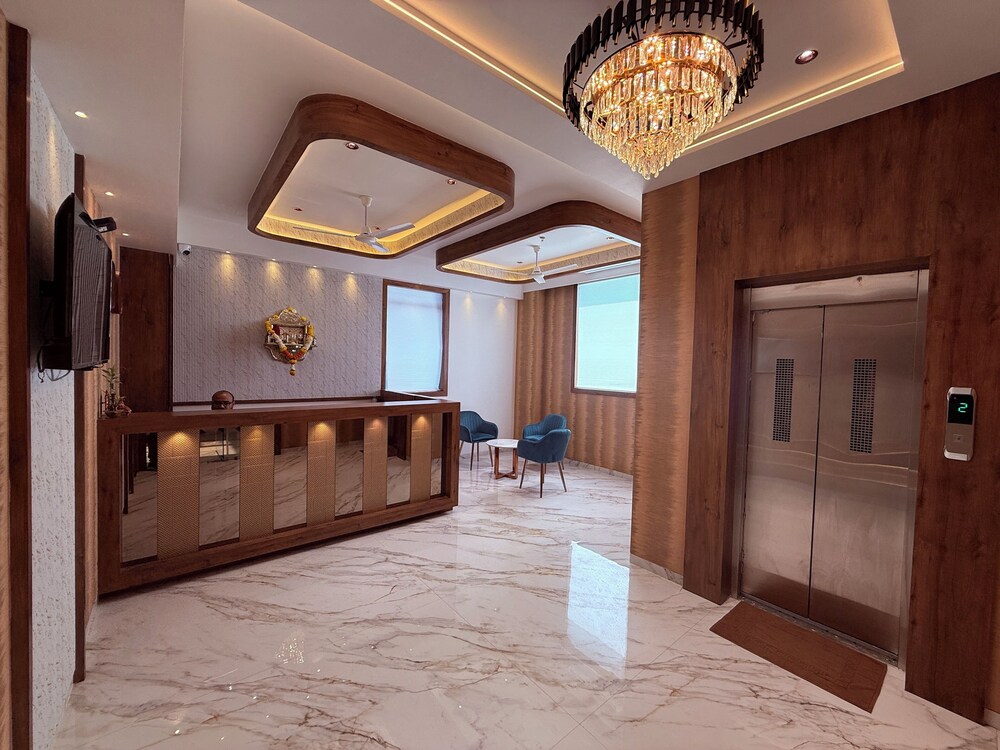
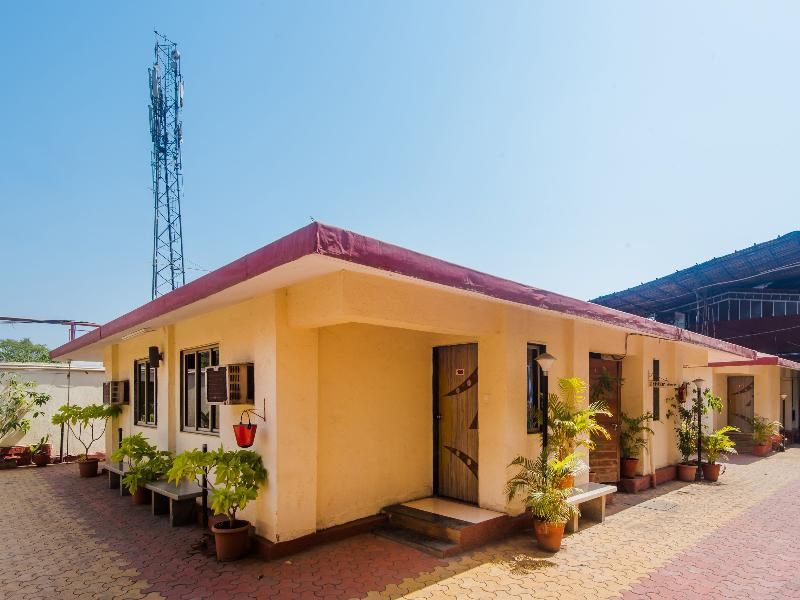
For this walk, base yourself in Worli, Prabhadevi or Lower Parel. Worli puts you within walking distance of the village and the sea face, but hotel stock is limited and rates run high on weeknights because of corporate demand. Prabhadevi, around the Siddhivinayak temple area, has more mid-range options and is a 10-minute taxi ride away. Lower Parel has the widest spread, from business hotels to boutique properties near Phoenix Palladium, and is 15–20 minutes from the village by road outside rush hour.
Bandra, across the Sea Link, is worth considering if you want evening restaurants and a livelier scene; the toll drive is quick but the toll and taxi fare add up, and traffic near the Sea Link approach can be heavy on Friday evenings. I would book Prabhadevi for a first visit: central, well connected by the Western Line at Prabhadevi station, and close enough to reach the jetty before 7 am without a long commute. Book early for December and January, when Mumbai demand peaks.
When to Go and How Long to Allow
Two hours covers the jetty, the lanes and the fort at an unhurried pace. Add an hour if you want to sit at the sea face afterward. Mornings from November to February are the sweet spot: 6.30 to 9 am gives you cool air, good light and the most activity at the jetty. Weekdays are quieter than Sundays, when local families visit the sea face and the fort area gets busier. Avoid public holidays if you want the lanes to yourself.
Afternoons are hot and much of the fishing work is done, so the village feels empty and the light is harsh. Monsoon brings dramatic skies but waterlogged lanes and few boats out. If your trip is fixed to June to September, go early, expect to get your feet wet, and treat the fort as the main stop. Sunset is pleasant at the fort but the walk back through the lanes is poorly lit, so carry a phone torch and keep to the main path.
Editorial review: 19 November 2026 · imptmumbai.in, written with AI assistance (see the editorial policy).