Start at Ranwar, before the lanes get warm
Begin at Bandra station's west exit around 8am and walk up through Ranwar, the old East Indian village folded between Waroda Road and Chapel Road. Sunday is the right morning: the lanes are quiet, the Portuguese-era cottages with their sloping tiled roofs and small front gardens are easier to see, and the bakeries around Waroda Road are already busy with residents collecting pao and khari. The circuit from the station to the Ranwar crossroads is roughly ten minutes on foot, uphill for part of the way, and best done before 10am when the heat and traffic build.
Ranwar rewards a slow pace rather than a checklist. Look for the small crosses set into boundary walls, the balconies that overhang the lane, and the older houses with wooden shutters that survived redevelopment. It is a lived-in neighbourhood, not a heritage zone, so keep to the road, ask before photographing doorways or courtyards, and step aside for scooters. Roughly 45 minutes covers the core lanes and a bakery stop. I would skip the mid-morning slot entirely on Sundays in October and November, when wedding-season traffic around St Andrew's Church makes the crossing at Waroda Road slow and noisy.
Chuim, St Peter's and the chapel lanes
From Ranwar, walk north-west along Chapel Road into Chuim, another of Bandra's surviving East Indian gaothans. St Peter's Church on Chapel Road is the anchor, and the lanes radiating off it — around Chuim Village Road and the smaller cross lanes — hold a mix of old cottages and newer low-rise buildings. Sunday morning Mass lets out mid-morning, which is a good time to see the neighbourhood at its most sociable but a poor time to photograph the church front. The walk from Ranwar to St Peter's is about 15 minutes at an easy pace, and the lanes are flat for most of the way.
Chuim is where the old and the new sit most visibly side by side, with cottages next door to small apartment blocks, and that contrast is the point. Walk the loop past the church and back towards Pali Hill Road, keeping to the lanes rather than the main road, which has no useful pavement in stretches. Carry water; there are few places to sit. If you want a proper breakfast, the Irani and Parsi cafes along Pali Naka and Hill Road, open from early morning, are a better bet than anything inside the village lanes themselves. Allow an hour for Chuim including the church stop.
Pali village and the walk down to the sea
Cross Pali Hill Road into Pali village, the third of the old East Indian settlements and the most enclosed by later development. The lanes here — Pali Village Road and the smaller paths off it — climb slightly and then open towards the seafront near Bandstand. This is the most peaceful section of the walk and the one I would book a morning for: fewer cars, more trees, and houses that still show their original layouts. The stretch from St Peter's to Pali village is roughly 20 minutes on foot, and the descent to Bandstand adds another ten to fifteen.
End at Bandstand and the sea wall below Bandra Fort, where the promenade is at its best before the afternoon crowds. Sunday mornings bring walkers, joggers and families, but the seafront is wide enough to absorb them. From here, Bandra station is about 25 minutes on foot via Hill Road, or a short auto-rickshaw ride. If you are staying in Bandra, the whole circuit — Ranwar, Chuim, Pali and the seafront — fits comfortably into three hours including stops, and it is the walk I would recommend to anyone with a single free Sunday morning in the city.
Where to base yourself, and what to skip
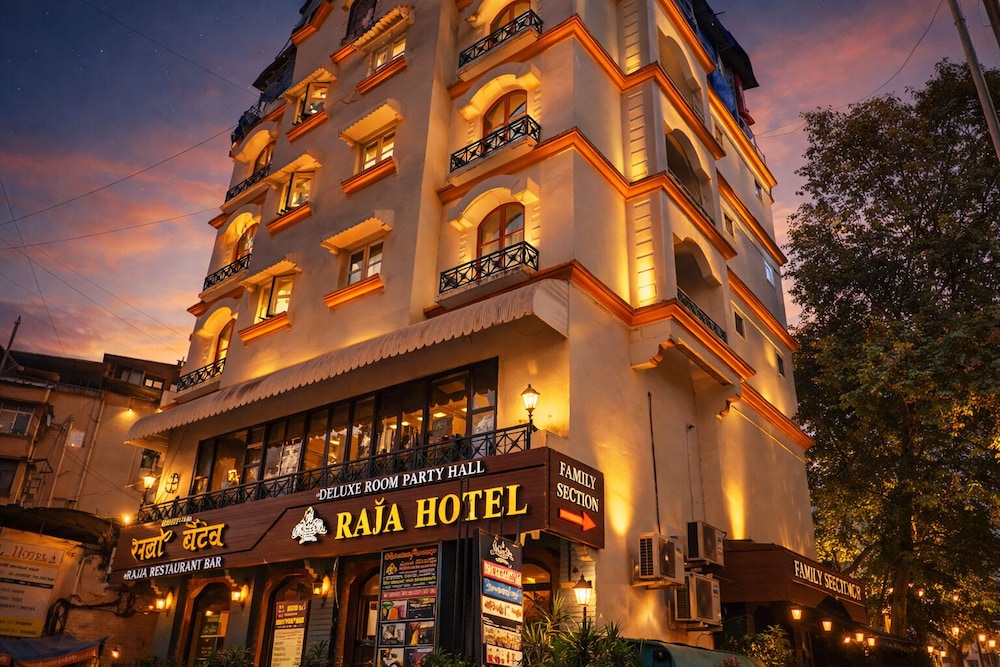
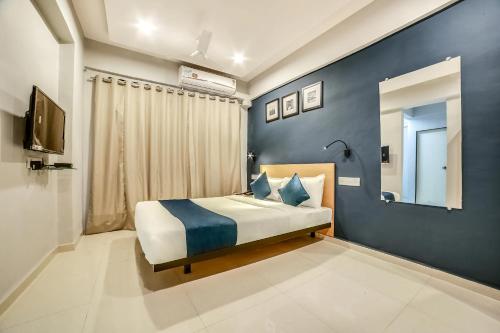
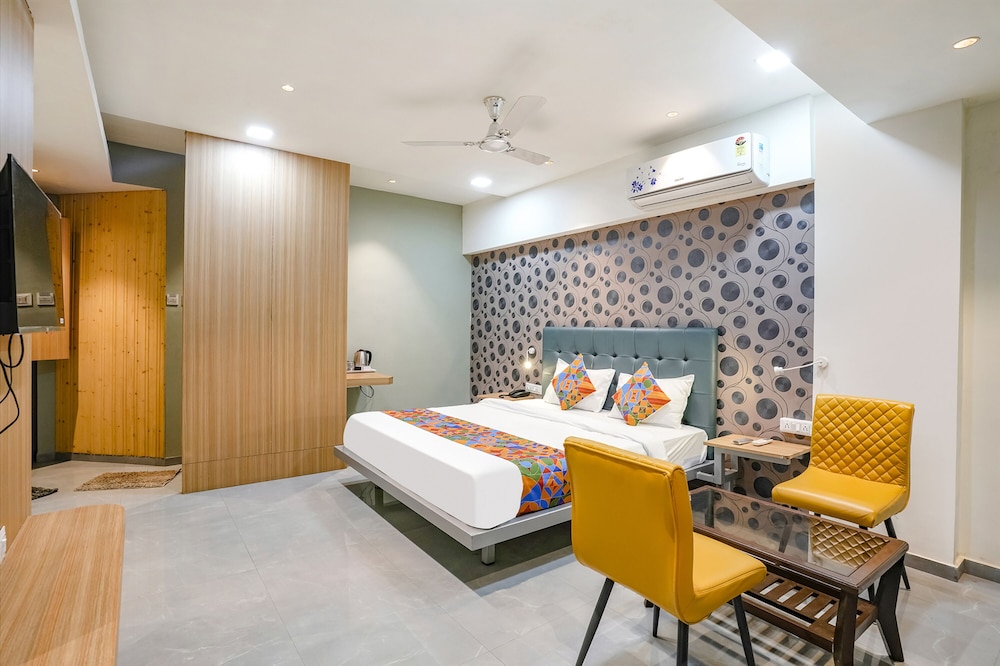
Bandra is the natural base for this walk, and the choice is really between the lanes around Pali Hill and Hill Road, which put you inside the route, and the hotels closer to Bandra station and the Linking Road side, which are more convenient for trains and shopping but a 20-to-30-minute walk from Ranwar. Mid-range rooms in Bandra generally sit in a moderate band for Mumbai, with rates climbing sharply in December and around major festivals; book well ahead if you are visiting in those weeks. The station side is better if you plan day trips by train to the northern suburbs.
Skip the temptation to combine this with a full day of Bandra sightseeing. The walk works because it is slow and short, and the afternoon heat from March to June makes the exposed stretches along Hill Road and Bandstand uncomfortable after about 11am. November to February is the best window, with cooler mornings and clearer light. Wear shoes rather than sandals for the uneven lanes, carry cash for bakeries and auto-rickshaws, and remember that these are residential streets: keep voices low, and do not enter private compounds or gated courtyards.
Editorial review: 19 November 2026 · imptmumbai.in, written with AI assistance (see the editorial policy).